
 Hendra Ismail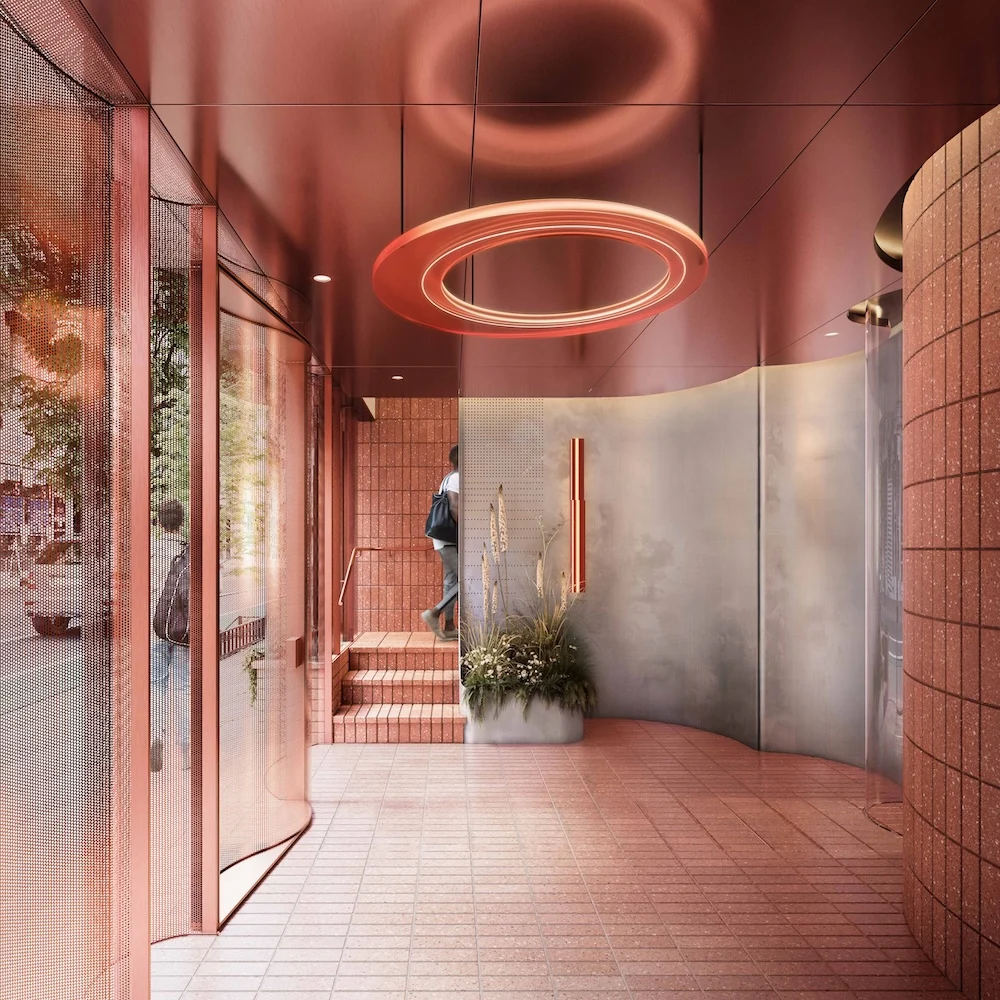
New York City’s Lower East Side is poised to welcome a distinctive new cultural hub this fall with the grand opening of Stylus, a members club dedicated to the deep exploration of acoustic experiences and artistic endeavors. Housed within a historically significant building that has previously served as a bustling 1940s market, a creative hub for Loho Studios, and most recently, a rehearsal space for the avant-garde Blue Man Group, Stylus promises to transform 10,000 square feet into a multifaceted destination for music, film, and culinary arts.
The ambitious undertaking is spearheaded by O’Neill Rose Architects (ORA), a Brooklyn-based firm renowned for its innovative approach to spatial design. ORA has meticulously reimagined the former recording studio, expanding its footprint to encompass 8,500 square feet of interior space and an additional 1,500 square feet of curated outdoor experience. Their design philosophy for Stylus emphasizes a layered approach, integrating materiality, acoustics, and texture to craft a series of distinct environments. This deliberate progression guides visitors from the vibrant energy of Clinton Street into progressively quieter and more sensorially rich realms, fostering a unique journey of discovery.
Collaborating with ORA on this transformative project are Milanese designer Paolo Matera, design advisor Selene Privitera, and hospitality advisor MARA. This collective of creative minds is working in synergy to imbue Stylus with a sophisticated aesthetic and an unparalleled guest experience.
The Architectural and Experiential Journey of Stylus
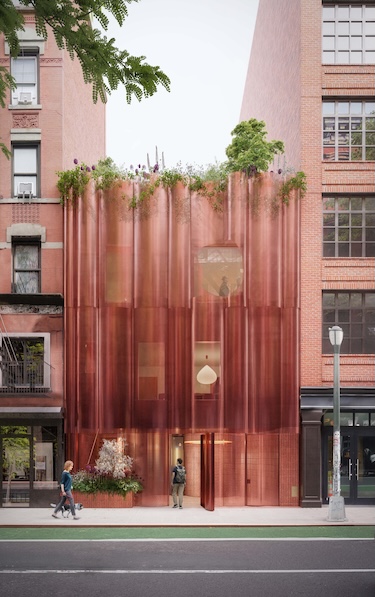
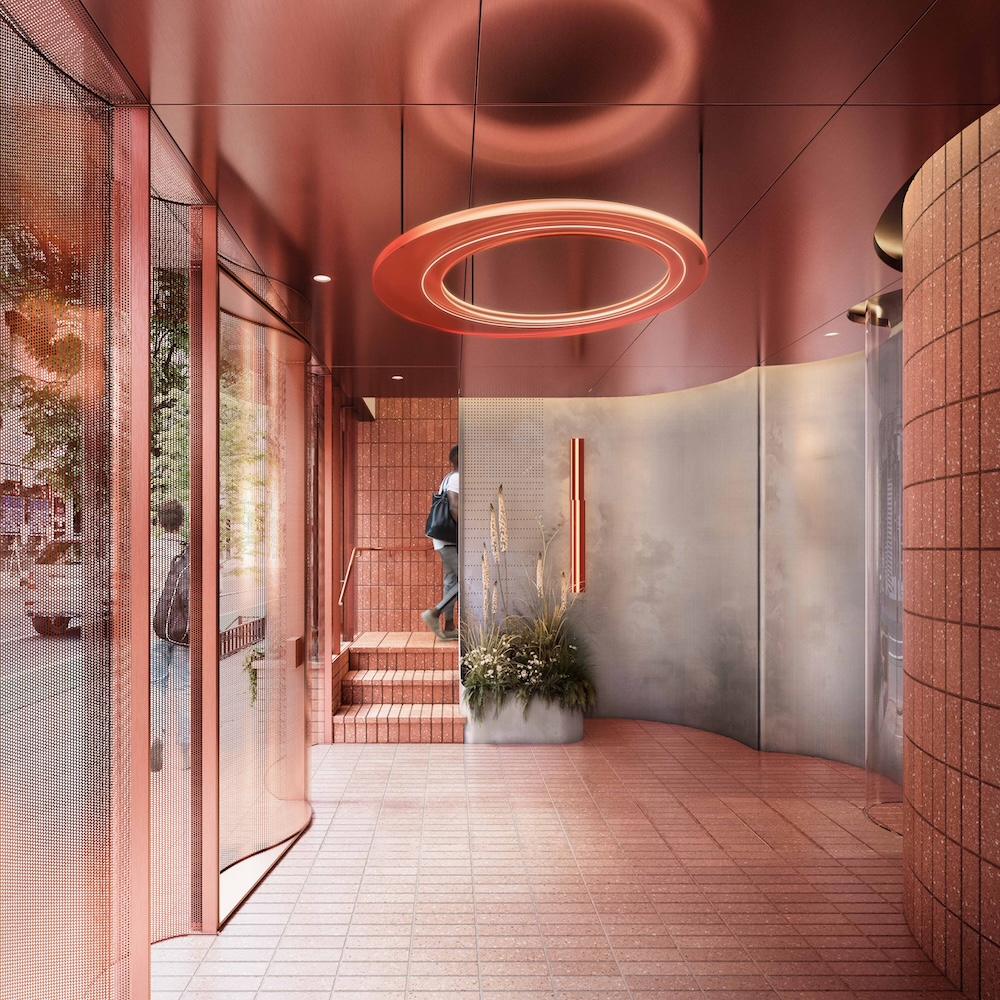
The entrance to Stylus immediately signals its unique character. A perforated aluminum façade is designed to create subtle, pixelated reflections of the surrounding neighborhood, offering a visually engaging yet understated welcome. This external feature is complemented by a protected courtyard and an acoustic lock, which together serve as a crucial decompression threshold. This transitional zone is engineered to gradually filter out the ambient noise of the city, preparing guests for the heightened sensory engagement within the club’s central listening environments.
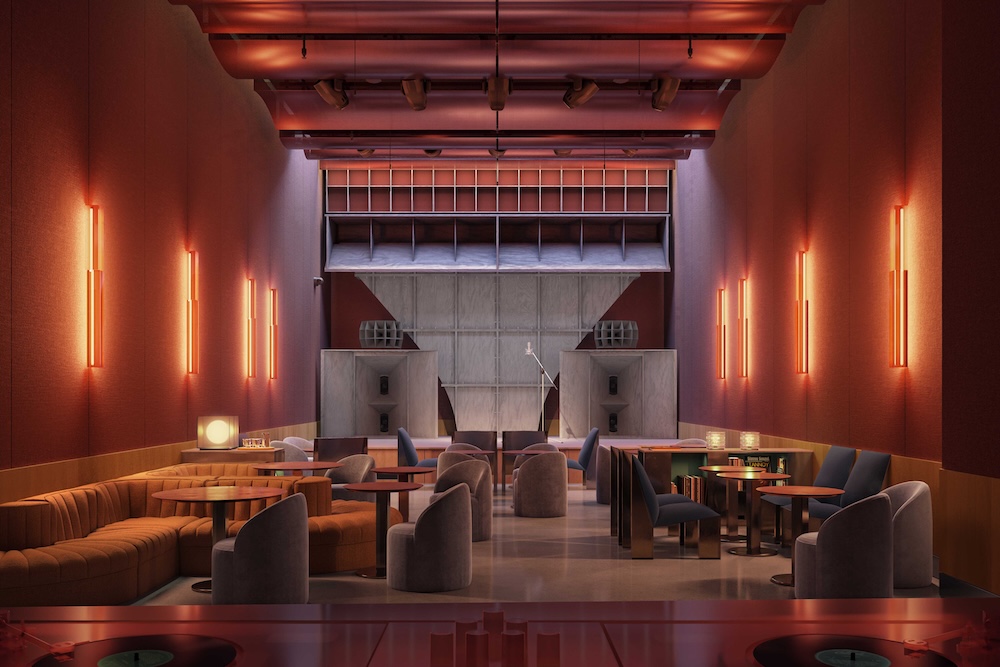
Upon entering the ground floor, visitors are greeted by a space named Ephemeral. This area is conceived as a dramatically scaled performance and listening venue, anchored by sculptural, custom-designed speakers. The architecture of Ephemeral is a testament to acoustic innovation; its walls and ceilings are enveloped in acoustically engineered fabric, ingeniously concealing an integrated spatial audio system. This advanced system possesses the remarkable capability to dynamically alter reverberation characteristics, allowing for the precise replication of diverse acoustic environments, from the intimate resonance of a jazz club to the grand expansiveness of a cathedral.
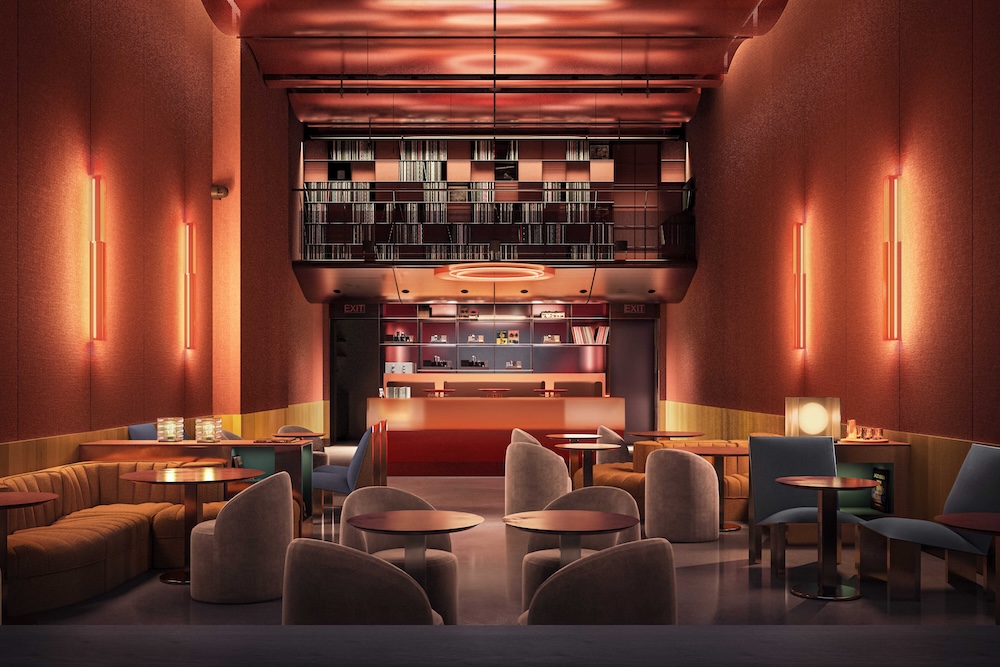
A suspended catwalk provides an elevated vantage point, offering access to an extensive vinyl collection that forms the heart of the club’s auditory offerings. Adjacent to this, a raised resin dais serves as the stage for the "music master," a dedicated individual responsible for curating and presenting the musical experience, with seating thoughtfully arranged for a select coterie of listeners.
Flowing from the performance space is Bar Stylus, a jewel-box lounge that masterfully combines rich resin surfaces, strategically placed mirrors, and tactile textiles. This area functions not only as a sophisticated bar and service point but also as a discreet gathering spot, designed for both conversation and quiet contemplation.
Culinary Depth and Sensory Exploration in the Cellar
Beneath the main floors, a significant undertaking has been realized: the excavation of the cellar, a process that spanned over two years. This newly created subterranean level houses a full commercial kitchen, designed to support daily menus curated by the esteemed culinary director Anita Lo. Chef Lo’s involvement extends beyond menu development; she will also be leading a series of culinary workshops, hosting visiting chef programs, facilitating private dining experiences, and offering specialized tea and wine experiences, positioning the cellar as a significant gastronomic destination in its own right.
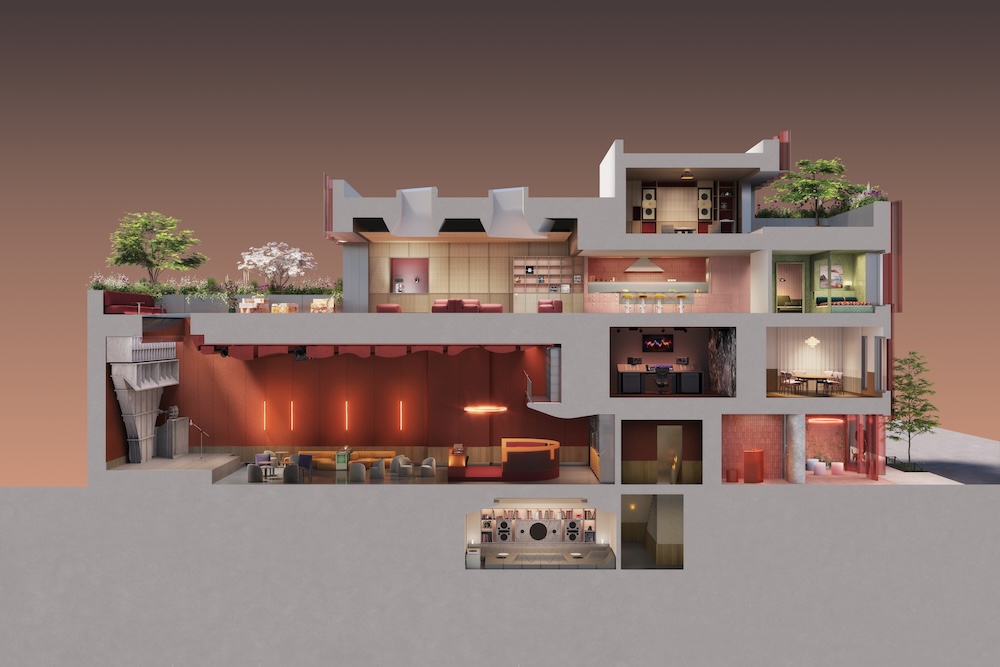
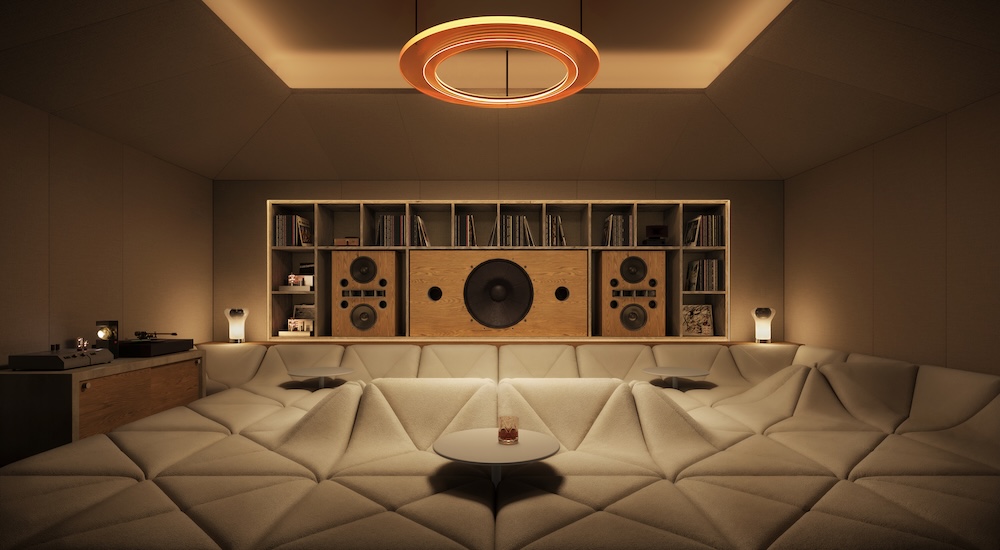
The cellar’s Subliminal space is dedicated to an even deeper sensory immersion. This area features a shoes-off listening lounge, furnished with a modular sofa system and equipped with cutting-edge immersive audio systems. Notably, Subliminal is designed to support 40Hz sound and light therapy, an emerging field exploring the potential of specific frequencies to enhance cognition, promote clarity, and improve sleep patterns. This integration of therapeutic elements into a high-fidelity audio environment represents a pioneering approach to wellness and sensory experience.
Evolving Intimacy Across Upper Floors
As guests ascend through Stylus, the environments transition towards increasing intimacy and privacy. The mezzanine level houses a green room, acoustically treated with baffles and curtains, offering a tranquil space for performers and guests. Further up, a lounge area provides access to a terrace, enhanced by sculptural daylighting elements that artfully sculpt natural light throughout the day. The uppermost floors feature a residential suite, designed as a private sanctuary equipped with integrated loudspeakers, offering an ultimate expression of curated auditory and living experience.
A Rich History of Transformation
The building that now houses Stylus has a layered history of adaptation and reinvention, mirroring the very ethos of the members club itself. Its origins as a 1940s market speak to a time of community gathering and commerce. The subsequent transformation into Loho Studios marked its entry into the realm of creative production, a space where artists honed their crafts. The most recent chapter as the Blue Man Group’s rehearsal space further cemented its identity as a venue for innovative performance and artistic experimentation. This rich past provides a unique foundation for Stylus, infusing the new establishment with a sense of legacy and artistic continuity.
Supporting Data and Industry Context
The Lower East Side has long been a crucible for artistic and cultural innovation in New York City. Its history is deeply intertwined with the evolution of music, art, and counterculture. The emergence of Stylus in this vibrant neighborhood aligns with broader trends in the hospitality and entertainment industries, which increasingly focus on creating curated, experiential spaces that cater to discerning clientele seeking more than just passive consumption.
The concept of members clubs has seen a resurgence, evolving from traditional social clubs to specialized environments focused on niche interests, from professional networking to specific lifestyle pursuits. Stylus taps into this trend by offering a dedicated space for acoustic appreciation, a segment of the music world that values sonic fidelity and immersive listening experiences. The emphasis on spatial audio and the ability to replicate diverse acoustic environments reflects advancements in audio technology and a growing consumer interest in high-fidelity sound.
The integration of culinary arts and wellness programming, as seen with Anita Lo’s involvement and the 40Hz therapy in the Subliminal space, indicates a growing convergence of different lifestyle sectors within single venues. This holistic approach aims to provide members with a comprehensive offering that caters to multiple facets of their well-being and leisure. The expansion of the building’s footprint, particularly the significant excavation for the cellar, underscores the substantial investment and commitment to creating a unique, multi-level experience that maximizes the potential of the historic site.
Official Statements and Anticipated Reactions
While official statements from the principals of Stylus, O’Neill Rose Architects, Paolo Matera, Selene Privitera, and MARA are expected closer to the opening date, the project’s detailed planning and the caliber of the design and hospitality teams involved suggest a strong commitment to quality and innovation. Industry observers and potential members are likely to anticipate a venue that offers a sophisticated yet accessible environment for artistic engagement.
The reputation of Anita Lo as a culinary force further enhances the appeal of Stylus, promising a gastronomic dimension that complements its sonic and visual offerings. The integration of sound and light therapy, a relatively novel concept in such public-facing venues, is likely to generate significant interest and discussion within both the wellness and design communities.
Broader Impact and Implications
The opening of Stylus on the Lower East Side is poised to contribute significantly to the area’s cultural landscape. By transforming a historically rich building into a contemporary cultural destination, Stylus honors the site’s past while charting a new course for artistic and social engagement. The club’s focus on acoustic exploration, combined with its high-caliber design and diverse programming, positions it as a potential trendsetter in the experiential venue market.
For the music industry, Stylus offers a new platform for audiophile experiences and potentially a space for intimate, high-fidelity performances. The culinary programming led by Anita Lo is likely to elevate the dining standards for members and contribute to the ongoing reputation of the Lower East Side as a culinary hotspot.
Furthermore, the integration of wellness technologies like 40Hz therapy could pave the way for similar integrations in other hospitality and cultural spaces, signaling a growing awareness of the profound impact of sensory environments on human well-being. As a members club, Stylus also fosters a sense of community and exclusivity, catering to a demographic that values curated experiences and intellectual stimulation. The success of Stylus will likely be measured not only by its commercial viability but also by its impact on the cultural discourse and its ability to redefine the concept of a modern members club.


 Anjar Salim
 Chandra Hamzah
 Tatiana Tantri Indah Sari
 Budi Mulyono
 Lukman Taruna Persada Ramadan
