
 Hendra Ismail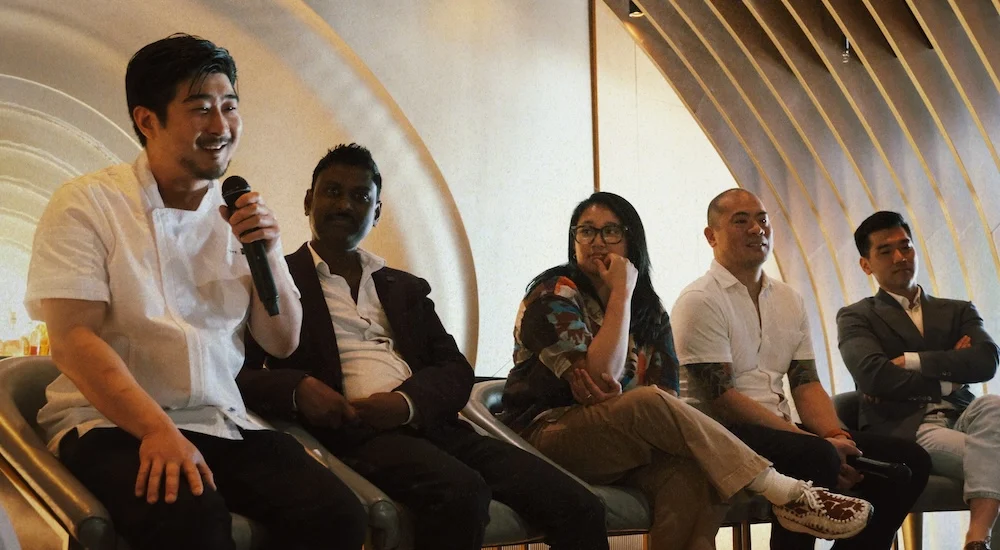
New York City—A pivotal discussion held during Asian American and Pacific Islander (AAPI) Heritage Month at the modern Asian restaurant 53 illuminated the transformative influence of AAPI voices in the hospitality sector. Moderated by Maggie Wong, senior editor at Caper, the event brought together a distinguished panel of culinary leaders to explore how AAPI perspectives are not only redefining Asian cuisines in America but also cultivating a new era of cultural confidence and authenticity within the industry.
The esteemed panel comprised Mark Yu, executive chef at 53; Vijay Kumar, acclaimed chef at Semma; Maximilian Soh, managing director of Oiji Mi; Steven Wong, owner and cofounder of Aqua Best; and Kimberly Camara, chef and cofounder of Kora. Their collective insights offered a comprehensive look at the evolution of Asian culinary traditions in the United States, charting a course from periods of marginalization and misunderstanding to their current standing as influential, unapologetically personal expressions of identity and heritage. The conversation, hosted in the sophisticated ambiance of 53, served as a microcosm of the broader shifts occurring across the American food landscape.
The Ascent of Cultural Confidence and Culinary Evolution
A central theme that resonated throughout the evening was the burgeoning sense of cultural confidence among AAPI chefs and restaurateurs. Chef Mark Yu vividly recalled his childhood, sharing poignant memories of experiencing embarrassment when bringing Korean food to school. He juxtaposed these past feelings with the current reality, humorously remarking, "We’re the cool kids now." This statement encapsulates the dramatic societal shift, evidenced by the surging popularity of Korean cuisine, now celebrated even in Michelin-starred establishments across the city. This transformation is not merely about trendiness; it signifies a deeper societal acceptance and appreciation of diverse cultural expressions.
Kimberly Camara, a renowned chef and cofounder, further contextualized this evolution through the lens of lived experience. She articulated how the dynamic nature of identity directly influences culinary expression, stating, "As we continue to live differently, the food evolves along with it." This powerful connection between identity, memory, and the ever-changing landscape of menus underscores the deeply personal and evolving nature of AAPI cuisine. It’s a cuisine that grows and adapts, reflecting the lived realities of its creators.
The ripple effects of this cultural confidence extend beyond the kitchen to the supply chain. Steven Wong highlighted how increased diner curiosity about regional Asian cuisines has directly stimulated demand for a wider array of ingredients and seafood. What were once considered difficult-to-source items are now becoming more accessible, as purveyors and distributors respond to a more informed and adventurous consumer base. This symbiotic relationship between consumer interest and supply chain innovation is a testament to the growing influence of AAPI culinary contributions. The increasing visibility of specialized Asian markets and ingredient suppliers across major cities further supports this trend, providing chefs with greater access to authentic components and enabling them to explore more nuanced regional dishes.
Embracing Authenticity: Cooking Without Compromise
The panel repeatedly returned to the critical concept of authenticity, a notion that has historically been perceived as a risk in the fine-dining world. Vijay Kumar candidly discussed the immense pressure many chefs once felt to conform to Western expectations of fine dining, often at the expense of their own culinary heritage. He emphasized the necessity of embracing one’s roots, stating, "At some point, we just have to do it." This sentiment was illustrated by his personal commitment to cooking dishes deeply embedded in his Indian hometown’s culinary traditions, such as those featuring snails, rather than attempting to "fit into a Euro-centric world."
Kimberly Camara echoed this sentiment with an observation that deeply resonated with the audience: "It’s crazy that being authentic to oneself is taking a risk." This statement encapsulates the paradoxical challenge faced by many in the AAPI community, where self-expression rooted in cultural identity was once viewed with suspicion or as a barrier to acceptance. The shift towards celebrating authenticity signifies a profound change in both the industry and society’s perception of culinary excellence.
Chef Mark Yu further elaborated on this philosophy, asserting, "the food represents itself and that’s what my focus is—just cooking good food." His approach prioritizes the inherent quality and flavor of ingredients and dishes, rather than adhering to pre-conceived notions of what constitutes acceptable or marketable cuisine. At 53, for instance, ingredients like fermented shrimp paste, which might be challenging for some diners, are not diluted or softened. Instead, the philosophy is to "invite guests into the experience and encourage curiosity." This approach fosters a deeper appreciation for the complexities and nuances of Asian flavors, transforming potential barriers into opportunities for culinary education and discovery. This strategy aligns with a broader trend in contemporary dining where immersive experiences and educational components are increasingly valued by consumers.
Maximilian Soh observed that diners often embark on a journey of culinary understanding gradually. They may initially gravitate towards more familiar versions of dishes before venturing into more regional or less common expressions. Kimberly Camara corroborated this point, describing how accessible items like pastries and donuts from her Filipino bakery can serve as "a gateway" to broader cultural flavors and culinary traditions. This "gateway" approach is a powerful tool for introducing diverse cuisines to a wider audience, demystifying unfamiliar ingredients and techniques through approachable formats. Data from market research firms specializing in the food industry consistently show that novelty and familiarity are key drivers of consumer trial, with consumers often seeking out recognizable formats for new taste experiences.
Nurturing the Next Generation: Advice for Aspiring Chefs
The panel concluded with invaluable advice for the emerging generation of chefs, offering a blend of practical wisdom and motivational encouragement.
Vijay Kumar offered a message of resilience and perseverance: "Don’t give up, keep working. It’s going to be challenging, but it’s fine. Tomorrow’s a new day—let’s see how we can fix a mistake that we made yesterday and keep moving." This sentiment underscores the demanding nature of the culinary profession, emphasizing the importance of learning from setbacks and maintaining a forward-looking perspective. His advice is particularly relevant in an industry known for its long hours and high-pressure environments.
Kimberly Camara stressed the importance of strategic thinking: "Always focus on the big picture [instead of] the day to day. You’re not able to do the big things if you can’t get through the small ones." This perspective encourages aspiring chefs to balance immediate tasks with long-term goals, recognizing that mastering foundational skills is essential for achieving larger aspirations. This approach is critical for career progression in any demanding field.
Steven Wong highlighted the indispensable role of relationships in the supply chain: "Build relationships with purveyors because they’re the ones that can explain stuff to you. If you don’t know your ingredients, whether from your farmer or your butcher, you won’t have full knowledge to create another dish or properly price it or season it." This practical advice points to the interconnectedness of the culinary ecosystem, where deep knowledge of ingredients, facilitated by strong supplier relationships, is crucial for innovation, costing, and execution. This emphasis on sourcing and ingredient knowledge reflects a growing trend towards transparency and traceability in food production.
Maximilian Soh emphasized the value of immersive learning and cultural exploration: "Have good ethics and also eat as much as you can. Travel a lot, eat a lot, experience the service, experience the food. I think that’s the most important thing to becoming a better chef." His advice champions a holistic approach to culinary education, advocating for experiential learning that extends beyond the kitchen to encompass broader cultural contexts and dining experiences. This aligns with the increasing recognition that a chef’s understanding is shaped by a wide range of sensory and cultural exposures.
Mark Yu underscored the significance of mentorship: "Find a good mentor. You need to find someone who loves what they do and passes on that love." This essential piece of advice speaks to the power of guidance and inspiration, highlighting the impact that experienced professionals can have on the development and passion of aspiring chefs. The passing down of knowledge and passion is a cornerstone of artisanal trades, including the culinary arts.
Broader Impact and Future Implications
The AAPI Heritage Month discussion at 53 served as more than just a culinary dialogue; it was a powerful affirmation of the evolving narrative of Asian American identity and influence in the United States. The insights shared by the panel point to a future where AAPI cuisines are not merely accepted but celebrated for their depth, diversity, and authenticity. This shift has profound implications for the hospitality industry, fostering a more inclusive and dynamic environment that benefits both chefs and diners.
The increasing demand for authentic regional Asian dishes, coupled with greater accessibility to specialized ingredients, suggests a continued diversification of the American palate. This trend is likely to fuel further innovation, encouraging chefs to push creative boundaries and explore less-represented culinary traditions. Furthermore, the emphasis on cultural confidence and unapologetic self-expression is empowering a new generation of AAPI entrepreneurs and chefs to lead with their own unique visions, contributing to a richer and more representative culinary landscape.
The discussion also highlighted the critical role of education and mentorship in sustaining this momentum. As AAPI chefs continue to carve out influential spaces, their willingness to share knowledge and offer guidance to aspiring professionals will be crucial in shaping the future of the industry. The advice offered by the panelists serves as a roadmap for those looking to navigate the complexities of the culinary world, emphasizing resilience, strategic thinking, strong relationships, immersive learning, and the invaluable guidance of mentors.
In essence, the conversation at 53 was a testament to the enduring power of cuisine as a vehicle for cultural exchange, identity affirmation, and societal change. The AAPI voices shaping the hospitality sector today are not just creating delicious food; they are building bridges, fostering understanding, and profoundly enriching the fabric of American culture. The continued success and recognition of AAPI chefs and restaurateurs signal a positive trajectory towards a more equitable and vibrant culinary future for all.




 Anjar Salim
 Chandra Hamzah
 Tatiana Tantri Indah Sari
 Budi Mulyono
 Lukman Taruna Persada Ramadan
