
 Hendra Ismail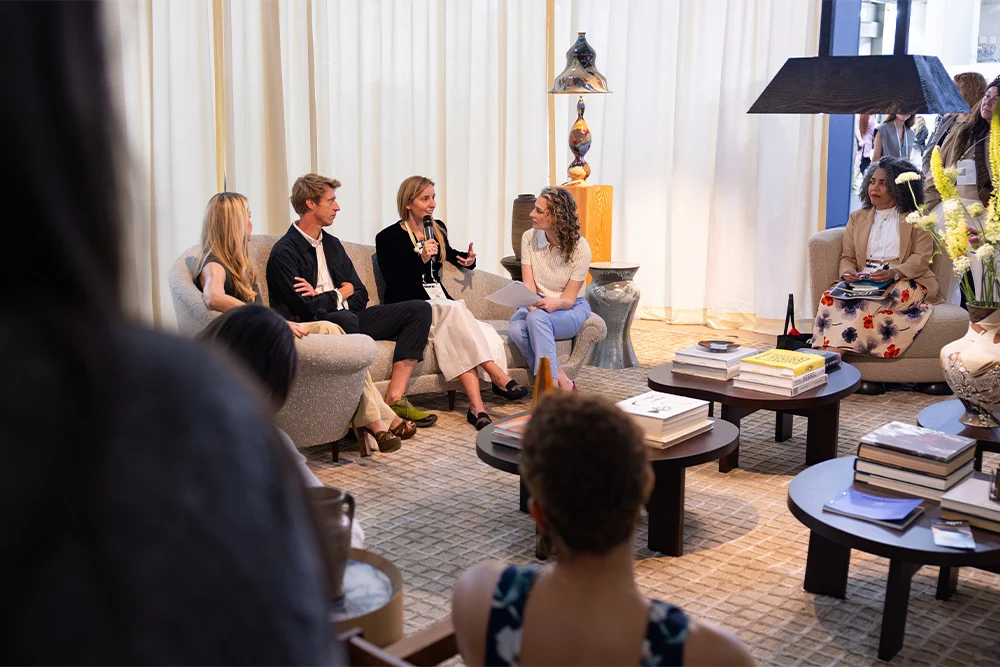
Paris, France & New York, USA – In a week brimming with significant developments in architecture, design, and cultural preservation, several high-profile projects have captured the attention of the global creative community. The venerable Louvre Museum in Paris has announced the winning architectural teams set to undertake a monumental renovation, promising to redefine the visitor experience while safeguarding its priceless collections. Simultaneously, the Hudson Valley Shakespeare Festival in New York inaugurates a striking, environmentally conscious new theater designed by Studio Gang. Further upstate, a historic Brooklyn skyscraper, once a bastion of finance, is poised for a vibrant rebirth as a sophisticated food hall. The enduring spirit of Americana is also on display, with a renewed appreciation for the roadside artistry adorning the legendary Route 66, and the International Contemporary Furniture Fair (ICFF) 2026 has drawn to a close, celebrating the latest in contemporary design.
The Louvre’s New Renaissance: A Vision for the Future of Cultural Heritage
The Louvre Museum, a global beacon of art and history, has selected a formidable consortium of architectural talent to spearhead its next chapter of transformation. Selldorf Architects, in collaboration with STUDIOS Architecture and BASE Paysagiste, emerged victorious from a rigorous international design competition for the ambitious "Louvre Nouvelle Renaissance" project. This initiative focuses on the comprehensive renovation of the Louvre Colonnade, a significant eastern facade of the museum complex situated in the heart of Paris.
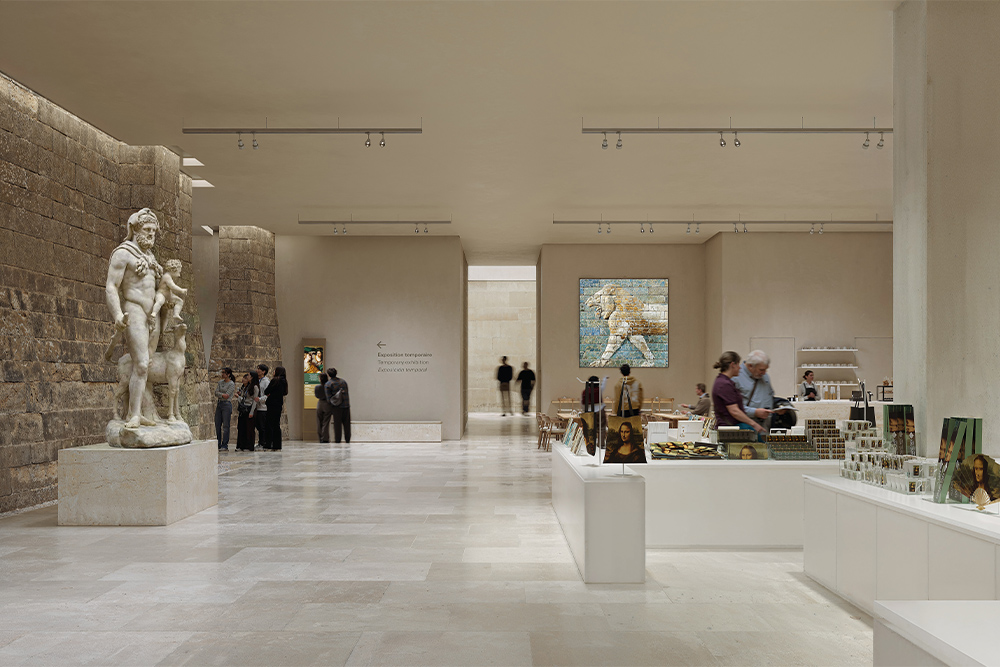
The core objective of this multi-faceted undertaking is to meticulously repair and reimagine the existing structures, ensuring the long-term preservation of the museum’s unparalleled collections. Concurrently, the project aims to modernize the visitor experience to meet contemporary public expectations, with a strong emphasis on integrating sustainability requirements. According to reports from ArchDaily, the renovation will introduce new, strategically placed entrances designed to improve visitor flow and accessibility. Circulation routes within the museum will be optimized, and the surrounding urban landscape will undergo a thoughtful redevelopment to create a more welcoming and integrated public realm.
A key element of the revitalized esplanade will be a new vegetated composition, intended to enhance the aesthetic appeal and environmental quality of the museum’s exterior. Inside, the plans include the creation of integrated relaxation areas, offering visitors respite amidst their cultural journey. Furthermore, a modular temporary exhibition space is slated for development, providing the flexibility needed to host dynamic and diverse displays. Perhaps one of the most anticipated aspects of the renovation is the announcement of a new, dedicated space for Leonardo da Vinci’s iconic "Mona Lisa." While details are still emerging, the intention is to create an environment that enhances the viewing experience of this world-renowned masterpiece. A precise construction timeline has not yet been released, but the scale of the project suggests a phased approach over several years. The Louvre’s commitment to this extensive renovation underscores its dedication to remaining a relevant and accessible cultural institution for generations to come, adapting to the evolving needs of a global audience while respecting its profound historical significance. The project is expected to attract significant international attention and investment, solidifying the Louvre’s position as a leading cultural destination.
Studio Gang’s Timber Pavilion: A Sustainable Stage for Shakespeare in the Hudson Valley
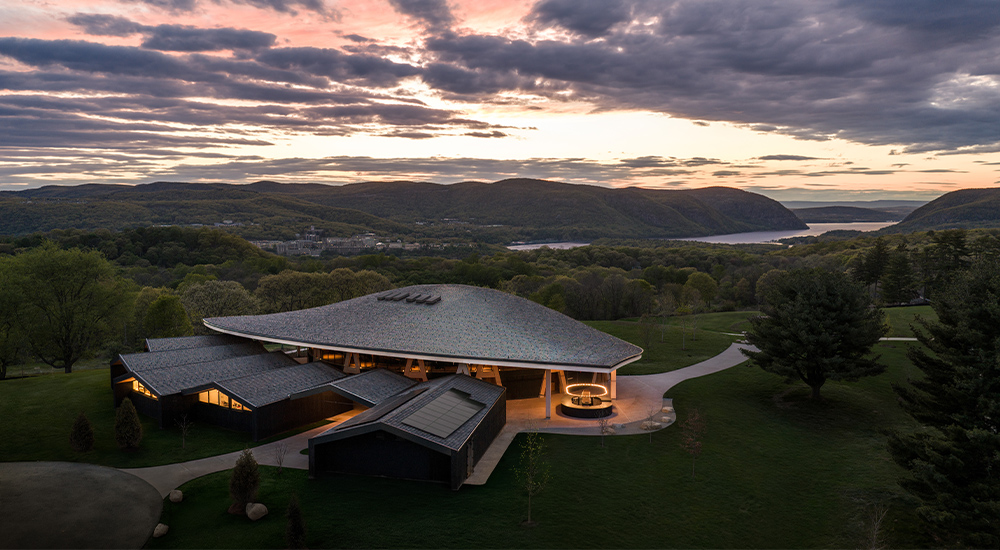
In a testament to innovative and environmentally responsible design, Studio Gang, in partnership with landscape architect Nelson Byrd Woltz, has completed the Samuel H. Scripps Theater Center in New York’s scenic Hudson Valley. This new timber structure is set to become the permanent home for the acclaimed Hudson Valley Shakespeare Festival, nestled within the tranquil hamlet of Garrison.
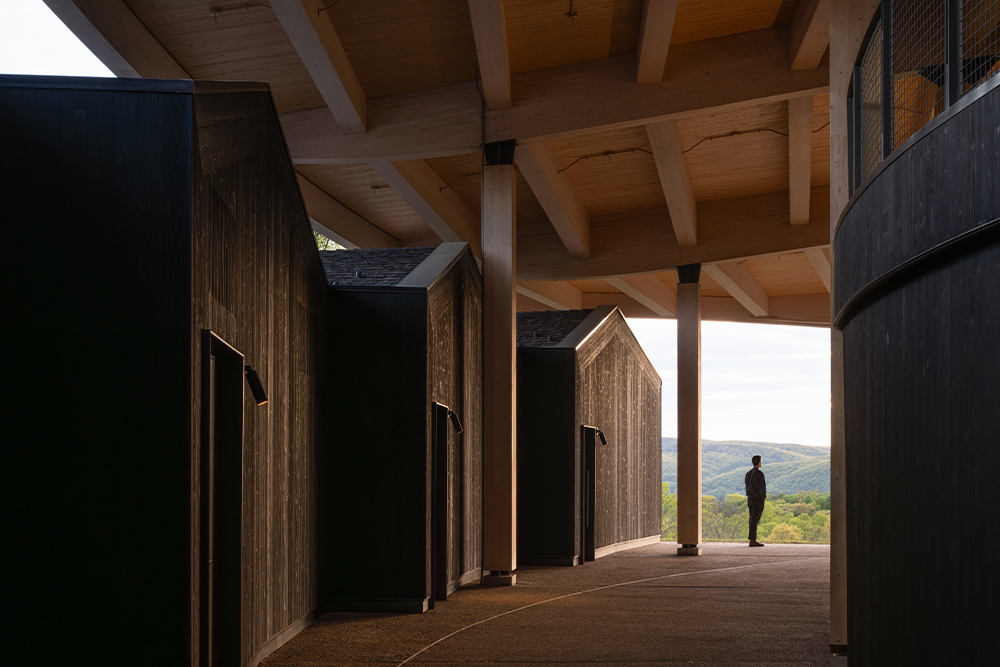
The pavilion is conceived not merely as a building, but as an extension of its natural surroundings. Integrated rooftop solar panels and a sophisticated rainwater harvesting system highlight the commitment to sustainability that underpins the design. The theater is strategically positioned to frame breathtaking, expansive vistas of the natural landscape, a deliberate choice that enhances the theatrical experience by blurring the lines between the stage and the environment. This 98-acre campus has undergone significant ecological restoration, having previously served as a golf course. The landscape architects have focused on revitalizing native grasses and wetlands, a crucial step in healing the land and creating a harmonious ecosystem. Architect’s Newspaper reports that the main theater, designed to seat 451 patrons, spans 6,800 square feet. Complementing this performance space is an extensive 10,000-square-foot back-of-house area, meticulously equipped with dressing rooms, a green room, wardrobe facilities, administrative offices, and other essential operational spaces. The architectural treatment of these auxiliary facilities is particularly noteworthy, featuring small structures clad in yakisugi, a traditional Japanese method of preserving wood through charring. This technique not only imparts a striking aesthetic but also ensures durability and resistance to the elements, harmonizing with the natural materials and ethos of the project. The completion of the Samuel H. Scripps Theater Center represents a significant milestone for the Hudson Valley Shakespeare Festival, providing them with a state-of-the-art facility that is as committed to ecological stewardship as it is to the art of performance. The project serves as a powerful example of how contemporary architecture can embrace both artistic expression and environmental responsibility.
Brooklyn’s Williamsburgh Savings Bank Tower: A Grand Transformation into a Culinary Epicenter
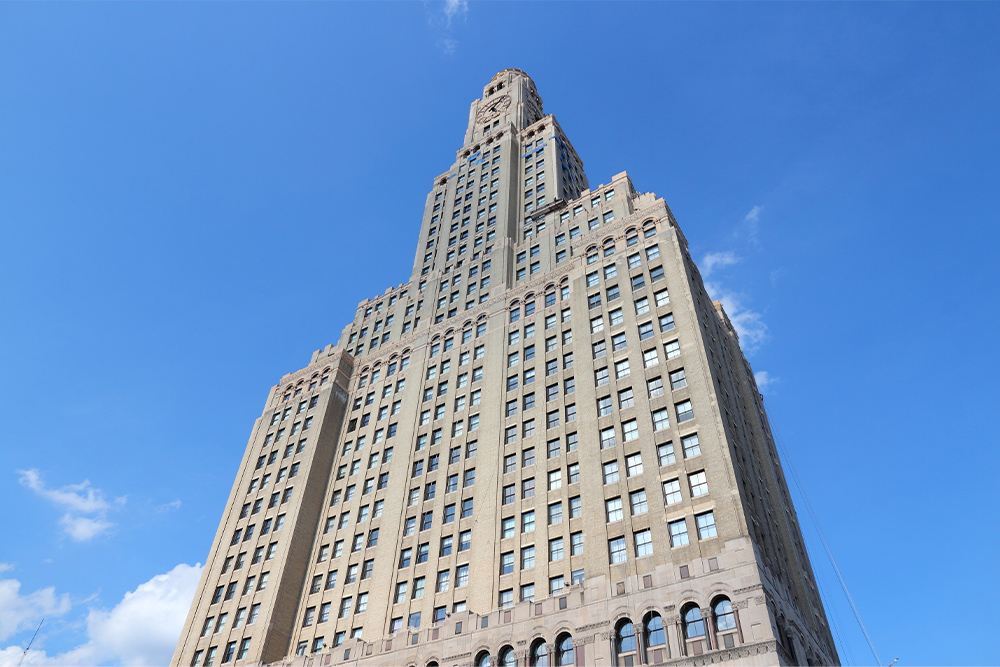
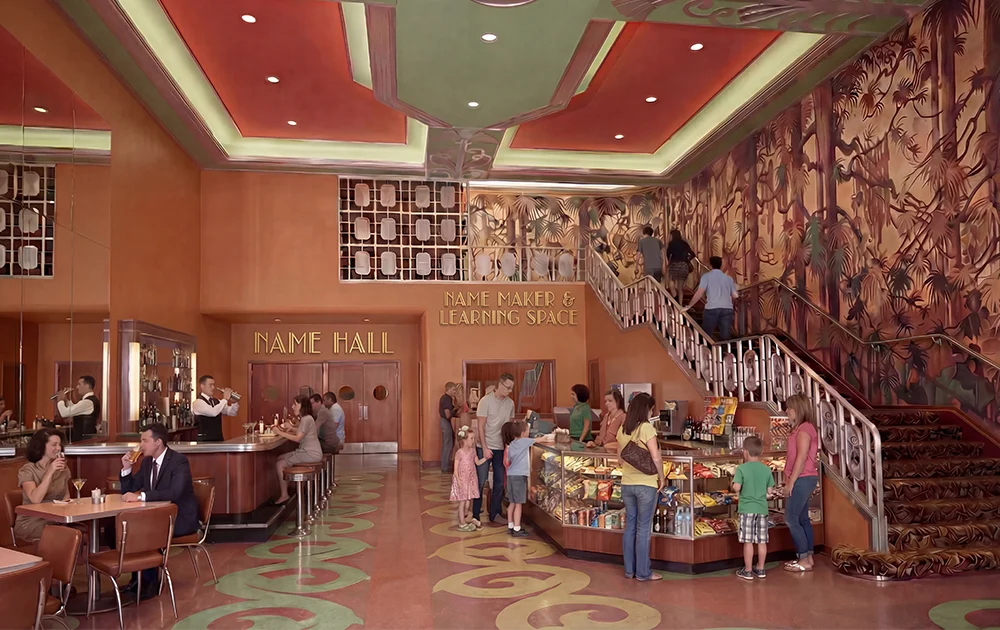
The iconic Williamsburgh Savings Bank Tower, a landmark at One Hanson Place in Brooklyn’s Fort Greene neighborhood, is set to undergo a remarkable metamorphosis. In a deal announced by Brooklyn Sports & Entertainment (BSE) and Miami-based hospitality brand Casa Tua, the historic edifice will be reimagined as a vibrant food hall, slated to open its doors in 2027. This ambitious project aims to breathe new life into the grand interiors of a building long associated with financial gravitas, transforming it into a dynamic culinary destination.
While an architect has not yet been formally appointed for this specific phase of the project, the vision outlined includes the addition of a substantial central bar and lounge area, designed to be a focal point for patrons. The plans also encompass the creation of dedicated private dining spaces and facilities for special events, ensuring the food hall can cater to a diverse range of occasions. Renderings that have surfaced, as highlighted by Secret NYC, offer a tantalizing glimpse into the future of the space. These visuals suggest that the historic architectural elements of the tower will be largely preserved, with new furnishings and lush greenery thoughtfully integrated to complement the existing grandeur. BSE acquired the ground floor, mezzanine, and basement levels of the building in 2024, laying the groundwork for this significant redevelopment. The Williamsburgh Savings Bank Tower, with its distinctive Beaux-Arts architecture and imposing presence, has long been a symbol of Brooklyn’s rich history. Its transformation into a food hall represents a contemporary reinterpretation of its public purpose, shifting from a repository of wealth to a vibrant hub for community gathering and gastronomic exploration. This endeavor is expected to draw considerable interest from both local residents and tourists, further enhancing Brooklyn’s reputation as a burgeoning center for culture and cuisine. The project also signifies a growing trend of adaptive reuse for historic commercial buildings, preserving architectural heritage while adapting to modern urban needs.
Mark Cline: The Master Sculptor Breathing New Life into Route 66
As the centennial anniversary of Route 66, the legendary highway stretching from Chicago to Santa Monica, approaches in November, a renewed appreciation for its roadside artistry is evident. A key figure in this resurgence is Mark Cline, a sculptor whose larger-than-life fiberglass creations have become distinctive guardians of this iconic American thoroughfare. Cline’s work, often reaching heights of up to 23 feet, injects a dose of colorful, mid-century kitsch reminiscent of the golden age of the Great American Roadtrip.
Cline’s career trajectory in this unique niche was significantly influenced by his acquisition of a 14-foot-tall Muffler Man sculpture in the 1990s. He subsequently created a mold of this iconic figure, which proved to be the catalyst for a burgeoning career dedicated to crafting these monumental roadside attractions. Many small businesses along Route 66 commission Cline to create bespoke sculptures, ensuring their establishments stand out amidst the vast American landscape. In a recent profile featured in Dwell magazine, Cline shared insights into his prolific output and the memorable characters he has brought to life. He proudly noted that "Big Ron in Springfield, Illinois is the tallest I’ve made. He’s almost 30 feet, with his arms stretched up in the air." Beyond his towering figures, Cline’s work often features a touch of whimsical narrative. He recounted the tale of an Uncle Sam character in Uranus, Missouri, who "lost his head when a tornado smacked right into him on April Fool’s Day. You couldn’t write it!" These anecdotes highlight the playful and often serendipitous nature of his creations, which have become integral to the Route 66 experience. The renewed interest in these roadside sculptures speaks to a broader cultural fascination with Americana, nostalgia, and the enduring allure of the open road. Cline’s artistry ensures that Route 66 continues to be a destination that sparks imagination and celebrates a distinctive chapter of American cultural history. His work not only serves commercial purposes for the businesses he aids but also contributes significantly to the evolving narrative and visual identity of the Mother Road.
ICFF 2026 Wraps Up: A Celebration of Design Innovation and Industry Dialogue
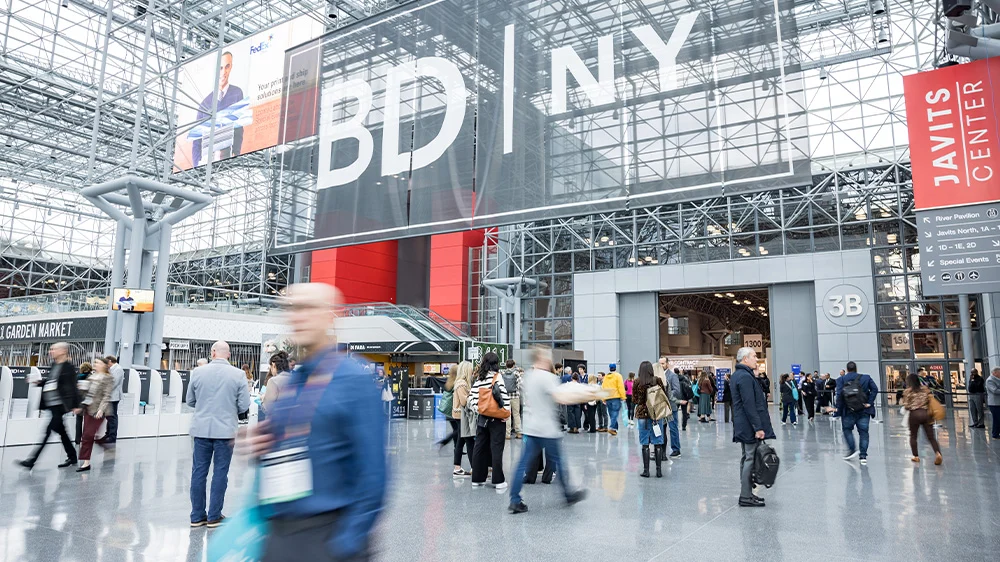
The International Contemporary Furniture Fair (ICFF) 2026, a cornerstone of NYCxDesign, concluded its vibrant showcase at the Javits Center, leaving a trail of inspiration and highlighting the latest trends in contemporary design. The event, which commenced on Sunday, May 17th, offered a rich program of engaging discussions, product introductions, and networking opportunities for professionals across the design spectrum.
This year’s ICFF saw Hospitality Design editor-in-chief, Stephanie Chen, playing a pivotal role as a juror for the prestigious 2026 Editors Awards. These awards recognize outstanding products exhibited throughout the fair, celebrating excellence in innovation, craftsmanship, and design. Zieta Studio was honored with the coveted Best in Show award, acknowledging their exceptional contribution. The Best of Students award was presented to Heecham Kim of the Savannah College of Art and Design (SCAD), underscoring the emergence of promising new talent in the field.
A particular highlight of the fair was the Bespoke Salon, a curated space designed by Post Company and presented by Hospitality Design. This area served as a nexus for critical dialogue, hosting a series of dynamic panel discussions that explored the evolving landscape of design. Among the key topics addressed were "The Art of Making: Where Material Meets Meaning," "From Office Tower to Urban Living: The Future of City Living," and "The Hospitality Effect: The Rise of Multidisciplinary Design." These sessions provided invaluable insights into current challenges and future trajectories within the industry.
Further enriching the program, a new episode of the popular series "Designers on Design" premiered on Monday, May 18th, at the Main Stage. This installment featured Becca Roderick of Morris Adjmi Architects and Gensler’s Laurent Lismachio, offering attendees a glimpse into their creative processes and perspectives. The "Designers on Design" series is set to continue its engagement with the design community, with its fourth episode scheduled for release at BDNY 2026 in November. Past episodes, such as the one featuring Paolo Ferrari and Parts & Labor Design’s Danu Kennedy at BDNY 2025, have garnered significant attention. The successful conclusion of ICFF 2026 reaffirms its status as a crucial platform for design discovery, collaboration, and the advancement of the industry. The event’s emphasis on thoughtful dialogue and the celebration of both established and emerging talent signals a dynamic and forward-looking future for contemporary design. The industry now looks ahead to the next edition of the show, scheduled for November 14-16th.


 Anjar Salim
 Chandra Hamzah
 Tatiana Tantri Indah Sari
 Budi Mulyono
 Lukman Taruna Persada Ramadan
