
 Chandra Hamzah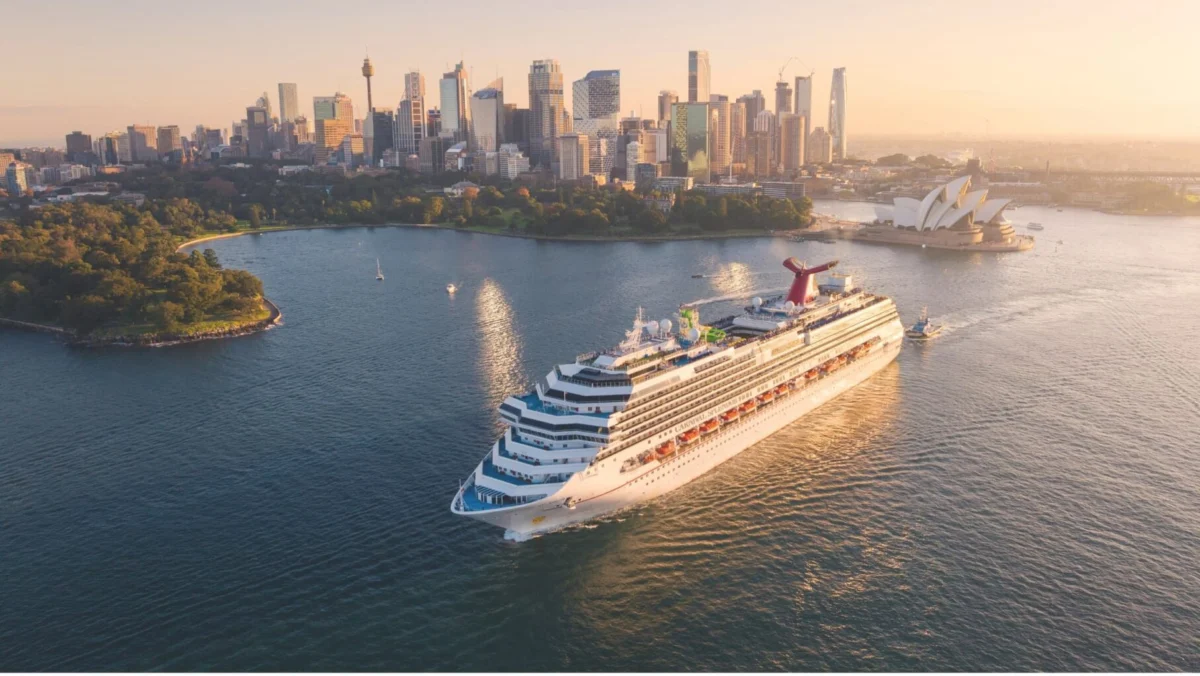
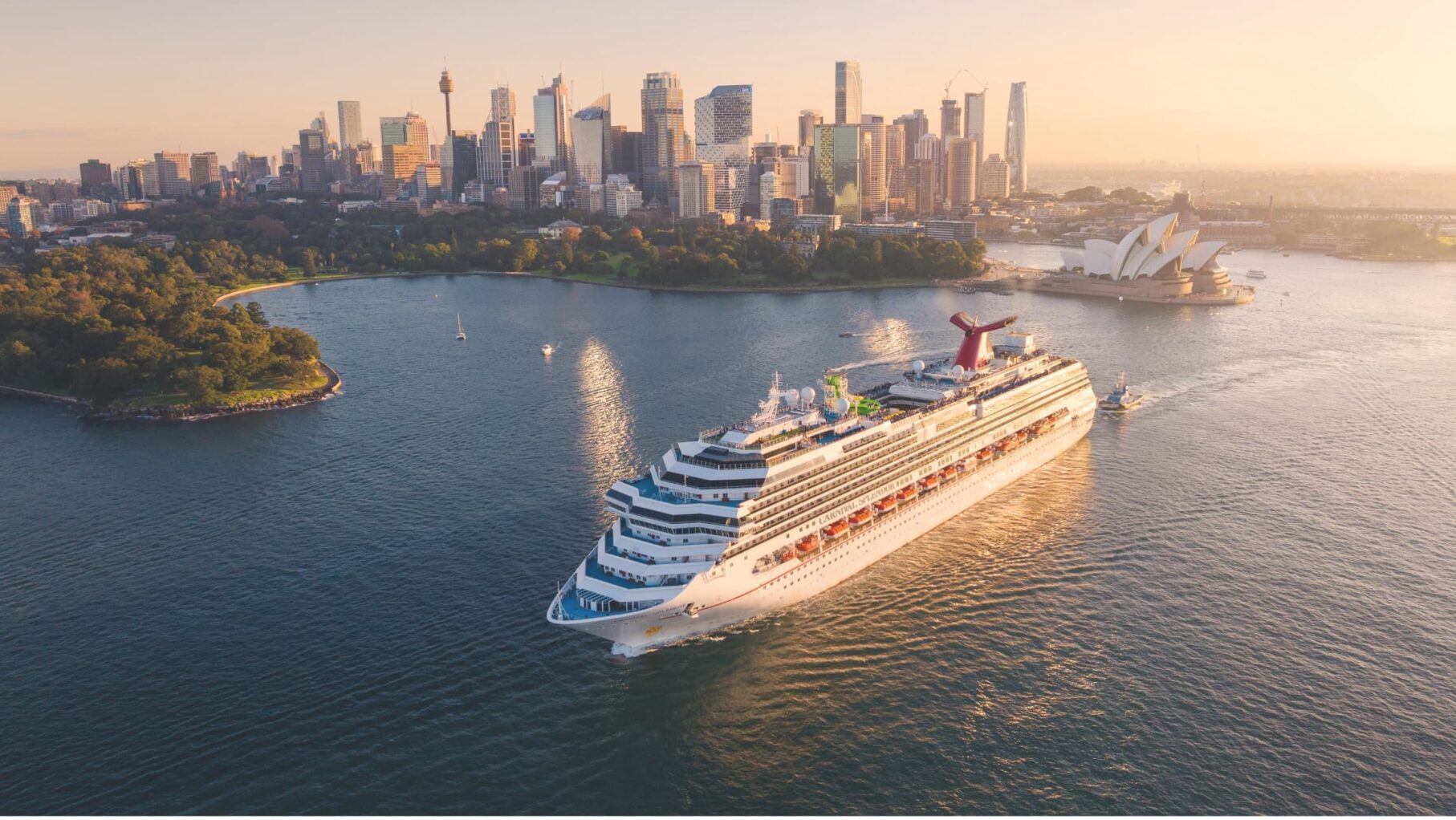
The Australian cruise industry is facing a critical juncture, with a recent increase in the Passenger Movement Charge (PMC) serving as a significant catalyst for renewed criticism from industry leaders. Joel Katz, the Managing Director of Cruise Lines International Association (CLIA) Australasia, has broken his usual diplomatic stance to voice strong opposition to the $10 rise in the PMC, now set at $70, labeling it "another multi-million dollar burden to cruise travel." This move, coupled with ongoing regulatory challenges, is exacerbating concerns that Australia is becoming an uncompetitive destination for cruise lines, potentially leading to a further decline in ship deployments and impacting thousands of local jobs.
The sentiment within CLIA and the broader cruise sector is one of mounting frustration. For months, Cruise Passenger magazine has been advocating for a cohesive, whole-of-government strategy to support the cruise industry, mirroring the proactive approach recently showcased by New Zealand at Seatrade Global, the world’s largest cruise conference. This integrated approach is deemed essential to attract major cruise lines and encourage them to allocate more vessels to Australian waters. The urgency stems from a stark reality: both Australia’s and New Zealand’s cruise capacity has seen a significant decline of over 30%, a trend that stands in sharp contrast to the burgeoning popularity of cruising as a holiday choice among Australians.
Katz’s pointed critique, published this week in a prominent trade journal, underscores the immediate impact of the PMC increase. He described it as "another blow to the Australian travel industry at a time when we are already fighting difficult forces here and abroad." This sentiment is echoed by many within the sector who feel that incremental fee increases and charges have systematically made Australia one of the most expensive countries for cruise ships to operate within.
The Escalating Cost of Cruising in Australia
CLIA’s assessment paints a grim picture of Australia’s competitive standing in the global cruise market. Katz elaborates on the cumulative effect of various charges, stating, "It is a blow that lands particularly hard on the cruise sector, and CLIA has been making our industry’s frustration known in Canberra as we continue to fight the regulatory headwinds we navigate in this region." The Passenger Movement Charge is not an isolated incident; rather, it is the latest in a series of financial impositions that are collectively driving up operational costs.
"It comes on top of countless other fee increases and charges that have made Australia one of the most expensive countries for cruise ships to operate in," Katz stated. This escalating cost structure is directly impacting the decision-making processes of cruise lines when they consider global deployment.
A Competitive Disadvantage in a Growing Market
The implications of this trend are far-reaching. Katz warned, "When you combine this with a difficult regulatory environment, Australia is becoming uncompetitive as a destination. Without action, we will continue to lose cruise tourism to other destinations overseas." This assertion is particularly concerning given the strong global demand for cruises and the record number of passengers participating in this form of travel.
"All this is despite strong demand and record numbers of cruisers both in Australia and globally. The opportunities in cruising are still huge, but we need a greater focus on maximising those opportunities here in Australia," he emphasized. The paradox of Australia possessing immense potential for cruise tourism while simultaneously making it difficult for cruise lines to operate is a central theme of CLIA’s concerns.
The Economic Stakes: Jobs and Investment
The economic ramifications of this situation are significant. Katz highlighted the direct impact on employment, stating, "We cannot price ourselves out of the market – 20,000 Australian jobs depend on cruising. The cash grab on tourism has got to end." This figure underscores the substantial contribution of the cruise industry to the Australian economy, encompassing a wide range of sectors from hospitality and transport to retail and port services. A decline in cruise ship calls can translate directly into job losses and reduced economic activity in port communities.
Understanding "Expensive": A Cumulative Cost Analysis
Katz further clarified what CLIA means by Australia becoming "expensive." It is not attributable to a single fee but rather the aggregate of numerous operational costs. "When we say Australia is becoming expensive, we are not referring to one single cost or isolated charge. We are talking about the cumulative cost of operating cruise ships in this market," he explained.
Cruise lines evaluate destinations on a global scale. Their decisions regarding where to deploy their fleets are informed by a comprehensive comparison of operating costs and potential returns across various international locations. Australia, while possessing undeniable appeal as a tourist destination, is increasingly presenting a less favorable financial proposition.
"Cruise lines look at Australia in a global context and deployment decisions are made by comparing destinations around the world," Katz noted. "Australia is a highly attractive destination, but it comes with significant operating costs, including government fees, port charges, regulatory compliance, logistics, fuel, provisioning, marine services, ground handling, and the broader cost of turnaround operations."
The challenge lies not in any single cost element being prohibitive, but in their combined weight. "Any one of these costs may be manageable in isolation, but the issue is the combined effect," Katz stressed.
A Call for a Coordinated and Competitive Strategy
CLIA’s message is a clear call for a strategic shift in how Australia approaches the cruise industry. The current trajectory, characterized by increasing charges and a fragmented regulatory landscape, is undermining the nation’s ability to capitalize on the global cruise boom.
"So ‘expensive’ should be understood as shorthand for a broader competitiveness issue. Australia remains a world-class cruise destination, but it needs to ensure its costs, regulation and policy settings support future deployment rather than discouraging it," Katz concluded. The industry is urging the Australian government to adopt a more supportive and unified approach, akin to that of New Zealand, to ensure that Australia can fully leverage the economic and tourism benefits that a thriving cruise sector can deliver.
Background: The Passenger Movement Charge and its History
The Passenger Movement Charge (PMC) is a fee levied on individuals departing Australia by air or sea. Introduced in 1979, its primary purpose was to fund immigration and border protection services. Over the years, the charge has been subject to various adjustments and reviews. The recent increase, by $10 to $70, marks a notable upward revision, especially in the context of other rising operational costs for the cruise industry.
The debate surrounding the PMC is often tied to broader discussions about the cost of doing business in Australia and the government’s revenue-generation strategies. For industries like cruising, which operate on tight margins and are highly sensitive to international competitiveness, such increases can have a disproportionate impact.
The New Zealand Model: A Benchmark for Success?
New Zealand’s recent engagement at Seatrade Global, characterized by a unified government and industry presence, serves as a compelling example of a proactive approach. This collaborative strategy aims to showcase New Zealand as an attractive and accessible cruise destination, fostering partnerships between government agencies and private sector operators. Such an integrated model facilitates streamlined approvals, coordinated marketing efforts, and a clearer understanding of the industry’s needs, ultimately contributing to increased cruise calls and associated economic benefits.
The contrast between this proactive stance and the perceived lack of a similar coordinated effort in Australia is a key driver of CLIA’s current advocacy. The industry argues that a similar "whole-of-government" approach in Australia would send a strong signal to cruise lines, demonstrating a commitment to fostering a supportive environment for the sector.
Analyzing the Implications: Beyond the Immediate Charge
The increase in the Passenger Movement Charge, while a specific point of contention, symbolizes a larger challenge: the perceived lack of a long-term, strategic vision for the cruise industry in Australia. The cumulative effect of rising costs, complex regulations, and what the industry terms "regulatory headwinds" creates an environment where Australia risks falling behind competing destinations.
The 30% drop in cruise capacity is a significant statistic that demands attention. This decline is not merely an abstract number; it represents lost opportunities for tourism revenue, job creation, and the development of related infrastructure and services. Port cities, in particular, rely on cruise ship arrivals for a significant portion of their economic activity.
Furthermore, the global cruise market is dynamic. Cruise lines are constantly evaluating new itineraries and destinations based on factors such as passenger demand, operational feasibility, and cost-effectiveness. If Australia is perceived as too expensive or too difficult to navigate from a regulatory standpoint, cruise lines will inevitably divert their resources to more favorable markets.
The statement that "20,000 Australian jobs depend on cruising" is a powerful reminder of the human element behind these economic considerations. These are jobs in hospitality, maritime services, tour operations, retail, and countless other sectors that benefit directly or indirectly from the presence of cruise ships.
CLIA’s Proposed Solutions: Fostering Competitiveness
While critical of the current situation, CLIA is not simply highlighting problems; it is advocating for solutions. The core of their message revolves around enhancing Australia’s competitiveness. This includes:
- Streamlining Regulations: Simplifying and harmonizing regulatory processes to reduce complexity and cost for cruise operators.
- Addressing Fees and Charges: A comprehensive review of all government fees and charges impacting the cruise sector, with a view to making them more competitive.
- Coordinated Government Support: Implementing a unified, "whole-of-government" approach that fosters collaboration between federal, state, and local authorities, as well as industry stakeholders.
- Investing in Infrastructure: Ensuring that port facilities and related infrastructure are modern, efficient, and capable of handling the needs of contemporary cruise ships.
- Strategic Marketing: Developing and executing a targeted marketing strategy to promote Australia as a premier cruise destination.
The current climate suggests that without a concerted effort to address these issues, the Australian cruise industry faces a period of continued challenge, potentially jeopardizing its ability to thrive and contribute to the nation’s economy and tourism landscape. The recent increase in the Passenger Movement Charge appears to have served as a crucial turning point, galvanizing industry leaders to intensify their calls for government action and a renewed commitment to the future of cruising in Australia.



 Anjar Salim
 Tatiana Tantri Indah Sari
 Budi Mulyono
