
 Chandra Hamzah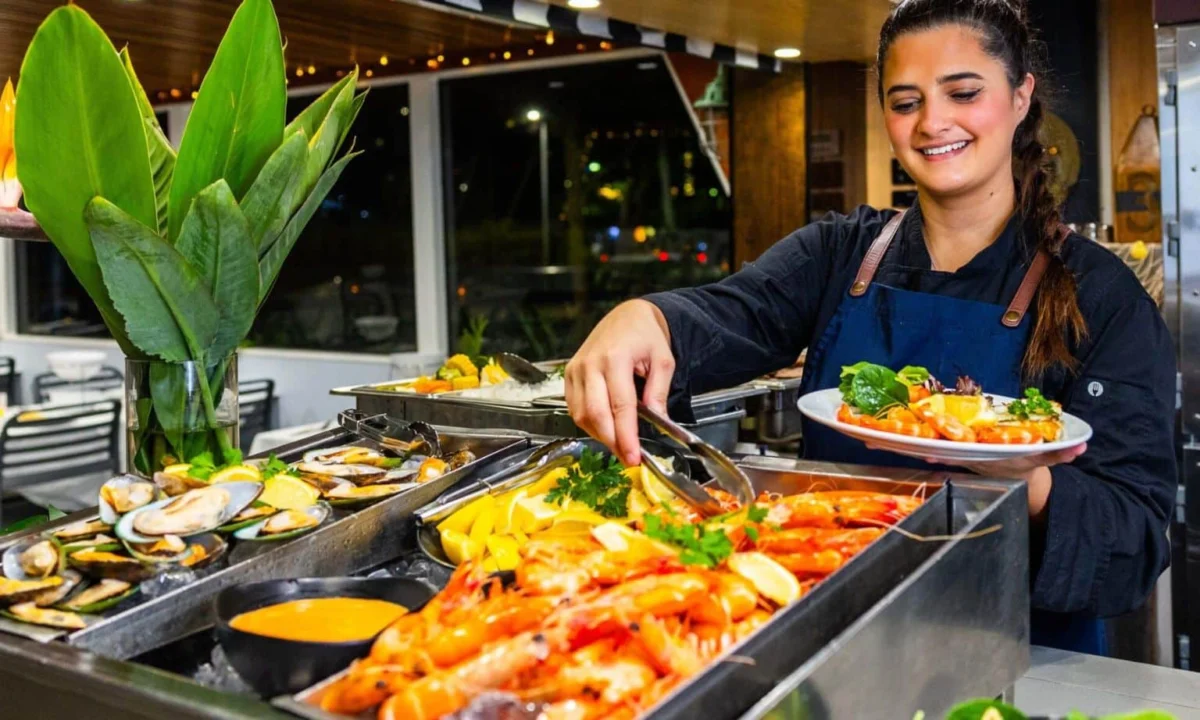
The quintessential cruise experience, for many, has long been intertwined with the indulgent allure of the buffet. However, the global COVID-19 pandemic, while prompting stringent hygiene protocols across the maritime industry, has inadvertently amplified pre-existing concerns regarding passenger behavior at these self-service dining venues. A growing chorus of cruise passengers, voiced through online forums and direct feedback to publications like Cruise Passenger, expresses significant unease over the perceived decline in buffet etiquette, with some suggesting that the actions of a minority are jeopardizing a cherished aspect of sea-bound vacations.
The advent of the pandemic saw cruise lines implement a raft of measures aimed at mitigating the spread of illness. These typically include the mandatory presence of staff at buffet entrances, equipped with sanitizing agents and tasked with serving food directly to passengers. Hand sanitizing stations are ubiquitous, and signage often encourages diligent handwashing. Despite these efforts, a persistent stream of anecdotal evidence suggests that the human element—specifically, the personal hygiene habits of fellow cruisers—remains a significant point of contention. Reports of passengers neglecting handwashing, coughing or sneezing near food, and handling serving utensils inappropriately have surfaced with alarming frequency, leading to a palpable sense of frustration among those who prioritize a clean and safe dining environment.
This discontent is not confined to hushed conversations on deck; it has found a prominent platform in online communities. A recent thread on the popular Reddit forum r/Cruise, titled "Some people absolutely ruined cruise buffets for me," became a focal point for these shared grievances. The discussion illuminated a spectrum of passenger behaviors that many find unacceptable. One widely shared sentiment articulated by a user stated, "Maybe unpopular but I kinda get why some cruise lines were experimenting with staff serving buffet food after Covid, because some of the stuff I’ve seen people do at cruise buffets is insane. People touching food then changing their mind, kids grabbing stuff with their bare hands, some guy coughing directly at the salad bar like he was trying to season it." This sentiment underscores a fundamental disconnect between the efforts of cruise lines and the observed actions of some passengers.
Further highlighting the perceived lack of personal responsibility, another Reddit user expressed bewilderment at passengers bypassing readily available hygiene facilities. "I’ll never understand how you can walk past a hand washing station, sanitiser, and a chipper staff member with a tambourine singing ‘wash your hands’ and still not wash your hands! Even when I was just going in for juice or my own ice cream cone. I still had to touch the dispensing button/knob. It’s no issue to take 20 seconds while you’re on vacation to make the world a little bit cleaner.” This observation points to a broader issue of awareness and a potential deficit in civic responsibility among a segment of the traveling public.
The Rise of Staff-Served Buffets and Passenger Preferences
In response to these concerns, several cruise lines have leaned into models that involve more direct staff intervention at the buffet. Holland America Line (HAL), for instance, has garnered specific praise for its predominantly staff-served buffet system. Passengers frequently cite HAL’s approach as a superior alternative, contributing to a more hygienic and pleasant dining experience. One passenger remarked, "Staff-served is the way. HAL mostly does that now, and it is so much better. We were on Princess recently, and compliance at the hand-washing stations was around two per cent. These gross people then touch the same utensils you do, and sometimes they touch the food directly. It’s very nasty. I have no tolerance for the ‘I prefer to serve myself’ crowd, as too many cruise people are absolute slobs.” This strong opinion reflects a significant portion of the passenger base that feels their own hygiene standards are being compromised by the carelessness of others. Another commenter reinforced this sentiment, stating, "HAL still serves you for the most part – I definitely prefer it that way.”
The shift towards staff-served buffets is not merely a post-pandemic trend; it represents an evolution in how cruise lines are attempting to balance passenger expectations for variety and convenience with the imperative of public health. Historically, the self-service buffet has been a cornerstone of the cruise dining experience, offering unparalleled choice and flexibility. However, the inherent nature of a shared food environment, coupled with the close proximity of passengers, presents a unique challenge for infection control. While cruise lines invest heavily in sanitation and operational protocols, the ultimate responsibility for preventing the spread of germs often rests with the individual.
Historical Context and Heightened Awareness
It is important to note that concerns about buffet hygiene are not entirely new. Even before the pandemic, anecdotal evidence and reports of norovirus outbreaks on cruise ships have periodically highlighted the potential for rapid transmission of illness in crowded dining settings. However, the global health crisis has undeniably amplified passenger awareness of hygiene practices. As one reader commented, "Some people have always been pigs at buffets as far as I can remember. The only difference now is that more people have a heightened awareness of who these pigs are after Covid and all the Norovirus outbreaks.” This suggests that while the behavior may not be entirely novel, the public’s scrutiny and sensitivity to such actions have significantly increased.
The sharing of "horror stories" further illustrates the depth of passenger unease. One particularly vivid account described a passenger who, after washing his hands upon entering the buffet, proceeded to sneeze into his hands, wipe them on his shirt, and then proceed to use the serving tongs. Such incidents, even if isolated, contribute to a pervasive atmosphere of distrust and concern about the cleanliness of shared utensils and food surfaces. This experience led the individual to adopt a personal protocol of washing hands both before and after visiting the buffet, recognizing that "Everyone touches those tongs/spoons.”
Strategies for a Safer Buffet Experience
In light of these ongoing concerns, seasoned cruisers have developed various strategies to mitigate their risk and enhance their dining experience. One common piece of advice is to strategically time buffet visits. "Try to go during ‘off hours’. It’s kind of annoying because sometimes you are just hungry, but it makes the experience tolerable. Meaning, during embarkation day, avoid at all costs. During lunch or dinner peak hours.” By avoiding peak times, passengers can potentially reduce crowd density and the likelihood of encountering individuals exhibiting poor hygiene.
However, for some, the buffet experience has become so fraught with anxiety that they opt for alternative dining options altogether. "I personally never find buffets on a cruise enjoyable. Mostly due to the crowds and food. Many ships now offer a sit down breakfast or lunch. Or a quick bite service with sandwiches and other filling items. So I kind of go out of my way to those places.” This highlights a growing segment of passengers who actively seek out less crowded and more controlled dining environments, underscoring a potential shift in passenger preferences away from the traditional buffet model.
For many, the avoidance is driven by a deep-seated concern about the actions of others, particularly concerning hand hygiene after using onboard facilities. "I avoid the buffet like the plague. Even if they don’t directly touch the food, I’ve seen far too many people leave the bathroom without washing, and then walk directly to the buffet. Those horrible hands are then touching the utensils which then I would touch. People suck sometimes.” This sentiment encapsulates the frustration and resignation felt by many who believe that individual responsibility is paramount in maintaining a safe and enjoyable environment for all.
Broader Implications and Industry Response
The ongoing discourse surrounding buffet hygiene on cruise ships has significant implications for the industry. Cruise lines face the delicate challenge of balancing the enduring popularity of buffets with the imperative to ensure passenger safety and satisfaction. The financial investment in enhanced hygiene protocols, the training of staff, and the potential redesign of buffet areas to favor staff-served models represent ongoing operational considerations.
Industry analysts suggest that passenger feedback on these matters is critically important. Cruise lines that successfully address these concerns, perhaps through a combination of effective communication, visible and consistent hygiene enforcement, and the continued adoption of more controlled serving methods, are likely to gain a competitive advantage. The data from passenger satisfaction surveys and online reviews will undoubtedly play a crucial role in shaping future dining strategies.
Furthermore, the heightened awareness of hygiene post-pandemic may lead to a permanent recalibration of passenger expectations. What was once considered an acceptable level of risk may now be viewed as a significant deterrent. This could push cruise lines to innovate further, exploring technologies or service models that offer the convenience and variety of a buffet with an even greater assurance of safety. The future of the cruise buffet, therefore, may lie in a hybrid approach that learns from past challenges while embracing new solutions to cater to the evolving demands of the modern traveler. The ongoing dialogue between passengers and cruise lines remains vital in navigating this evolving landscape, ensuring that the allure of the buffet does not become a casualty of passenger apprehension.




 Budi Mulyono
 Anjar Salim
 Tatiana Tantri Indah Sari

 Lukman Taruna Persada Ramadan