
 Susilo Edi Turonggo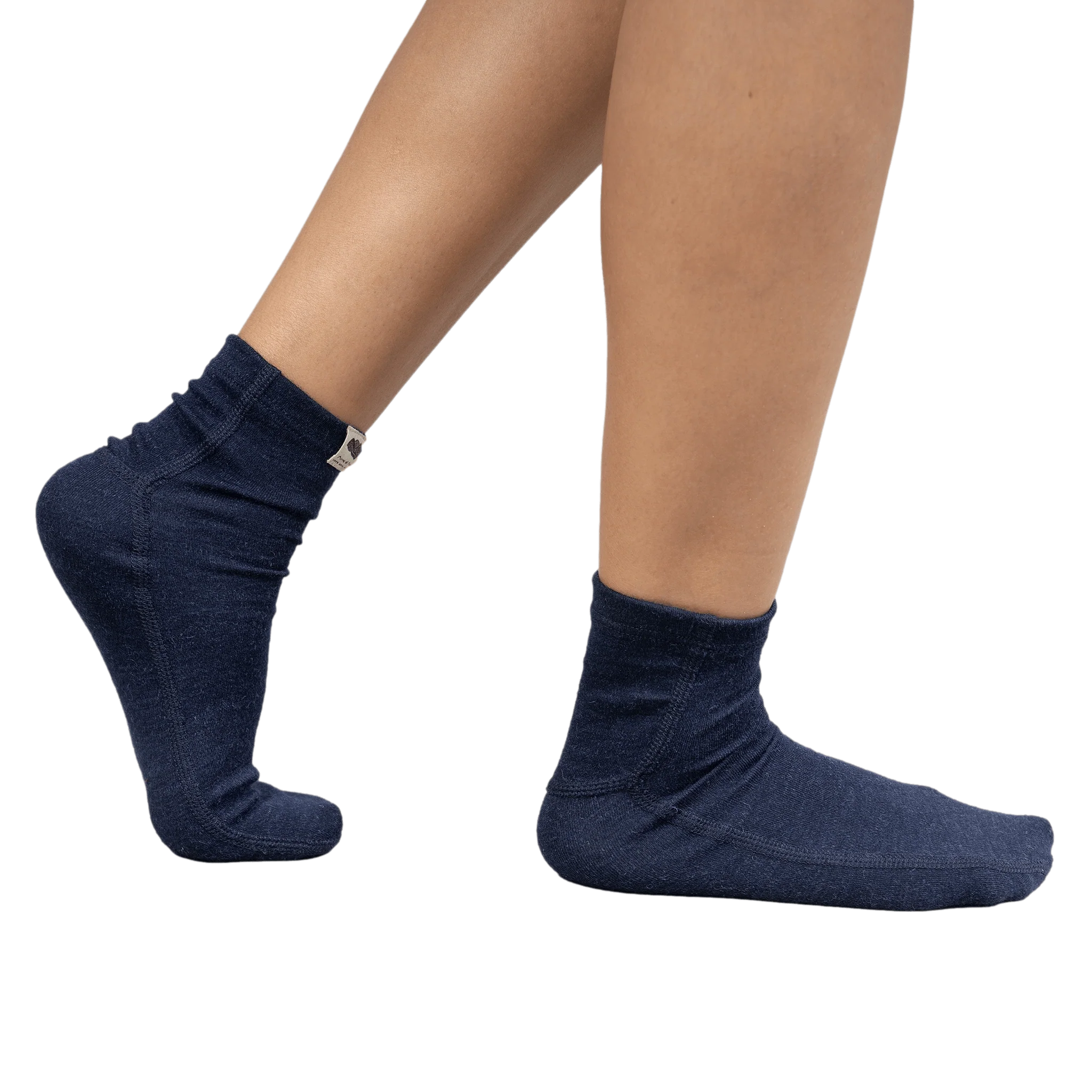
The seemingly innocuous sock, often overlooked in the daily wardrobe, is increasingly being recognized as a critical component influencing personal comfort, foot health, and environmental impact. A growing body of research and consumer awareness is highlighting potential concerns associated with conventional sock materials and dyeing processes, prompting a significant shift towards natural fibers, skin-safe dyes, and ethically produced alternatives. This evolving landscape is driven by a desire for enhanced well-being and a commitment to more sustainable consumption practices.
The Hidden Risks in Your Sock Drawer: Why Conventional Materials Matter
For decades, synthetic fibers like polyester, nylon, and acrylic have dominated the hosiery market dueo their durability, elasticity, and cost-effectiveness. However, these materials, often derived from petroleum, present several challenges. Plastic-based socks are notorious for trapping moisture and odors, creating an environment conducive to bacterial growth and unpleasant foot odor. Beyond immediate discomfort, concerns about the chemical treatments and dyes used in their production have come to the forefront.
A significant point of concern revolves around azo-benzene disperse dyes, commonly employed in coloring polyester and other synthetic textiles. These dyes have been identified as known skin sensitizers, capable of triggering allergic reactions such as contact dermatitis, characterized by itching, redness, and irritation. More alarmingly, studies have indicated that certain azo dyes can be carcinogenic when absorbed through the skin. This risk is particularly elevated in socks, where prolonged skin contact, especially in the presence of sweat, facilitates faster chemical migration and absorption. The skin, being the body’s largest organ, readily absorbs substances it comes into contact with, making the chemical composition of clothing an important consideration for overall health.
Beyond personal health, the production of synthetic fibers and the subsequent dyeing processes carry a substantial environmental footprint. The manufacturing of polyester, for instance, is energy-intensive and reliant on fossil fuels. Traditional dyeing methods are often water-intensive and can discharge significant amounts of untreated wastewater laden with hazardous chemicals, heavy metals, and dyes into local ecosystems, polluting rivers and affecting aquatic life. This ecological degradation underscores the need for more responsible manufacturing practices throughout the textile supply chain.
A Shift Towards Healthier Footwear: Understanding Non-Toxic Options
In response to these concerns, the textile industry and conscious consumers are increasingly advocating for and adopting non-toxic sock options. This movement prioritizes natural materials, safer dyeing techniques, and transparent, ethical supply chains.
Natural Fiber Revolution: The foundation of non-toxic socks lies in the careful selection of raw materials. For individuals with skin sensitivities or conditions like eczema, choosing socks made from 100% natural fibers is paramount. These fibers offer superior breathability, moisture management, and inherent hypoallergenic properties compared to their synthetic counterparts. While finding socks entirely free of synthetics can be challenging due to the need for elasticity (often provided by elastane or spandex), several brands are innovating to minimize or eliminate these components.
- Organic Cotton: A cornerstone of sustainable textiles, organic cotton is grown without synthetic pesticides, herbicides, or genetically modified organisms. It is known for its softness, breathability, and absorbency. Certifications like the Global Organic Textile Standard (GOTS) ensure that cotton is organic from seed to finished product, including environmental and social criteria.
- Merino Wool and Alpaca Wool: These natural animal fibers are highly prized for socks due to their exceptional properties. Both merino and alpaca are naturally odor-resistant, moisture-wicking, and temperature-regulating, keeping feet comfortable in various climates. Merino wool is often certified by the Responsible Wool Standard (RWS), which ensures animal welfare, including practices that prohibit mulesing—a painful procedure for sheep. Alpaca wool, known for its softness and lack of lanolin, is naturally hypoallergenic.
- Tencel, Linen, and Bamboo Viscose: These cellulosic fibers offer additional sustainable and comfortable alternatives. Tencel (lyocell) is derived from sustainably sourced wood pulp through a closed-loop process that recycles water and solvents. Linen, made from flax plants, is durable, breathable, and requires minimal water and pesticides. Bamboo viscose, while requiring chemical processing to extract fibers, is praised for its softness and moisture-wicking capabilities when processed responsibly. When considering blends, experts recommend opting for socks with a majority of natural fibers to maximize comfort and minimize potential irritation, even if a small percentage of recycled synthetics is included for durability or stretch.
The Importance of Non-Toxic Dyes and Finishes: The color of a sock should not come at the cost of health. For those sensitive to dyes, undyed socks, which embrace the natural hues of the fibers, offer the safest option. For colored socks, rigorous certifications provide assurance. Oeko-Tex Standard 100, for example, certifies that textiles and textile products are free from harmful substances at all stages of production. Similarly, bluesign certification ensures that manufacturing processes minimize environmental impact and that products are safe for consumers. Many conscientious brands also maintain a Restricted Substances List (RSL), demonstrating their proactive approach to chemical management and their commitment to avoiding hazardous substances in their products. This level of scrutiny goes beyond basic regulatory compliance, reflecting a dedication to consumer safety.
Ethical Manufacturing and Supply Chain Transparency: The journey of a sock from raw material to finished product involves numerous steps, each with potential social and environmental implications. A truly non-toxic and sustainable sock extends its commitment beyond materials and dyes to encompass ethical labor practices and supply chain transparency. Brands demonstrating traceability in their supply chains allow consumers to understand the origins of their products and verify fair working conditions. Certifications such as Fair Trade, Worldwide Responsible Accredited Production (WRAP), and B Corp signify a brand’s adherence to stringent social and environmental performance standards, including fair wages, safe workplaces, and community engagement.
Sustainable Packaging Initiatives: The final stage of a product’s journey to the consumer, packaging, also presents an opportunity for sustainable practices. While socks are small, their packaging can contribute significantly to waste. Brands committed to sustainability utilize compostable or biodegradable materials, recycled content, or easily recyclable packaging. Certifications from the Forest Stewardship Council (FSC) ensure that paper and cardboard components are sourced from responsibly managed forests, further reducing environmental impact.
Navigating the Market: Key Criteria for Selecting Safe Socks
For consumers seeking to transition to healthier and more sustainable footwear, understanding key criteria is essential.
Material Composition: Prioritize socks with a high percentage of natural fibers. While a small amount of elastane (typically 2-5%) is often necessary for fit and durability, look for brands that explicitly state their fiber breakdown. Brands like Cottonique and Arms of Andes stand out for offering 100% synthetic-free options, catering to individuals with extreme sensitivities. For those less sensitive, blends with recycled synthetics can offer a good balance of performance and environmental responsibility, provided natural fibers form the majority.
Certification Marks: These third-party verifications are crucial indicators of a brand’s commitment to non-toxic and ethical practices.
- Oeko-Tex Standard 100: Guarantees textiles are free from harmful substances.
- bluesign: Ensures sustainable textile production, minimizing environmental impact.
- GOTS (Global Organic Textile Standard): Certifies organic status of textiles from harvesting of raw materials through environmentally and socially responsible manufacturing.
- RWS (Responsible Wool Standard): Ensures the welfare of sheep and the land they graze on.
- Fair Trade: Guarantees fair wages, safe working conditions, and community development.
- WRAP (Worldwide Responsible Accredited Production): Promotes safe, lawful, humane, and ethical manufacturing.
- B Corp: Certifies businesses meeting high standards of verified social and environmental performance, public transparency, and legal accountability.
- FSC (Forest Stewardship Council): Certifies responsibly managed forests, often seen on paper packaging.
Brand Transparency: Reputable brands will openly share information about their sourcing, manufacturing locations, and certifications. This transparency empowers consumers to make informed choices and holds brands accountable for their claims. Websites often feature dedicated sections on sustainability, ethical practices, and supply chain mapping.
Leading the Charge: Brands Innovating in Non-Toxic Sock Production
A growing number of companies are making significant strides in producing socks that meet stringent health, environmental, and ethical standards.
Pioneers in Pure Fibers:
- Cottonique: Specializes in 100% synthetic-free, allergy-free apparel, working closely with dermatologists to ensure products are safe for highly sensitive skin. Their socks are latex-free, bleach-free, and feature covered seams to prevent irritation, sourcing organic cotton from India and manufacturing in the Philippines.
- Arms of Andes: Distinguishes itself by offering 100% alpaca fiber slipper socks, entirely free of synthetics. Sourced from free-range alpacas, these Oeko-Tex-certified socks are lightweight, well-insulated, soft, and moisture-wicking, with production closely tied to co-op farmers in the Andes.
Organic Cotton Champions:
- Harvest & Mill: Known for its dye-free organic cotton socks in natural colors. Their commitment to a shortened supply chain is evident as cotton is grown, spun, and knit in the U.S. They also repurpose or recycle all excess fabric and use compostable packaging.
- Subset (formerly Knickey): This Brooklyn-based, PFAS-free brand produces Fair Trade and Oeko-Tex-certified organic cotton socks. Their transparent supply chain sees cotton grown, ginned, spun, dyed, and sewn on an organic farm in India. While some pairs contain 24% synthetics, the elastic in the cuff is well-embedded, minimizing skin contact.
- Kotn: A certified B Corp, Kotn builds direct relationships with local Egyptian cotton farmers, ensuring fair prices. Their organic cotton socks are dyed with Oeko-Tex-certified dyes, boast a fully traceable supply chain, and use recycled and recyclable packaging.
- Quinn: Designing garments for individuals with eczema, Quinn offers GOTS-certified organic cotton non-toxic socks, including dye-free, lightweight, and mid-weight options. Designed in Canada and ethically made in Oeko-Tex-certified factories in Portugal and Sri Lanka.
- Cariloha: A certified B Corp offering hypoallergenic socks made from bamboo viscose and organic cotton. Their Oeko-Tex and Fair Trade-certified bamboo is sourced from China, and they utilize FSC-certified paper packaging.
- Dedicated: This brand creates Fair Trade organic cotton socks featuring bold patterns. Their cotton suppliers are WRAP-certified, and manufacturing locations are transparently shared on product pages. Note that some socks contain up to 25% elastane.
Wool and Alpaca Innovators:
- Paka: A certified B Corp that crafts durable, lightweight socks primarily from alpaca wool and Tencel. Their moisture-wicking and odor-resistant socks are dyed with Oeko-Tex-certified dyes and spun by Peruvian artisans, with a commitment to biodegradable and compostable packaging. Some of their socks contain up to 50% recycled synthetics, providing durability suitable for activities like hiking.
- Darn Tough: Made in Vermont, these socks are known for comfort and durability. They utilize RWS-certified merino wool in a variety of colorful styles, Oeko-Tex-certified materials, and a restricted substances list for testing. Packaging incorporates FSC-certified recycled paper, compostable bags, and vegetable-based inks. It is important to note that their socks may contain up to 50% synthetics for enhanced performance and longevity.
Sustainable Blends and Eco-Conscious Manufacturing:
- Boody: This Sydney-based brand produces a range of socks using Oeko-Tex-certified organic bamboo viscose from India, organic cotton, and recycled nylon. Boody upholds a code of conduct and partners with WRAP-certified facilities in China, Vietnam, and India.
- Nisolo: While primarily known for leather shoes, this certified B Corp also offers a line of socks made in a family-owned mill in North Carolina. They use upcycled cotton, linen, wool, and recycled polyester, trace their supply chain, and aim to pay a living wage to all workers. Packaging is made with recycled materials. Consumers should be aware that some of their socks contain up to 70% synthetics.
- Swedish Stockings: This brand specializes in knee-highs and ankle socks, crafted in Italy from Oeko-Tex-certified materials, including bamboo viscose, organic cotton, organic wool, recycled polyester, and virgin and recycled elastane. While offering sustainable choices, some of their socks are fully synthetic.
The Broader Implications: A Healthier Footwear Future
The growing demand for non-toxic and ethically produced socks is indicative of a broader trend towards more conscious consumerism. This shift is not merely about individual preferences but represents a significant force driving change within the global textile industry.
Consumer Empowerment: Informed consumers are increasingly powerful agents of change. By prioritizing products with transparent sourcing, natural materials, and recognized certifications, individuals send a clear market signal, compelling brands to adopt more responsible practices. This empowerment extends beyond personal health benefits, contributing to a healthier planet.
Industry Trends and Corporate Responsibility: The textile industry is responding to this demand by investing in sustainable innovations, from developing new eco-friendly fibers to implementing closed-loop manufacturing processes and safer dyeing technologies. Many brands are moving towards greater transparency, recognizing that it builds trust and loyalty. According to recent market analyses, the global market for sustainable textiles is projected to grow significantly in the coming years, driven by consumer awareness and regulatory pressures.
Long-term Health and Environmental Benefits: The widespread adoption of non-toxic socks and other sustainable apparel has profound long-term implications. Reducing exposure to harmful chemicals through everyday items like socks can mitigate risks of skin irritation, allergic reactions, and potentially more severe health issues. Environmentally, the shift away from synthetic fibers and chemical-intensive dyeing processes leads to reduced water pollution, lower energy consumption, and a decrease in landfill waste as natural fibers are biodegradable.
In conclusion, the journey toward a non-toxic sock drawer is a testament to the power of mindful consumption. By choosing socks made from natural fibers, processed with skin-safe dyes, and produced ethically, consumers are not only investing in their own comfort and health but also contributing to a more sustainable and responsible global textile industry. The choice of what we wear, right down to our feet, is a subtle yet significant act of advocating for a healthier future.


 Budi Mulyono
 Anjar Salim
 Chandra Hamzah
 Tatiana Tantri Indah Sari

 Lukman Taruna Persada Ramadan