
 Susilo Edi Turonggo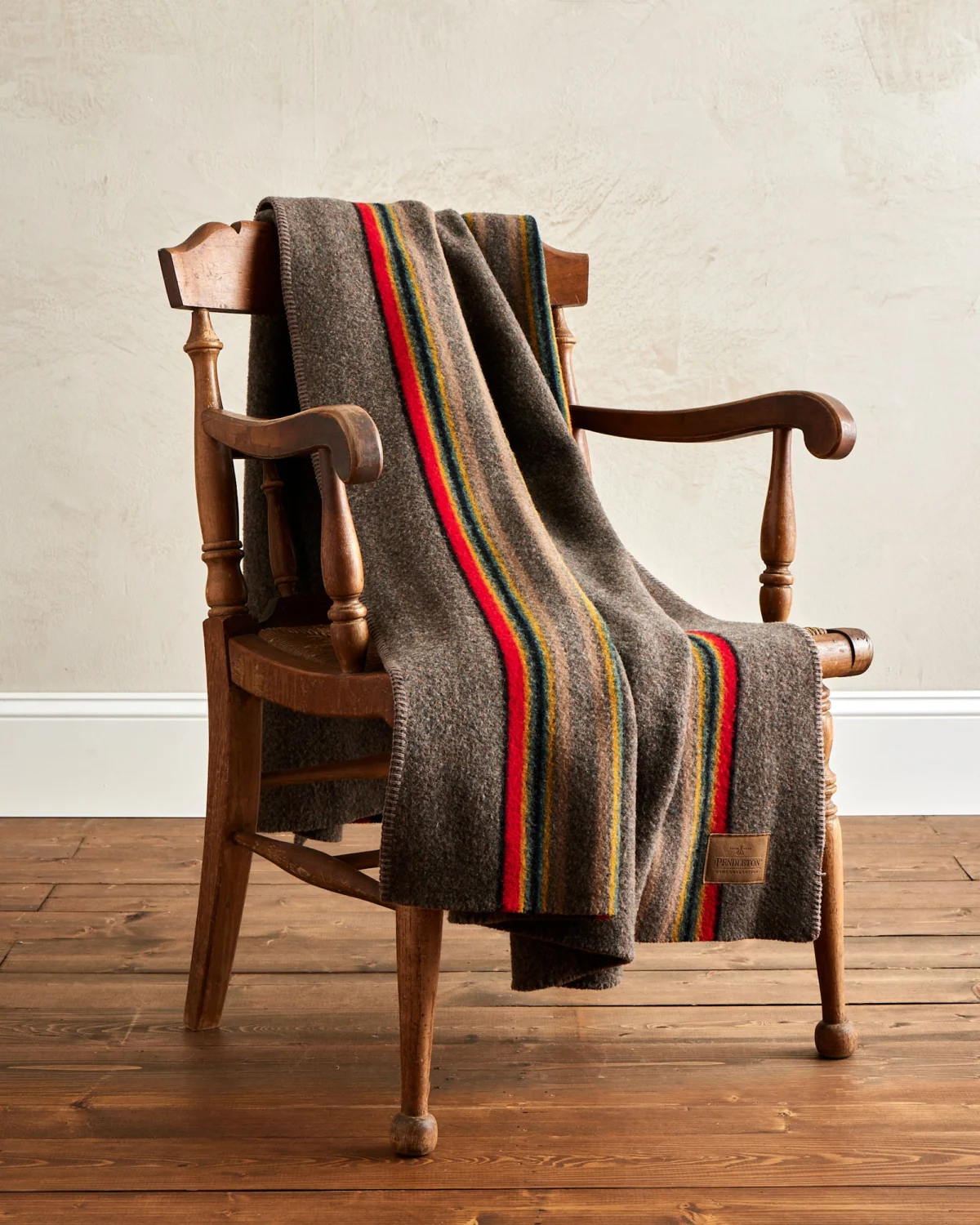
The pursuit of comfort, particularly during colder months or for moments of relaxation, often leads consumers to the warmth of a cozy blanket. However, a growing segment of the market is redefining what "cozy" truly means, extending beyond mere physical warmth to encompass ethical sourcing, environmental stewardship, and human health. This shift reflects an increasing awareness among consumers regarding the profound impact of textile production on the planet and its people, prompting a demand for well-made, long-lasting blankets that align with values of sustainability and social responsibility. The market for home textiles, including blankets, is currently experiencing a significant transformation, driven by a confluence of environmental concerns, evolving consumer preferences, and a greater emphasis on supply chain transparency.
The Environmental and Health Imperative Behind Sustainable Textiles
The conventional textile industry, a behemoth in global manufacturing, has long been associated with significant environmental degradation and potential health risks. The production of synthetic textiles, such as those derived from petroleum-based plastics like polyester, relies heavily on fossil fuels, contributing to greenhouse gas emissions. Furthermore, the dyeing processes for these materials frequently employ immuno-sensitizing azo-benzene disperse dyes. These chemical compounds, while effective in imparting vibrant colors, can pose direct health risks, potentially causing skin reactions upon prolonged contact. Beyond direct skin exposure, these hazardous substances can shed micro-particles into household dust, where they can be inhaled or ingested, posing risks to occupants, particularly children.
Water pollution is another critical concern. Textile dyeing and finishing often involve copious amounts of water and discharge untreated effluent laden with chemicals, heavy metals, and dyes into local water bodies, devastating aquatic ecosystems and impacting human communities reliant on these sources. Microplastic pollution, originating from the washing of synthetic textiles, is increasingly recognized as a global environmental crisis, with tiny plastic fibers entering waterways and ultimately the food chain.
In response to these pressing issues, the demand for natural fibers and non-toxic processing has surged. Natural fibers like organic cotton, alpaca, merino wool, linen, Tencel (a regenerated cellulosic fiber), and hemp offer compelling alternatives. Organic cotton, for instance, is cultivated without synthetic pesticides, herbicides, or genetically modified organisms, significantly reducing agricultural chemical runoff and improving soil health. Alpaca and merino wool are renewable resources known for their warmth, breathability, and natural odor resistance, often requiring less frequent washing and thus conserving water and energy. Linen, derived from the flax plant, is highly sustainable, requiring minimal water and pesticides. Hemp is another resilient crop that thrives without extensive chemical inputs and offers exceptional durability. Tencel, manufactured from wood pulp using a closed-loop system, boasts a remarkably low environmental footprint compared to traditional rayon.
To ensure that the dyes and finishes applied to these natural fibers are also non-toxic, consumers and brands increasingly rely on stringent certifications. Oeko-Tex Standard 100, for example, certifies that textiles and textile products are free from harmful substances at all stages of production. Bluesign, a more comprehensive standard, goes further by ensuring sustainable production processes across the entire supply chain, from raw materials to finished products, minimizing environmental impact and protecting worker safety. The Global Organic Textile Standard (GOTS) is another vital certification, ensuring the organic status of textiles from harvesting of the raw materials through environmentally and socially responsible manufacturing, up to labeling.
The Economic and Social Dimensions: Durability and Ethical Production
Beyond environmental considerations, the longevity of a textile product plays a crucial role in its overall sustainability profile. "Fast fashion" and its equivalent in home goods often lead to a cycle of frequent replacement, increasing waste and resource consumption. Investing in well-made, durable blankets designed with timeless aesthetics counters this trend, promoting a "slow consumption" mindset. Brands that prioritize quality materials and construction ensure their products can withstand years of use, reducing the need for premature disposal. Wool blankets, for instance, are naturally resilient, anti-odor, and often require less frequent washing compared to their synthetic counterparts, contributing to their extended lifespan and reduced resource consumption over time.
The social dimension of textile production is equally critical. The global supply chain for textiles has historically been marred by exploitative labor practices, including low wages, unsafe working conditions, and child labor. The rise of conscious consumerism has brought these issues to the forefront, compelling brands to adopt more transparent and ethical supply chains. Many brands are now committed to fostering direct, long-standing relationships with artisans and manufacturers, ensuring fair wages, safe and healthy working environments, and respect for cultural heritage and traditional craftsmanship.
Certifications such as Fair Trade USA and the World Fair Trade Organization (WFTO) serve as benchmarks for ethical sourcing. Fair Trade certification ensures that producers receive a fair price for their goods, workers are afforded safe conditions and fair compensation, and sustainable environmental practices are upheld. WFTO, specifically focused on fair trade enterprises, guarantees that member organizations are fully committed to fair trade principles across their entire operations. These certifications provide consumers with verifiable assurance that their purchases support equitable trade practices and empower communities.
Leading the Charge: Brands Championing Sustainable Comfort
Several brands are at the forefront of this movement, demonstrating a commitment to ethical sourcing, sustainable materials, and responsible manufacturing practices. Their approaches vary, but a common thread is their dedication to offering high-quality, long-lasting blankets that resonate with conscious consumers.
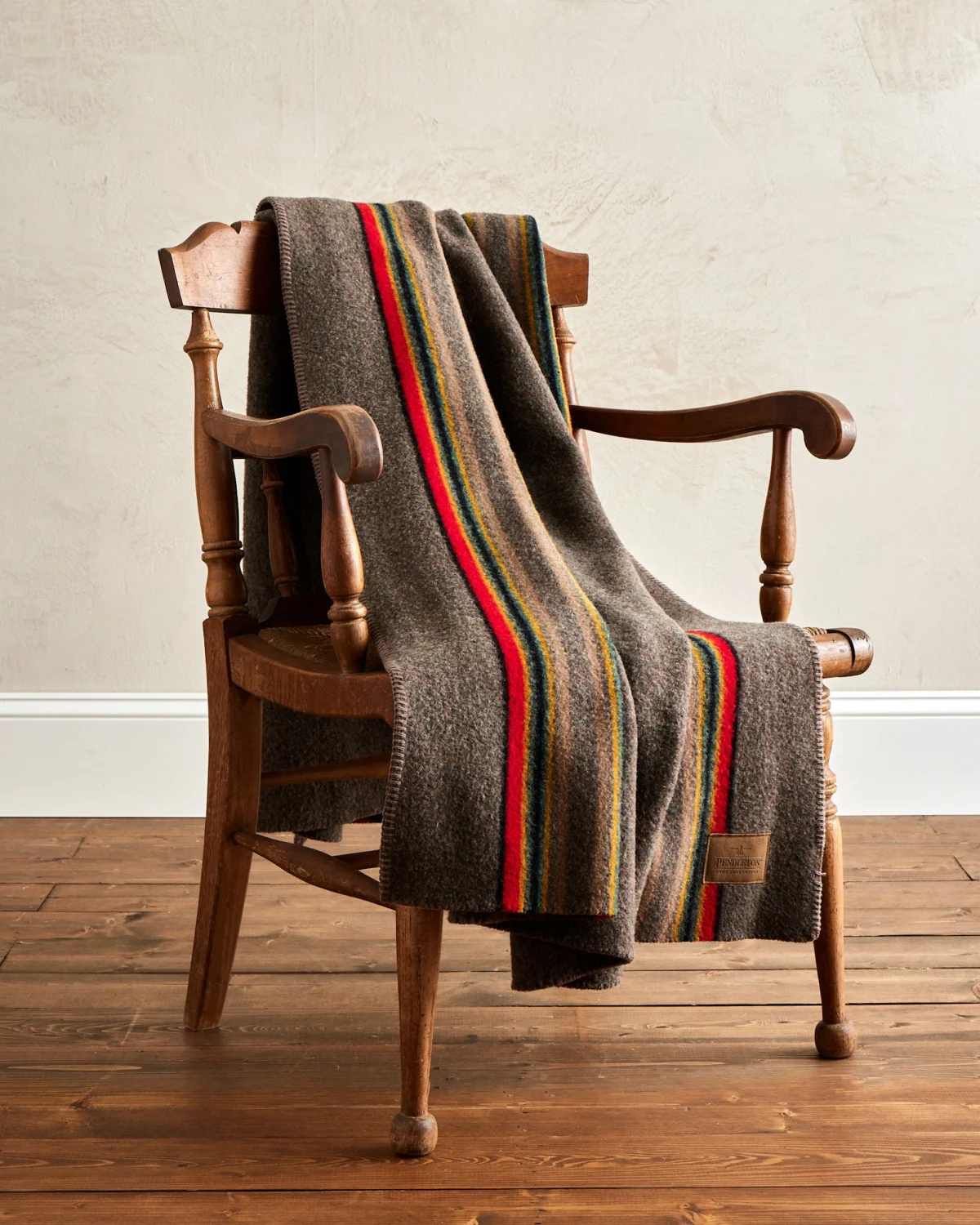
One venerable institution in this space is Pendleton, with a legacy dating back to 1909. Operating two of the few remaining woolen mills in the U.S., Pendleton oversees the entire process from scouring and dyeing to spinning, weaving, and hand-finishing wool and cotton for its Oeko-Tex-certified blankets. The brand is renowned for its deep, long-standing relationships with local wool farmers and indigenous artists, whose iconic patterns are meticulously woven on looms, preserving traditional artistry and ensuring fair compensation for cultural contributions. Their commitment to domestic production and heritage craftsmanship sets a high standard for quality and traceability.
Minna, a certified B Corp and queer-led business based in Upstate New York, exemplifies the fusion of ethical production with contemporary design. Their blankets, featuring abstract patterns and minimalist aesthetics, are handmade in small batches from alpaca, Oeko-Tex-certified cotton, and merino wool. Minna prioritizes building direct relationships with artisan partners in Central and South America, going so far as to list the specific artisan responsible for each blanket on their product pages—a powerful testament to their commitment to transparency and empowering individual craftspeople.
Similarly, April Notes focuses on soft, earth-friendly home linens. Their collection of blankets, crafted from linen, cotton, and merino wool, is certified free of harmful chemicals and synthetic dyes, offering naturally breathable and hypoallergenic options. A distinctive aspect of their model is on-demand production, which significantly minimizes textile waste and overproduction—a critical strategy in reducing the environmental footprint of manufacturing. They collaborate closely with a boutique atelier in Lithuania, upholding high standards of craftsmanship and ensuring fair wages and safe working conditions.
Avocado Green Mattress, a certified B Corp based in Los Angeles, known primarily for its mattresses, also extends its sustainable ethos to throw blankets. Utilizing Oeko-Tex-certified organic cotton, alpaca wool, cashmere, merino wool, and recycled cotton, Avocado demonstrates a versatile approach to material sourcing. Notably, some of their alpaca wool throws feature naturally occurring colors, eliminating the need for dyes, while others use azo-free dyes. Their supply chain, including wool sourcing from Northern India, undergoes regular audits to ensure compliance with ethical and environmental standards.
Coyuchi is a pioneer in organic and sustainable home goods, setting a benchmark for minimal environmental impact. Their blankets are crafted from organic cotton and wool sourced from India, and woven in Fair Trade-certified factories located in Turkey, Portugal, and Germany. Coyuchi’s commitment to transparency is further evidenced by resources like their comprehensive "blanket guide," designed to educate consumers and help them make informed choices.
Savvy Rest, another certified B Corp in the bedding sector, offers organic cotton dye-free blankets ranging from throw to king sizes. A significant highlight of Savvy Rest’s model is its commitment to local production, with cotton grown and woven into blankets entirely within the United States, supporting domestic agriculture and manufacturing.
Under the Canopy emphasizes intentional designs built to last. Their blankets are produced in India, Pakistan, Turkey, and China, utilizing Oeko-Tex-certified low-impact dyes. They source merino wool from Argentina and organic cotton from Turkey, demonstrating a global yet conscious approach to material acquisition and manufacturing.
Boll & Branch, a Fair Trade Certified bedding company, places a strong emphasis on non-toxic processes to create safe and soft blankets. Their throws are made by artisans in India, Turkey, and Pakistan using traceable, Oeko-Tex-certified organic cotton and alpaca, highlighting a commitment to both material purity and ethical labor practices across their international supply chain.
Bearaby specializes in weighted blankets, recognizing their therapeutic benefits for sleep and anxiety, but also offers comfortable, lightweight throws. Their innovative material choices include Tencel from Austria, organic cotton from India, and Oeko-Tex-certified recycled polyester, showcasing a blend of natural and responsibly recycled fibers to create blankets in various weights and sizes.
Cold Picnic transforms home goods into art pieces, utilizing domestically-sourced, Oeko-Tex-certified recycled cotton for many of its blankets. Designed in Brooklyn and produced in small batches by a family-owned company in the U.S., their approach supports local industry. They also feature quilts handmade by artisans in India, demonstrating a blend of domestic and international artisan collaboration. However, the brand advises consumers to check material details as some blankets may contain polyester.
Parachute, a direct-to-consumer brand, focuses on quality and durable home goods with a timeless modern design. Their blankets are made with Oeko-Tex-certified materials, including cotton, alpaca wool, and linen. They partner with Fair Trade manufacturers in Portugal and Turkey, maintaining an ethical supply chain. Like Cold Picnic, Parachute advises consumers to review material details, as some blankets may contain a small percentage of polyester.
The Citizenry, a Fair Trade brand, offers warm and lightweight blankets, quilts, and throws crafted from ethically sourced, Oeko-Tex-certified materials such as alpaca wool, mohair, linen, and cotton. Their commitment to transparency is notable, as they list all their international partners and specify where each blanket was handwoven or loomed on their product pages, offering a direct connection to the origins of each piece. They also recommend checking for small polyester content in some items.
Finally, Made Trade operates as an online marketplace that rigorously vets every product for sustainability and transparency. This platform empowers consumers to shop by their specific values, allowing them to filter for blankets that are USA Made, handcrafted, or Fair Trade, or to select preferred materials like cotton, recycled polyester, hemp, linen, and merino and alpaca wool. This comprehensive approach to categorization and vetting provides a valuable resource for navigating the complex landscape of sustainable home goods, though it also prompts consumers to use filter settings to avoid synthetics if preferred.
Broader Impact and Future Implications
The collective efforts of these brands and the growing consumer demand they serve are indicative of a broader transformation within the home goods industry. This shift is not merely a trend but a fundamental re-evaluation of production processes, material sourcing, and labor ethics. The increasing prevalence of certifications like Oeko-Tex, bluesign, GOTS, and Fair Trade reflects a maturing industry where accountability and transparency are becoming non-negotiable standards.
However, challenges remain. Ensuring complete traceability across complex global supply chains, particularly for raw materials, requires continuous innovation and diligent oversight. Educating consumers on the nuances of sustainability and helping them discern genuinely ethical products from "greenwashing" claims is also an ongoing endeavor. Furthermore, scaling sustainable practices to meet mainstream demand without compromising quality or ethical standards presents a significant hurdle.
Looking forward, the trajectory suggests a future where sustainable and ethical considerations are not niche preferences but integral components of product development and consumer choice. The emphasis on durable, timeless designs contributes to a circular economy, reducing waste and extending product lifecycles. As technology advances and consumer awareness deepens, the market for conscious comfort is poised for continued growth, ultimately contributing to a more responsible and equitable global textile industry. The cozy blanket, once merely a source of warmth, is now increasingly a statement of values, reflecting a commitment to personal well-being, environmental health, and social justice.



 Anjar Salim
 Chandra Hamzah
 Tatiana Tantri Indah Sari
 Budi Mulyono
 Lukman Taruna Persada Ramadan
