
 Budi Mulyono
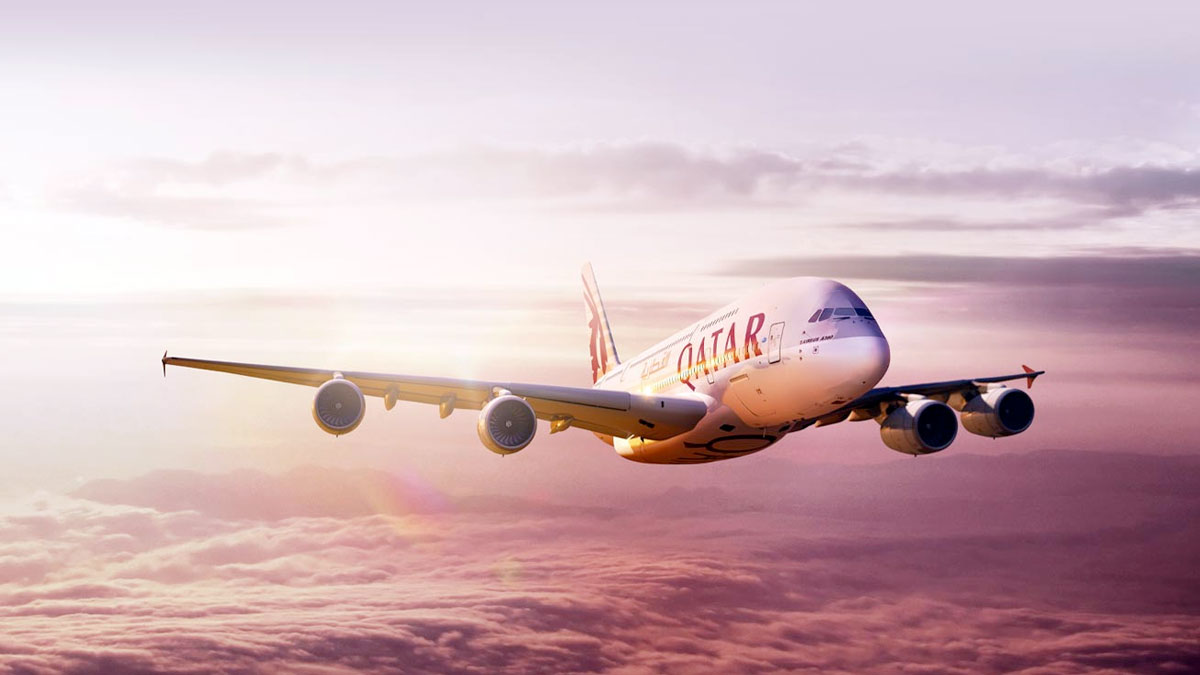
Qatar Airways has initiated a significant retrenchment of its Airbus A380 operations, signaling a strategic shift that will see the double-decker "superjumbo" withdrawn from several key markets, including Australia and China. According to recent schedule filings from AeroRoutes, the Doha-based carrier is concentrating its remaining A380 capacity on a limited number of high-yield corridors, specifically London Heathrow and Bangkok. These changes, slated for the period between June 16 and September 15, 2026, reflect a broader industry trend where Gulf carriers are recalibrating their networks in response to persistent geopolitical instability in the Middle East, rising operational costs, and the need for greater fleet flexibility.
The decision to pull the A380 from Australian routes represents a notable blow to long-haul travelers. For over a decade, the A380 has been the flagship of the "Kangaroo Route" connecting Oceania to Europe via the Middle East. Beyond its sheer size, the aircraft is prized by premium passengers for its spacious cabin architecture, lower cabin altitude, and, crucially, the presence of a dedicated First Class cabin—a feature increasingly rare in Qatar Airways’ younger fleet of Boeing 787 Dreamliners and Airbus A350s.
The Geopolitical Catalyst: Rebuilding Under Pressure
The restructuring of Qatar Airways’ network is not occurring in a vacuum. The airline has faced a series of operational hurdles stemming from regional conflicts, including the ongoing tensions involving Iran and the wider Middle East. These disruptions have forced the carrier to navigate a complex web of airspace closures and "dedicated corridors" coordinated with the Qatar Civil Aviation Authority.
The financial toll of these disruptions is evident in the airline’s recent performance metrics. Qatar Airways reported an annual net profit decline of more than 7%, a dip attributed largely to the logistical costs of rerouting flights and the thousands of cancellations necessitated by regional instability. When airspace over traditional flight paths is restricted, airlines must fly longer, more circuitous routes. For a four-engine aircraft like the A380, these detours significantly increase fuel consumption compared to more efficient twin-engine models like the Boeing 777-300ER or the A350-1000.
Operational updates from the carrier warn that schedules remain fluid. The airline’s reliance on specific, narrow flight corridors means that any further escalation in regional conflict could lead to immediate schedule changes or further suspensions. As of May 2026, filings suggest Qatar is operating at approximately 85% of its previously projected capacity, with several destinations, including Canberra, remaining suspended as the airline prioritizes its most profitable "trunk" routes.

Etihad Airways: A Parallel Strategy in Abu Dhabi
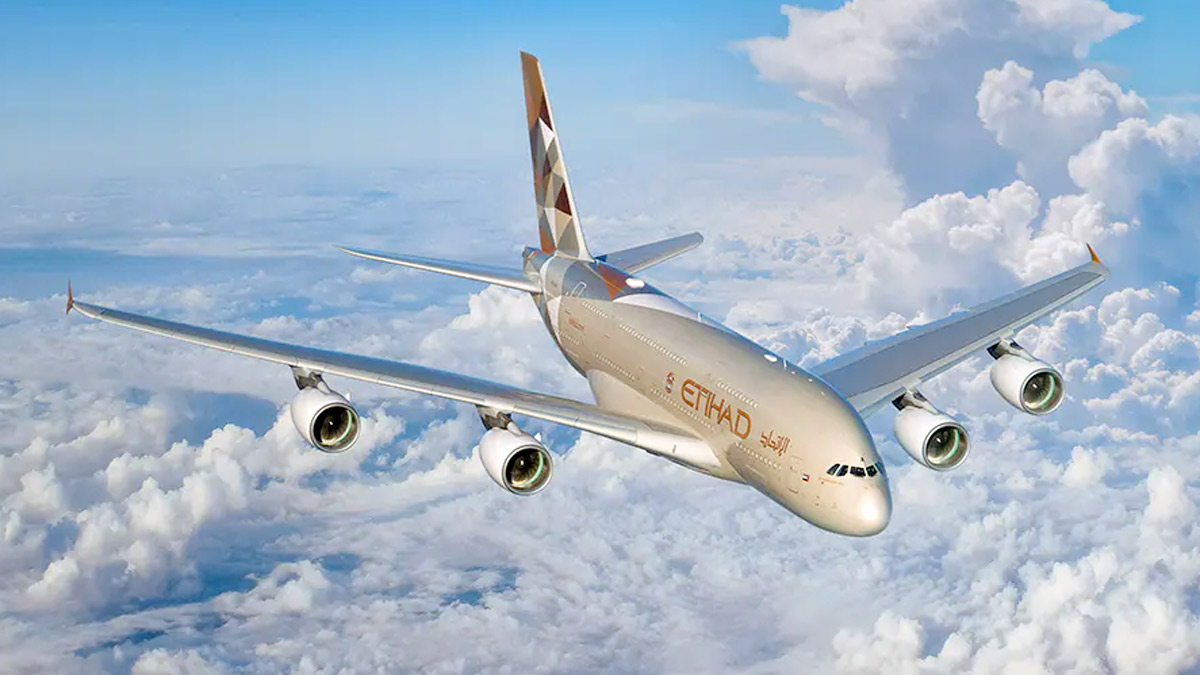
Qatar Airways is not alone in its strategic pivot. Neighboring Etihad Airways is engaged in a similar "chessboard" maneuver with its own A380 fleet. In a move that mirrors Qatar’s withdrawal from Australia, Etihad has altered its plans for the Abu Dhabi to Singapore route. While the airline had previously intended to deploy the A380 to the Southeast Asian city-state, it has instead filed for a "capacity haircut," substituting the superjumbo with Boeing 787-9 Dreamliners from July through late October.
The impact of this equipment swap is stark. An Etihad A380 typically carries between 484 and 494 passengers, whereas the Boeing 787-9 is configured with only 226 seats. For Business Class travelers, the reduction is even more pronounced: the A380 offers 70 premium seats compared to just 28 on the Dreamliner. This represents a nearly 60% reduction in premium capacity on a route that serves as a vital link for corporate travel and high-end tourism.
However, the A380 is not disappearing from Etihad’s network entirely. Like Qatar, Etihad is chasing yield and prestige in Europe. The airline is redeploying its superjumbos to Paris Charles de Gaulle, which will see double-daily A380 service this summer. Other prioritized routes include London Heathrow, Tokyo Narita, and Toronto. This redistribution of assets suggests that while the A380 remains a powerful marketing tool and a high-capacity workhorse, its utility is being narrowed to specific global financial hubs where the demand for First Class and high-volume Business Class can justify its higher operating costs.
Technical and Economic Drivers of the Fleet Shift
The Airbus A380, while a passenger favorite, presents unique challenges in a volatile market. As a four-engine aircraft, its break-even load factor—the percentage of seats that must be sold to cover the cost of the flight—is significantly higher than that of modern twin-engine aircraft. In an environment where fuel prices are unpredictable and flight paths are lengthened by geopolitical detours, the A380 becomes a financial liability on all but the highest-demand routes.
Furthermore, the A380 fleet requires specialized maintenance and ground handling infrastructure. By concentrating the aircraft on a smaller number of routes (Doha-London and Doha-Bangkok for Qatar; Abu Dhabi-London, Paris, and New York for Etihad), the airlines can streamline their ground operations and maintenance schedules. This concentration reduces the risk of an "AOG" (Aircraft on Ground) event in a remote outstation where spare parts for the superjumbo might be scarce.
The Impact on Australian and International Travelers
The withdrawal of the A380 from the Australian market creates several challenges for travelers, particularly those accustomed to the premium experience.
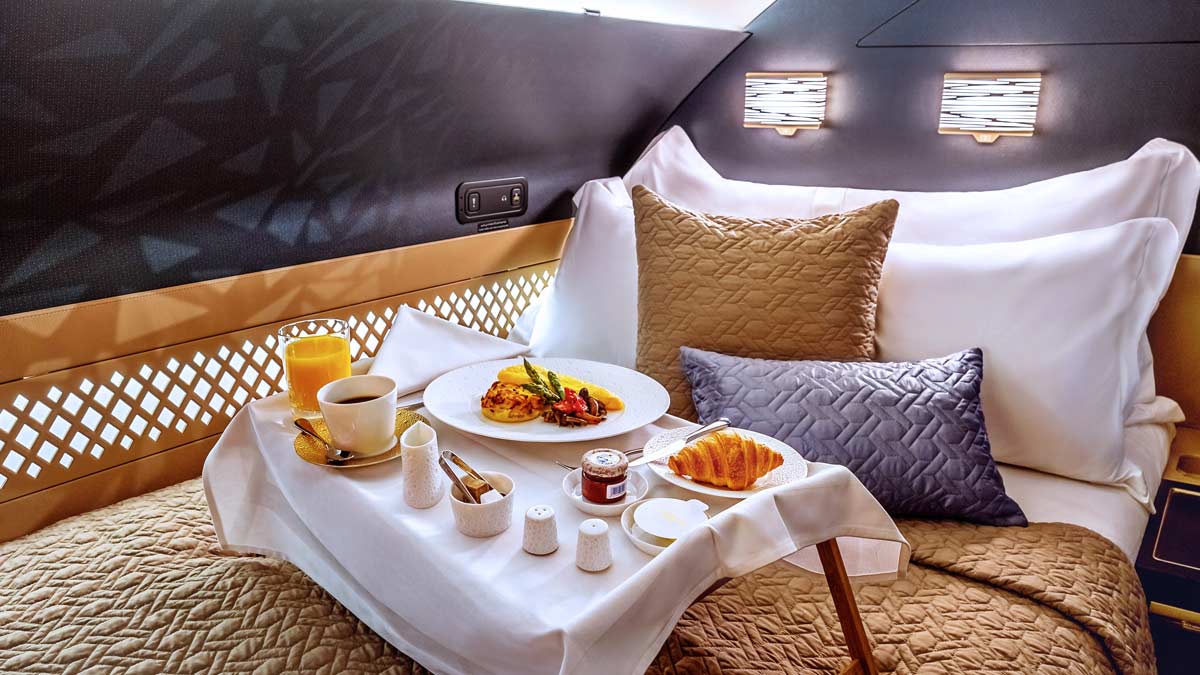
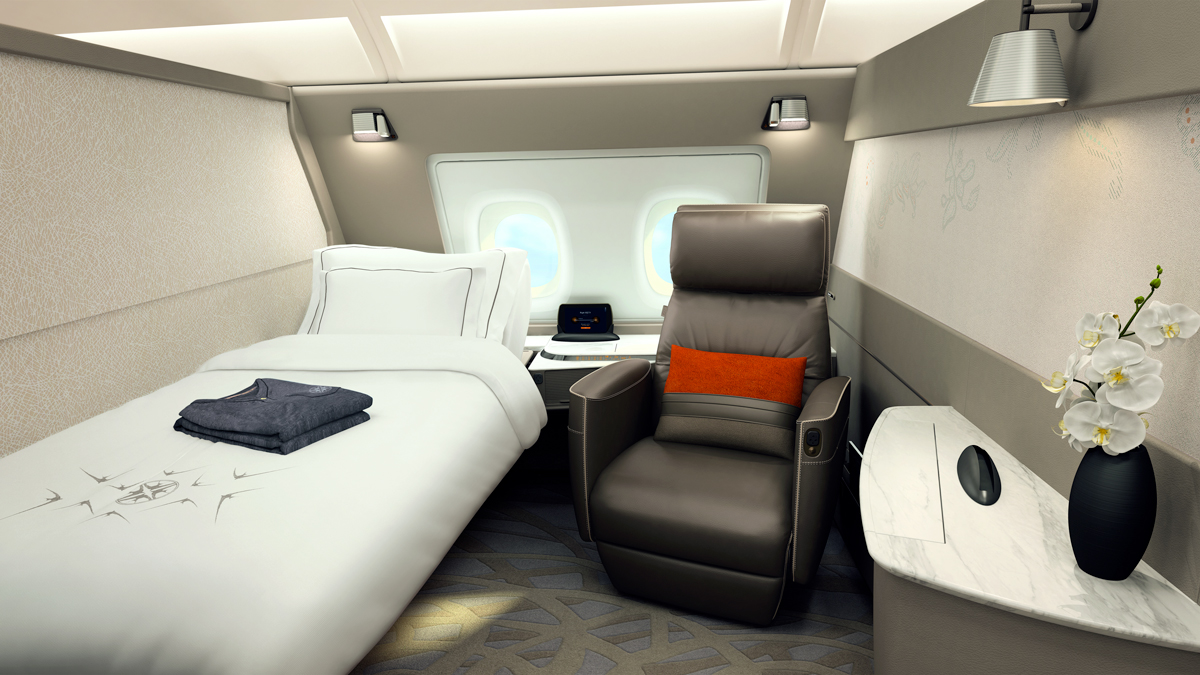
- The Loss of First Class: On many Gulf carriers, the A380 is the only aircraft in the fleet to feature a true First Class cabin. When a route is downgraded to a Boeing 777 or 787, First Class is often removed entirely, leaving Business Class as the highest tier of service. For travelers who spend significant sums or use large volumes of frequent flyer points for the "First" experience, this is a major downgrade.
- Reduced Award Availability: With fewer seats overall—and specifically fewer premium seats—the availability of "Classic Reward" seats and upgrade opportunities will likely tighten. Frequent flyers may find it increasingly difficult to redeem points for travel between Australia and Europe via the Gulf hubs.
- The "Aircraft Lottery": As schedules become more fluid, the risk of an eleventh-hour equipment swap increases. A passenger may book a flight specifically for the A380’s onboard lounge or the Qatar QSuite (available on some 777s and A350s) only to find themselves on an older aircraft with an inferior cabin product.
Competitive Landscape: The Singapore and Melbourne Exception
While the Gulf carriers are pulling back, other players are stepping in to fill the A380 void in the Asia-Pacific region. Singapore Airlines (SIA) remains a committed operator of the type, recently adjusting its schedules to maintain A380 service to Melbourne. This move positions Melbourne as a rare stronghold for superjumbo enthusiasts in Australia, even as Sydney and other cities see a shift toward smaller widebody aircraft.
Emirates, the world’s largest A380 operator, continues to maintain the most robust superjumbo network. However, even Emirates has been forced to be more selective, utilizing Boeing 777-300ERs on several Singapore frequencies while reserving the A380 for its most heavily trafficked slots. The volatility of the Singapore market—which serves as a primary transit point for Australians—highlights the fragility of A380 planning in the current era.
Chronology of Network Adjustments (2021–2026)
- January 2021: Qatar Airways sees a brief period of operational relief as Saudi Arabian airspace reopens after a three-year blockade, allowing for more direct routes to Africa and Europe.
- 2023–2024: Regional tensions in the Middle East escalate, leading to frequent airspace closures over Iran, Iraq, and Jordan. Airlines begin implementing "corridor" flying, increasing flight times.
- May 2026: AeroRoutes filings reveal Qatar Airways’ intention to limit A380 service to just two primary destinations for the mid-year peak season.
- July 2026: Etihad Airways’ planned capacity reduction on the Singapore route takes effect, replacing the A380 with the 787-9.
- Late 2026: Projections suggest a continued reliance on twin-engine efficiency, with Qatar Airways and Singapore Airlines both expected to debut new cabin products on the A350 and 777X to compensate for the aging A380 fleets.
Future Implications for Global Aviation
The reshuffling of the A380 is a harbinger of a more conservative era in long-haul aviation. The "hub-and-spoke" model, which relied on massive aircraft feeding thousands of passengers through a single point, is being tested by the reality of regional conflict. Airlines are discovering that smaller, more fuel-efficient aircraft like the A350 and 787 allow them to bypass volatile regions or maintain profitability even when load factors fluctuate.
For the Australian market, the "Kangaroo Route" is becoming increasingly fragmented. As Gulf carriers prioritize European and North American routes for their flagship aircraft, Australian travelers may find themselves increasingly reliant on non-stop "Project Sunrise" style flights or traditional Asian hubs like Singapore and Hong Kong.
The A380 is not yet a relic of the past, but its "golden age" of ubiquity is clearly over. As Qatar Airways and Etihad redeploy their fleets to the "safe bets" of London and Paris, the superjumbo is transitioning from a global workhorse to a specialized tool for specific, high-density markets. Travelers are advised to monitor their bookings closely, as the "aircraft lottery" remains the new norm in an industry still grappling with the echoes of regional instability and the shifting economics of flight.



 Chandra Hamzah
 Tatiana Tantri Indah Sari
 Anjar Salim

