
 Budi Mulyono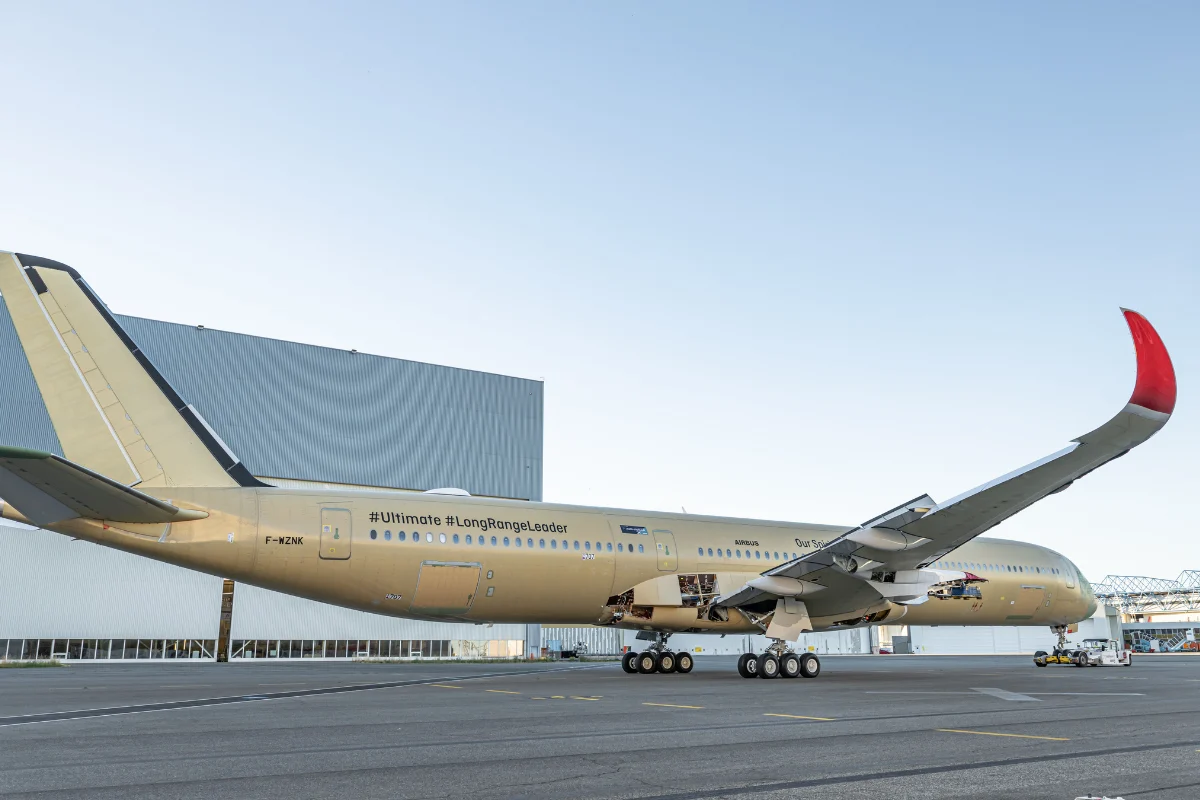
Qantas Airways, the national carrier of Australia, has announced a significant revision to the launch timeline for its highly anticipated Project Sunrise. The ambitious initiative, which aims to establish the world’s longest non-stop commercial flights connecting Sydney and Melbourne to global hubs such as London, New York, and Paris, has encountered a further delay of approximately six months. This latest setback stems from manufacturing and certification challenges at Airbus, specifically regarding the uniquely modified A350-1000 aircraft required to sustain ultra-long-haul operations exceeding 20 hours in duration.
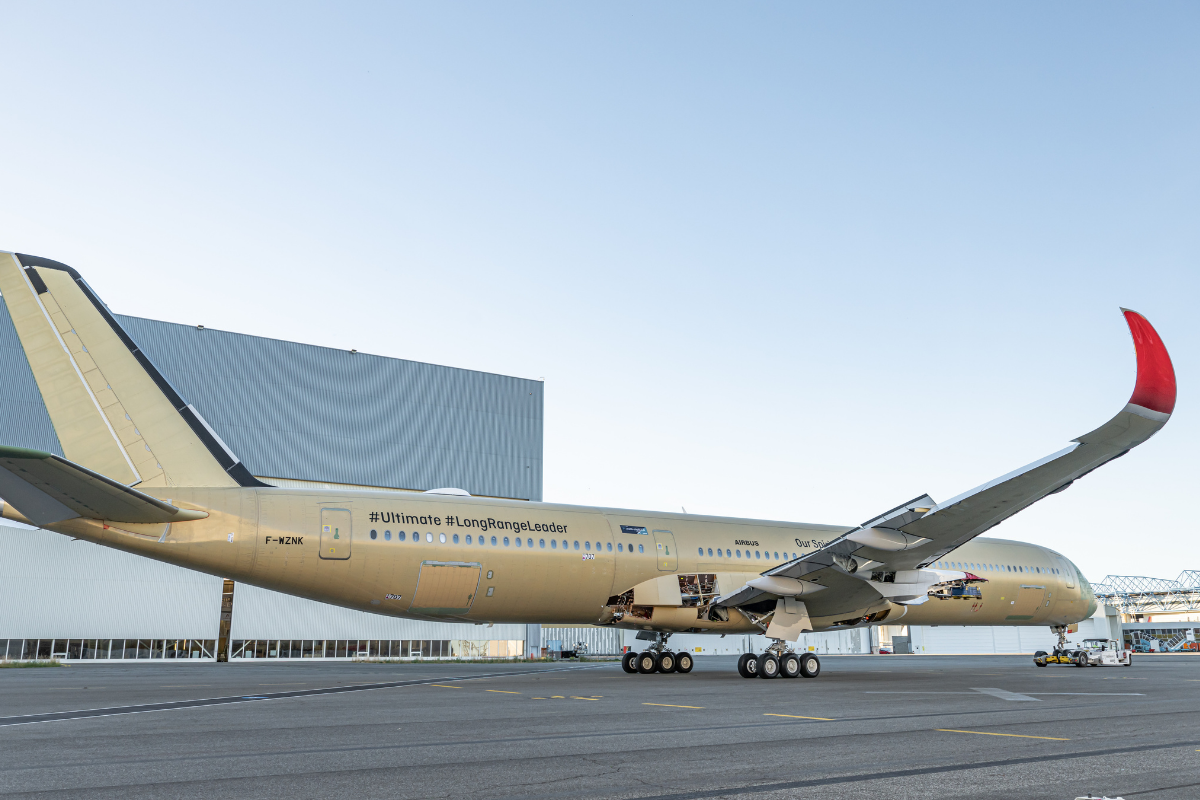
Initially slated for a 2025 launch, the timeline for Project Sunrise has been progressively adjusted as the global aerospace industry grapples with supply chain instabilities and production backlogs. Qantas leadership recently confirmed that the first of the 12 ordered Airbus A350-1000 jets is now expected to arrive in April 2027. Consequently, the commencement of commercial service, which requires a period of crew training and regulatory proving flights, is unlikely to occur before the third quarter of 2027.
The Evolution of Project Sunrise: A Historical Perspective
The concept of Project Sunrise is deeply rooted in Qantas’ identity as a long-distance specialist, necessitated by Australia’s geographical isolation. The name itself is a tribute to the "Double Sunrise" flights operated by the airline during World War II. Between 1943 and 1945, Qantas flew Consolidated PBY Catalinas between Perth and Lake Koggala in Ceylon (now Sri Lanka). These flights lasted between 27 and 33 hours, meaning passengers and crew remained airborne long enough to witness the sun rise twice.

The modern iteration of the project began in earnest in 2017 when then-CEO Alan Joyce challenged Boeing and Airbus to develop an aircraft capable of flying "the final frontier"—direct routes from Australia’s east coast to Europe and the Americas. In 2019, Qantas conducted a series of three "research flights" using Boeing 787-9 Dreamliners. These flights, which carried a minimal passenger load and no cargo to maximize fuel range, provided critical data on crew alertness, passenger well-being, and circadian rhythms during 19-to-20-hour transits.
Following a competitive evaluation process between the Boeing 777X and the Airbus A350-1000, Qantas selected the Airbus platform in late 2019. However, the formal order was delayed by the onset of the COVID-19 pandemic, which grounded international fleets and forced the airline into a period of financial preservation. It was not until May 2022 that Qantas officially signed the contract for 12 A350-1000s, marking the definitive green light for the project.
Engineering the Ultra-Long-Range A350-1000
The aircraft destined for Project Sunrise are not standard A350s. To bridge the 17,000-kilometer gap between Sydney and London with a full commercial load, Airbus is producing a "ULR" (Ultra-Long Range) variant. The primary modification is the installation of a permanent Rear Centre Tank (RCT), which increases the aircraft’s fuel capacity by approximately 20,000 liters without significantly impacting cargo space.
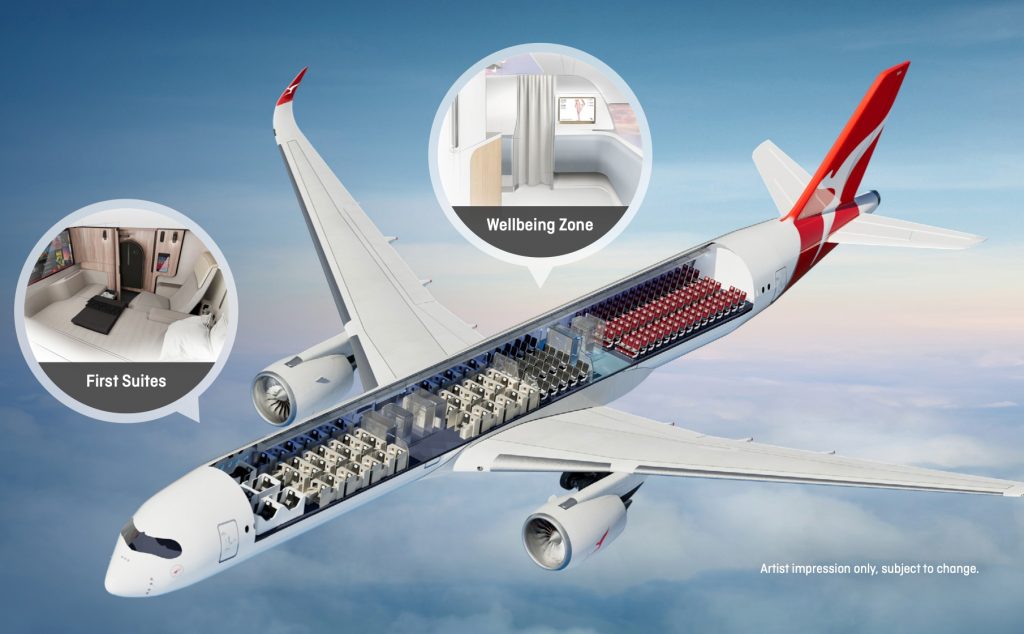
Furthermore, the aircraft must meet stringent weight requirements to ensure it can take off from Sydney’s runways with enough fuel to reach London or New York against prevailing headwinds. This has led to a strategic decision by Qantas to reduce the total passenger count. While most airlines configure the A350-1000 to carry between 350 and 410 passengers, the Qantas Project Sunrise configuration will accommodate only 238 passengers across four classes. This reduction in "payload density" is essential for the aircraft to achieve the necessary range and provides a more spacious environment for those on board.
The current delay is attributed to a combination of factors. Airbus has faced scrutiny from European aviation regulators regarding the design of the extra fuel tank, leading to modifications to ensure fire safety and structural integrity. Additionally, the broader aerospace sector is still recovering from pandemic-era disruptions, with shortages of specialized components, cabin interior materials, and skilled labor affecting delivery schedules across the board.
Redefining the In-Flight Experience: Cabin Specifications
Recognizing that spending nearly an entire day in a pressurized cabin presents physical and psychological challenges, Qantas has invested heavily in cabin innovation. The aircraft will feature a four-class layout designed to prioritize passenger comfort and health.
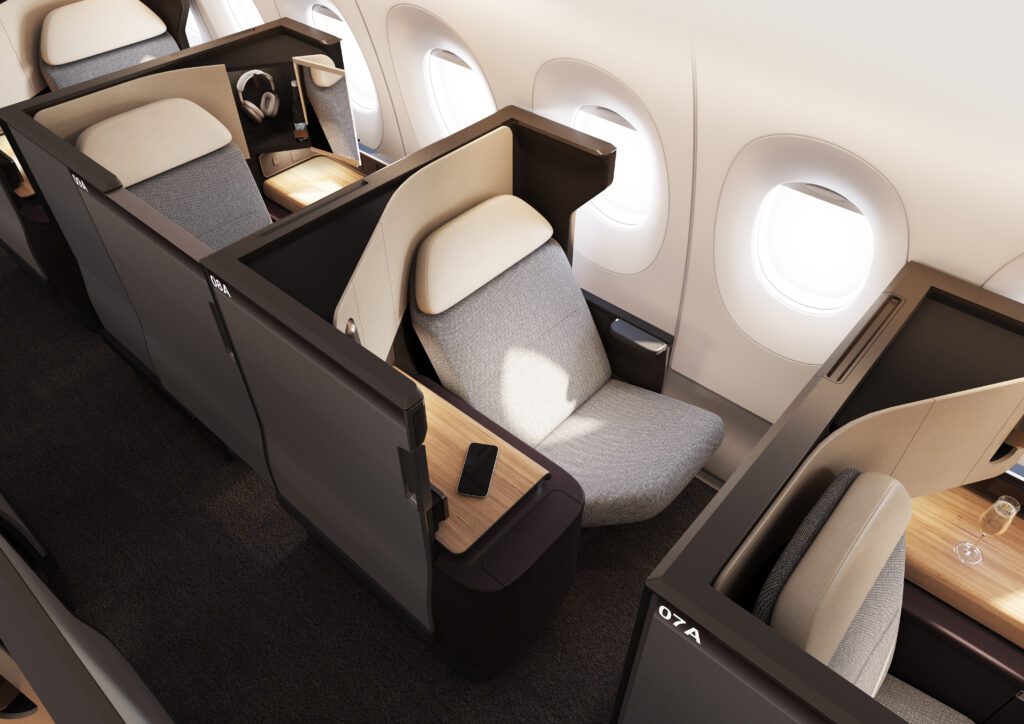
First Class: The "Boutique Hotel" Concept
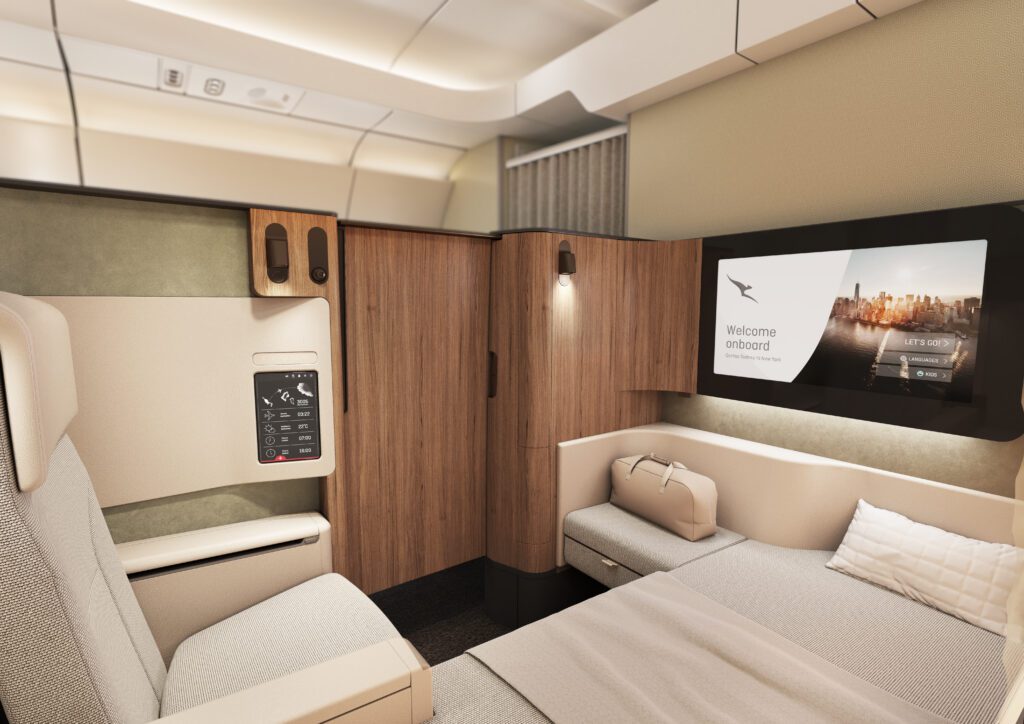
The A350-1000 will house six First Class suites in a 1-1-1 configuration. Each suite is designed to function as a private "room," featuring a fixed extra-wide bed alongside a separate 22-inch wide reclining lounge chair. Passengers will have access to a 32-inch ultra-high-definition television, a personal wardrobe, and a dining table for two.
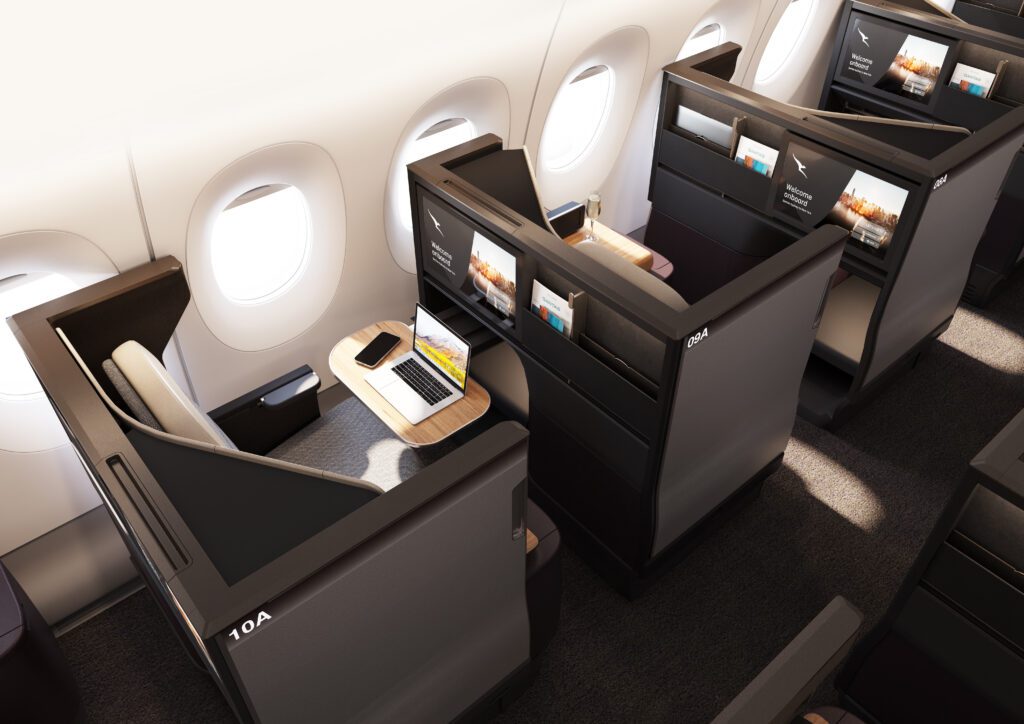
Business Class: Privacy and Connectivity
The 52 Business Class suites will be arranged in a 1-2-1 configuration, providing every passenger with direct aisle access. These suites will be the first in the Qantas fleet to feature sliding privacy doors. Each seat converts into a two-meter flatbed and includes ample storage and state-of-the-art entertainment systems.
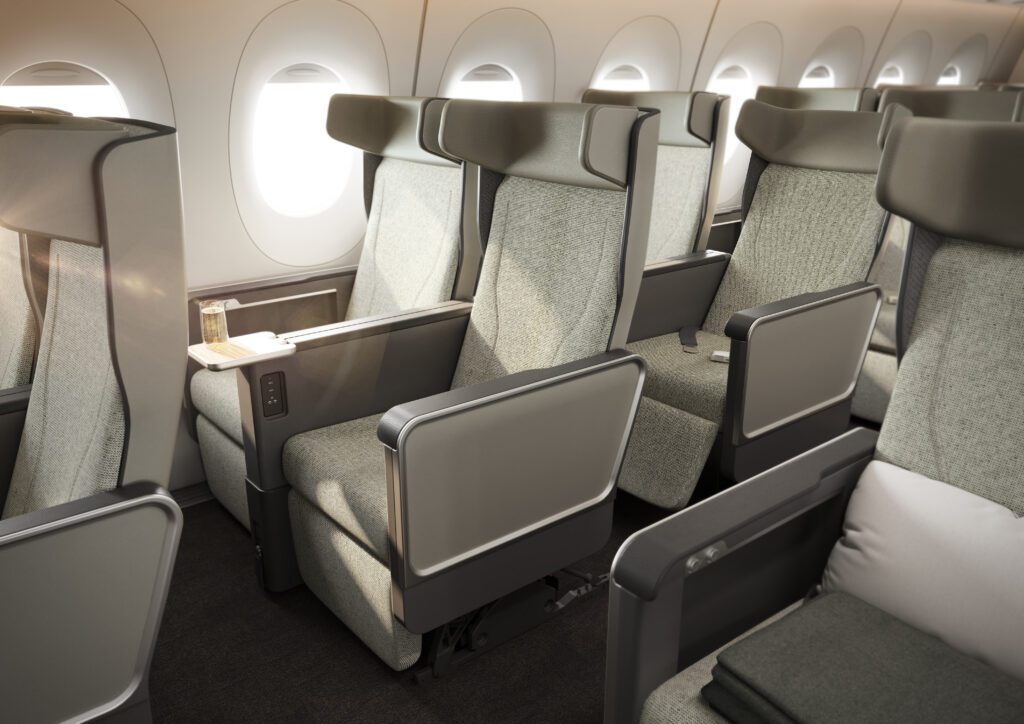
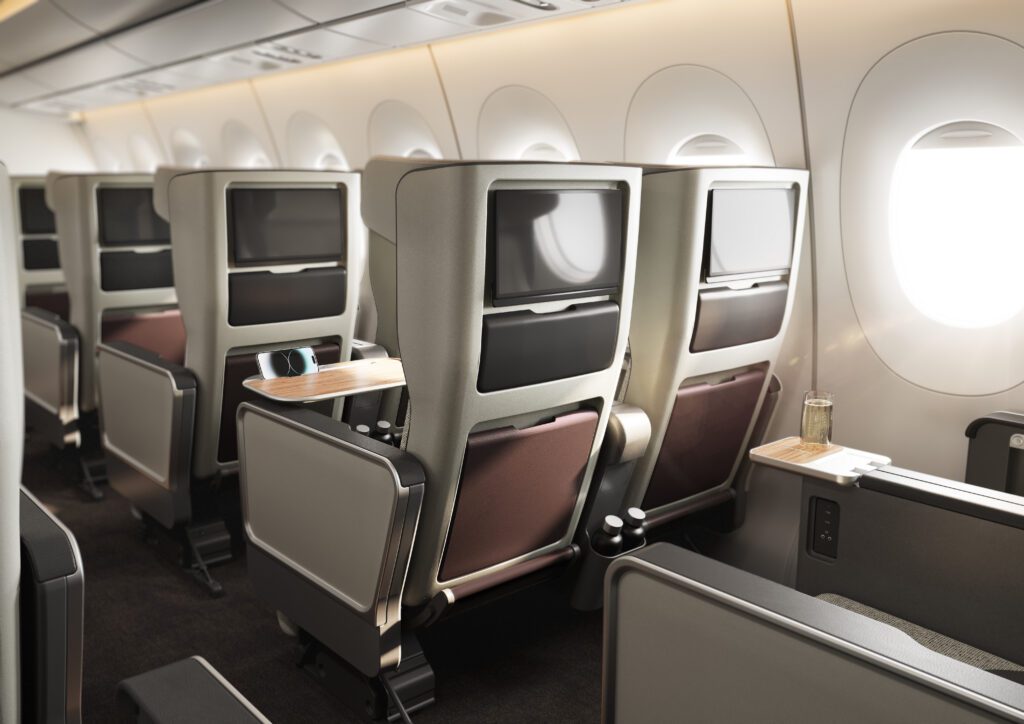
Premium Economy and Economy: Enhancing Space
The Premium Economy cabin will consist of 40 seats with a 40-inch pitch, while the Economy cabin will offer 140 seats. In a move to mitigate the discomfort of ultra-long-haul travel, Qantas has increased the seat pitch in Economy to 33 inches—an inch more than the industry standard—to provide additional legroom.
The Wellbeing Zone
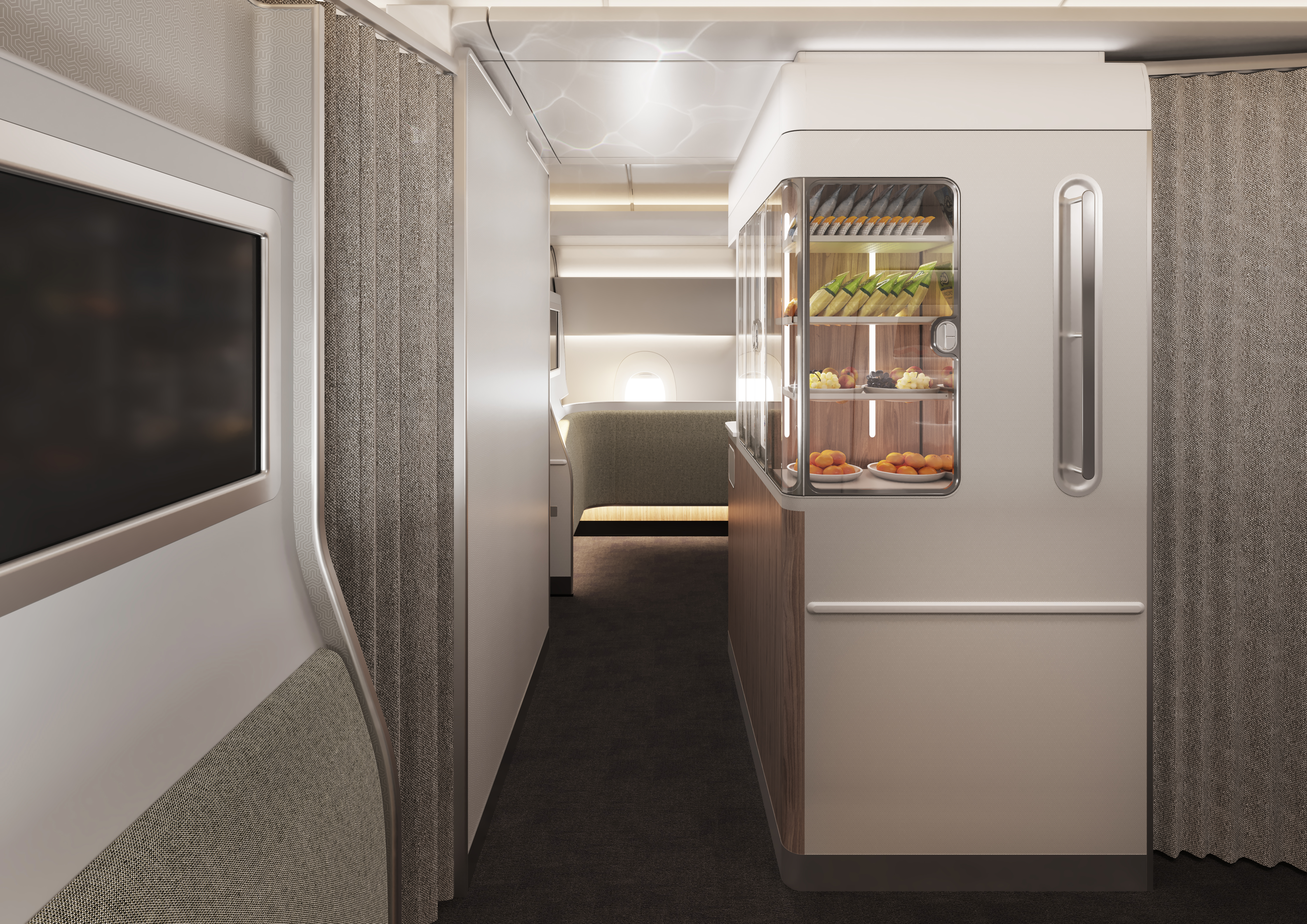
Perhaps the most innovative feature is the "Wellbeing Zone," located between the Premium Economy and Economy cabins. This dedicated space allows passengers to leave their seats to stretch and perform guided exercises. It will feature integrated handles for balance, a snack station, and digital screens providing health and stretching tips developed in collaboration with the Charles Perkins Centre at the University of Sydney.
Economic and Strategic Implications for Qantas
The strategic importance of Project Sunrise for Qantas cannot be overstated. CEO Vanessa Hudson has emphasized that these flights will "fundamentally change" global travel patterns by eliminating the need for stopovers in hubs like Singapore, Dubai, or Los Angeles. By slashing up to four hours off current travel times, Qantas expects to command a significant "time premium" from corporate travelers and high-net-worth individuals.
The economic model is supported by the proven success of the Perth-to-London non-stop service, which launched in 2018. That route has consistently seen the highest load factors and highest customer satisfaction ratings in the Qantas network. Project Sunrise aims to replicate this success on a larger scale, targeting the lucrative markets of the U.S. East Coast and Western Europe.
However, the delay to 2027 carries financial risks. Qantas must maintain its aging long-haul fleet, including the Airbus A380s, for longer than originally planned. Furthermore, the delay gives competitors time to respond. Airlines such as Singapore Airlines, which currently operates the world’s longest flight between Singapore and New York, and Air New Zealand, which operates Auckland to New York, continue to refine their own ultra-long-haul offerings.
Industry Reaction and Future Outlook
Aviation analysts suggest that while the delay is a setback, it is a prudent move in the current manufacturing climate. "The complexity of the A350-1000 ULR modifications requires absolute precision," noted one industry consultant. "It is better for Qantas to accept a delay now than to launch with a compromised product or face technical issues mid-route."
Despite the postponement, Qantas remains committed to the project. The airline has already begun the process of selecting and training "Sunrise" pilots, who will operate under specialized fatigue management protocols. The Australian Civil Aviation Safety Authority (CASA) is also working closely with the airline to establish new regulatory frameworks for ultra-long-range operations, focusing on pilot rest cycles and emergency procedures.
As the aerospace industry stabilizes, Qantas and Airbus will continue to monitor production milestones. For the traveling public, the dream of a "one-hop" journey from Sydney to London remains on the horizon, though the sunrise on this new era of aviation is now set for the winter of 2027. The project stands as a testament to the endurance of the aviation sector’s desire to shrink the world, even as it navigates the complex realities of modern manufacturing and global logistics.




 Anjar Salim
 Chandra Hamzah
 Tatiana Tantri Indah Sari

