
 Gabriela Annisa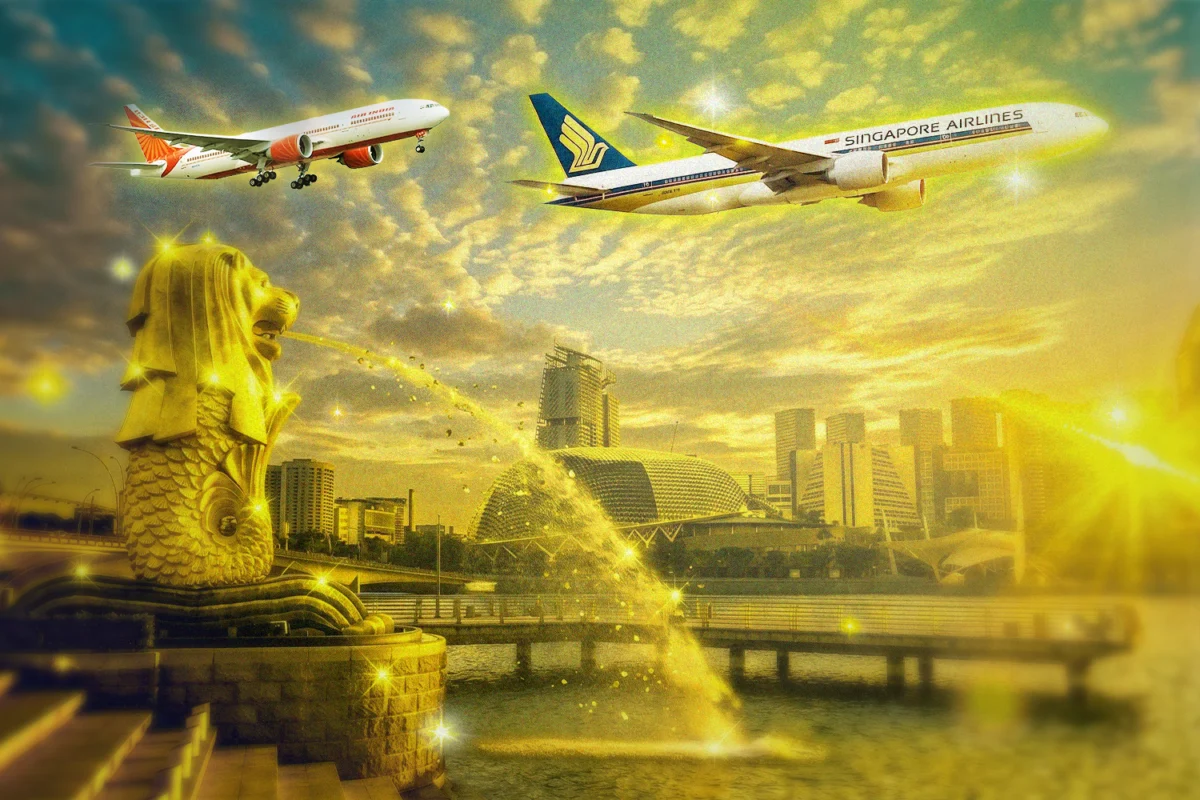
Singapore Airlines (SIA), long lauded for its operational excellence and premium brand, finds itself at a critical juncture with its significant 25% stake in the revitalized Air India. This investment, initially hailed as a strategic entry into one of the world’s fastest-growing aviation markets, is rapidly morphing into what many analysts suggest could be its most challenging and financially demanding gamble to date, echoing a regrettable pattern of past ventures into struggling carriers. The timing of this deepening entanglement could not be more starkly contrasting, as SIA itself enjoys a robust post-pandemic recovery, buoyed by surging premium demand and its strategically positioned Changi Airport hub drawing traffic away from Middle Eastern rivals. Simultaneously, Air India continues to grapple with monumental losses, a vast restructuring effort, and the Herculean task of integrating multiple airlines under one banner.
A History of High-Stakes Investments and Costly Lessons
Singapore Airlines has, throughout its distinguished history, demonstrated an ambition to expand its global footprint through strategic equity investments in other airlines. While some partnerships have yielded positive results, a recurring theme has been the carrier’s propensity to acquire stakes in troubled or nascent airlines, often resulting in significant financial write-downs and strategic headaches.
One of the most prominent examples from SIA’s past is its investment in Ansett Australia in the late 1990s. SIA acquired a 50% stake in the Australian carrier, aiming to gain a stronger foothold in the Oceanic market. However, Ansett’s deep-seated financial issues, industrial relations problems, and ultimately, its collapse in 2001, led to a substantial loss for SIA, estimated to be in the hundreds of millions of Singapore dollars. This episode served as a painful reminder of the complexities and risks associated with cross-border airline investments.
Later, SIA’s involvement with Air New Zealand, which itself had acquired Ansett, also proved problematic. While SIA held a significant stake, the investment faced regulatory hurdles and strategic disagreements, ultimately leading to a divestment. More recently, SIA’s investment in Virgin Australia also ended with the Australian airline entering voluntary administration in 2020, though SIA’s exposure was reportedly more contained. These instances collectively paint a picture of a carrier willing to take calculated risks for market access but often finding itself navigating treacherous operational and financial landscapes far from its core competencies. The Air India dilemma, therefore, is not an isolated incident but rather the latest, and potentially most profound, chapter in this ongoing narrative.
The Air India Bet: Context and Chronology
The current entanglement with Air India began not directly with the flag carrier itself, but through a joint venture with Tata Sons, India’s venerable conglomerate.
- 2014: Singapore Airlines and Tata Sons launched Vistara, a full-service Indian airline, with SIA holding a 49% stake. The goal was to tap into India’s rapidly growing domestic and international premium travel market, offering a service standard akin to SIA’s within India. Vistara quickly established itself as a reputable player, known for its superior service quality compared to budget rivals.
- October 2021: After years of attempts, the Indian government successfully privatized its loss-making national airline, Air India. Tata Sons emerged as the winning bidder, reacquiring the airline it had originally founded in 1932 before its nationalization in 1953. This marked a pivotal moment for Indian aviation, signaling a new era for Air India under private ownership.
- November 2022: A landmark announcement was made: Vistara would be merged into Air India, with Singapore Airlines taking a 25.1% stake in the enlarged Air India group. As part of this agreement, SIA committed to investing approximately S$360 million (around US$260 million) into the newly consolidated entity. The deal was contingent on regulatory approvals, which were largely granted throughout 2023.
- Early 2023: Air India, under Tata’s leadership and with SIA’s strategic input, embarked on an ambitious transformation. This included placing record-breaking orders for over 470 aircraft from Airbus and Boeing, totaling an estimated US$70 billion at list prices. The goal was to modernize its aging fleet, significantly expand its network, and reclaim its position as a leading global airline.
- Late 2023 – Early 2024: The integration process intensified, involving not just Vistara and Air India, but also Air India Express (the budget arm) and AirAsia India (which was also merged into Air India Express). This period has been characterized by significant operational challenges, including integrating IT systems, harmonizing fleets, rationalizing routes, and crucially, managing the cultural amalgamation of diverse workforces.
SIA’s strategic rationale for this significant investment is multifaceted. India represents the world’s third-largest and fastest-growing domestic aviation market, with immense potential for international traffic. A strong presence in India would allow SIA to funnel passengers through its Changi hub, enhancing its network connectivity and competitiveness against Gulf carriers like Emirates and Qatar Airways. The combined Air India-Vistara entity was envisioned to become a formidable force, offering a full spectrum of services from budget to premium, and leveraging Tata’s financial muscle and SIA’s operational expertise.
Divergent Fortunes: SIA’s Boom vs. Air India’s Bleed
The contrasting financial performance of Singapore Airlines and Air India in the post-pandemic era starkly highlights the dilemma facing the Singaporean carrier.
Singapore Airlines’ Resurgence:
SIA has demonstrated remarkable resilience and strategic agility in navigating the post-pandemic landscape. The airline reported record-breaking profits for the fiscal year ending March 2024, with net profit reaching approximately S$2.67 billion (US$1.97 billion), a substantial increase from previous periods. This strong performance has been driven by several key factors:
- Premium Demand: A sustained boom in premium travel, particularly from high-net-worth individuals and business travelers, has allowed SIA to command higher yields on its lucrative long-haul routes.
- Strategic Hub Advantage: Changi Airport has solidified its position as a preferred transit hub, especially for travelers between Europe/North America and Southeast Asia/Australia, partly due to geopolitical shifts and operational challenges faced by some competitors.
- Strong Cargo Operations: While passenger recovery has been primary, SIA Cargo has also contributed positively, leveraging its extensive network.
- Fleet Modernization: SIA’s continued investment in modern, fuel-efficient aircraft has provided a competitive edge in operating costs and passenger experience.
The airline has consistently reported strong passenger load factors, often exceeding 90% on key routes, and has seen its capacity largely restored to pre-pandemic levels. This robust financial health provides SIA with the capital and confidence to pursue its own growth initiatives, but it also underscores the divergence with its Indian partner.
Air India’s Ongoing Struggles:
In stark contrast, Air India, despite its ambitious transformation plans, continues to hemorrhage money. While precise, publicly available post-privatization financial figures are limited, industry estimates and internal reports suggest significant losses. For instance, before its privatization, Air India had accumulated losses exceeding US$9.5 billion over a decade. Under Tata, the immediate objective has been stabilization and investment, which naturally entails substantial upfront costs.
- Heavy Investment in Fleet and Infrastructure: The massive aircraft orders require significant capital outlay, even with favorable financing terms. The associated costs of training pilots and crew, acquiring spare parts, and upgrading maintenance facilities are immense.
- Legacy Debt and Operational Inefficiencies: While the government absorbed a substantial portion of legacy debt during privatization, Air India still carries the weight of years of underinvestment, operational inefficiencies, and a deeply entrenched work culture that takes time to transform.
- Integration Challenges: Merging four distinct airlines (Air India, Vistara, Air India Express, AirAsia India) is a colossal undertaking. This involves harmonizing different IT systems, booking platforms, loyalty programs, cabin configurations, and human resource policies. Such complex integrations are notoriously difficult, costly, and can lead to operational disruptions in the short term.
- Service Recovery: Air India is striving to shed its image of poor service and punctuality. This requires substantial investment in staff training, ground handling improvements, and a complete overhaul of customer touchpoints, all of which are expensive and time-consuming.
- Intense Competition: Despite its scale, Air India faces fierce competition from well-established domestic low-cost carriers like IndiGo, which dominates the market, and international full-service airlines on global routes.
Analysts estimate that Air India’s turnaround could require investments upwards of US$40 billion over the next decade, much of which will be funded by Tata Sons, but SIA’s 25.1% stake implies a proportional commitment to future capital calls if the airline continues to require substantial injections to fund its growth and cover losses. The immediate future suggests continued financial strain for Air India as it navigates this transformative phase.
Strategic Imperatives vs. Operational Headwinds
The strategic rationale underpinning SIA’s investment in Air India remains compelling on paper. India’s aviation market is projected to become the third largest globally by 2024 and is expected to grow at an annual rate of 9-10% for the foreseeable future. Securing a significant foothold in this market offers unparalleled long-term growth potential.
- Network Synergy: The combined Air India-Vistara entity, with its expanded fleet and network, can act as a powerful feeder for SIA’s long-haul international routes out of Changi. Conversely, SIA can feed its premium passengers into Air India’s extensive domestic network. This hub-and-spoke synergy is crucial for both carriers to compete effectively against other global hubs.
- Market Share: The merger positions Air India to become a dominant force in both domestic and international Indian markets, potentially challenging IndiGo’s domestic supremacy and attracting a larger share of outbound Indian travelers.
- Premium Segment Growth: Vistara brought a strong premium product and service ethos to the Air India group, which SIA aims to leverage to elevate Air India’s overall brand and appeal to higher-yielding passengers.
However, the operational headwinds are substantial:
- Integration Complexity: The scale of the integration is unprecedented in Indian aviation. Merging multiple airlines, each with distinct cultures, IT systems, and regulatory frameworks, presents significant challenges that can lead to delays, cost overruns, and passenger dissatisfaction.
- Talent Management: Retaining key talent from Vistara while upskilling and integrating Air India’s existing workforce is critical. Cultural clashes and differing compensation structures can create internal friction.
- Regulatory Scrutiny: The merger has faced, and continues to face, scrutiny from competition watchdogs and aviation authorities, adding layers of complexity.
- Financial Burn Rate: The pace at which Air India is consuming capital for fleet modernization, service upgrades, and operational losses is a major concern. SIA, as a significant shareholder, will be expected to contribute to future capital calls, potentially impacting its own balance sheet and dividend payouts.
Stakeholder Perspectives (Inferred)
While no direct statements on the "dilemma" have been issued by the parties, their broader commitments and public remarks allow for logical inferences:
- Singapore Airlines Leadership: Would likely reiterate its "long-term strategic commitment" to the Indian market and its partnership with Tata Sons. A spokesperson might emphasize the "transformative journey" Air India is undergoing and express confidence in its "eventual success," acknowledging the "inherent challenges" of such a large-scale restructuring. They would point to India’s undeniable market potential as the core driver of the investment.
- Tata Group / Air India Management: Would probably focus on the "comprehensive turnaround plan" being executed, highlighting the "significant investments" in new aircraft, technology, and customer service. They would acknowledge that the "path to profitability is challenging" but stress that "progress is being made" across various operational fronts, reaffirming their dedication to restoring Air India’s glory.
- Industry Analysts: Opinions are divided. Many see the investment as a "high-stakes gamble" for SIA. Analysts from firms like CAPA India or Centre for Asia Pacific Aviation might suggest that "while the strategic logic is sound, the execution risk and financial drain are considerable." They would highlight that "this is a critical juncture for SIA, as the success or failure of Air India will have significant implications for its own regional strategy and financial health." Some might caution that "SIA needs to be prepared for further capital injections over the next 3-5 years before Air India can break even."
- Indian Government (indirectly): While not directly involved in the airline’s day-to-day operations, government officials would likely continue to emphasize the importance of a strong, privately-run Air India for the nation’s aviation sector and economic growth. They might point to policy support for fleet expansion and infrastructure development as facilitators for Air India’s success.
Broader Impact and Implications
The outcome of Air India’s transformation, and by extension, SIA’s investment, carries significant implications for various stakeholders:
-
For Singapore Airlines:
- Financial Strain: Continued losses at Air India could necessitate further capital injections, impacting SIA’s own cash reserves, debt levels, and ultimately, shareholder returns.
- Strategic Distraction: Diverting management attention and resources to a challenging turnaround could detract from SIA’s core business and its own growth initiatives.
- Brand Reputation: While SIA’s operational excellence is globally recognized, a perceived failure in a major strategic investment could subtly impact its reputation for astute business decisions, even if its core operations remain stellar.
- Long-Term Growth: If Air India successfully navigates its transformation, SIA stands to gain a powerful, enduring foothold in one of the world’s most vital aviation markets, securing a critical competitive advantage for decades to come.
-
For the Indian Aviation Market:
- Consolidation and Competition: A stronger, unified Air India group would intensify competition, particularly against IndiGo, potentially leading to better service and more competitive fares for consumers.
- Infrastructure Demands: Air India’s massive fleet expansion will place increased demands on India’s airport infrastructure, air traffic control, and MRO (Maintenance, Repair, and Overhaul) capabilities, driving further investment in these areas.
- Employment: The turnaround could lead to significant job creation in various aviation-related sectors within India.
-
For the Asia-Pacific Aviation Landscape:
- Regional Hub Dynamics: A strong Air India could challenge the dominance of other regional hubs, including Singapore Changi, Dubai, and Doha, by offering direct long-haul connections from India. However, the synergy with SIA is designed to strengthen Changi’s position rather than erode it.
- Global Alliances: Air India’s position within the Star Alliance (of which SIA is a key member) would be significantly bolstered, enhancing the alliance’s network reach and competitiveness.
The Road Ahead
The coming years will be crucial for Air India’s transformation and, by extension, for Singapore Airlines’ investment. Key areas that will determine success include:
- Successful Integration: Seamlessly merging the diverse entities into a cohesive, efficient operation.
- Service Excellence: Consistently delivering a world-class passenger experience to regain trust and market share.
- Cost Control and Efficiency: Implementing robust cost management strategies to stem losses and move towards profitability.
- Talent Development: Nurturing a highly skilled and motivated workforce, capable of delivering on the airline’s ambitions.
- Capital Management: Securing sustained funding for growth without unduly burdening shareholders.
Singapore Airlines finds itself navigating a familiar yet intensely high-stakes scenario. The long-term strategic benefits of a successful Air India are undeniable, offering SIA an unparalleled gateway to the Indian subcontinent. However, the immediate financial drain and operational complexities present a formidable challenge. The dilemma is not whether the investment makes strategic sense, but whether SIA, alongside Tata Sons, can successfully steer Air India through its turbulent transformation without incurring prohibitive costs or diluting its own hard-won financial strength and market standing. The aviation world watches closely to see if this time, SIA’s ambitious bet on a troubled airline will yield the rich rewards it seeks, or if it will become another costly lesson in a long history of high-stakes ventures.



 Anjar Salim
 Chandra Hamzah
 Tatiana Tantri Indah Sari
 Budi Mulyono
 Lukman Taruna Persada Ramadan
