
 Budi Mulyono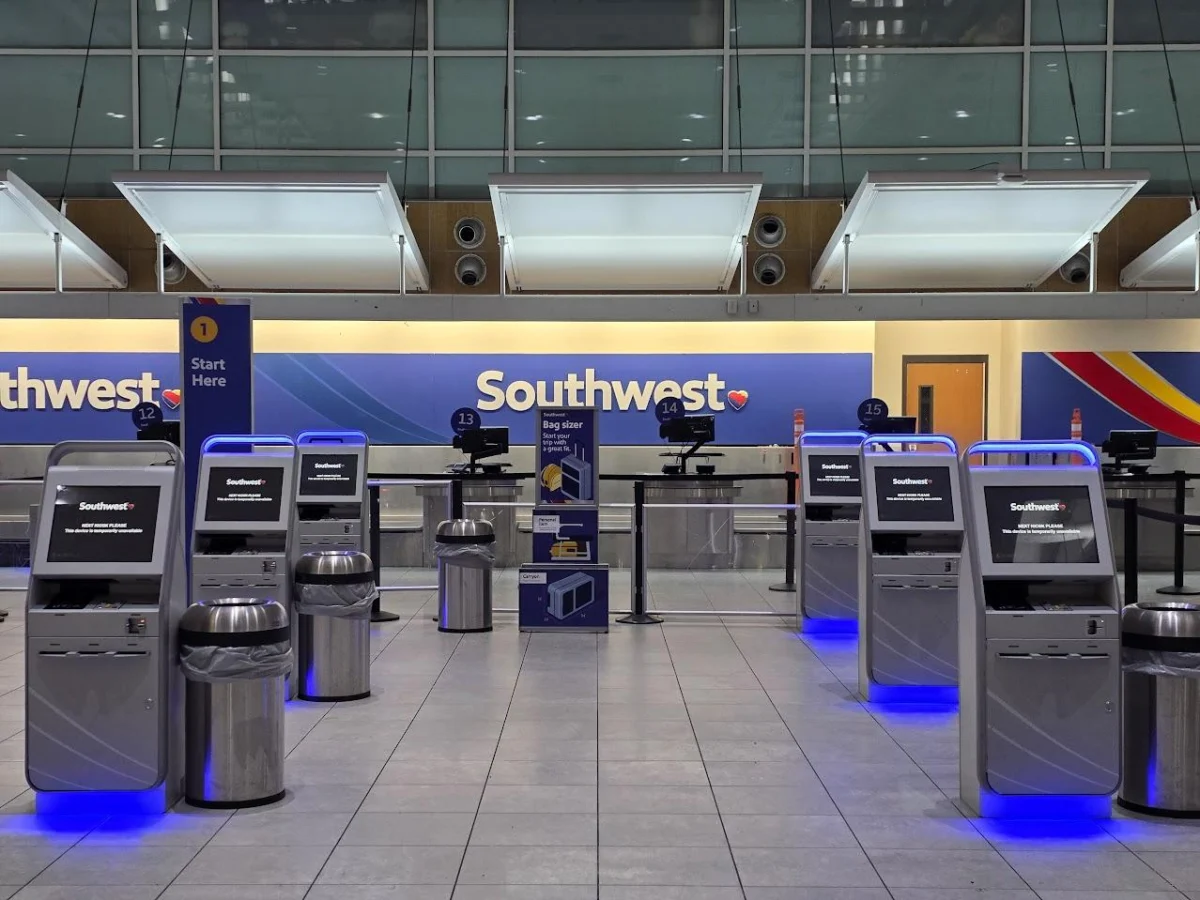
In a series of developments across the global travel and technology sectors, a severe turbulence incident involving a Cathay Pacific flight has raised renewed questions regarding passenger safety protocols and the increasing frequency of unstable atmospheric conditions. The incident, which occurred on May 24, 2026, involved flight CX156, an Airbus A350-900 traveling from Brisbane (BNE) to Hong Kong (HKG). The aircraft encountered severe clear air turbulence (CAT) during the meal service phase of the flight, leading to multiple injuries among both crew members and passengers. According to preliminary reports and flight data, ten individuals sustained injuries, including six crew members and four passengers. Eight of the victims required hospitalization upon arrival in Hong Kong, highlighting the physical toll of sudden, unpredicted atmospheric shifts.
The event occurs amidst a broader period of scrutiny for the travel industry, as financial markets react to the stagnation of major tech-driven travel platforms like Airbnb, and privacy advocates raise alarms regarding government surveillance of digital tools used by travelers, such as Virtual Private Networks (VPNs). These shifting dynamics reflect a complex landscape where physical safety, financial stability, and digital privacy intersect for the modern global traveler.
The Cathay Pacific CX156 Incident: A Detailed Chronology
Flight CX156 departed Brisbane International Airport on schedule, operating with an Airbus A350-900, registration B-LRV. The flight was cruising at its assigned altitude over the Pacific when it encountered a localized area of intense clear air turbulence. Unlike convective turbulence, which is often associated with visible storm clouds and can be detected by onboard weather radar, clear air turbulence occurs in cloudless regions and is notoriously difficult for flight crews to predict or visualize.
The timing of the incident proved particularly hazardous, as it occurred while the cabin crew was conducting meal services. During this period, service carts are typically in the aisles, and a significant number of passengers have their seatbelts unfastened to facilitate movement or comfort. Witnesses and data indicate that the aircraft experienced a sudden, sharp drop in altitude, causing unrestrained objects and individuals to be propelled toward the cabin ceiling.
Of the ten individuals injured, the disproportionate number of crew members (six) underscores the vulnerability of staff who must remain mobile during flight operations. While the four injured passengers were treated for a range of lacerations and blunt-force trauma, the crew members sustained more significant injuries due to their proximity to heavy service equipment. Upon landing in Hong Kong, emergency medical services met the aircraft on the tarmac. Eight individuals were transported to local medical facilities for further evaluation and treatment. Cathay Pacific has since issued a statement confirming that they are providing assistance to the affected parties and are cooperating with aviation safety regulators to analyze the flight data recorder (FDR) and cockpit voice recorder (CVR).
The Rising Challenge of Clear Air Turbulence (CAT)
The incident involving CX156 is not an isolated event but part of a documented upward trend in turbulence-related injuries globally. Meteorological studies, including research from the University of Reading, suggest that the frequency of clear air turbulence has increased significantly over the last four decades. This rise is largely attributed to climate change, which has intensified wind shear in the jet streams—the high-altitude "rivers" of air that commercial jets utilize for speed and fuel efficiency.
Aviation experts note that CAT is "sneaky" because it lacks the visual cues of traditional weather systems. While pilots utilize Pilot Reports (PIREPs) to warn following aircraft of choppy air, the localized nature of these events means that the first aircraft to hit a pocket of unstable air has no warning. For the Airbus A350-900, one of the most technologically advanced long-haul aircraft in service, the airframe is designed to withstand extreme aerodynamic loads. However, the internal environment remains a risk for anyone not securely buckled.
In response to these trends, several international carriers have begun reviewing their "seatbelt sign" policies. Some airlines are now considering mandates that require passengers to keep seatbelts fastened at all times while seated, regardless of the status of the overhead sign. Additionally, the industry is exploring the implementation of LIDAR (Light Detection and Ranging) technology, which uses laser pulses to detect air density changes ahead of the aircraft, potentially providing a few precious seconds of warning for CAT.
Financial Volatility: Airbnb and the Post-Pandemic Market
While physical safety remains a priority in the air, the financial health of the travel tech sector is facing its own form of turbulence. Recent market data indicates that Airbnb’s stock (ABNB) has fallen below its first-day closing price from its December 2020 initial public offering (IPO). When adjusted for inflation, the real value of the stock represents a significant loss for long-term investors who entered the market during the company’s early public days.
Airbnb, once the darling of the "sharing economy," has faced a confluence of headwinds. These include:
- Regulatory Crackdowns: Major tourist destinations, including New York City, Paris, and Florence, have implemented strict short-term rental regulations to combat housing shortages, significantly limiting Airbnb’s inventory in high-demand markets.
- Consumer Fatigue: A growing "anti-Airbnb" sentiment has emerged among travelers citing high cleaning fees, complex "checkout chores," and the perceived loss of the "home-sharing" soul in favor of professionalized, corporatized property management.
- Hotel Resurgence: Traditional hotel chains have successfully pivoted by launching "lifestyle" brands and loyalty program enhancements that compete directly with the unique experiences Airbnb once monopolized.
The fact that Airbnb’s valuation has stagnated despite a global surge in post-pandemic travel suggests a fundamental shift in how investors view the scalability of the short-term rental model. As interest rates remain higher than the previous decade’s average, capital-intensive tech firms are being judged more on immediate profitability and regulatory resilience than on long-term growth projections.
![Even A Nobel Economist Got Stumped By Airport Self-Check-In — Travelers Still Need A Human [Roundup]](https://viewfromthewing.com/wp-content/uploads/2026/01/bwi-airport-southwest-airlines-check-in.jpg)
Digital Privacy and Government Surveillance of Travelers
Adding to the complexity of the modern travel landscape is the growing concern over digital privacy. Recent reports from the United States Senate suggest that a small group of lawmakers has been briefed on classified surveillance programs targeting Virtual Private Networks (VPNs). VPNs are a staple for international travelers, used to secure data on public Wi-Fi networks and to bypass geographical content restrictions.
Senator Naomi Brockwell and other privacy advocates have raised the alarm about a potential "dragnet" operation by the U.S. government. The concern is that intelligence agencies may be intercepting encrypted traffic or pressuring VPN providers to install "backdoors" under the guise of national security. For travelers, this raises significant questions about the confidentiality of their digital footprints while moving across borders.
The legal framework for such surveillance often falls under Section 702 of the Foreign Intelligence Surveillance Act (FISA), which allows the government to collect communications of non-U.S. citizens located outside the country. However, critics argue that the "incidental collection" of American citizens’ data and the general erosion of encryption standards threaten the privacy of all users. As travelers increasingly rely on digital tools for everything from banking to health documentation, the security of the tunnels through which that data travels is becoming a critical point of contention between the state and the individual.
Cultural Nuances and Infrastructure: The European AC Debate
While the digital world grapples with encryption, the physical world of travel in Europe continues to struggle with a much older technology: air conditioning (AC). As heatwaves become more frequent and severe across the continent, the traditional European resistance to AC has become a topic of international discourse.
The resistance is often rooted in a mix of architectural limitations, environmental concerns, and cultural myths. In many historic European cities, the installation of external AC units is prohibited by heritage laws. Furthermore, a persistent cultural belief exists in parts of Southern and Western Europe that AC is detrimental to health—specifically the lungs. This sentiment was recently highlighted in an anecdote from a law firm in France, where a senior partner reportedly dismissed the need for AC as "bad for the lungs" while simultaneously being a heavy smoker.
However, the reality of rising temperatures is forcing a shift. European infrastructure, largely built to retain heat during cold winters, often lacks the ventilation necessary for modern summers. The hospitality industry is at the forefront of this change, with luxury hotels and modern office buildings increasingly prioritizing climate control to meet the expectations of international visitors and to ensure employee productivity.
The Human Element: The Enduring Role of the Concierge
In an era dominated by automated booking systems, AI-driven travel recommendations, and digital check-ins, the role of the traditional hotel concierge remains a testament to the importance of the human touch in hospitality. One such figure is Watson, a 67-year-old concierge who has spent over 50 years in the profession.
Watson’s philosophy—that a concierge can do "anything as long as it’s legal and moral"—reflects the "Les Clefs d’Or" (Golden Keys) standard of service. This elite professional association of hotel concierges emphasizes a level of problem-solving and "surprise and delight" that algorithms have yet to replicate. Whether it is securing a last-minute table at a booked-out Michelin-star restaurant or arranging complex logistics for a guest in distress, the concierge serves as the ultimate "fixer" in the travel ecosystem.
The value of this role is becoming more pronounced as travel becomes more commoditized. While technology can handle the "A to B" of a journey, the "A to Z" of a guest’s experience often requires the intuition, local knowledge, and empathy of a seasoned professional. As the industry evolves, the survival of these high-touch roles will likely depend on their ability to integrate with digital tools while maintaining the personal connection that travelers still crave.
Conclusion: Navigating a Complex Future
The events of May 2026 serve as a microcosm of the challenges facing the global travel industry. The injury of ten people on Cathay Pacific CX156 reminds the world that despite technological leaps, nature remains a formidable and unpredictable force. Simultaneously, the financial struggles of Airbnb and the privacy debates surrounding VPNs illustrate the volatile intersection of commerce, regulation, and technology.
As the industry moves forward, the focus must remain on a multi-faceted approach to safety and service. This includes investing in better turbulence detection, navigating the regulatory hurdles of the sharing economy, and protecting the digital rights of global citizens. Through it all, the enduring presence of professionals like Watson suggests that while the methods of travel may change, the fundamental human desire for a safe, seamless, and personalized journey remains constant. For airlines, tech platforms, and travelers alike, the coming years will require a heightened level of vigilance and adaptability in an increasingly turbulent world.




 Anjar Salim
 Chandra Hamzah
 Tatiana Tantri Indah Sari
 Lukman Taruna Persada Ramadan