
 Budi Mulyono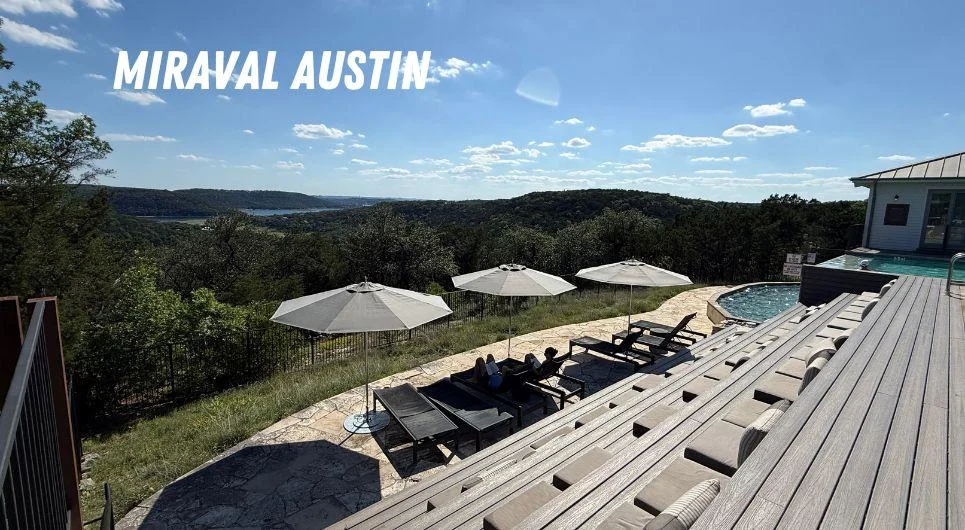
The expansion of the luxury wellness sector has become a cornerstone of Hyatt Hotels Corporation’s long-term growth strategy, anchored by its Miraval brand. As a premier destination within this portfolio, Miraval Austin represents the brand’s commitment to a holistic, all-inclusive "digital detox" experience that blends high-end hospitality with rigorous wellness programming. Since Hyatt acquired the Miraval brand in 2017 for approximately $215 million, the division has grown to include three primary domestic locations—Tucson, Arizona; Austin, Texas; and Lenox, Massachusetts—along with a recent international expansion into the Middle East. These properties cater to a specific demographic of travelers willing to pay premium cash rates, often exceeding $2,000 per night for double occupancy, or utilize high-value loyalty points to access a curated environment of meditation, fitness, and culinary excellence.
The Strategic Integration of Miraval into World of Hyatt
The success of the Miraval brand is inextricably linked to the World of Hyatt loyalty program. Unlike standard hotel brands, Miraval operates on a specialized redemption model and is a focal point of Hyatt’s "Milestone Rewards" system. For frequent travelers, the brand serves as a "halo" aspirational destination. At the 60-night or 100-night tiers, Hyatt members are frequently offered a "Miraval Extra Night Award," which allows guests to book a stay and receive a second night free. This loyalty integration has been instrumental in introducing the wellness concept to traditional business travelers who might otherwise find the high cost of entry prohibitive.
Miraval Austin, the newest of the three domestic properties, serves as a case study for Hyatt’s ability to convert skeptics into brand loyalists. The property, formerly known as Travaasa Austin, underwent a significant transformation to align with Miraval’s "Life in Balance" philosophy. This transition involved not only aesthetic renovations but the implementation of a vast curriculum of classes. The Austin property offers everything from traditional yoga and Pilates to more unconventional activities like axe-throwing, farm-to-table culinary workshops, and tarot card readings. The inclusion of these activities, along with all meals and non-alcoholic beverages in the room rate, positions the property as a comprehensive retreat rather than a mere hotel.
Architecture and the Digital Detox Environment
The physical layout of Miraval Austin is designed to facilitate a state of "mindfulness," a term central to the brand’s marketing. Located in the Texas Hill Country overlooking Lake Travis, the resort utilizes the natural topography to create a sense of seclusion. One of the most distinctive features of the guest experience is the "digital detox" policy, which encourages guests to keep mobile devices out of sight in public areas. To support this, the resort provides guests with small "sleeping bags" for their phones, reinforcing the psychological break from corporate and social obligations.
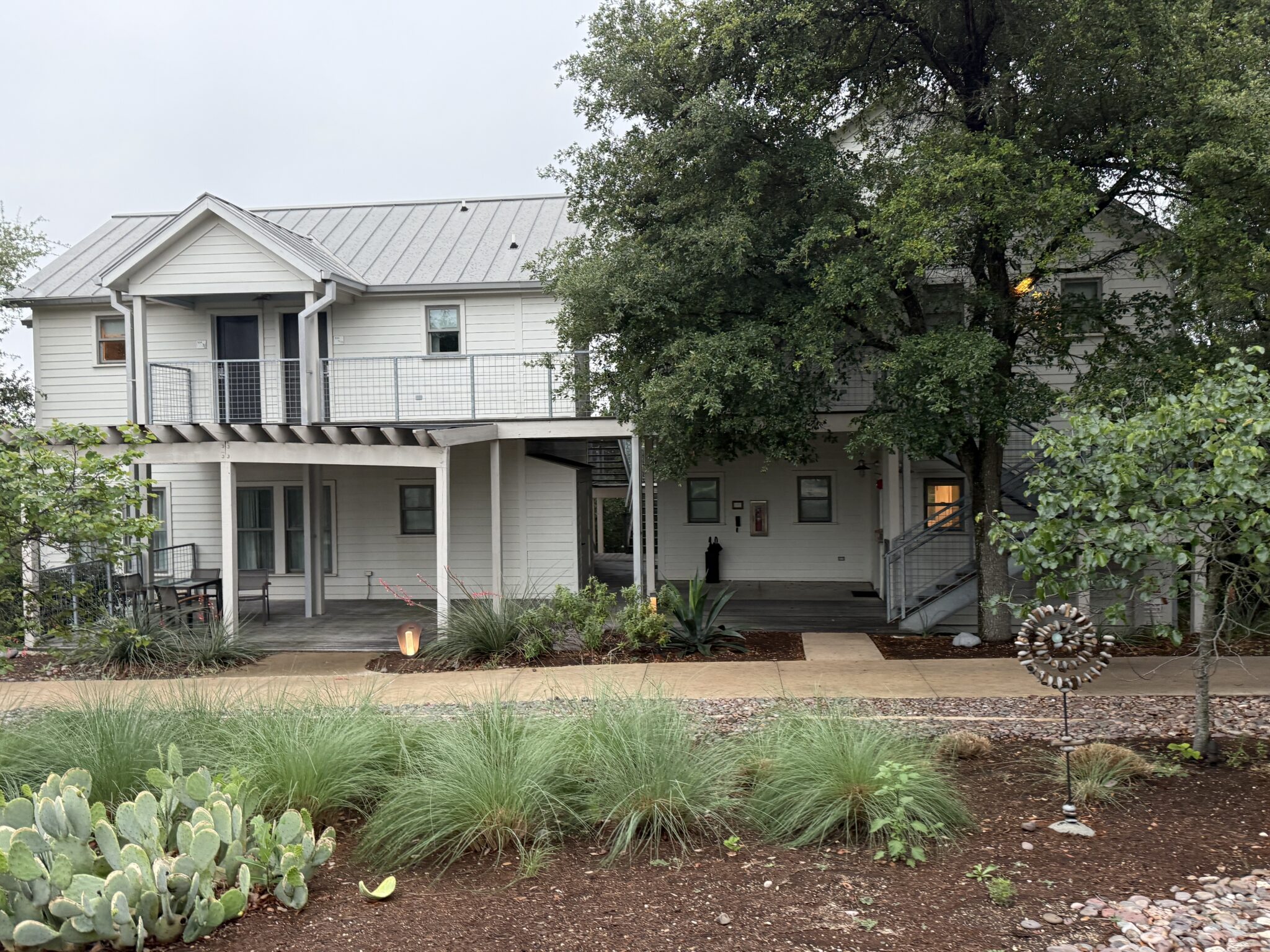
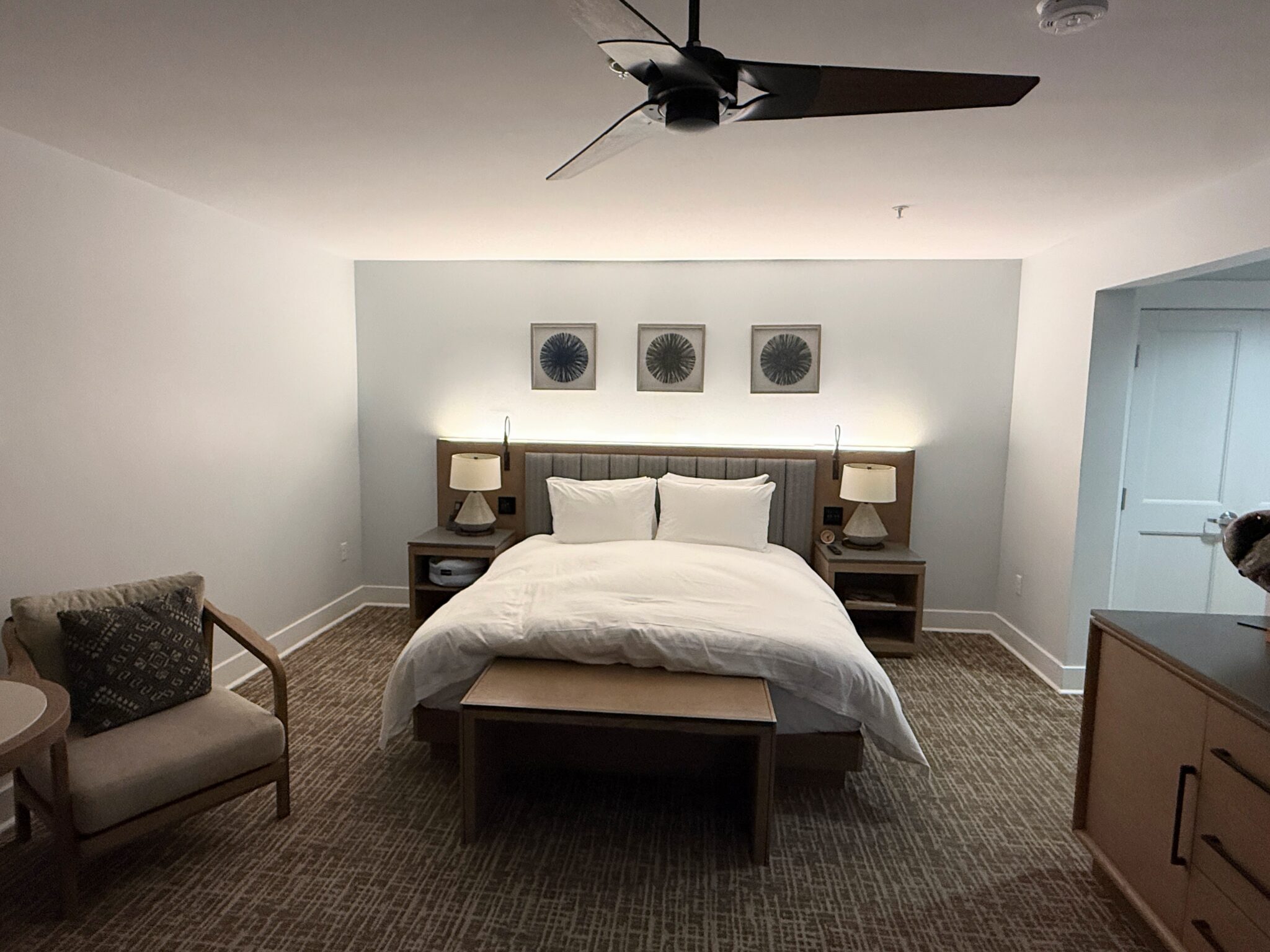
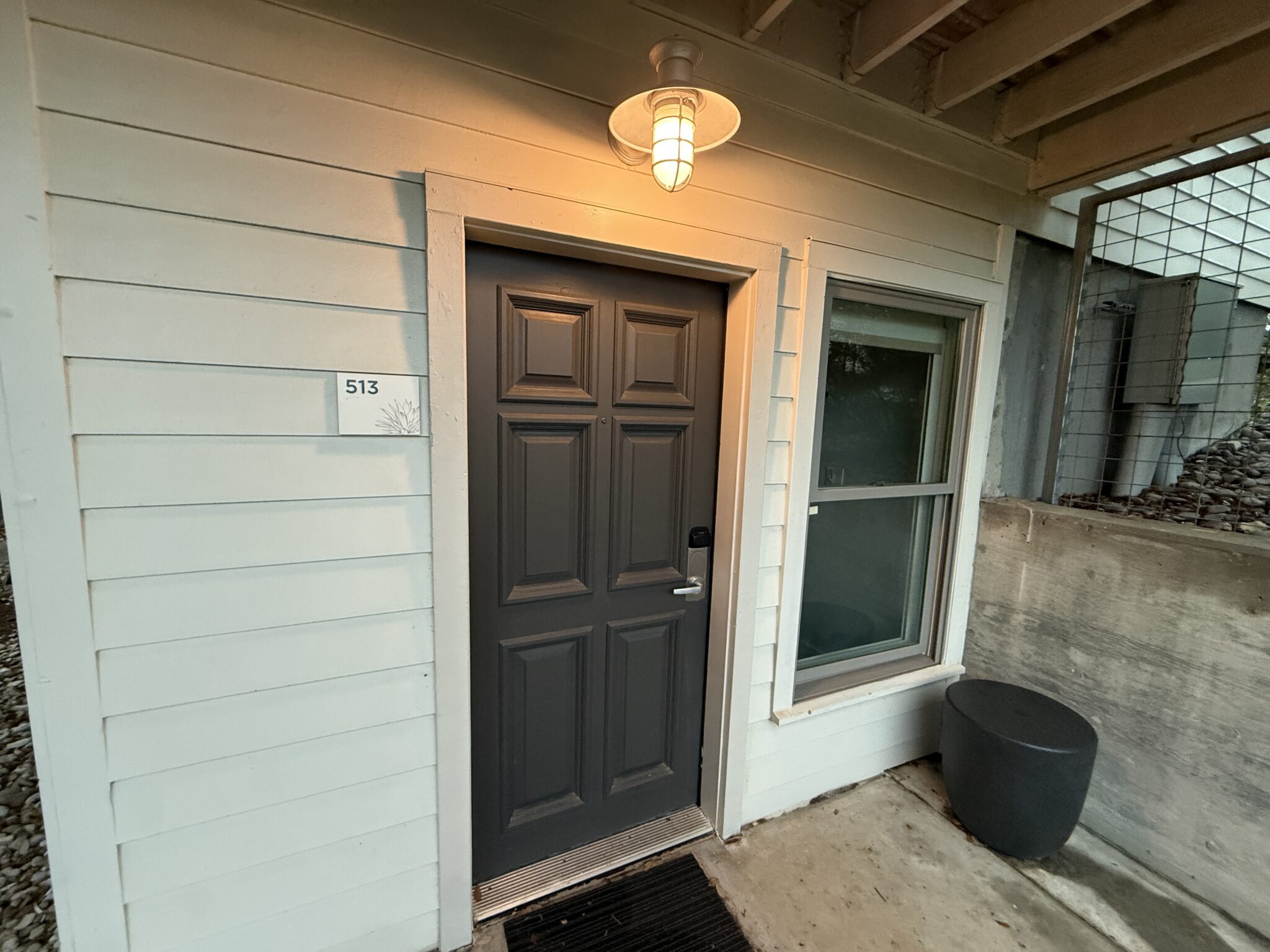
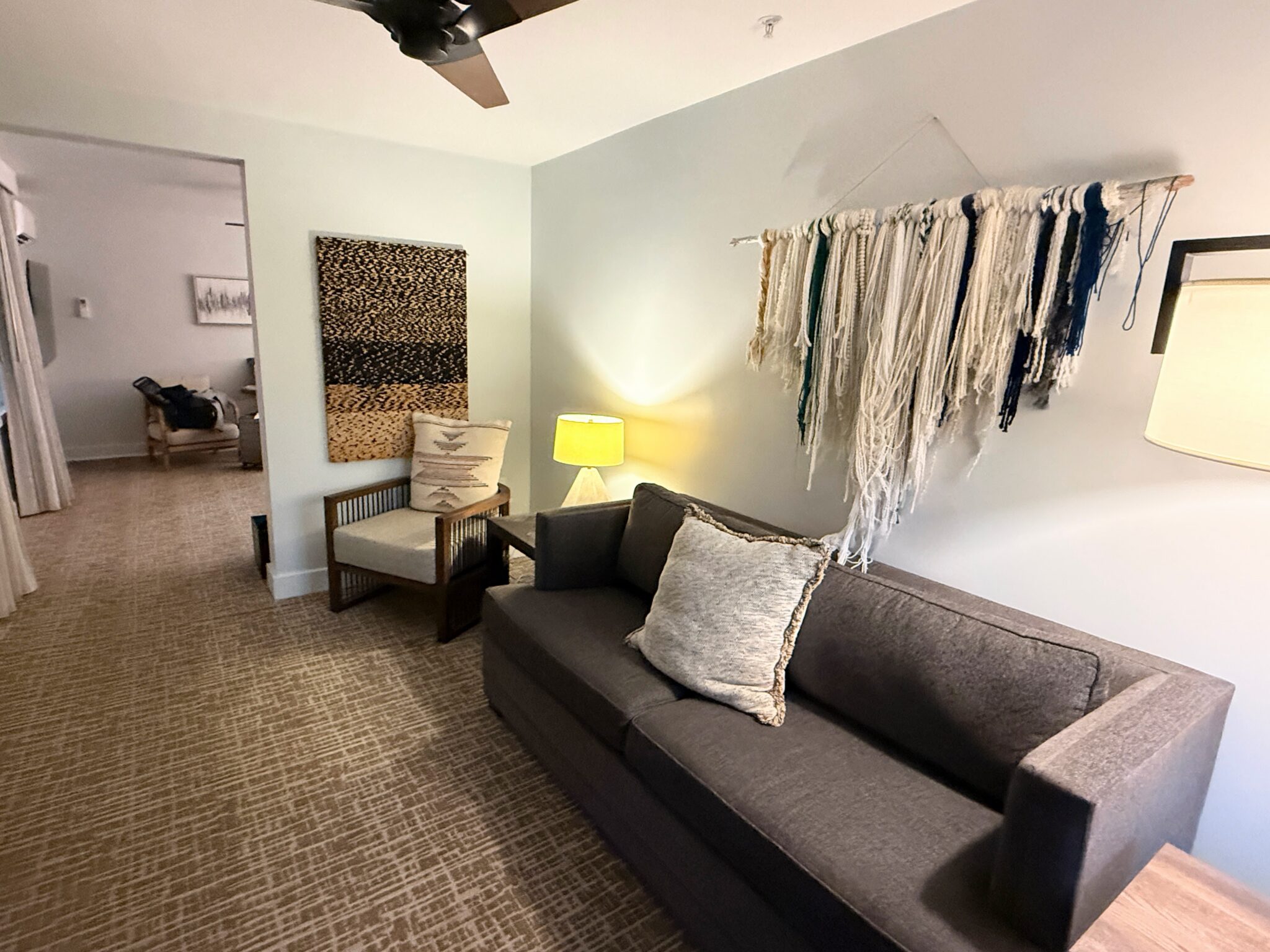
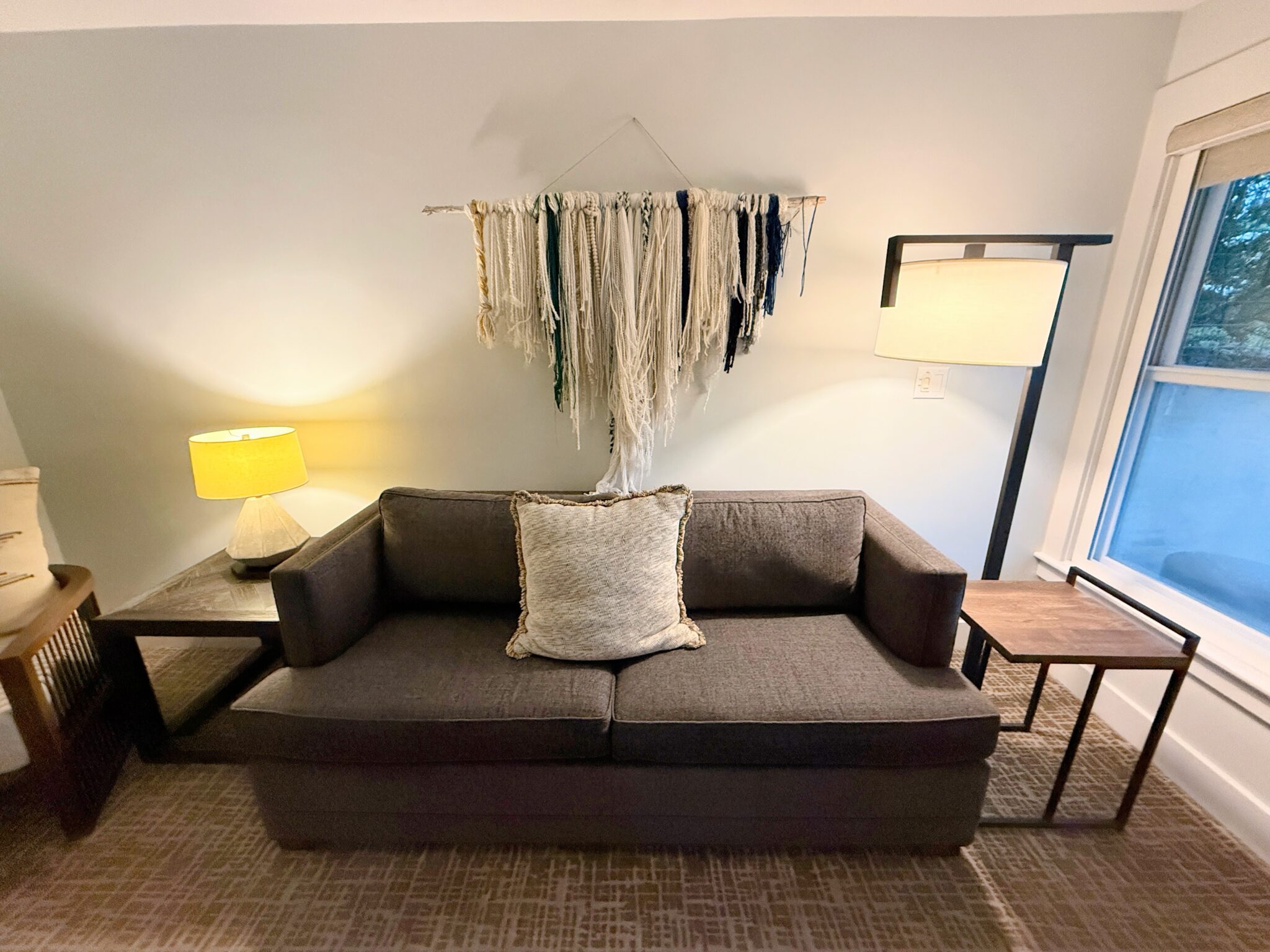
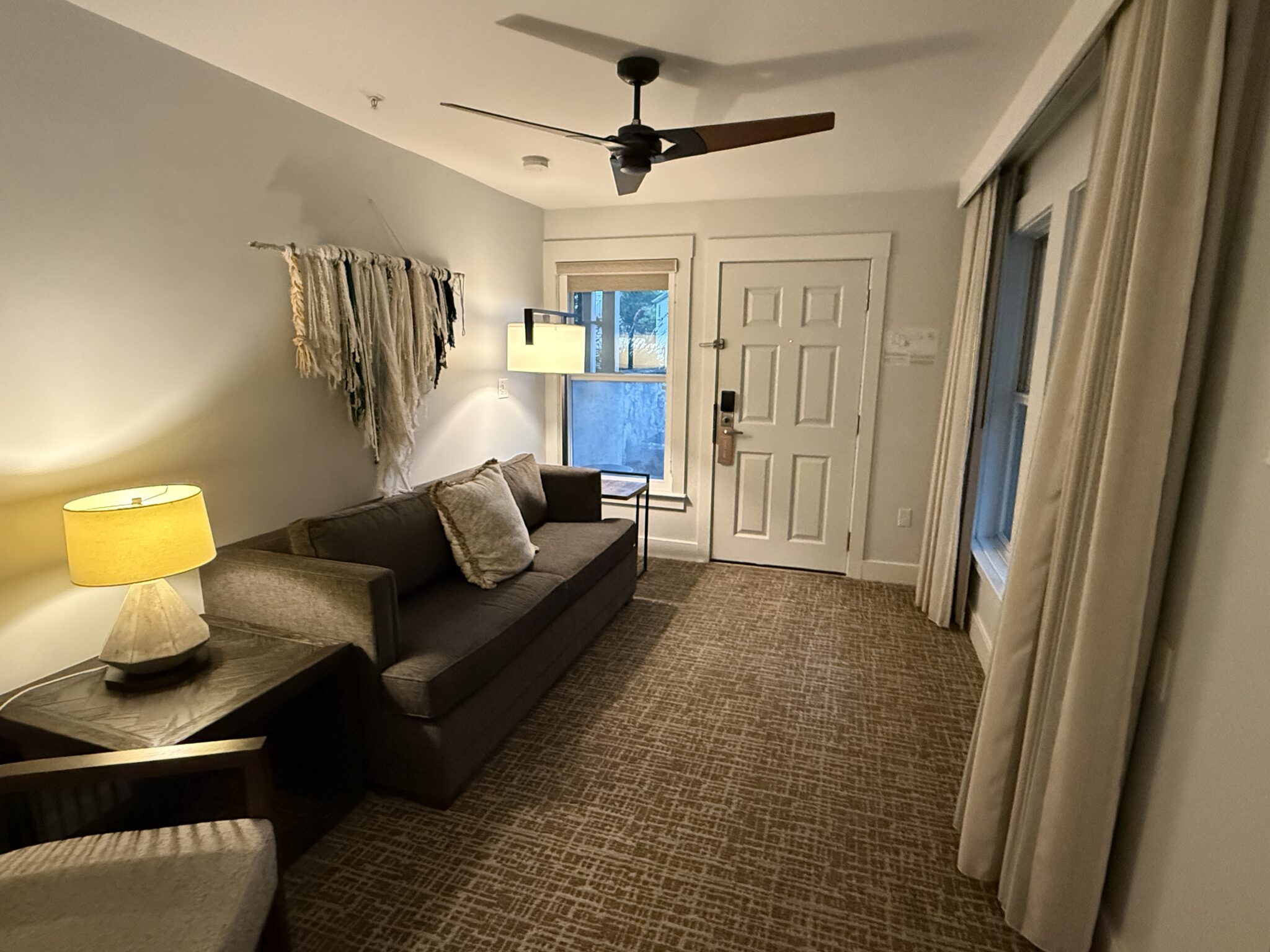
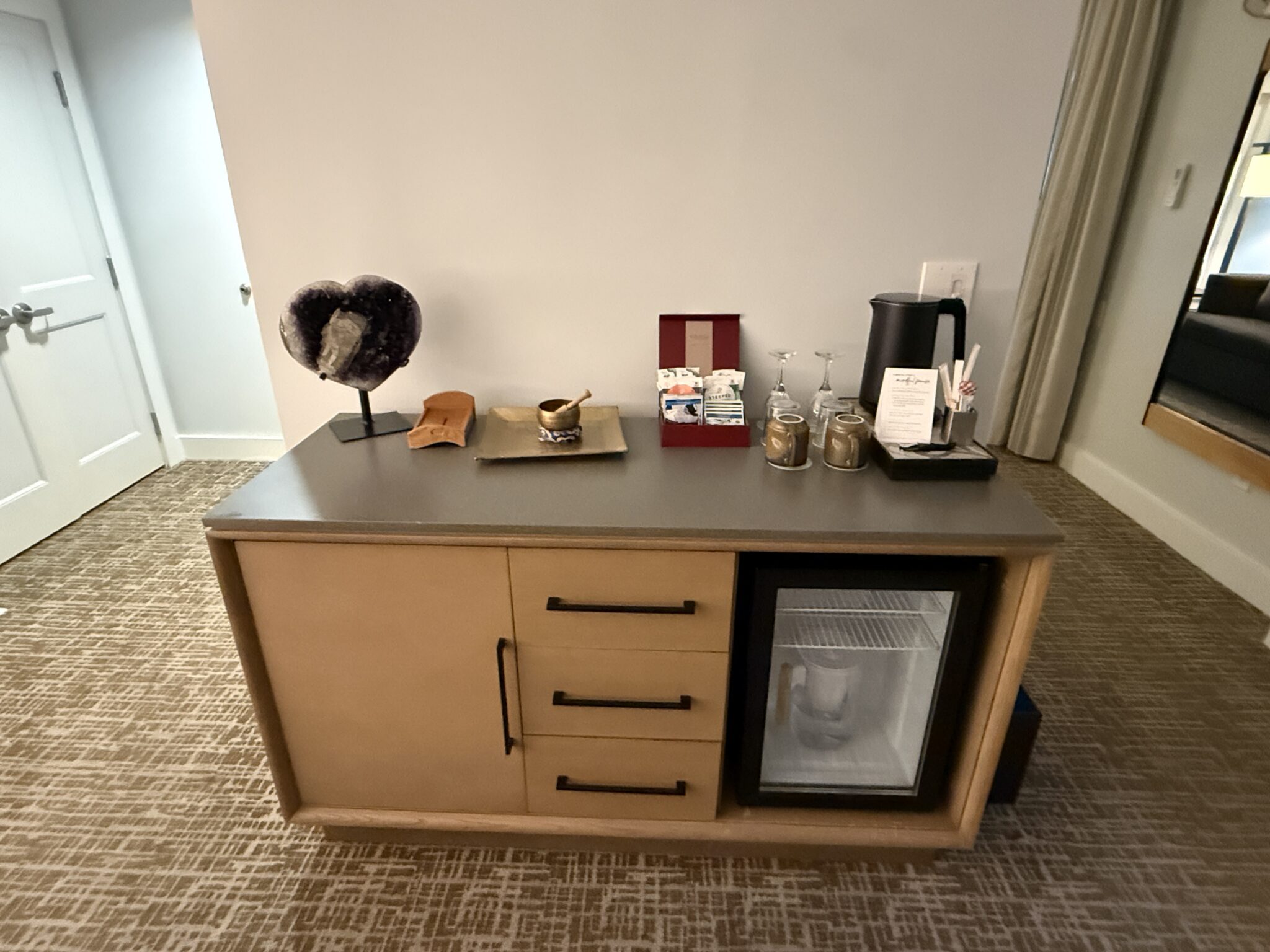
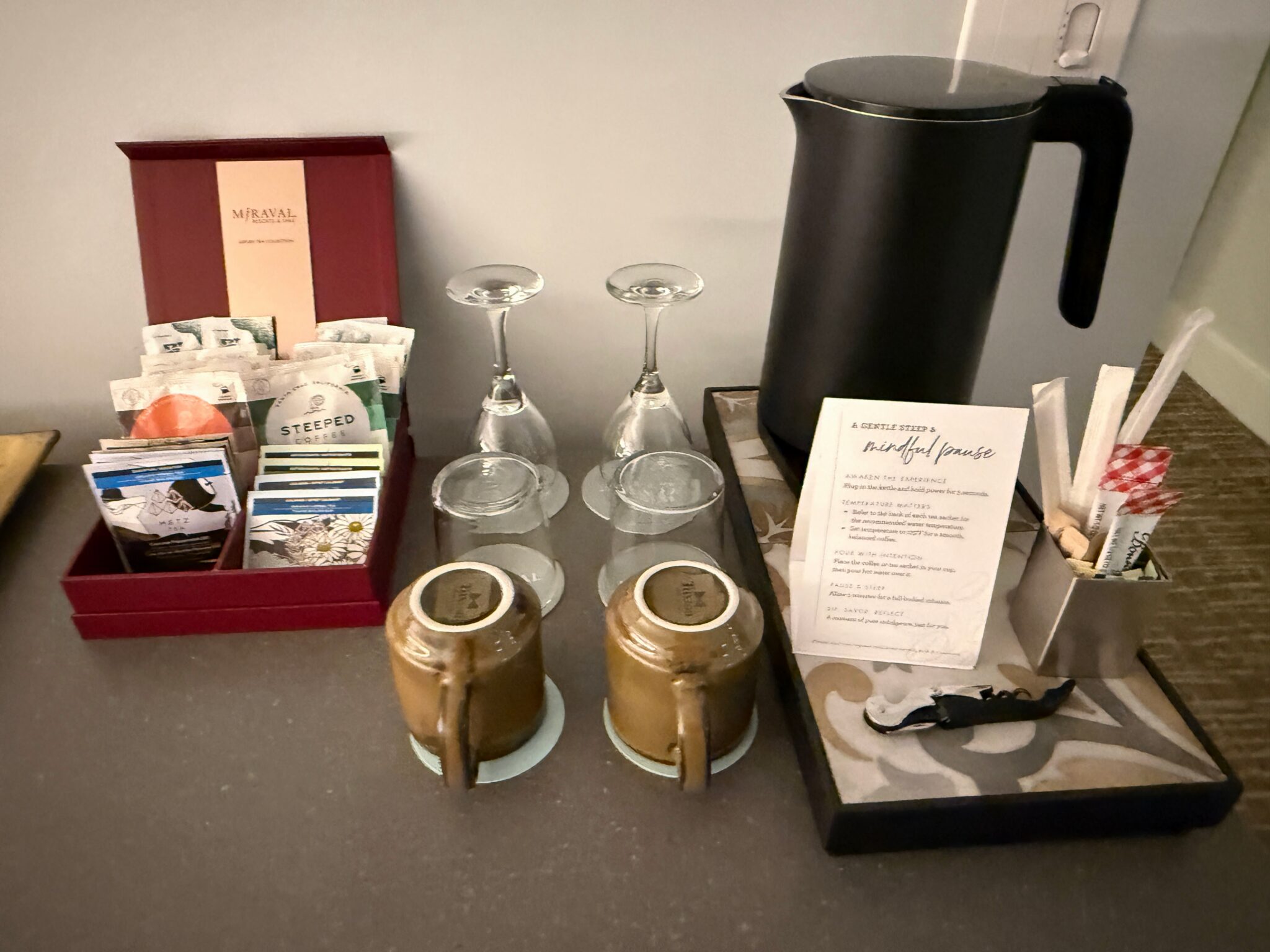
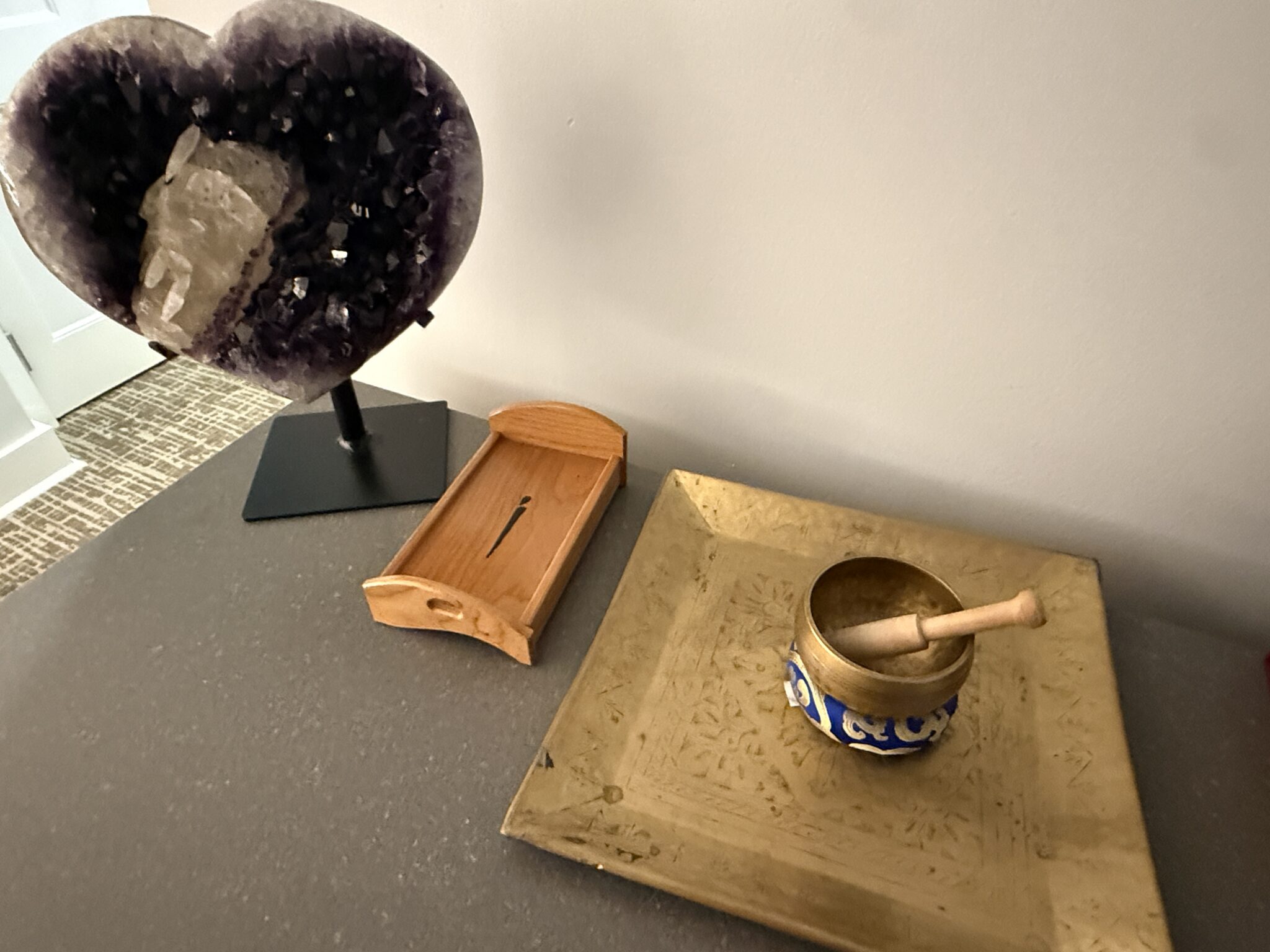
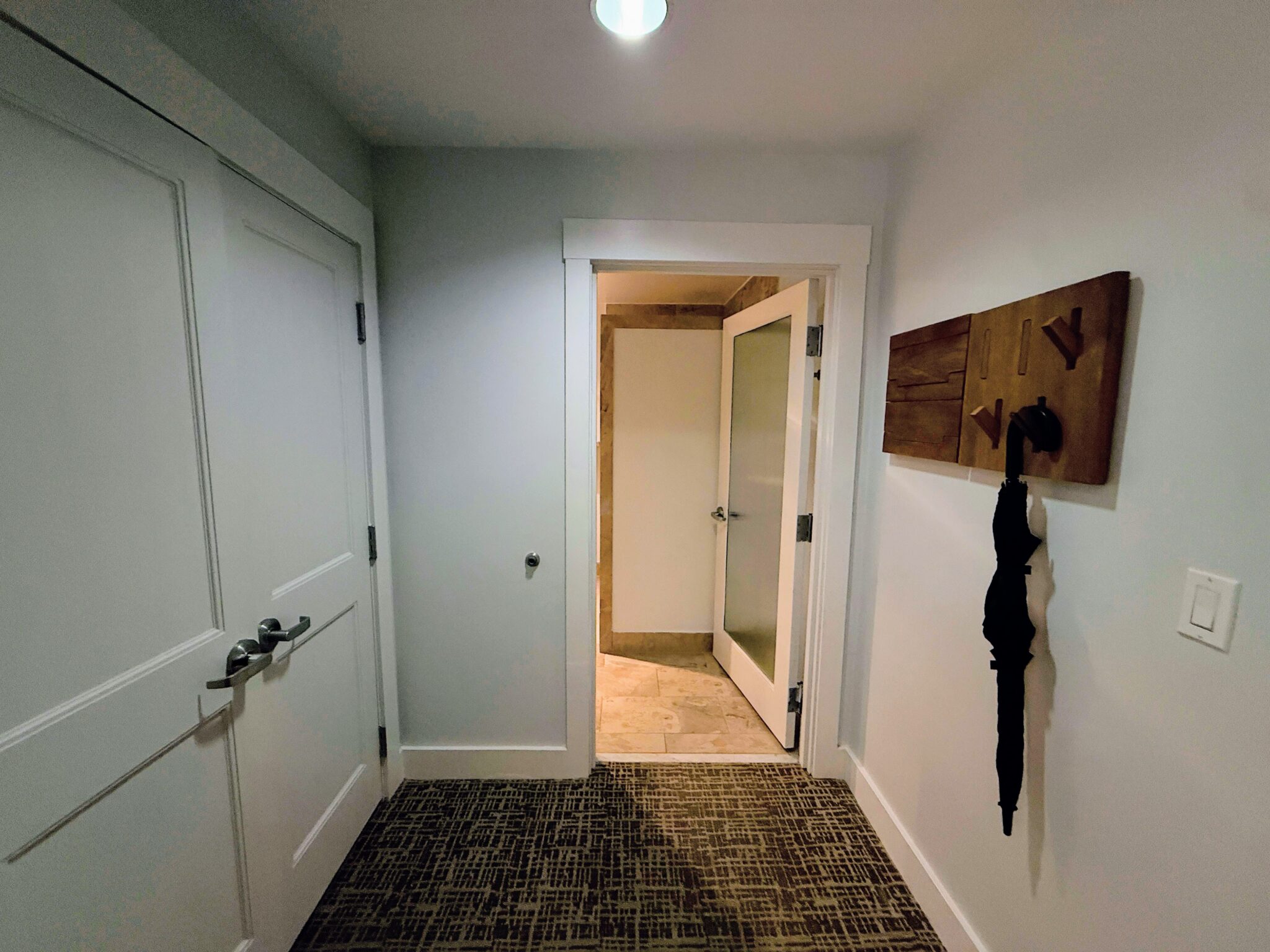
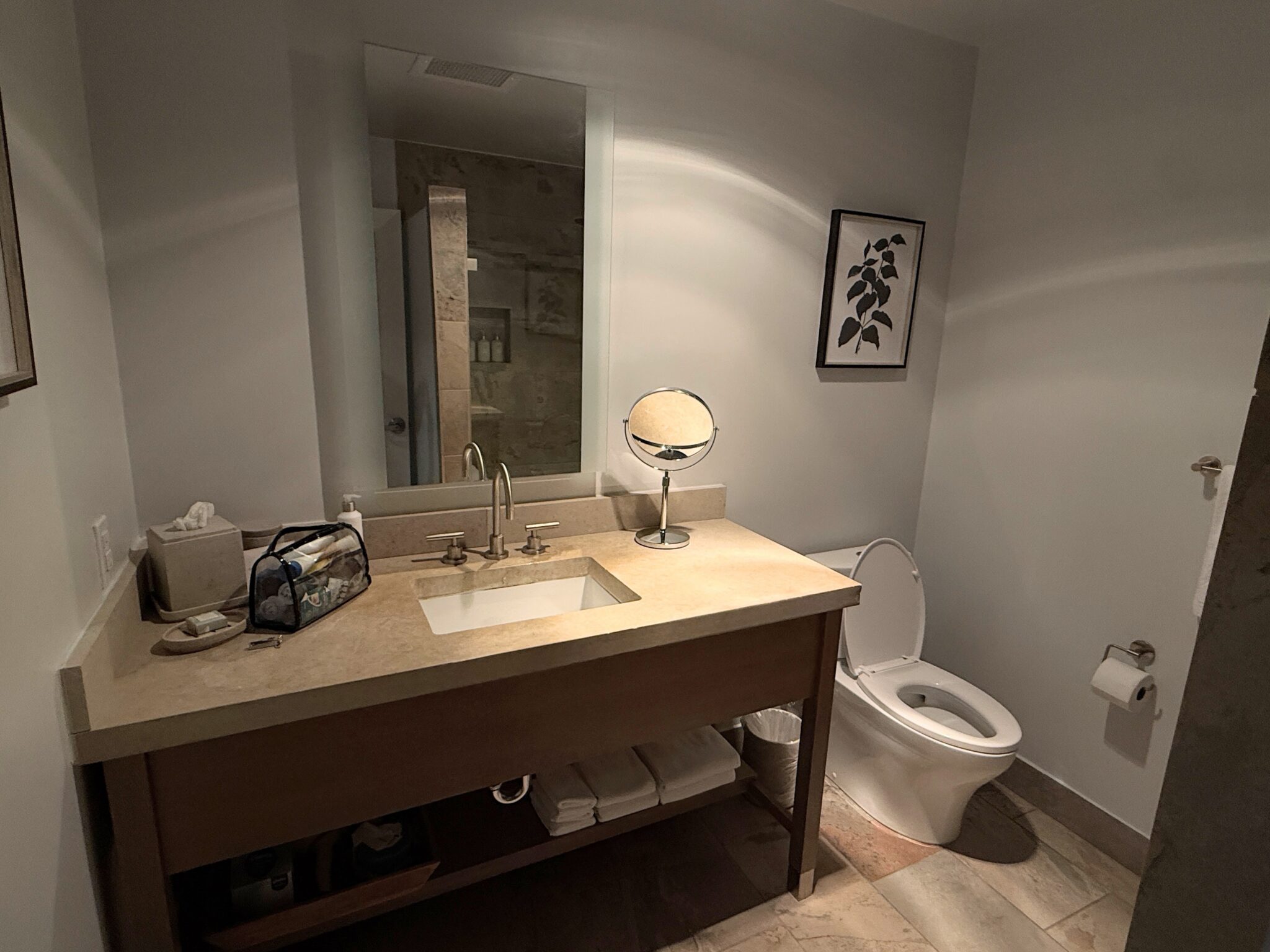
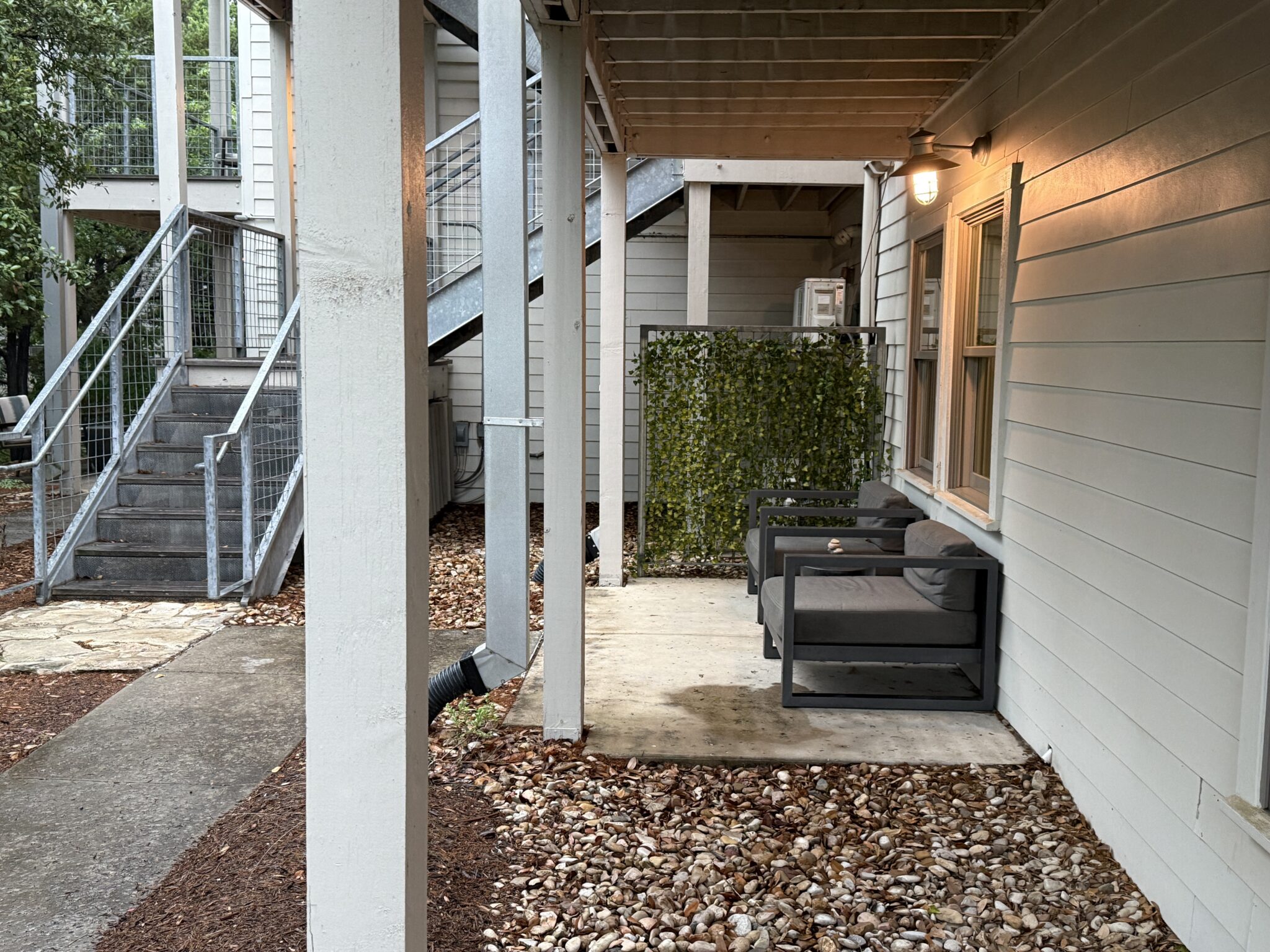
The guest accommodations, such as the first-floor Balcony Studio Suites, are designed with a minimalist, earthy aesthetic. While some guests have noted that the rooms can feel dark, the design choice is intentional, meant to promote rest and recovery. Standard room amenities at Miraval Austin go beyond the traditional luxury hotel offering, featuring specialized tea setups with temperature-controlled kettles calibrated for different tea varieties, Brita-style water filtration pitchers to reduce plastic waste, and "singing bowls" for personal meditation. These details are part of a broader effort to differentiate the Miraval experience from the standard "spa weekend" offered by competitors like Four Seasons or Ritz-Carlton.
Culinary Philosophy and the Hilltop Crossings Kitchen
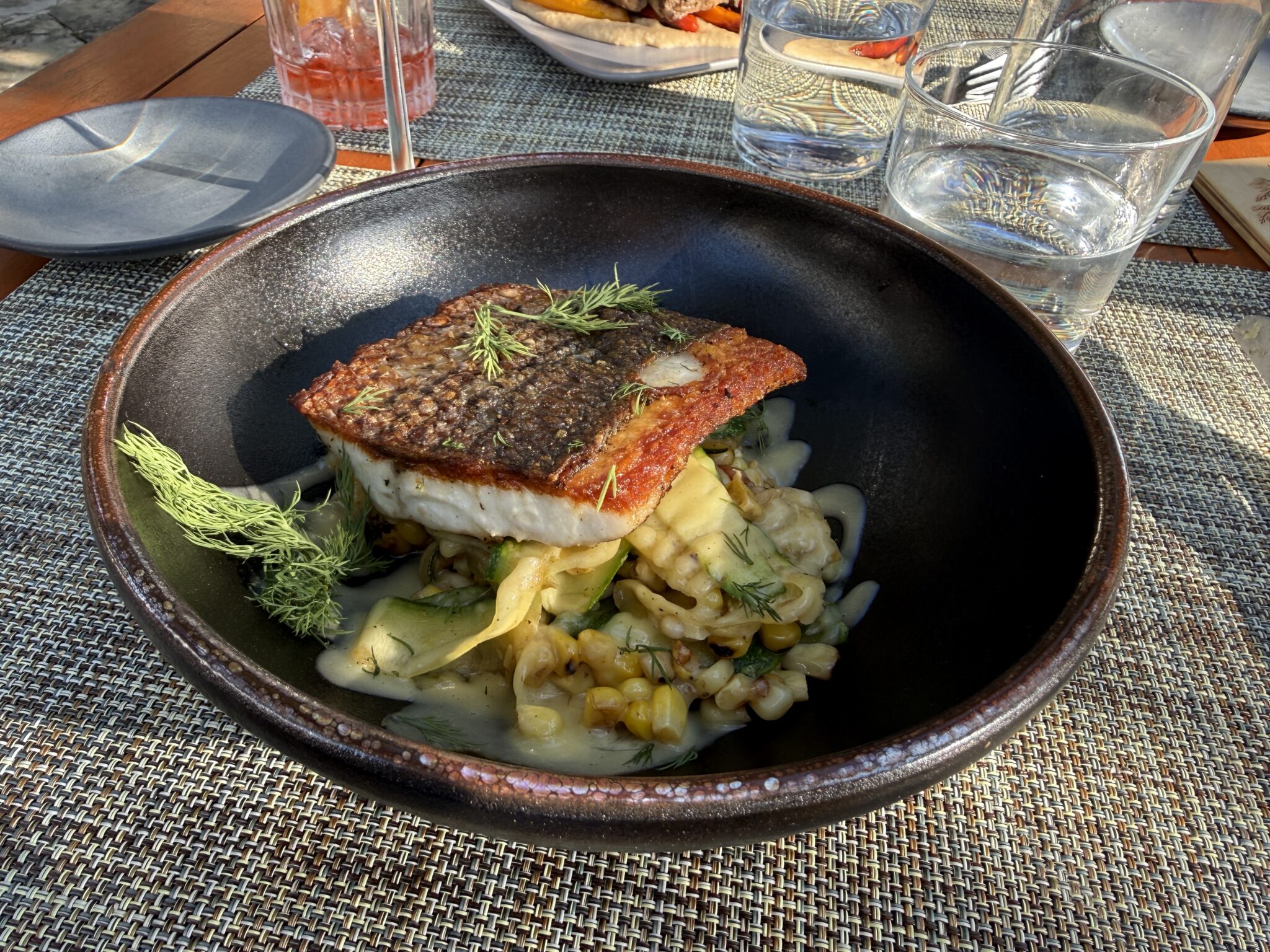
A critical component of the Miraval value proposition is its culinary program. At Miraval Austin, the primary dining venue is Hilltop Crossings Kitchen, which operates on a rotating menu designed to balance nutritional density with gourmet appeal. The resort’s "all-inclusive" nature extends to high-quality proteins and specialized diets, featuring dishes such as 44 Farms New York Strip steak, elk entrées, and seared ahi tuna with ginger and edamame.
The dining experience is structured to accommodate both social interaction and personal reflection. The restaurant features a "wine wall" that divides the space into distinct sections, and an outdoor patio that provides sunset views over the Balcony Canyonlands Preserve. For more casual needs, the Nest Cafe serves as a secondary hub, offering high-end smoothies, coffee drinks, and grab-and-go snacks during the day, before transitioning into a cocktail bar in the evening. This dual-purpose approach ensures that while the focus remains on wellness, the traditional luxuries of a high-end resort remain available.
Property Facilities: From Serenity Pools to Sensory Gardens
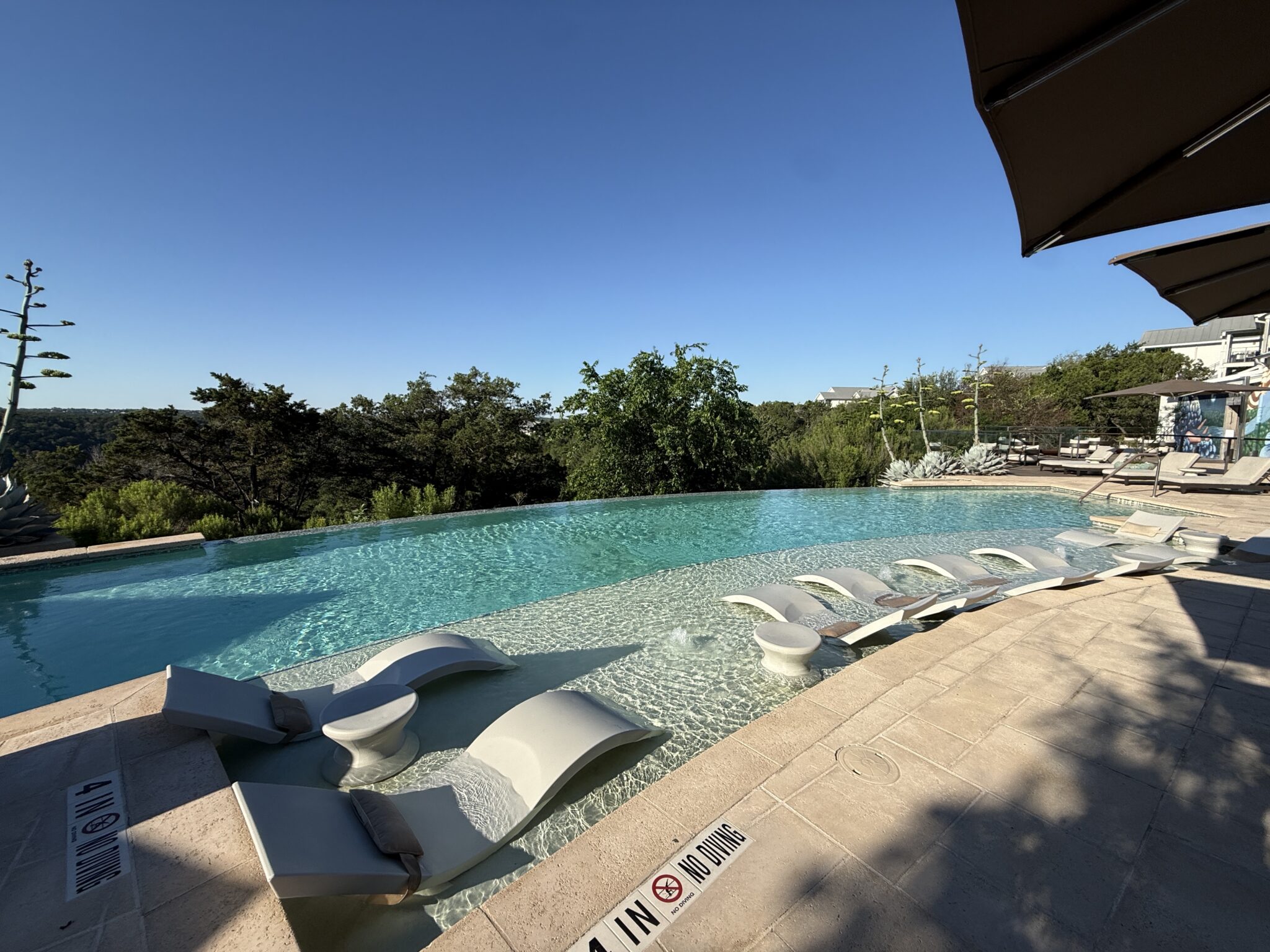
The 220-acre property is divided into several zones of activity and relaxation. The resort features two primary aquatic areas: the Discovery Pool and the Serenity Pool. The Discovery Pool is situated near the cafe and serves as a central social hub, while the Serenity Pool is an infinity-edge installation that offers a more quiet, meditative atmosphere with tiered fountains and views of the surrounding hills.
For spiritual and mental wellness, the property features several specialized structures:
- The Yoga Barn: A dedicated space for physical practice featuring an outdoor terrace for open-air sessions.
- The Sensory Garden: A landscaped area filled with windchimes and native plants, designed to stimulate the senses and provide a space for quiet contemplation.
- The Solidago: Often cited as the most architecturally significant building on the property, the Solidago is the oldest structure at the resort. It is used for sound bath experiences and features courtyards that can be opened to the elements.
- The Labyrinth: Located near the Solidago, this stone path is used for walking meditations, particularly popular at dusk and dawn.
Furthermore, the Silver Trail provides a wooded path through the property, equipped with strategically placed hammocks for guests to engage in "forest bathing," a practice of immersing oneself in nature to reduce stress.
Market Context and the Growth of Wellness Tourism
The resilience of Miraval’s business model, even during periods of high occupancy where the resort is fully sold out, reflects a broader trend in the global travel industry. According to data from the Global Wellness Institute, the wellness tourism market is projected to reach $1.1 trillion by 2025, growing at a faster rate than the general tourism industry. Travelers are increasingly seeking "transformative" experiences rather than simple leisure, leading to a surge in demand for properties that offer structured personal development.
Hyatt’s decision to maintain Miraval as a distinct brand with its own identity, rather than absorbing it into its standard luxury brands like Park Hyatt, has allowed it to cultivate a devoted following. These "Miraval fans" often visit the properties annually, viewing the cost not as a lodging expense but as an investment in mental health. The property’s ability to maintain a feeling of uncrowded tranquility, even when at 100% capacity, is a testament to the operational efficiency of the "retreat center" model.

Analysis of Implications for the Luxury Traveler
For the luxury traveler, Miraval Austin presents a unique trade-off. While the cash rates are among the highest in the Hyatt portfolio, the all-inclusive nature of the stay can lead to significant savings on activities and dining that would otherwise be billed a la carte at a traditional five-star resort. However, the property is not without its critics. Some visitors have noted that the architecture can occasionally feel more like a corporate retreat center than a boutique hotel, and certain room locations—particularly first-floor suites—may lack the privacy or natural light expected at the $2,000-per-night price point.
Despite these minor critiques, the overall impact of the Miraval Austin experience is overwhelmingly positive for its target audience. The "thumbs up" reception from guests who were initially skeptical of the wellness-first approach suggests that Hyatt has successfully identified a gap in the market: a place where luxury and rigorous self-care intersect.
Future Outlook for the Miraval Brand
Looking ahead, Hyatt is expected to continue its cautious but deliberate expansion of the Miraval brand. With a new location recently opened in the Middle East as part of the Red Sea Project, Hyatt is testing the international scalability of the American wellness model. Domestically, the success of the Austin property has solidified the brand’s presence in the southern United States, providing a year-round alternative to the seasonal climates of the Berkshires or the intense summer heat of Arizona.
As the hospitality industry continues to pivot toward experiential and health-focused travel, Miraval Austin stands as a flagship for Hyatt’s vision. It is a property that prioritizes the "digitally-detoxed rhythm of relaxation" over traditional hotel metrics, proving that in the modern era, the ultimate luxury may simply be the space and silence required to reconnect with oneself. For Hyatt, the Miraval brand is no longer just a niche acquisition; it is a vital engine for loyalty and a benchmark for the future of the high-end hospitality sector.




 Tatiana Tantri Indah Sari
 Anjar Salim
 Chandra Hamzah
