
 Tatiana Tantri Indah Sari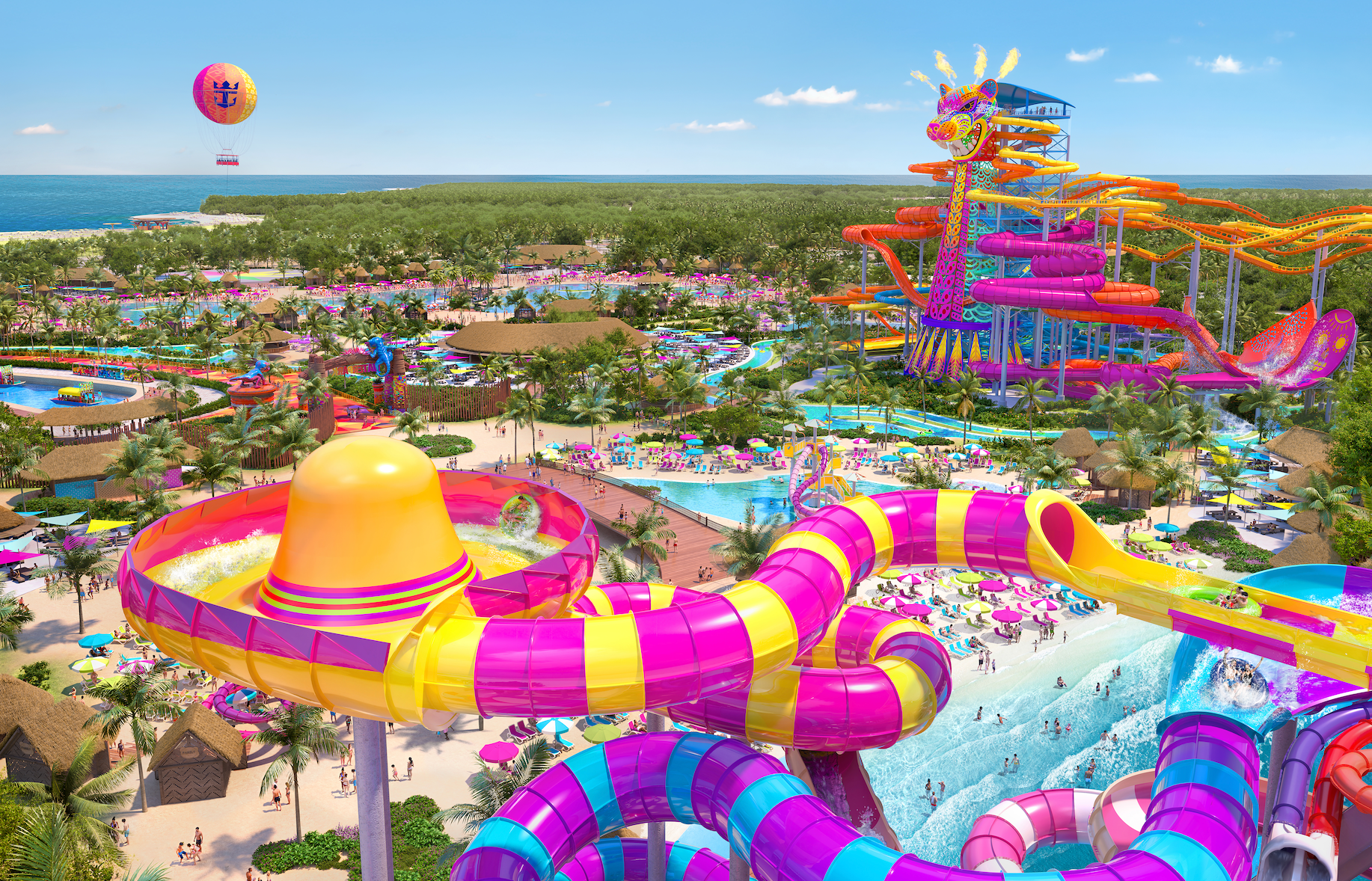
At what point in the investment cycle does environmental risk now need to be priced in? The answer, increasingly, is before the land is bought. This fundamental shift in development paradigms has been starkly illustrated by the recent decision from Mexican authorities to reject Royal Caribbean’s ambitious "Perfect Day Mexico" project, a colossal water park planned for the pristine Caribbean coast of Quintana Roo. Billed by the cruise giant as a sustainable development and an undertaking "bigger and bolder than anything we have done to date," the proposed facility, intended to be one of Latin America’s most extravagant water parks, has collapsed under the weight of environmental scrutiny, primarily due to its adjacency to the ecologically sensitive Mesoamerican Barrier Reef.
The Ambitious Vision: "Perfect Day Mexico"
Royal Caribbean’s "Perfect Day Mexico" was conceptualized as an expansive, luxury recreational complex designed to cater to thousands of cruise passengers and tourists. The vision encompassed an impressive array of attractions: over 30 waterslides, six distinct pools, three artificial beaches, a sprawling culinary scene with 12 restaurants, and 24 bars. All of this was planned to span an enormous 107 hectares (approximately 264 acres) of Mexico’s Caribbean coastline. The sheer scale of the project underscored Royal Caribbean’s intent to create a landmark destination, mirroring the success of its "Perfect Day at CocoCay" private island in the Bahamas.
The proposed site for this massive development was Mahahual, a quiet fishing village home to approximately 2,600 residents in the state of Quintana Roo. Mahahual is located on the Costa Maya, a region known for its relatively untouched natural beauty and growing popularity as a cruise ship port of call. For Royal Caribbean, the strategic location offered direct access for its cruise lines, promising a significant increase in tourist traffic and economic activity in the area. The company’s public relations emphasized the project’s commitment to sustainability, despite its colossal footprint, aiming to brand it as an environmentally conscious endeavor that would integrate with the natural surroundings.
The Unseen Threat: Proximity to the Mesoamerican Barrier Reef
The primary and ultimately insurmountable obstacle for "Perfect Day Mexico" was its geographical positioning: directly adjacent to the Mesoamerican Barrier Reef System (MBRS). This reef system is not merely a local attraction but a global ecological treasure, recognized as the second-largest coral reef system in the world, surpassed only by Australia’s Great Barrier Reef. Stretching over 1,000 kilometers (approximately 620 miles) along the coasts of Mexico, Belize, Guatemala, and Honduras, the MBRS is a vibrant underwater metropolis teeming with an extraordinary diversity of marine life.
The MBRS is a critical habitat for hundreds of species of hard and soft corals, over 500 species of fish, and a host of other marine organisms, including endangered species such as manatees, sea turtles (green, loggerhead, hawksbill, and leatherback), and whale sharks. Beyond its intrinsic biodiversity, the reef system provides invaluable ecological services. It acts as a natural breakwater, protecting coastal communities from storm surges and erosion. It supports vital fisheries, providing sustenance and livelihoods for countless local communities. Furthermore, its breathtaking beauty fuels a significant eco-tourism industry, drawing divers, snorkelers, and nature enthusiasts from around the globe.
However, the MBRS is also one of the most threatened reef systems globally. It faces a relentless barrage of stressors, including climate change (leading to coral bleaching and ocean acidification), overfishing, pollution from agricultural runoff and inadequate wastewater treatment, and perhaps most critically, unregulated or poorly planned coastal development. The delicate balance of its ecosystems makes it highly vulnerable to even minor alterations in water quality, sediment load, and habitat integrity. The proposed scale of "Perfect Day Mexico," with its extensive construction, increased human traffic, and demands on local resources, presented an undeniable and immediate threat to this fragile natural wonder.
Mexico’s Environmental Regulatory Framework and the EIA Process
Mexico possesses a comprehensive, albeit sometimes challenged, legal framework designed to protect its rich natural heritage. The primary federal authority responsible for environmental policy and enforcement is the Secretaría de Medio Ambiente y Recursos Naturales (SEMARNAT), the Ministry of Environment and Natural Resources. Under Mexican law, any project that has the potential to significantly impact the environment is required to undergo a rigorous Environmental Impact Assessment (EIA) process.
The EIA is a cornerstone of environmental governance, mandating that developers submit detailed studies outlining the potential environmental consequences of their projects, proposing mitigation measures, and demonstrating the project’s overall sustainability. For projects located in or near environmentally sensitive areas, such as protected natural areas, coastal zones, or critical habitats like the MBRS, the scrutiny is exceptionally high. SEMARNAT’s role is to evaluate these EIAs, often involving public consultations and expert reviews, before granting or denying permits. The General Law of Ecological Balance and Environmental Protection (LGEEPA) provides the overarching legal framework, emphasizing the principle of sustainable development and the protection of biodiversity.
In the case of "Perfect Day Mexico," the project’s proximity to the MBRS placed it squarely within the highest category of environmental risk. The proposed construction activities, including dredging, land clearing, and infrastructure development, carried the risk of increased sedimentation, which can smother corals and reduce light penetration vital for their survival. The operation of a massive water park also entails significant demands on freshwater resources, wastewater generation, and solid waste management, all of which could place immense pressure on the local environment and the fragile coastal aquifer system, potentially leading to contamination or depletion.
A Timeline of Development and Rejection
The journey of "Perfect Day Mexico" from concept to rejection involved several stages, reflecting both Royal Caribbean’s ambition and the growing resistance from environmental advocates.
- Pre-2020: While specific dates for the initial land acquisition and conceptualization remain somewhat proprietary, it is understood that Royal Caribbean had been exploring opportunities for expanding its "Perfect Day" concept beyond CocoCay for several years. The Mahahual site, with its strategic location on the Costa Maya, likely emerged as a prime candidate due to its accessibility for cruise ships and its relatively underdeveloped status compared to more saturated tourist hubs like Cancun or Playa del Carmen.
- Early 2020s (Estimated): Royal Caribbean formally initiated the planning process, commissioning environmental studies and preparing its Environmental Impact Assessment (EIA) for submission to SEMARNAT. This phase would have involved preliminary designs and an initial assessment of the site’s suitability.
- Mid-2022 to Early 2023 (Inferred): The EIA was submitted to SEMARNAT for review. This triggers a formal process of evaluation by government experts, often complemented by independent scientific reviews and, crucially, a period for public consultation. During this phase, details of the project would have become more widely known, drawing the attention of local communities, non-governmental organizations (NGOs), and environmental scientists.
- Late 2023: Environmental groups, both local and international, began to voice strong opposition to the project. Organizations such as the Mexican Center for Environmental Law (CEMDA), Greenpeace Mexico, and local conservation collectives highlighted the severe risks the project posed to the MBRS, the coastal ecosystem, and the livelihoods of local fishermen. They pointed to the potential for irreversible damage to coral reefs, mangrove forests (which act as nurseries for marine life and coastal protection), and the disruption of local communities. Concerns also centered on the immense water demand for such a facility in a region already facing water scarcity issues, and the capacity of local infrastructure to handle the waste generated by a project of this magnitude.
- Early 2024: Following a thorough review of the EIA and consideration of public and expert input, SEMARNAT officially announced its rejection of the "Perfect Day Mexico" project. While the precise details of SEMARNAT’s rejection letter are not publicly detailed in the snippet, the underlying reasons are consistently linked to the project’s potential for unacceptable environmental damage, particularly to the Mesoamerican Barrier Reef and the surrounding coastal ecosystems. The decision underscored the regulatory body’s determination to prioritize environmental protection over large-scale commercial development deemed ecologically unsustainable.
Reactions and Implications
The rejection of "Perfect Day Mexico" elicited a range of reactions from various stakeholders, each reflecting their distinct interests and perspectives.
Royal Caribbean: While a formal statement from Royal Caribbean regarding this specific rejection has not been widely publicized, it can be inferred that the company would express disappointment. Publicly, Royal Caribbean often emphasizes its commitment to sustainable tourism and environmental stewardship through initiatives like "Project Ocean" and investments in cleaner ship technologies. A likely statement would acknowledge SEMARNAT’s decision, reiterate their dedication to responsible development, and perhaps suggest they will explore alternative sites or revised, more environmentally sensitive plans for future projects in the region. The company’s internal analysis would undoubtedly focus on the increasing stringency of environmental regulations and the need for even more robust upfront environmental due diligence.
Mexican Environmental Authorities (SEMARNAT): Officials from SEMARNAT would likely stand by their decision, emphasizing their mandate to uphold national environmental laws and protect Mexico’s natural heritage. Their stance would be framed around the necessity of balancing economic development with ecological preservation. The rejection serves as a clear signal that projects, regardless of their economic promise, will not be approved if they pose an undue risk to critical ecosystems, especially internationally recognized ones like the MBRS. This decision reinforces Mexico’s commitment to protecting its biodiversity and adhering to international environmental agreements.
Environmental Organizations and Local Communities: For environmental groups and many local residents of Mahahual, SEMARNAT’s decision represents a significant victory for conservation. Organizations that had actively campaigned against the project would hail the outcome as a testament to the power of collective advocacy and scientific evidence in safeguarding natural resources. They would likely call for continued vigilance against similar large-scale projects and advocate for sustainable, community-led tourism initiatives that truly benefit local populations without compromising the environment. While some local residents might lament the loss of potential job opportunities and economic influx, many would express relief that their traditional livelihoods, such as fishing, and the natural beauty that defines their home, have been protected from potentially irreversible harm.
Tourism Industry Analysts: Industry observers would view this rejection as a powerful indicator of a global trend. The era of unchecked, large-scale tourism development in sensitive areas is increasingly drawing a halt. Analysts would note that investors and developers must now factor environmental risk and regulatory hurdles more prominently into their early-stage planning. The decision reinforces the growing consumer demand for responsible and eco-conscious travel, pushing corporations to integrate genuine sustainability into their core business models rather than relying on "greenwashing" tactics. It also highlights the evolving role of host governments in asserting their environmental sovereignty.
Supporting Data and Broader Implications
The rejection of "Perfect Day Mexico" resonates with several critical data points and broader implications for both the tourism industry and environmental conservation.
Economic Value of Healthy Reefs: The economic contribution of the MBRS to the regional economies of Mexico, Belize, Guatemala, and Honduras is immense. Studies estimate that healthy coral reefs globally contribute billions of dollars annually through tourism, fisheries, and coastal protection services. For example, a 2018 report by the World Resources Institute estimated that coral reefs contribute over $375 billion to the global economy each year. Destroying or significantly degrading the MBRS for a single development project would not only be an ecological tragedy but also an economic folly, jeopardizing long-term sustainable income streams for short-term gains.
Water Scarcity and Waste Management: A massive water park like "Perfect Day Mexico" would have placed extraordinary demands on freshwater resources. Quintana Roo, despite its coastal location, faces challenges with freshwater availability, relying heavily on underground aquifer systems and cenotes, which are intrinsically linked to the health of the reef. The daily operation of such a facility would consume millions of liters of water, creating significant wastewater that, if not treated to the highest standards, could leach into the groundwater and eventually into the sea, directly impacting the reef. The logistical challenge of managing solid waste from thousands of visitors daily in a relatively remote area also presents a considerable environmental burden.
Precedent-Setting Decision: SEMARNAT’s firm stance sets a significant precedent. It signals to other developers that Mexico is serious about protecting its natural capital, particularly in regions designated for ecological preservation. This decision may encourage other nations with sensitive coastal ecosystems to adopt similarly stringent environmental review processes, fostering a global shift towards more responsible development. It also empowers local communities and environmental advocates, demonstrating that their voices can indeed influence major government decisions.
Corporate Responsibility and "Greenwashing": The case highlights the ongoing tension between corporate growth ambitions and genuine environmental stewardship. While Royal Caribbean has public environmental initiatives, the scale and location of "Perfect Day Mexico" raised questions about the depth of its commitment to sustainability in practice. The rejection serves as a cautionary tale, underscoring that branding a project as "sustainable" is insufficient if the underlying environmental impact assessment reveals unacceptable risks. Companies are increasingly expected to demonstrate tangible, verifiable environmental benefits and transparently address potential harms.
The Future of Mahahual and Sustainable Tourism: The rejection opens a dialogue about alternative, truly sustainable development models for Mahahual and similar coastal communities. Instead of large, extractive projects, the focus could shift towards small-scale, locally owned eco-tourism ventures that directly benefit residents, preserve cultural heritage, and minimize environmental impact. This could involve promoting responsible diving and snorkeling, cultural tourism, and supporting local artisan markets, aligning economic growth with the long-term health of the ecosystem and community well-being.
In conclusion, the halting of Royal Caribbean’s "Perfect Day Mexico" project marks a pivotal moment in the ongoing global debate between economic development and environmental preservation. It underscores the undeniable truth that in an era of accelerating climate change and biodiversity loss, environmental risk must be assessed, and often prioritized, at the earliest stages of investment. The decision by Mexican authorities to safeguard the invaluable Mesoamerican Barrier Reef system sends a clear message to developers worldwide: the ecological integrity of critical natural assets will increasingly take precedence, challenging the traditional paradigm where economic gain alone dictated the fate of land and sea. This event is a powerful testament to the evolving landscape of corporate responsibility and the growing imperative for genuinely sustainable tourism development.



 Anjar Salim
 Chandra Hamzah
 Budi Mulyono
 Lukman Taruna Persada Ramadan
