
 Budi Mulyono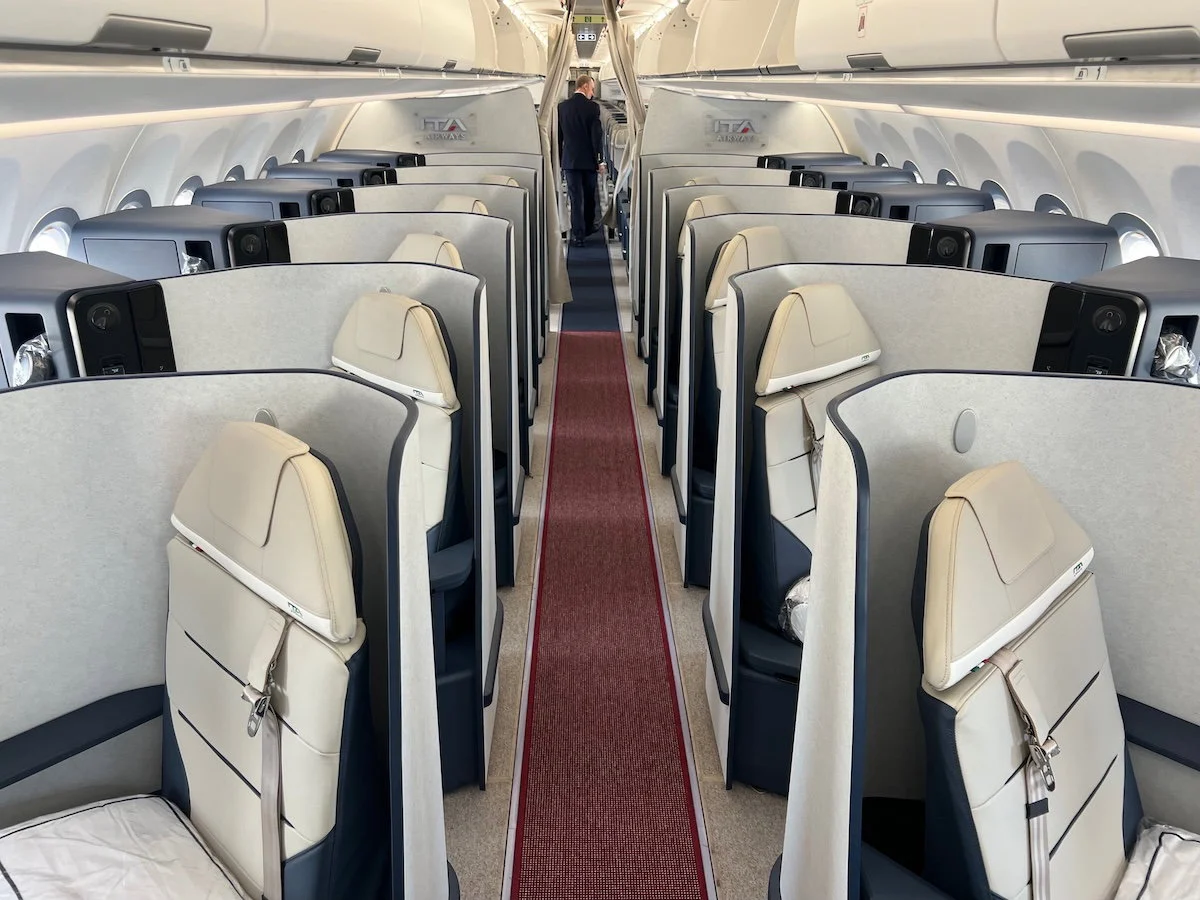
The aviation industry is closely monitoring a potential strategic shift within Delta Air Lines as the carrier grapples with significant regulatory hurdles regarding its new premium narrowbody product. For several years, Delta has been working toward the debut of a highly specialized sub-fleet of Airbus A321neo aircraft designed specifically for the lucrative premium transcontinental market, connecting hubs like New York’s John F. Kennedy International Airport (JFK) with Los Angeles (LAX) and San Francisco (SFO). However, persistent difficulties in securing Federal Aviation Administration (FAA) certification for its chosen business class seating have reportedly led the airline to consider abandoning its original design in favor of a more established alternative.
The Evolution of Delta’s A321neo Strategy
Delta Air Lines currently operates a substantial fleet of Airbus A321neo aircraft, which serve as the backbone of its domestic high-demand network. While the standard configuration of these aircraft features the airline’s latest domestic First Class recliner seats, Delta’s long-term vision included a "premium" version of the A321neo. This sub-fleet was intended to replace aging Boeing 757-200s on transcontinental routes, offering a true international-standard experience on a narrowbody frame.
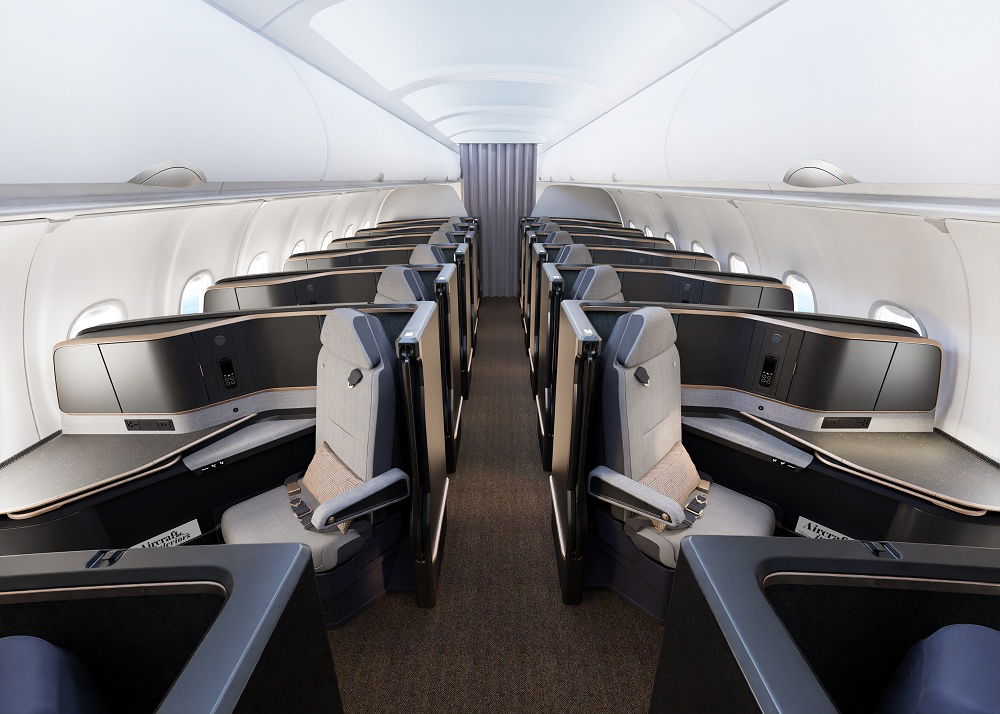
The planned configuration for these premium A321neos was ambitious: a three-cabin layout featuring lie-flat business class suites (Delta One), Premium Select (premium economy), and a refreshed Main Cabin. Central to this strategy was the selection of the Safran Vue seat for the Delta One cabin. The Safran Vue is a "reverse herringbone" design, which positions passengers facing away from the aisle toward the windows. This configuration is widely regarded by aviation experts and frequent flyers as superior to the standard "herringbone" layout, as it typically offers more privacy, better views, and a more intuitive use of space in a narrowbody cabin.
The Certification Crisis and Regulatory Bottlenecks
The transition from concept to operational reality has been marred by what industry insiders describe as a "certification nightmare." In 2024, Delta took delivery of its first A321neo airframe intended for this premium configuration. However, rather than entering service on the JFK-LAX route, the aircraft was immediately placed into long-term storage.
The primary obstacle lies with the FAA’s rigorous safety and "human factors" testing. Modern aircraft seats are subject to stringent dynamic 16G crash testing to ensure they can withstand extreme force while protecting the occupant. For premium suites, which often include complex mechanisms, sliding doors, and integrated airbags, meeting these standards is increasingly difficult.
Furthermore, the FAA has placed a renewed focus on "human factors," which evaluates how a passenger interacts with the seat environment during both normal operations and emergencies. This includes egress testing—ensuring a passenger can quickly exit the suite in the event of a cabin evacuation—and head injury criterion (HIC) tests. Reports suggest that the Safran Vue seat, while innovative, has struggled to meet these specific regulatory benchmarks within the timeline Delta required.
In a recent industry address, FAA Administrator Michael Whitaker noted that the increasing complexity of premium cabin designs has led to a higher rate of failure during the certification phase. This disconnect between seat manufacturers’ design ambitions and the reality of safety regulations has caused a ripple effect across the industry, delaying fleet renewals for several major carriers.
The Reconfiguration Stopgap
Faced with an indefinite delay for the Safran Vue suites, Delta was forced to make a pragmatic operational decision in late 2024. To avoid leaving multimillion-dollar assets idle in storage, the airline began reconfiguring these specific A321neo airframes with a high-density domestic First Class layout.
This temporary configuration is notable for its scale, featuring an unprecedented 44 domestic First Class seats. These aircraft are currently being deployed on high-volume domestic routes, primarily out of Delta’s hub at Hartsfield-Jackson Atlanta International Airport (ATL). While this move allowed Delta to generate revenue from the airframes, it represented a significant setback for the airline’s premium transcontinental product consistency, forcing it to continue relying on older Boeing 757 and 767 aircraft for its flagship domestic routes.
The Rumored Shift: From Safran to Thompson Aero
Recent reports from industry analysts and credible internal sources suggest that Delta may be reaching a breaking point with the Safran Vue project. Rumors indicate that Delta is seriously considering abandoning the Safran seat altogether for its narrowbody fleet. Instead, the airline is reportedly looking to pivot to the Thompson Aero VantageSOLO seat.
The VantageSOLO is a well-established "herringbone" seat specifically engineered for narrowbody aircraft like the A321neo and the upcoming A321XLR. Unlike the reverse herringbone Safran Vue, the VantageSOLO positions passengers facing toward the aisle. While this design is sometimes criticized for offering slightly less window visibility, it is a proven commodity in the industry.
If Delta moves forward with this change, it will be joining several of its closest competitors:
- JetBlue: Uses the VantageSOLO for its highly acclaimed "Mint" suites on the A321LR.
- American Airlines: Has selected a similar herringbone concept for its upcoming A321XLR "Flagship Suite" product.
- Iberia: Recently debuted the VantageSOLO on its A321XLR, marking the first time the aircraft type has been used for long-haul trans-Atlantic flights with such a configuration.
Chronology of Delta’s A321neo Premium Cabin Development
- 2021-2022: Delta announces plans for a premium A321neo sub-fleet, selecting the Safran Vue for its Delta One cabin to differentiate itself from competitors using standard herringbone layouts.
- Early 2024: The first A321neo airframe with the intended premium cabin structure is delivered but lacks certified seats. It is placed in storage.
- Mid-2024: Certification delays persist. Reports emerge that the seats are failing FAA head-impact and egress safety tests.
- Late 2024: Delta pivots to a temporary 44-seat domestic First Class configuration for the affected airframes to return them to service.
- Early 2026: Revised estimates suggest the premium cabins will not be ready until 2028.
- June 2026: Reports surface that Delta is considering a total cancellation of the Safran Vue order in favor of the Thompson VantageSOLO to expedite the fleet’s entry into the transcontinental market.
Competitive Analysis and Market Implications
The potential shift to the Thompson VantageSOLO would have profound implications for Delta’s market positioning. For years, Delta has marketed itself as the "premium" US carrier, often waiting longer to introduce products to ensure they are superior to those of American and United.
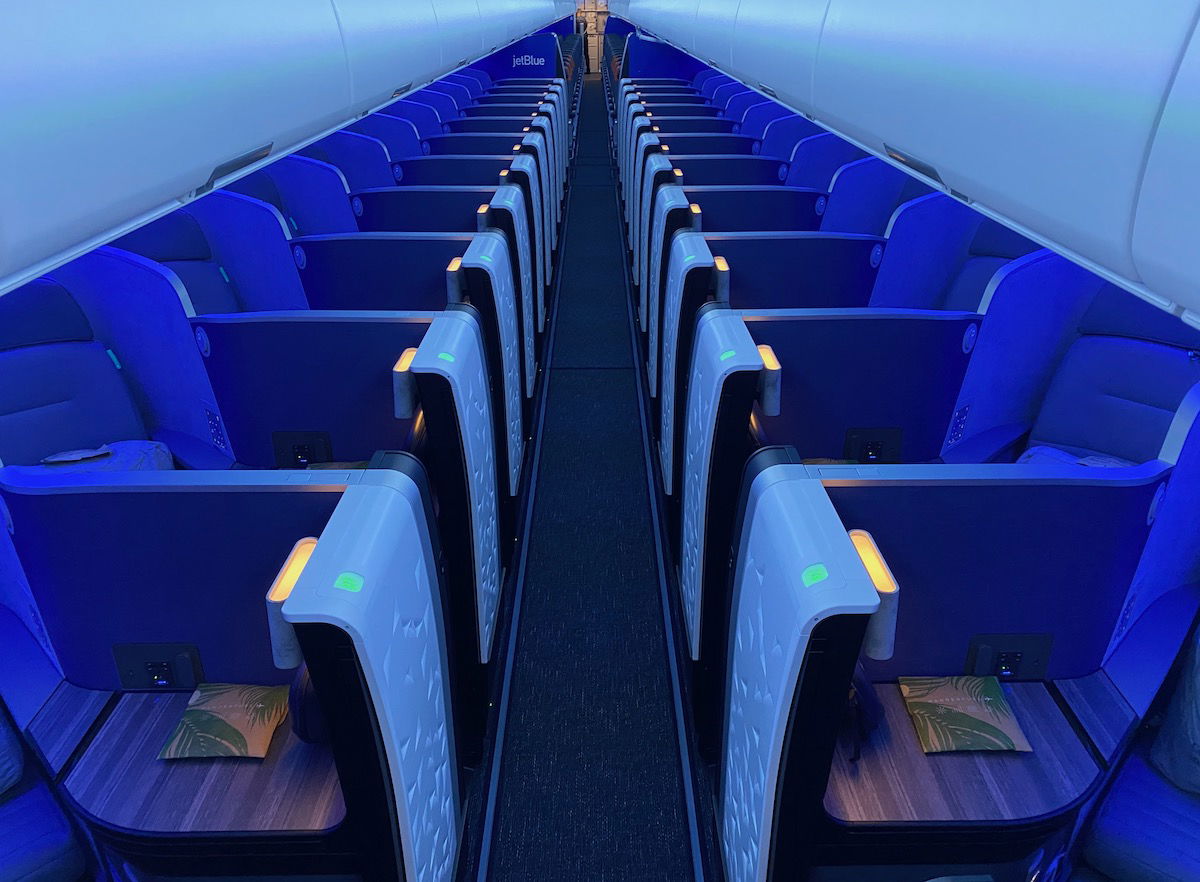
By choosing the reverse-herringbone Safran Vue, Delta aimed to offer a product that was objectively better than the herringbone seats used by JetBlue and planned by American. The Safran Vue offers a wider entrance to the suite and a more private feel. However, if Delta switches to the Thompson seat, it will essentially be offering the same hardware as its competitors, albeit with Delta’s signature soft product and service.
Industry analysts suggest this would be a "worst-case scenario" for Delta’s product development team. The airline will have endured nearly four years of delays and lost revenue opportunities on premium routes, only to end up with a product that lacks the competitive "edge" originally envisioned.
Technical Comparison: Safran Vue vs. Thompson VantageSOLO
| Feature | Safran Vue (Original Plan) | Thompson VantageSOLO (Potential Pivot) |
|---|---|---|
| Orientation | Reverse Herringbone (Facing Window) | Herringbone (Facing Aisle) |
| Privacy | High (Integrated doors/high walls) | High (Integrated doors) |
| Space Efficiency | High, but complex certification | Optimized for narrowbody cabins |
| Certification Status | Ongoing struggles with FAA | Proven and currently in service |
| Passenger Perception | Preferred for window views | Preferred for aisle access and bed length |
The Broader Impact on the Aviation Supply Chain
The struggle Delta is facing highlights a broader crisis in the aviation supply chain. Seat manufacturers like Safran and Collins Aerospace have faced significant headwinds since 2020, including labor shortages, raw material price volatility, and increasingly stringent regulatory oversight following the Boeing 737 MAX grounding.
The complexity of modern "mini-suites" in narrowbody aircraft is a relatively new frontier. Engineering a seat that can lie completely flat, offer direct aisle access, and include a privacy door—all within the narrow confines of an A321—requires precision that leaves little room for error in safety testing. Delta’s predicament serves as a cautionary tale for other airlines planning ambitious cabin overhauls.
Conclusion: A Pragmatic Path Forward
While Delta Air Lines has not yet officially confirmed the switch to Thompson Aero, the move would align with a broader industry trend toward prioritizing "certifiability" and "reliability" over radical innovation. For Delta, the priority must eventually shift from having the best seat to having a functional seat.
The premium transcontinental market remains one of the most profitable sectors in global aviation. Every month that Delta flies an older 757 with a legacy product instead of a new A321neo with a modern suite is a month of potential lost revenue and brand erosion. Whether through the Safran Vue or the Thompson VantageSOLO, Delta’s path to 2028 will require navigating a complex web of regulatory compliance and passenger expectations as it seeks to maintain its status as a leader in the premium travel space.




 Anjar Salim
 Chandra Hamzah
 Tatiana Tantri Indah Sari

