
 Chandra Hamzah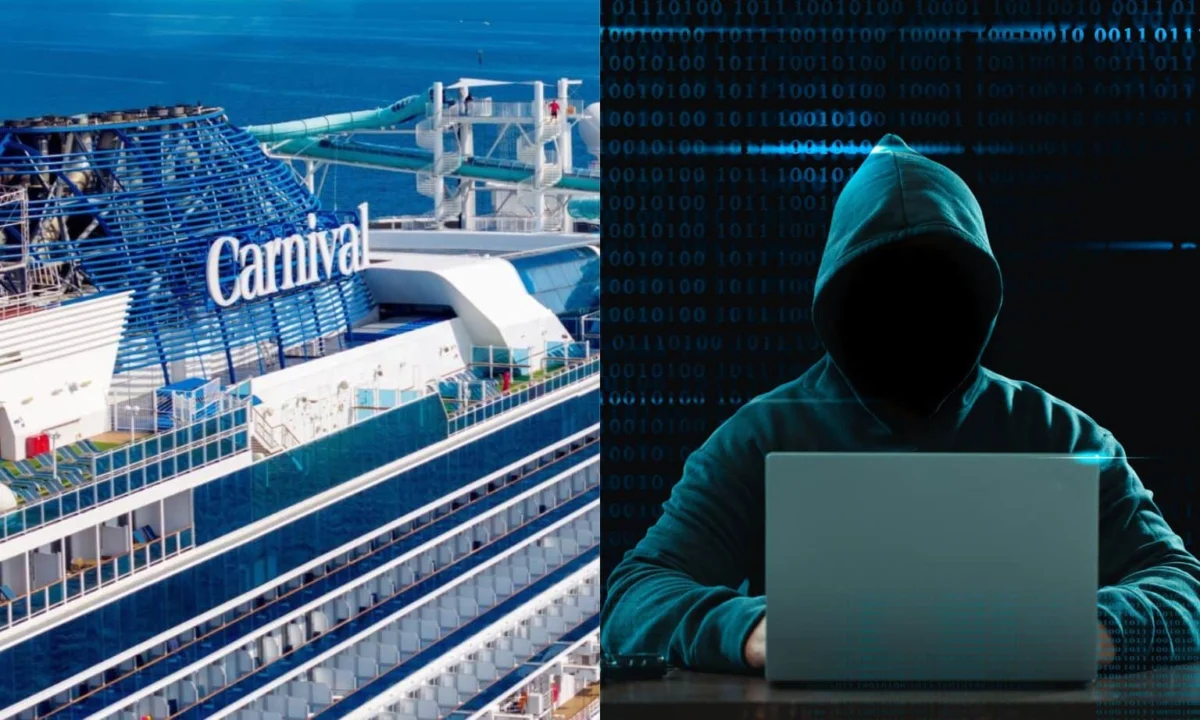
In a significant cybersecurity incident, Carnival Cruise Line has alerted approximately six million of its customers, a number that includes a substantial portion of Australian travelers, that their personal data may have been compromised. The breach, identified on April 14, is believed to have granted unauthorized access to sensitive information, raising serious concerns about identity theft and fraud. While the full extent of the compromise is still under investigation, the revelation has prompted a wave of anxiety among affected individuals and calls for enhanced security measures.
The compromised data is understood to include a range of personal identifiers crucial for identity verification. Customers’ names, email addresses, phone numbers, and official identification documents such as passports and driver’s licenses are all reported to have been accessed by cybercriminals. This breadth of information significantly elevates the risk of sophisticated identity theft schemes, where stolen data can be pieced together to impersonate individuals for financial gain or other malicious purposes.
While Carnival has not officially released a precise figure for the total number of affected individuals globally, a document originating from the office of the American Attorney General has indicated that the number is in the vicinity of six million. This substantial figure underscores the scale of the breach and its potential reach across multiple jurisdictions.
ShinyHunters: The Alleged Perpetrators
Responsibility for the hack has been claimed by ShinyHunters, a cybercrime group that has gained notoriety for orchestrating similar data breaches against various organizations. The group has a documented history of targeting companies with large customer bases, often selling or leaking the exfiltrated data on the dark web. The involvement of a known and active cybercriminal entity adds a layer of gravity to the situation, suggesting a deliberate and potentially lucrative attack.
Carnival’s Response and Investigation
In a statement released to address the incident, Carnival acknowledged the breach and outlined its immediate actions. The company stated that the unauthorized access stemmed from a "social engineering attack on a single user account" that gained entry into a "limited part of our IT system." Upon detection, Carnival claims to have promptly "blocked the activity, engaged third-party security experts and alerted law enforcement."
The company further elaborated on the findings of its internal investigation, confirming that "certain personal information was illegally accessed." Carnival expressed regret for any concern caused by the incident and emphasized its commitment to data privacy and security. "Protecting the privacy and security of personal data is a priority for us," the statement read, "and we’ve added new layers of security and monitoring on top of the comprehensive protections already in place. We’ll also continue advancing our defenses against evolving threats."
Disparities in Support for Affected Customers
A significant point of contention has emerged regarding the support offered to affected customers in different regions. While cruisers in the United States have reportedly been offered two years of free credit protection services, Australian cruisers have stated that no such protective measures were extended to them. This disparity in assistance has led to frustration and a sense of inequity among Australian passengers who are now facing the same potential risks as their American counterparts.
Navigating the Aftermath: Advice for Affected Individuals
Carnival has urged all customers to remain vigilant against potential threats of identity theft or fraud. The company has advised individuals to contact law enforcement immediately if they suspect their data is being misused.
In response to the breach, the Australian government’s Office of the Australian Information Commissioner (OAIC) has provided comprehensive guidelines for individuals affected by data breaches. These guidelines are crucial for helping victims understand their rights and the steps they can take to mitigate potential harm.
Ismael Valenzuela, Vice President of Threat Intelligence Research at Arctic Wolf, provided expert advice to Cyber Daily Au, emphasizing the need for immediate and proactive measures for anyone potentially impacted. He stressed that individuals should "assume elevated exposure, reset passwords, tokens, and API keys that could have been exposed, enable phishing-resistant multifactor authentication, and closely monitor for suspicious or unauthorised account activity." Valenzuela further cautioned that "data like this is often reused over time in targeted phishing, identity fraud, and broader social engineering campaigns," highlighting the persistent and evolving nature of cyber threats.
Background and Chronology of the Breach
The timeline of events leading to the public disclosure of the Carnival data breach provides a clearer picture of the incident:
- Early April 2023 (Specific Date Undisclosed): A social engineering attack targets a single user account within Carnival’s IT system, leading to unauthorized access.
- April 14, 2023: Carnival identifies the cybersecurity breach and the unauthorized access to a portion of its IT systems.
- Immediate Actions Taken by Carnival: The company claims to have immediately blocked the unauthorized activity, engaged third-party security experts to investigate, and alerted law enforcement agencies.
- Ongoing Investigation: Carnival’s internal investigation determines that certain personal information was illegally accessed.
- Late April / Early May 2023: Carnival begins notifying affected individuals about the potential data exposure. Reports emerge of Australian cruisers receiving these notifications.
- Document from American Attorney General’s Office: This document indicates that approximately six million customers were potentially affected by the breach.
- Media Reports and Expert Analysis: News outlets and cybersecurity professionals begin reporting on the breach, its implications, and providing advice to affected individuals.
Broader Implications of the Carnival Data Breach
The Carnival data breach is symptomatic of a larger trend of escalating cyber threats targeting large corporations with vast repositories of customer data. The cruise industry, with its global reach and diverse customer base, represents an attractive target for cybercriminals seeking to exploit personal information for illicit purposes.
The exposure of sensitive identification documents like passports and driver’s licenses is particularly concerning. This type of information is foundational to establishing identity and can be used in a multitude of fraudulent activities, ranging from opening new credit accounts in someone else’s name to more complex forms of identity theft. The fact that this data was accessed means that individuals could be vulnerable to such attacks for an extended period, even years after the initial breach.
The disparity in support offered to U.S. versus Australian customers also raises questions about international data protection standards and the ethical obligations of global corporations. While the legal frameworks for data breach notification and remediation may differ between countries, the inherent risk to individuals remains the same. The lack of equivalent credit protection for Australian passengers, despite facing the same threats, is likely to fuel further scrutiny of Carnival’s data handling practices and its commitment to customer welfare across all operating regions.
The Role of Social Engineering
The classification of the attack as a "social engineering attack on a single user account" highlights a persistent vulnerability in cybersecurity defenses: the human element. While technical safeguards are vital, attackers often exploit human trust, curiosity, or a lack of awareness to gain initial access. Phishing emails, fake login pages, or deceptive phone calls are common tactics used to trick individuals into revealing credentials or downloading malicious software. This underscores the importance of ongoing cybersecurity awareness training for employees and robust security protocols that account for potential human error.
Future Security Enhancements and Industry Response
In the wake of such incidents, it is imperative for companies like Carnival to not only implement immediate corrective measures but also to continuously enhance their cybersecurity posture. The commitment to "adding new layers of security and monitoring" and "advancing our defenses against evolving threats" is a necessary but ongoing process. This often involves investing in advanced threat detection systems, regular penetration testing, comprehensive employee training, and implementing stricter access controls.
The broader travel and tourism industry, which relies heavily on digital platforms and customer data, is particularly exposed. This incident serves as a stark reminder for all organizations in this sector to rigorously assess and fortify their cybersecurity defenses to protect both their operations and their customers’ sensitive information. The reputational damage and financial costs associated with a major data breach can be substantial, making proactive security investments a critical business imperative.
As investigations continue and more details emerge, affected individuals are strongly encouraged to follow the advice provided by cybersecurity experts and regulatory bodies. Vigilance, proactive security measures, and prompt reporting of any suspicious activity are the most effective strategies for mitigating the long-term risks associated with this significant data compromise.



 Anjar Salim
 Tatiana Tantri Indah Sari
 Budi Mulyono
