
 Anjar Salim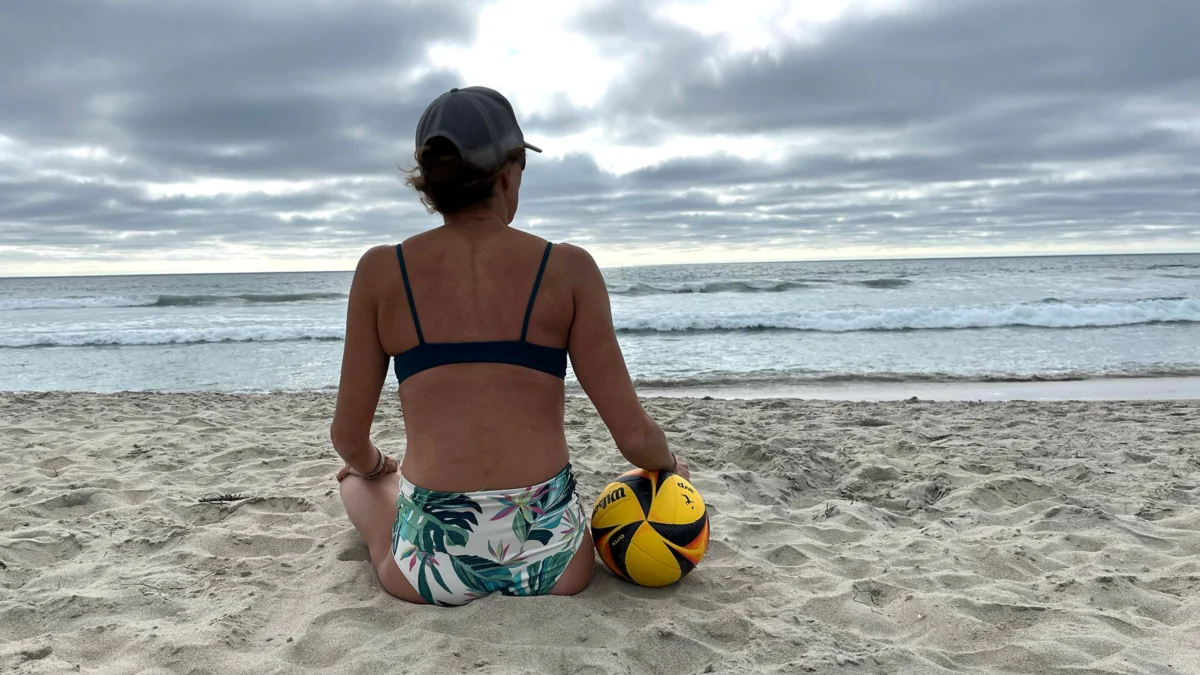
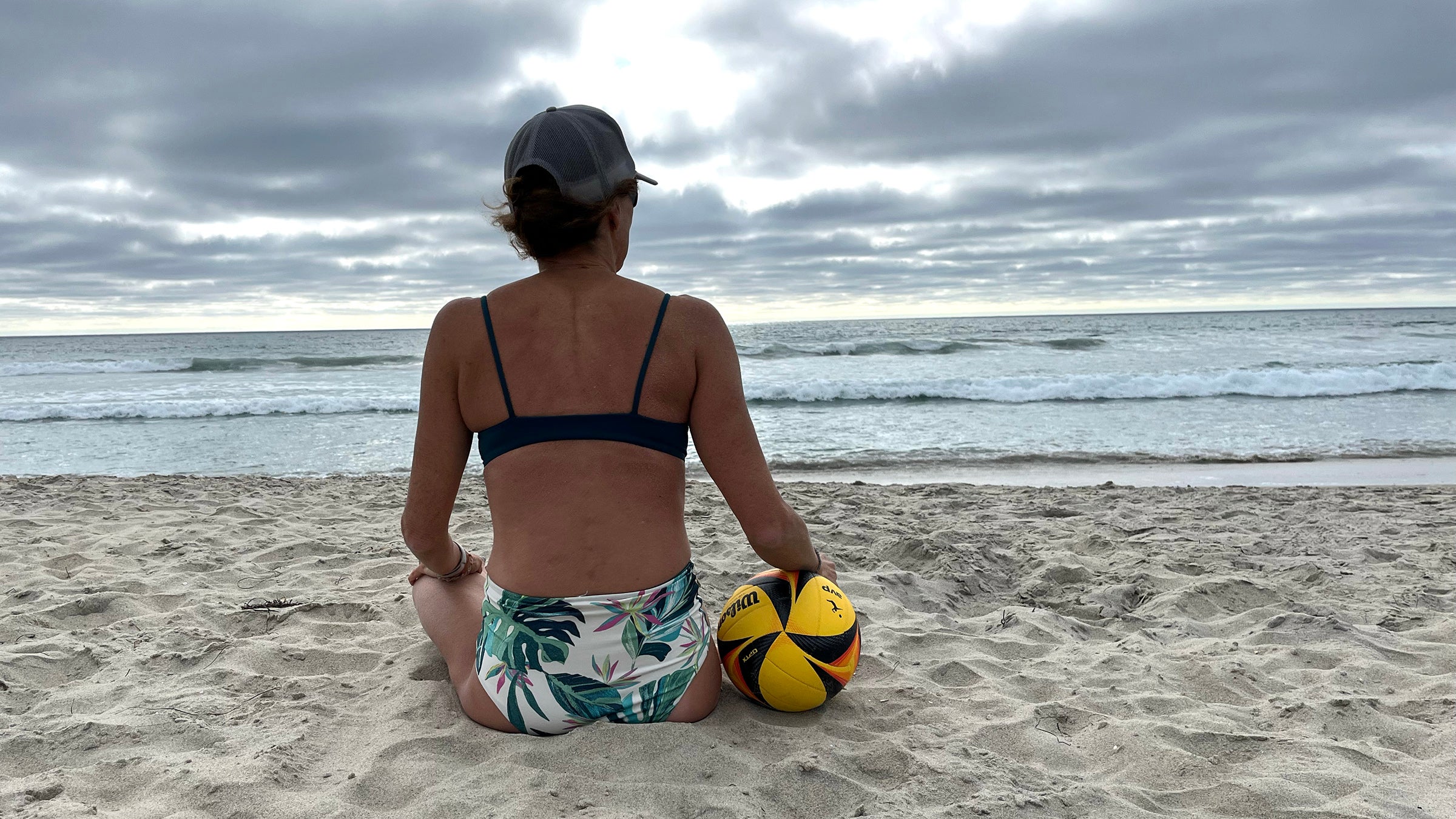
The global swimwear market, projected to exceed $28 billion by the end of 2026, has undergone a significant transformation in recent years, shifting from purely aesthetic designs to high-performance, activity-specific apparel. This evolution is driven largely by a demographic of active women who demand functional gear that facilitates movement without sacrificing style. As the summer 2026 season commences, the industry is seeing a surge in "active bikinis"—two-piece sets engineered with advanced textiles and ergonomic cuts designed to withstand the rigors of surfing, competitive swimming, and beach athletics.
The Evolution of Active Swimwear: Context and Market Trends
Historically, the swimwear industry categorized products into two distinct silos: fashion-forward bikinis intended for leisure and utilitarian one-pieces designed for sport. However, consumer data from 2024 and 2025 indicated a growing dissatisfaction among women over the age of 30 regarding this binary. Market research suggests that active women, particularly those balancing motherhood and athletic pursuits, prioritize comfort, support, and "stay-put" reliability.
The 2026 product cycle reflects a mastery of these requirements. Brands are increasingly utilizing "smart fabrics" that offer high compression ratios, UV protection, and rapid-dry capabilities. Furthermore, the push for sustainability has moved from a niche marketing point to a baseline industry standard. In the current market, the use of recycled polyamide, derived from abandoned fishing nets (Econyl) and post-consumer plastic bottles, has become the preferred material for top-tier performance brands.
Methodology: The Two-Year Evaluation Process
The selection of the year’s best active bikinis is the result of a rigorous two-year testing period concluded in May 2026. Testing environments spanned diverse geographical locations, including the high-salinity waters of the British Virgin Islands, the high-surf conditions of Costa Rica and Hawaii, and the chlorinated environments of professional training pools in Boulder, Colorado.
Evaluation criteria focused on four primary pillars:
- Hydrodynamics and Displacement: How the suit performs under water pressure, specifically during lap swimming, flip turns, and diving.
- Ergonomic Stability: The ability of the garment to remain in place during high-impact activities such as beach volleyball, trail running, and paddleboarding.
- Textile Longevity: Resistance to degradation from chlorine, salt water, and UV exposure over a 24-month period.
- Tactile Comfort: The softness of the fabric and the absence of hardware (hooks or clips) that could cause chafing under athletic equipment like life jackets or backpacks.
Best Value and Accessibility: The Rise of Direct-to-Consumer Innovation
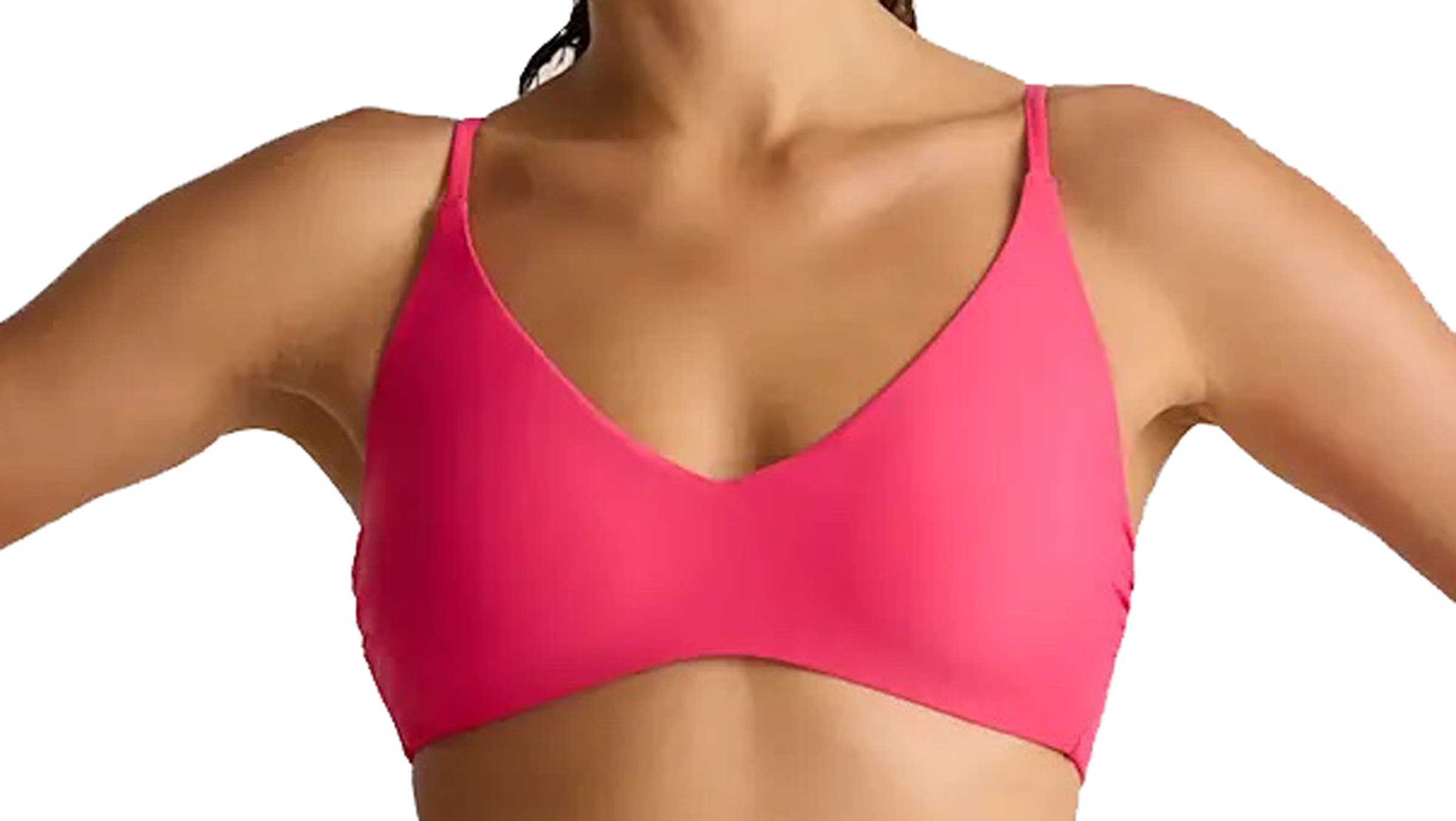
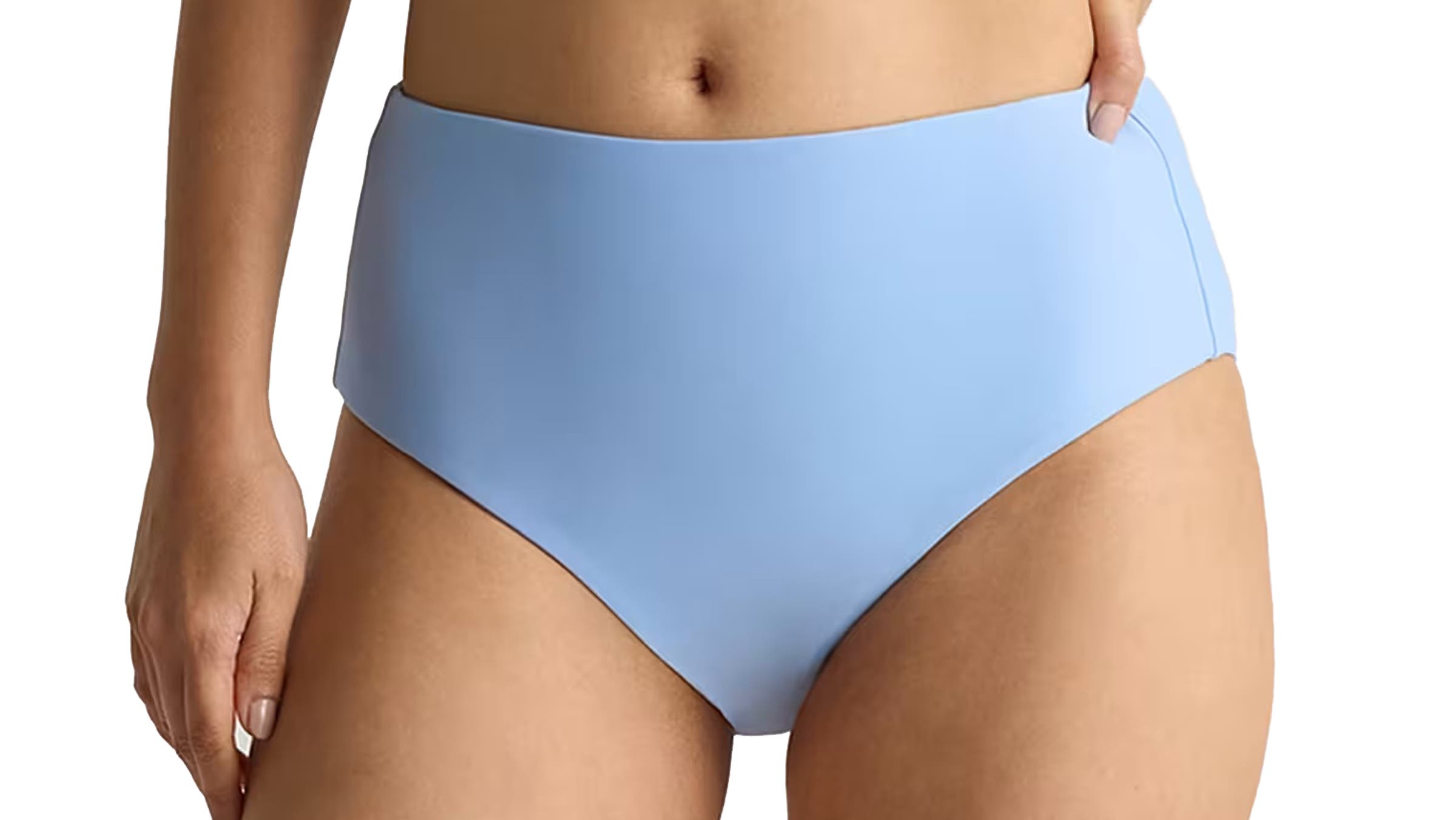
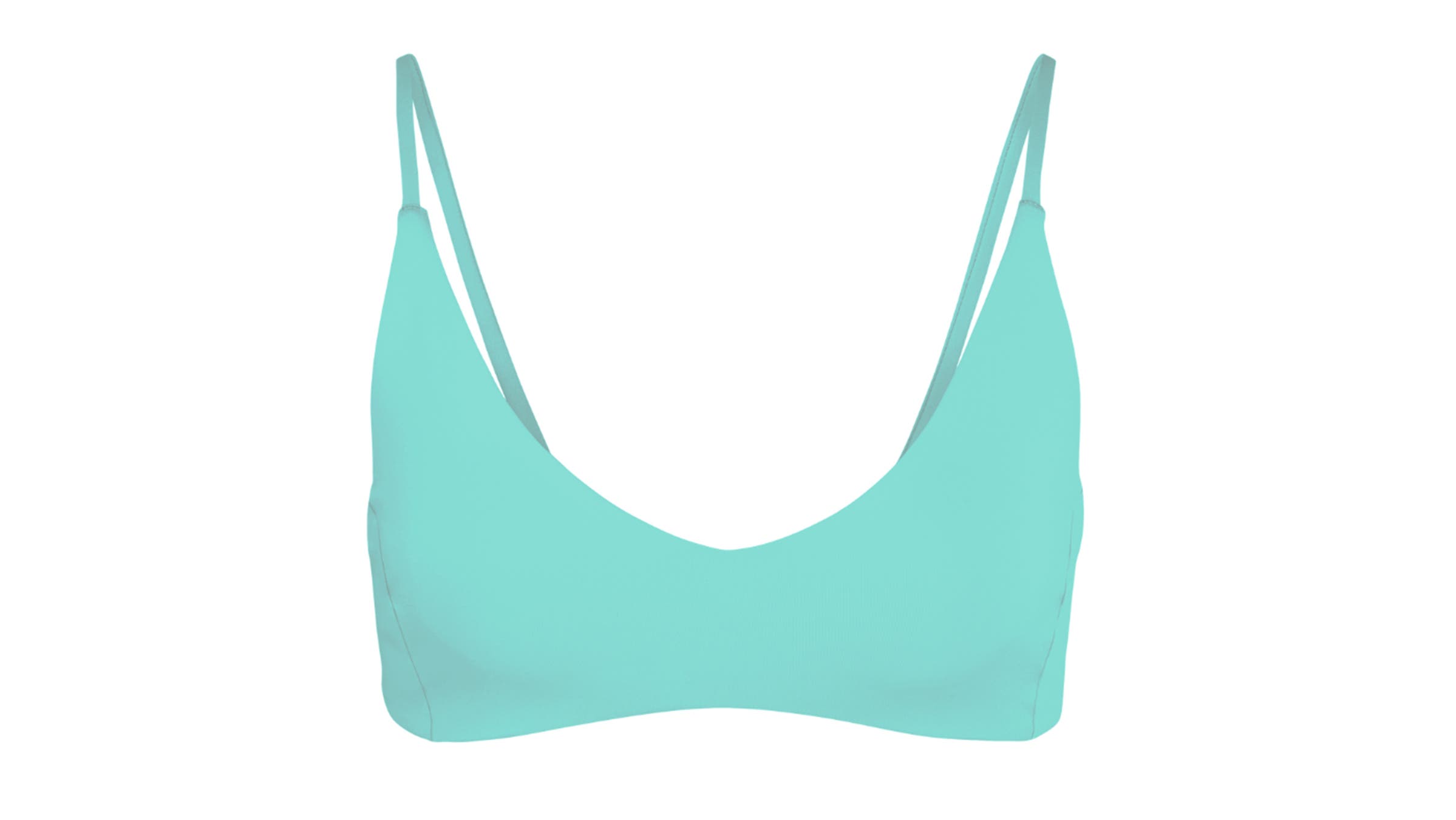
In the "Best Value" category, the Quince Italian V-Neck Bikini Top and High-Rise Bottom have emerged as market leaders for 2026. Priced significantly lower than traditional performance brands, these separates utilize a recycled polyamide/spandex blend.
Industry analysts note that Quince’s success lies in its ability to offer Italian-sourced performance fabrics at a fraction of the cost by streamlining the supply chain. During field testing, the V-Neck top provided superior coverage compared to traditional triangle tops, though testers noted a longer drying time—a common trade-off in more affordable fabric blends. The high-rise bottoms address a specific market gap: providing abdominal coverage without the "cheeky" cuts that often alienate older demographics.
High-Performance Minimalism: Engineering Stability
For athletes requiring maximum security with minimal bulk, the Left on Friday Sunday Top has set a new benchmark. Eschewing traditional fasteners, this top relies on a proprietary nylon/polyester/Lycra blend that provides "insane softness" alongside high compression. This design philosophy aligns with the "seamless" trend in athletic wear, reducing potential points of failure or irritation.
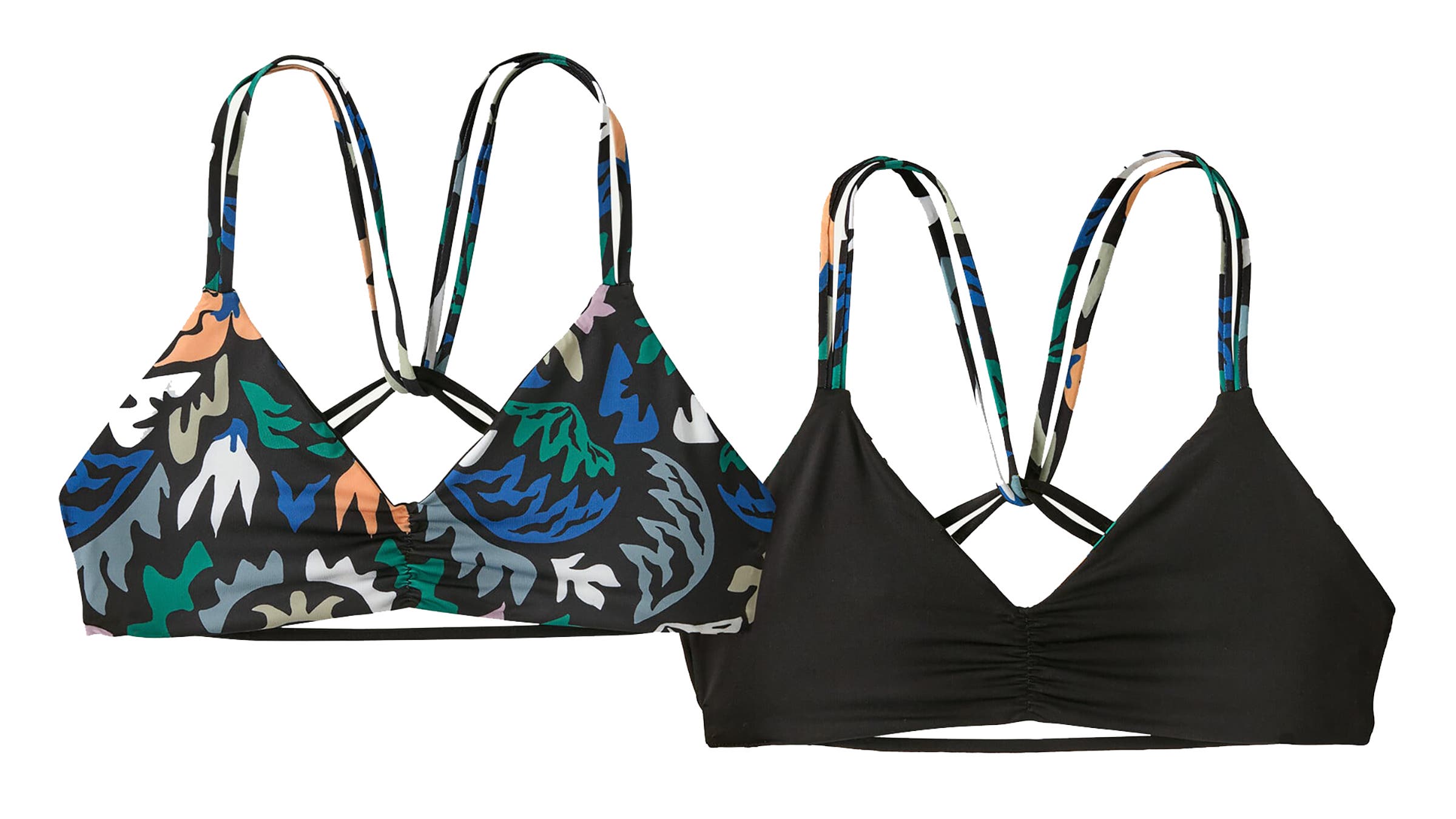
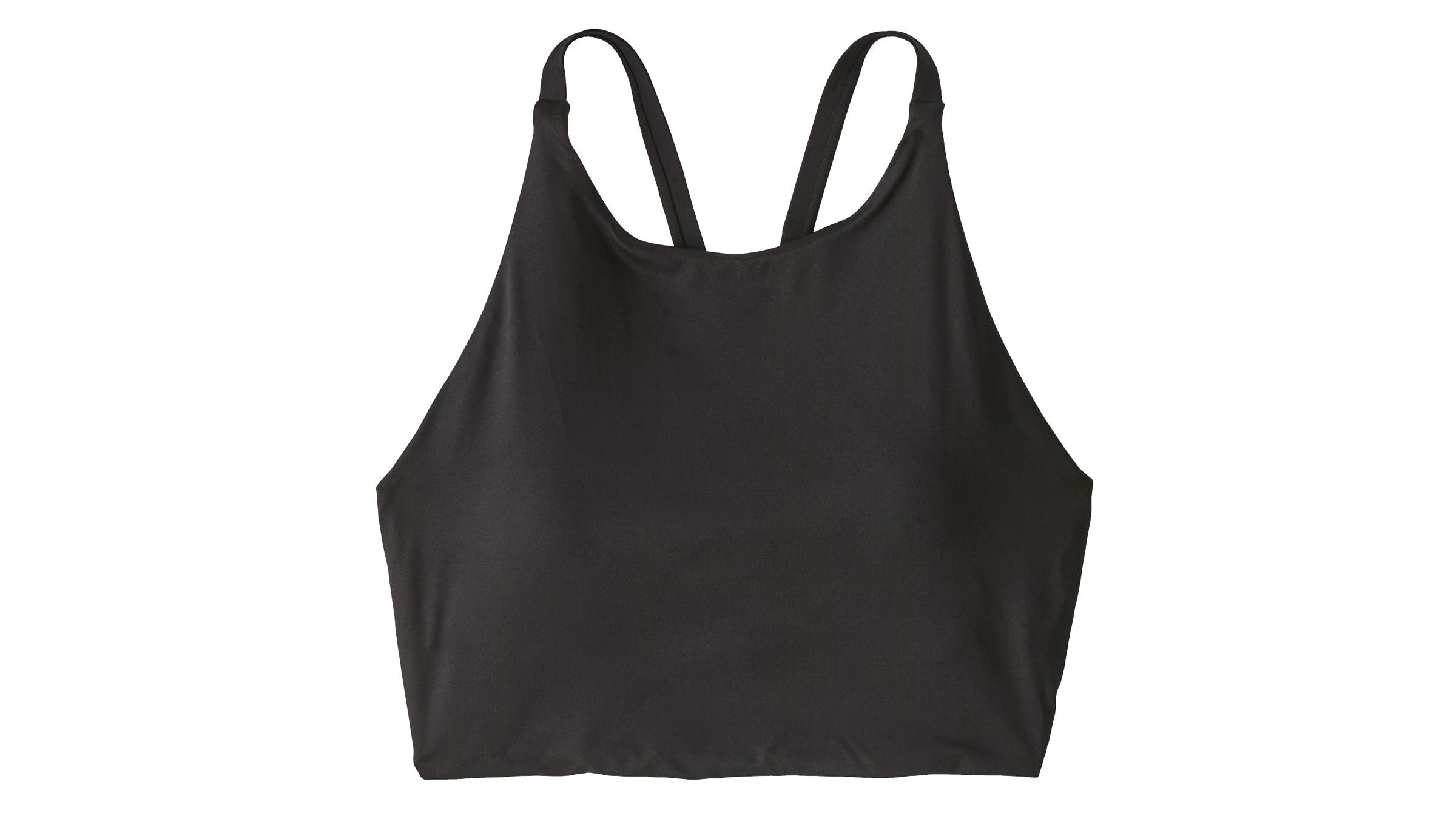
Similarly, Patagonia has updated its Reversible Seaglass Bay Top for 2026. Known for its environmental advocacy, Patagonia’s latest iteration features a strappy back design that distributes tension across the shoulders, preventing the "neck pull" common in halter-style tops. While testers cautioned against lighter colorways becoming sheer when wet, the technical fit remained uncompromised during 1,600-yard swim sets.
Vuori, a brand that has seen meteoric growth in the activewear space, contributes the Heat Wave Bikini Top. Its inclusion in the 2026 rankings is due to its high adjustability. Featuring hook-and-loop chest closures, it allows for a "dialed-in" fit that caters to various thoracic shapes, a feature often overlooked by brands using fixed-size bands.
Medium to Full Coverage: The Intersection of Support and Modesty
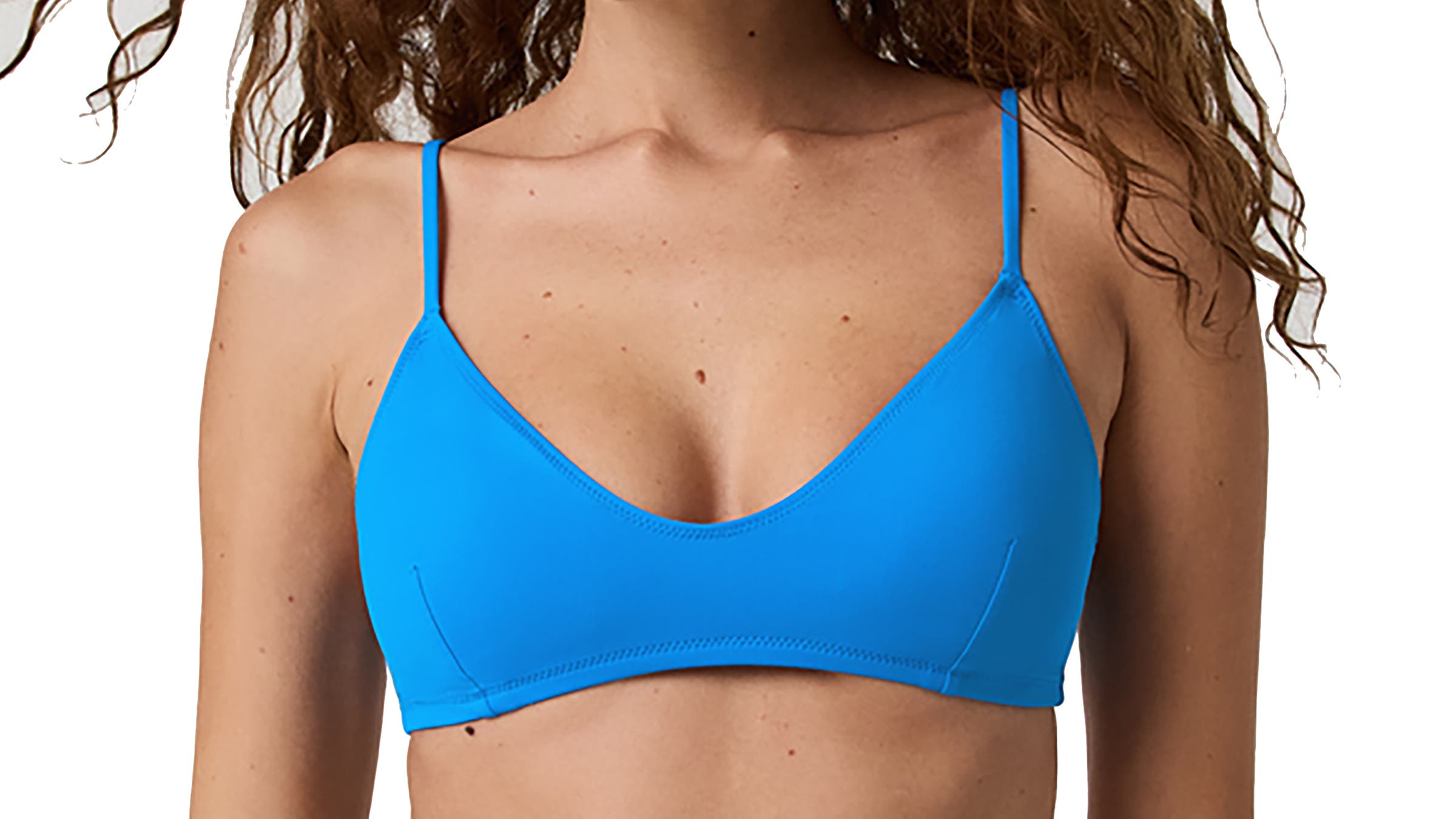
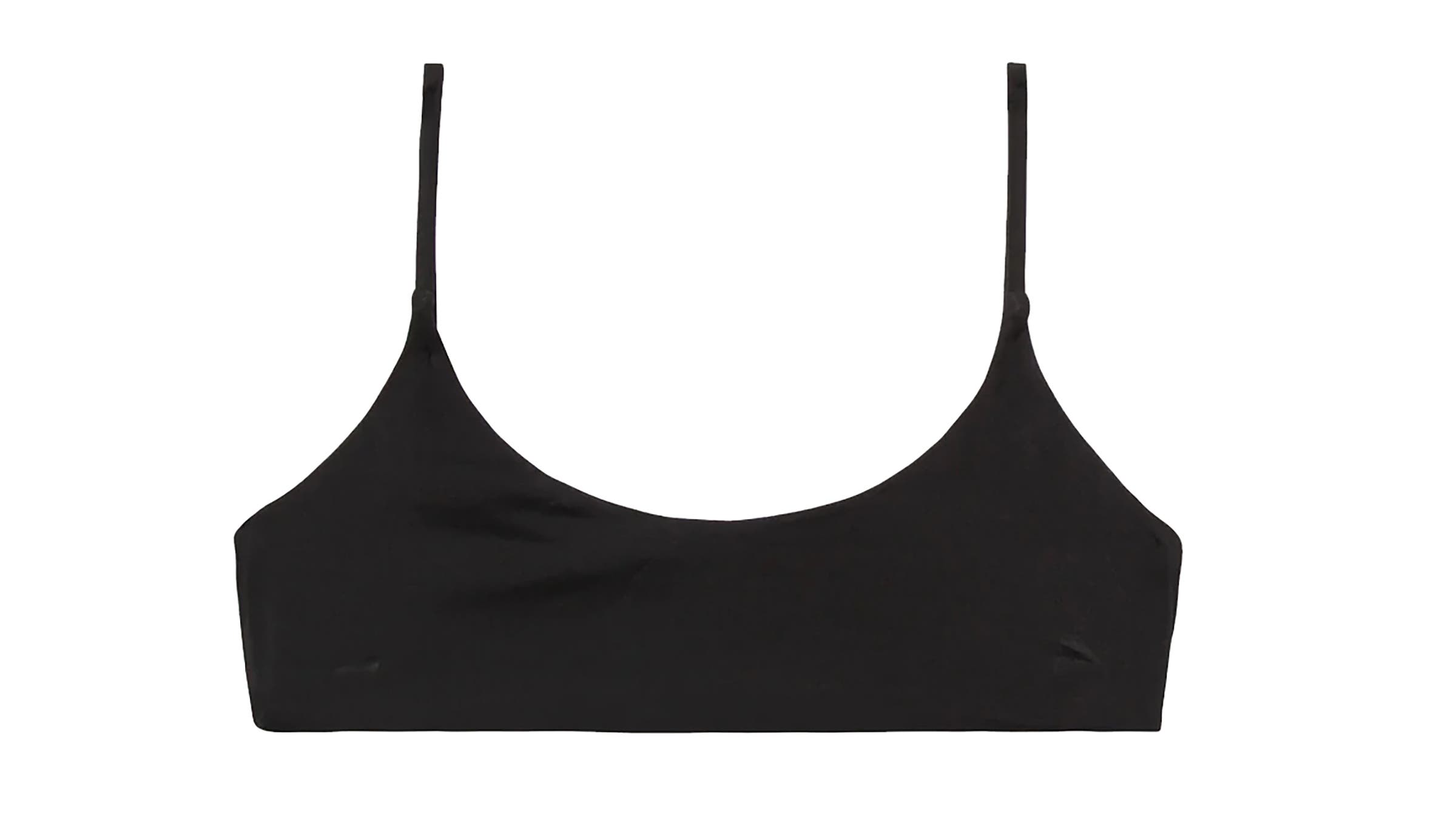
The Jolyn Eryn Bikini Top represents the 2026 gold standard for sustainable performance. Constructed from recycled fishing nets, the fabric is engineered for "shape memory," ensuring the suit does not sag after prolonged water exposure. While the scoop-neck design creates slight hydrodynamic drag compared to racing suits, it is optimized for surface-level sports like surfing and paddleboarding.
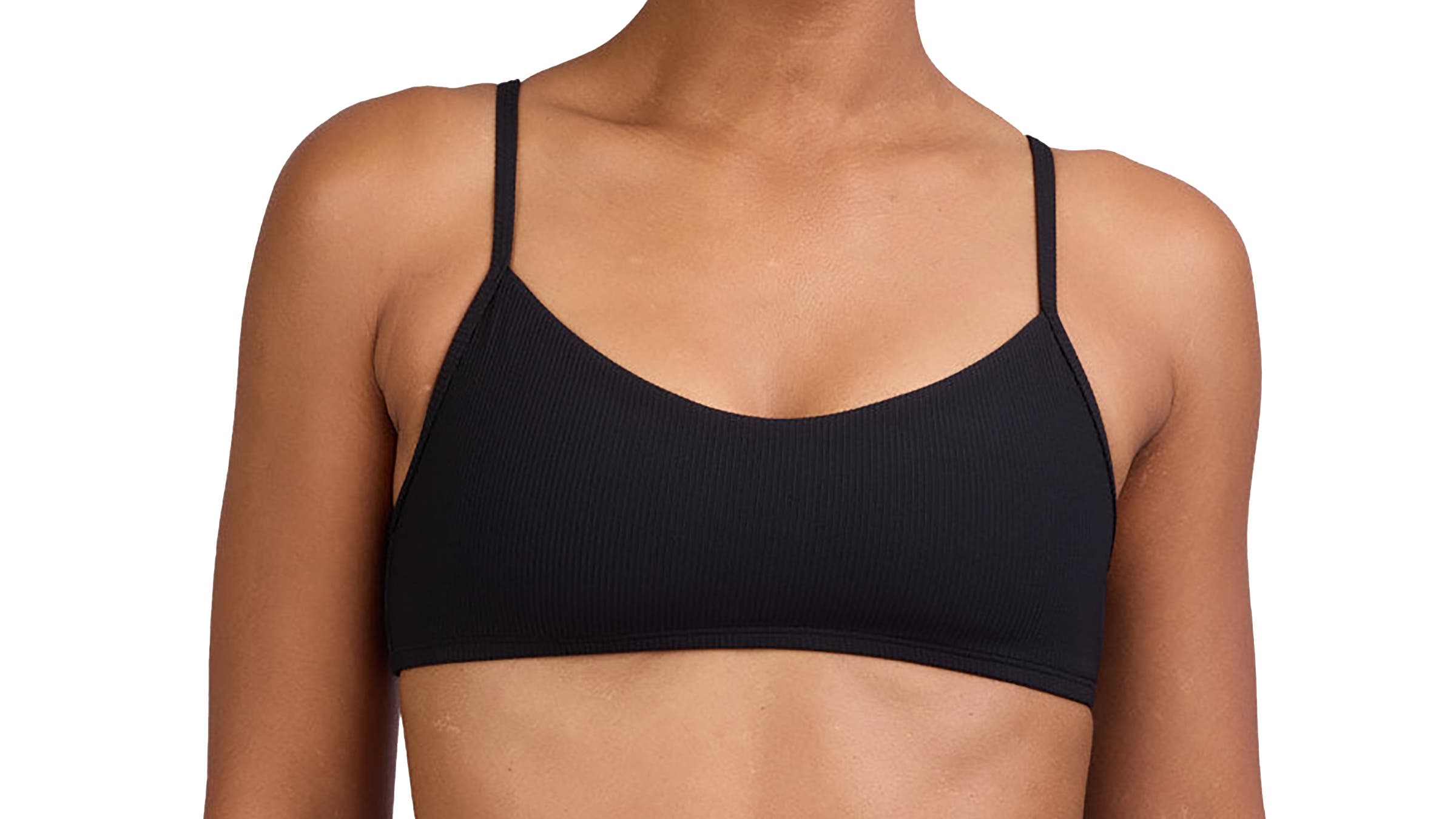
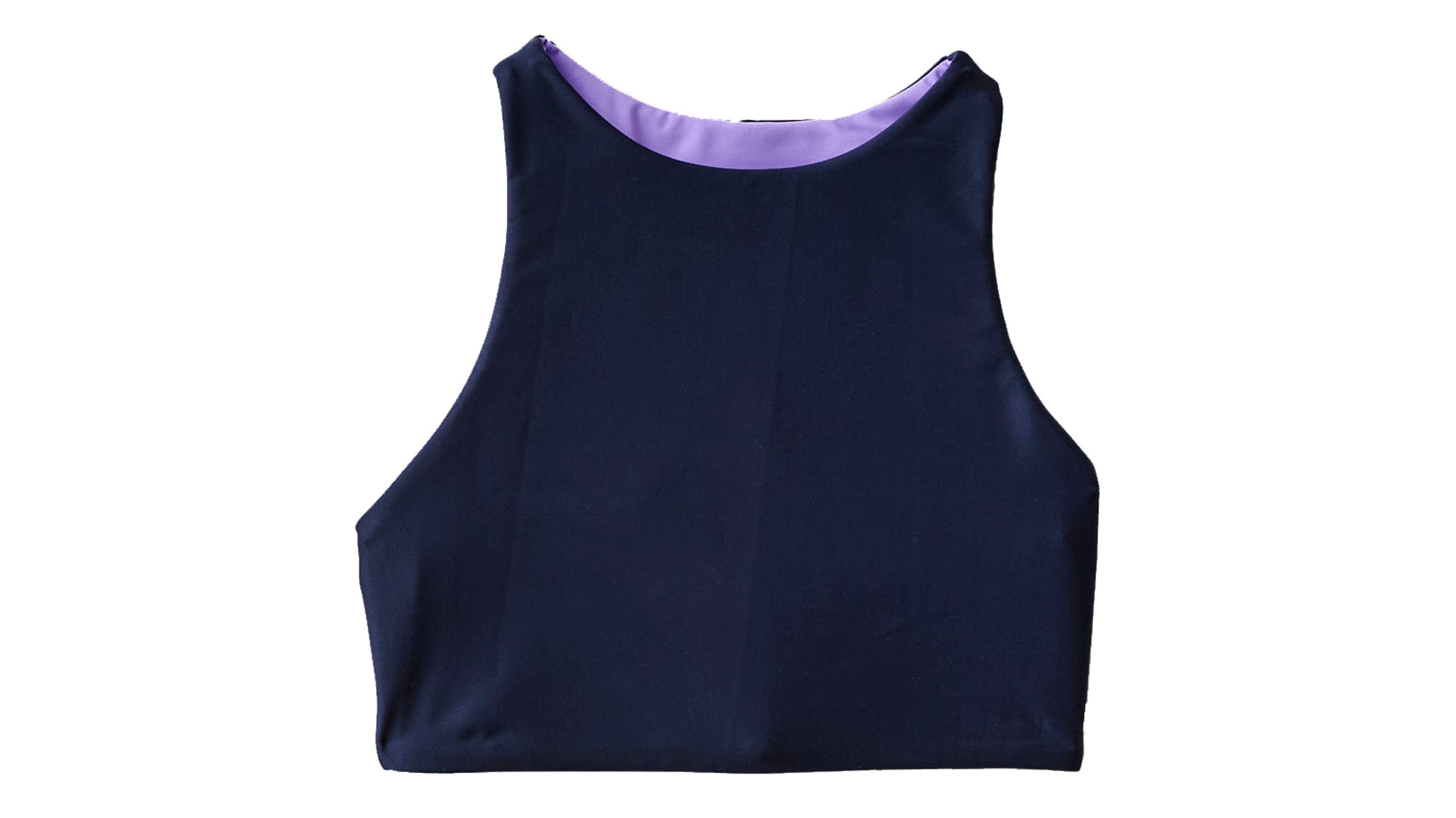
In the full-coverage sub-sector, Carve Designs and Title Nine have dominated. The Carve Designs Sanitas Compression Reversible Top functions essentially as a high-impact sports bra for the water. Its high-neck silhouette serves a dual purpose: providing modesty for the wearer and protecting the delicate skin of the chest from sun damage—a primary concern for women in higher age brackets.
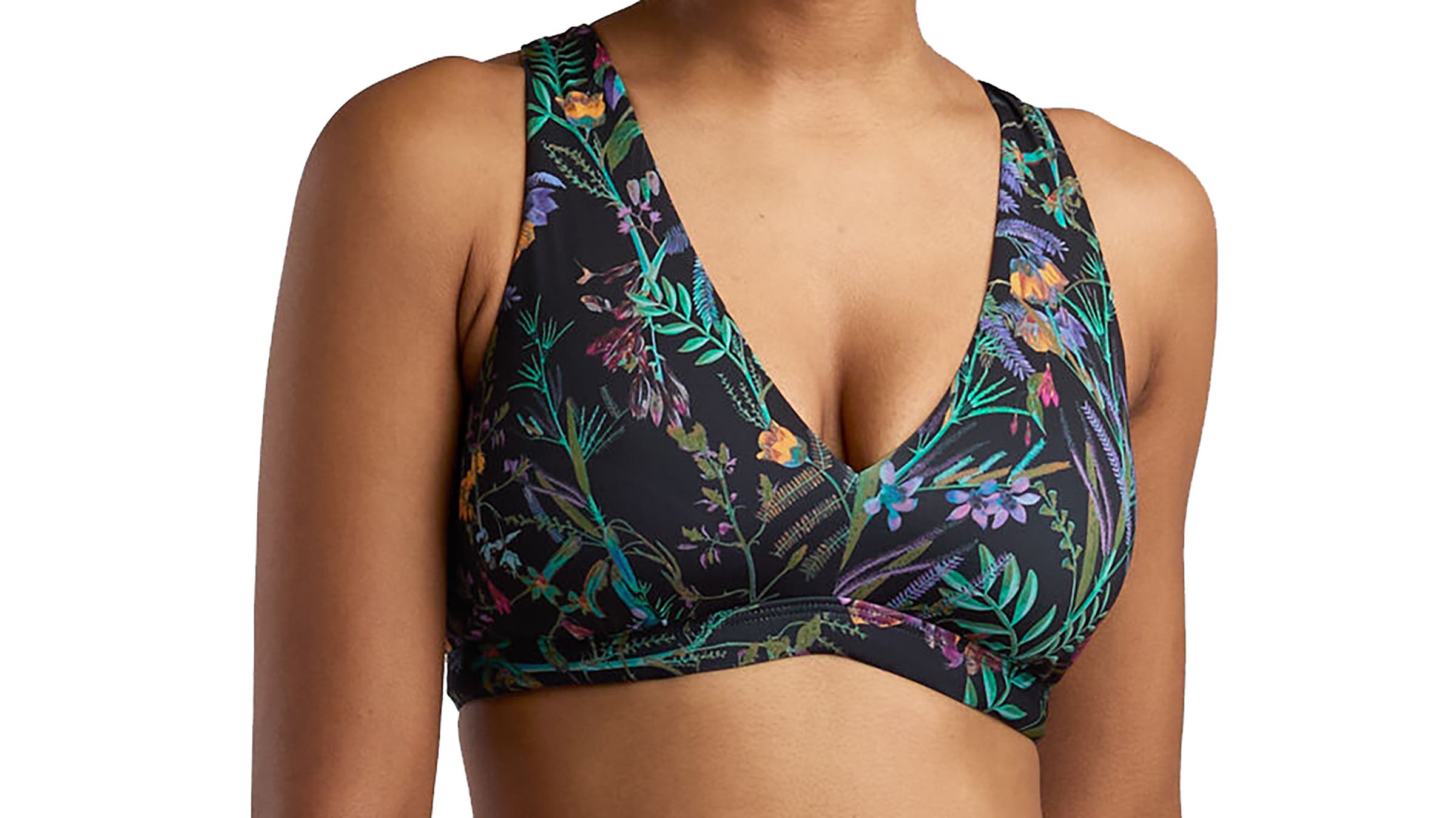
Title Nine’s Better Bikini Top addresses the needs of women with larger bust sizes (D-cup and above), offering perforated, removable pads that facilitate airflow and rapid drainage. This focus on "quick-dry" technology is a critical response to consumer feedback regarding the discomfort of damp swimwear during transitions from water to land.
Bottoms: Security, Rise, and the "Anti-Frump" Movement
The 2026 selection of bikini bottoms highlights a move toward "athletic modesty." The Jolyn Valle Bottoms, for instance, utilize a cut that is described as modest without being "frumpy." The textile innovation here involves a soft-hand finish that mimics the feel of cotton while maintaining the technical properties of synthetic fibers.
For high-energy beach sports, the Carve Designs Stinson Bottom has been lauded for its banded waist. This design feature prevents the "rolling" or "slipping" that occurs during the explosive movements of sand volleyball or surfing. Meanwhile, Title Nine’s Lehua Bottom incorporates an internal drawstring, a feature borrowed from competitive swim briefs, allowing for a mechanical lock against the waist.
A notable trend for 2026 is the "reversible and convertible" bottom, exemplified by the Carve Designs Erin Reversible Bottom. This high-waisted piece allows users to fold the waistband down for tanning or aesthetic variety, effectively offering two styles in one garment. This versatility is a key selling point for travelers seeking to minimize luggage.
Sustainability and the Circular Economy
A critical component of the 2026 swimwear landscape is the integration of circular economy principles. Leading brands like Prana and Carve Designs have reported that over 80% of their 2026 swim line is composed of recycled materials.
"The consumer of 2026 is no longer satisfied with ‘greenwashing,’" says environmental textile analyst Dr. Elena Rossi. "They are looking for UPF ratings, GRS (Global Recycled Standard) certifications, and proof of durability. A suit that lasts five years is inherently more sustainable than a recycled suit that lasts one."
This shift toward durability is evident in the testing data. Suits from Patagonia and Jolyn showed less than 5% elasticity loss after 100 hours of chlorine exposure, a significant improvement over the industry standards of the early 2020s.
Conclusion: The Future of the Active Bikini
The 2026 roundup of active bikinis reflects a broader societal shift toward valuing female athleticism and longevity. The data confirms that women are staying active longer and demand gear that facilitates a "carefree" approach to sport.
As fabric technology continues to advance, the line between "work" and "play" in swimwear will continue to blur. The current market offerings prove that it is possible to engineer a bikini that stays in place during a cliff jump while remaining comfortable enough for all-day wear. For the active woman of 2026, the bikini has evolved from a simple garment into a sophisticated piece of athletic equipment, enabling a lifestyle that is as much about performance as it is about the joy of the water.
Summary of Top Performers by Category
- Best Overall Stability: Left on Friday Sunday Top
- Best Sustainable Innovation: Jolyn Eryn Top / Valle Bottoms
- Best High-Impact Support: Carve Designs Sanitas Compression Top
- Best Value for Consumers: Quince Italian V-Neck Series
- Best Adjustability: Vuori Heat Wave Top
- Most Versatile Design: Carve Designs Erin Reversible Bottom
This comprehensive analysis underscores a pivotal moment in the apparel industry, where the needs of the active, mature woman are finally being met with precision engineering and high-quality materials.




 Chandra Hamzah
 Tatiana Tantri Indah Sari
 Budi Mulyono
 Lukman Taruna Persada Ramadan