
 Hendra Ismail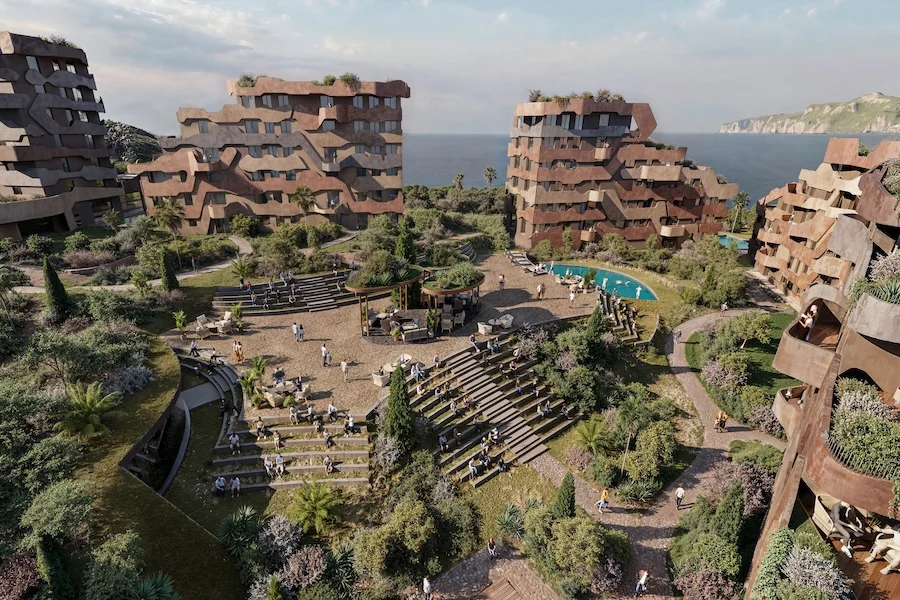
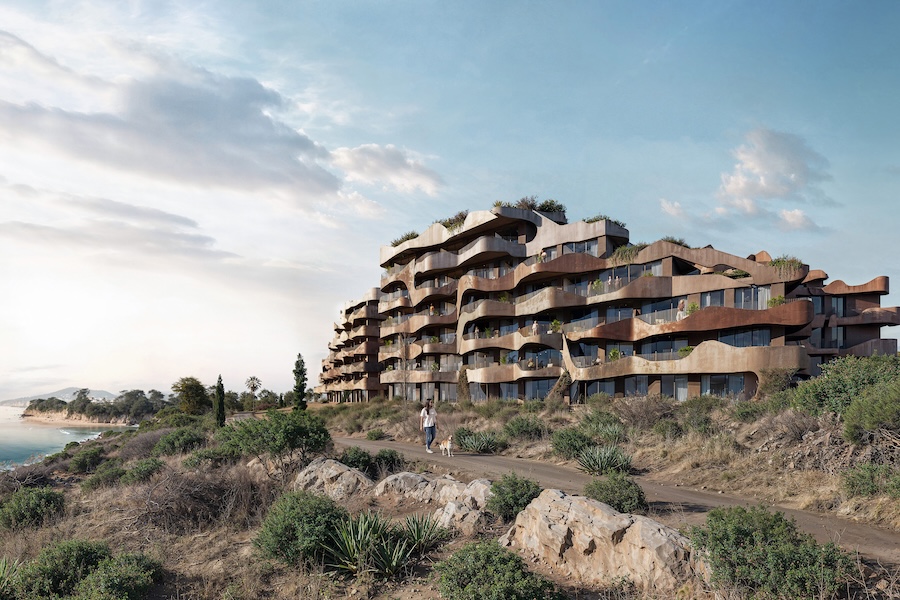
Shaped by the dramatic coastal landscape of southern Albania, Berdenesh Hills is set to emerge as a contemporary citadel where sea, light, and terrain inform every architectural move. The ambitious development, designed by the acclaimed architectural firm NOA, spans nearly 280,000 square feet and will comprise approximately 250 apartments and a hotel. It translates the region’s unique identity into an amphitheater-like composition of terraced volumes rendered in warm, earthy tones, aiming to redefine the architectural narrative of the Albanian Riviera.
The journey to the Berdenesh Hills site itself served as a profound source of inspiration for the NOA design team. The transition from the urban density of Tirana to a more rural, untouched landscape, characterized by scrub-covered hills rolling towards the Ionian Sea, offered a stark contrast and a deep connection to nature. This sensory experience directly influenced the design philosophy, emphasizing harmony with the environment rather than imposition upon it.
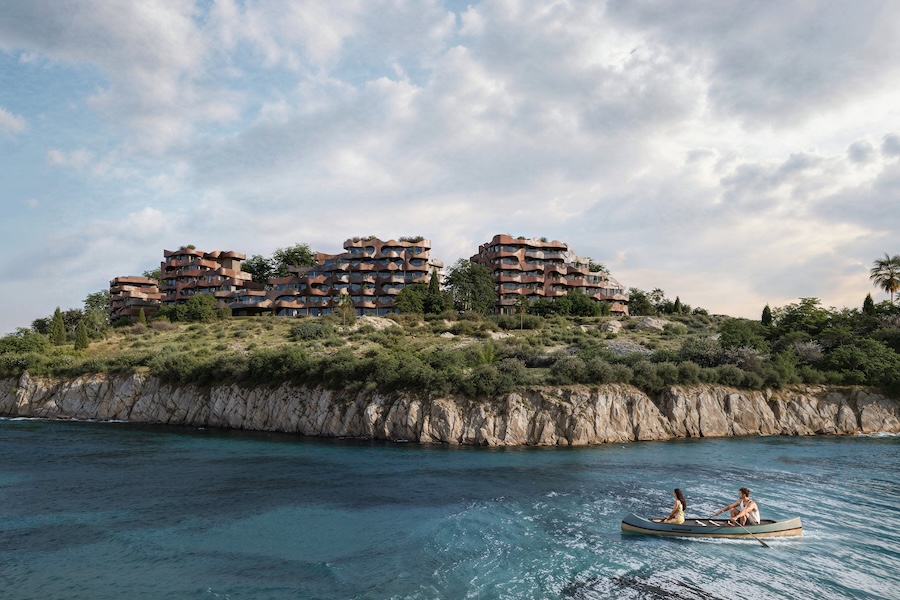
"We were deeply impressed by the coastline of this region," stated Lukas Rungger, NOA founder and project architect. "It unfolds as an inward-turning spline, marked by continuous inlets, large bays, and small coves, all framed by the silhouette of Corfu on the horizon. This dynamic interplay of land and sea, the gentle curves and hidden pockets of beauty, became the fundamental inspiration for Berdenesh Hills." This sentiment underscores the project’s commitment to capturing the essence of its locale.
Reinterpreting the Citadel for a Modern Context
Rather than succumbing to the prevailing trend of tower typologies that currently dominate the architectural landscape of nearby Saranda, NOA deliberately looked to historical precedents for a more integrated and contextually relevant solution. The firm envisioned the creation of a new, small neighborhood designed in the form of a citadel, a concept deeply rooted in the region’s rich historical tapestry.
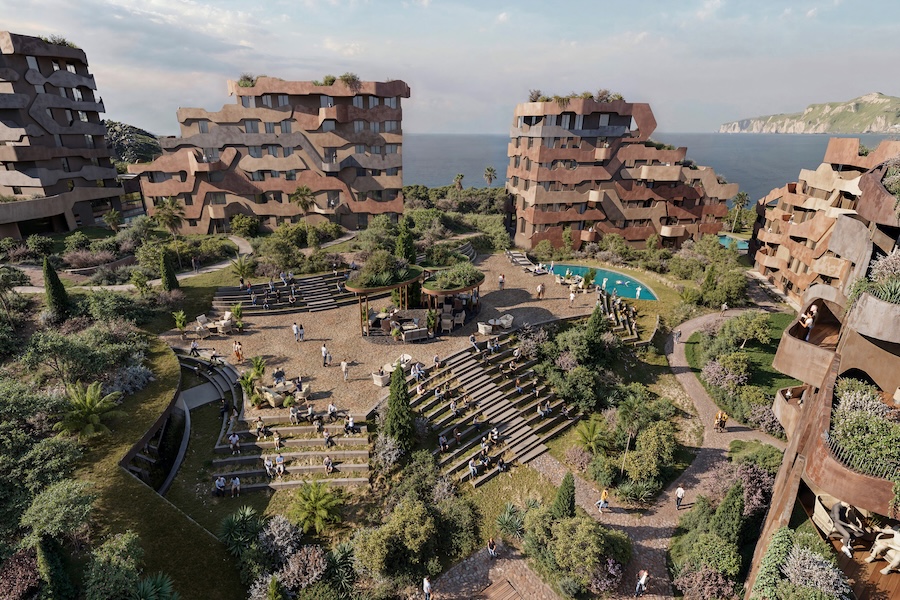
"We envisioned the creation of a new small neighborhood in the form of a citadel," explained Andrea Dal Negro, an architect at NOA and a key member of the design team. "Like its historical counterparts, this contemporary citadel develops around a focal point: the central piazza. However, unlike ancient Greek, Roman, or medieval fortresses – the most famous Albanian example being the UNESCO World Heritage site of Gjirokastër – its perimeter walls, formed by a variety of buildings, open outward in a continuous search for connection with the surrounding environment." This approach signifies a departure from inward-looking, defensive structures of the past, instead embracing an outward-facing, community-oriented design that actively engages with its natural setting.

The architectural response to this concept is evident in the site’s layout. Across the development, rooflines are designed to rise and fall in a manner that mirrors the natural topography of the hills. This creates a dynamic, layered profile, meticulously shaping a five-terraced level composition that culminates in the central square. This cascading design not only respects the existing contours of the land but also ensures that the heart of the development is an accessible and engaging public space. Threading through this meticulously planned structure is a Mediterranean park, envisioned with lush, native vegetation, further deepening the project’s integration with the landscape and offering residents and visitors a serene green oasis.
Materiality and Design Informed by the Albanian Coastline
The choice of materials plays a pivotal role in the project’s strategy to seamlessly blend the built environment with its natural surroundings. Bands of raw plaster, rendered in warm, earthy hues, are employed to wrap each façade. This deliberate material selection serves to translate the site’s inherent geological textures and colors directly into the built form, creating a visual continuity between the hills and the structures.
Furthermore, the design eschews rigid, rectilinear forms. Instead, organic profiles and carefully recessed planes are utilized to prevent the visual reading of distinct, stacked floor plates. This architectural technique distances Berdenesh Hills from the typical multi-story structures that have become commonplace in Saranda, offering a softer, more nuanced aesthetic that feels organically grown from the landscape.
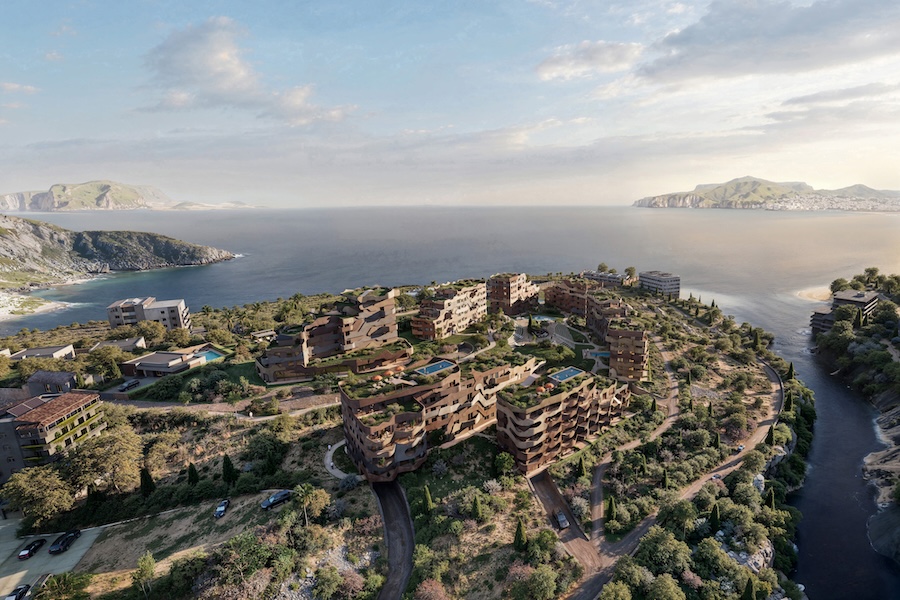
Each volume within the development rises to a maximum of six stories. Crucially, these volumes taper at their shorter sides, intentionally creating expansive, stepped terraces. These terraces are not merely functional outdoor spaces; they are designed to frame uninterrupted, breathtaking sea views, ensuring that the majestic Ionian coastline remains a constant and integral backdrop to the daily lives of those who will inhabit or visit Berdenesh Hills. This design element reinforces the project’s core principle of celebrating and connecting with its extraordinary environment.
A Project Timeline and Economic Context
The development of Berdenesh Hills represents a significant investment in Albania’s burgeoning tourism and real estate sectors. With preliminary design approval having been secured, the project has now advanced into the detailed development phase. Construction is slated to commence this year, marking a crucial step towards realizing NOA’s vision.
Albania’s coastline has witnessed a surge in development interest over the past decade, driven by its stunning natural beauty, relatively affordable property prices compared to other Mediterranean destinations, and a growing international appeal. The influx of foreign investment and a rising domestic middle class have fueled demand for high-quality residential and hospitality offerings. Projects like Berdenesh Hills are strategically positioned to capitalize on this trend, offering a premium product that blends modern living with authentic local character.
The country’s tourism sector has shown robust growth, with international arrivals consistently increasing prior to global disruptions and now rebounding strongly. In 2019, Albania welcomed over 6.4 million tourists, a figure that highlights the nation’s growing popularity as a travel destination. This sustained interest provides a strong foundation for new hospitality ventures and residential developments designed to cater to both short-term visitors and long-term residents.
The Berdenesh Hills project is expected to contribute to local employment, both during the construction phase and once operational. The development of approximately 250 apartments and a hotel will create numerous jobs in construction, hospitality, property management, and associated services. This economic stimulus is particularly valuable for the southern region of Albania, which has historically lagged behind the capital in terms of economic development.
Broader Implications and Future Outlook
The success of Berdenesh Hills could serve as a model for future developments along the Albanian coast. By prioritizing design that is deeply integrated with the landscape, respectful of local context, and focused on quality rather than sheer scale, the project aims to set a new benchmark for sustainable and aesthetically sensitive development. This approach contrasts with some of the more hastily constructed developments that have emerged in certain coastal areas, which have sometimes been criticized for their visual impact and lack of consideration for the environment.
The architectural philosophy embodied by Berdenesh Hills suggests a growing maturity in Albania’s real estate and tourism planning. The emphasis on creating a "contemporary citadel" that fosters community through its central piazza and outward-opening design points towards a desire for developments that offer more than just individual units, but rather a holistic living experience. The integration of a significant green space through the Mediterranean park further underscores a commitment to livability and environmental well-being, factors increasingly valued by modern consumers.
As Albania continues to solidify its position on the European tourism map, projects like Berdenesh Hills are crucial in shaping its image and appeal. The ability to offer unique, architecturally significant destinations that are in harmony with their natural surroundings will be key to attracting discerning travelers and investors. The project’s proximity to Corfu, a well-established tourist hub, also positions it to benefit from cross-border tourism and to offer a distinct Albanian experience to visitors already in the region.
The timeline for construction commencement this year indicates a positive outlook from developers and investors regarding the Albanian market. This confidence is likely bolstered by government initiatives aimed at improving infrastructure, promoting tourism, and streamlining investment processes. The continued evolution of the Albanian Riviera, guided by thoughtful design and a commitment to preserving its natural and cultural heritage, promises a bright future for the region. Berdenesh Hills stands as a significant testament to this evolving vision, poised to become a landmark development that embodies the spirit of its breathtaking coastal setting.


 Anjar Salim
 Chandra Hamzah
 Tatiana Tantri Indah Sari
 Budi Mulyono
 Lukman Taruna Persada Ramadan
