
 Hendra Ismail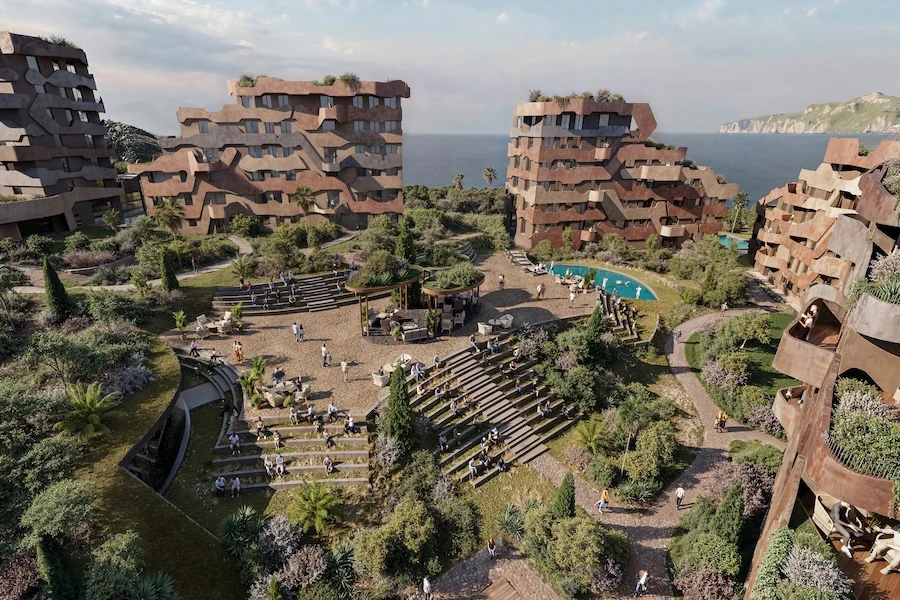
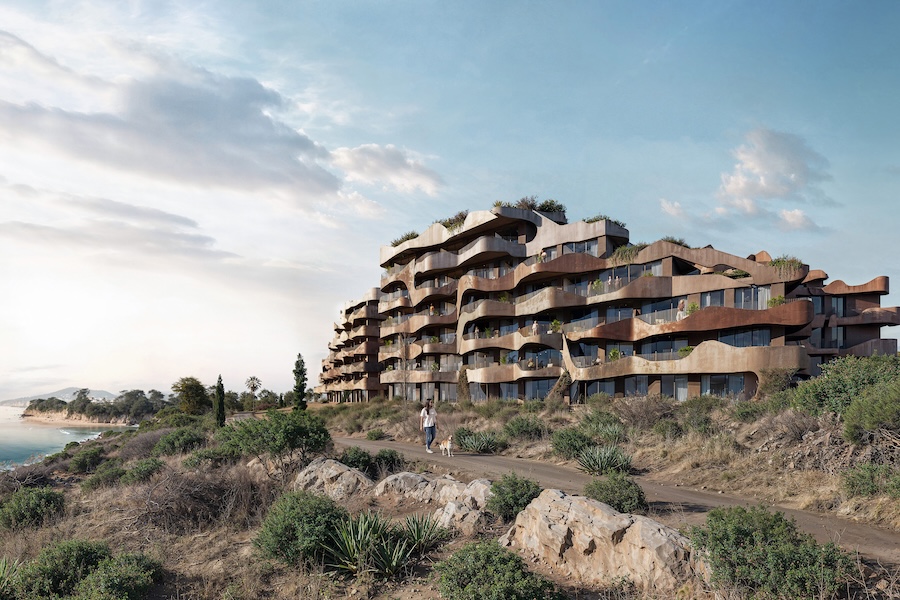
Shaped by the dramatic coastal landscape of southern Albania, Berdenesh Hills is set to emerge as a contemporary citadel where sea, light, and terrain inform every architectural move. Designed by NOA, the nearly 280,000-square-foot development, comprising approximately 250 apartments and a hotel, translates the region’s identity into an amphitheater-like composition of terraced volumes in warm, earthy tones. The journey to the site itself—a transition from Tirana’s density to a rural landscape dotted with scrub-covered hills—became a source of inspiration for the design team, aiming to create a development that respects and enhances its unique environment.
Architectural Vision: Reinterpreting the Citadel for the 21st Century
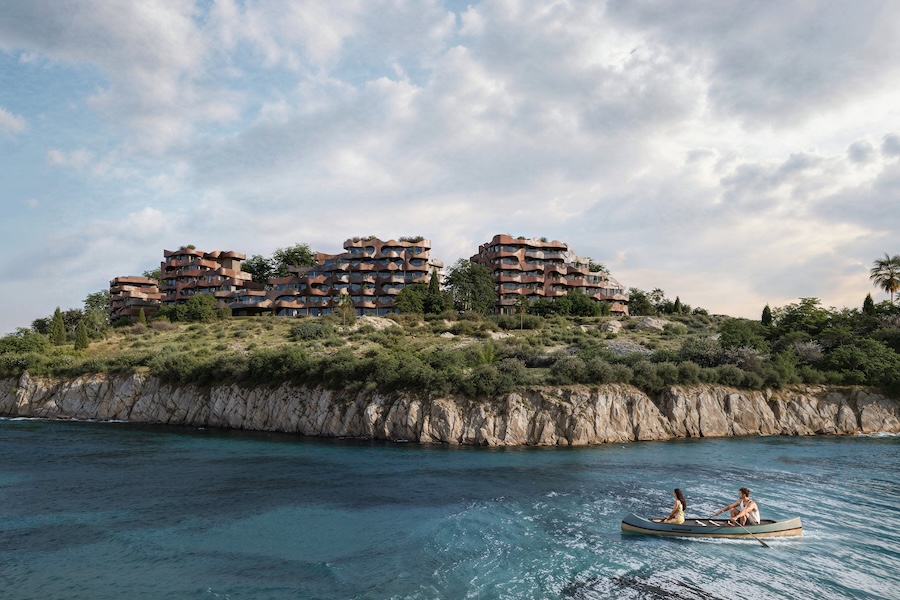
The architects at NOA have deliberately moved away from the prevailing tower typology that currently characterizes much of Saranda’s coastal development. Instead, they have drawn inspiration from historical precedents to conceive Berdenesh Hills as a "new small neighborhood in the form of a citadel," as described by NOA architect Andrea Dal Negro. This reimagined citadel, however, diverges significantly from its ancient counterparts. While historical fortresses, such as the well-preserved Argirocastro in Albania, are defined by their inward-facing fortifications and defensive perimeters, Berdenesh Hills is designed to be open and inviting. Its "perimeter walls," formed by a variety of interconnected buildings, are conceptualized to open outward, fostering a continuous dialogue and connection with the surrounding natural environment.
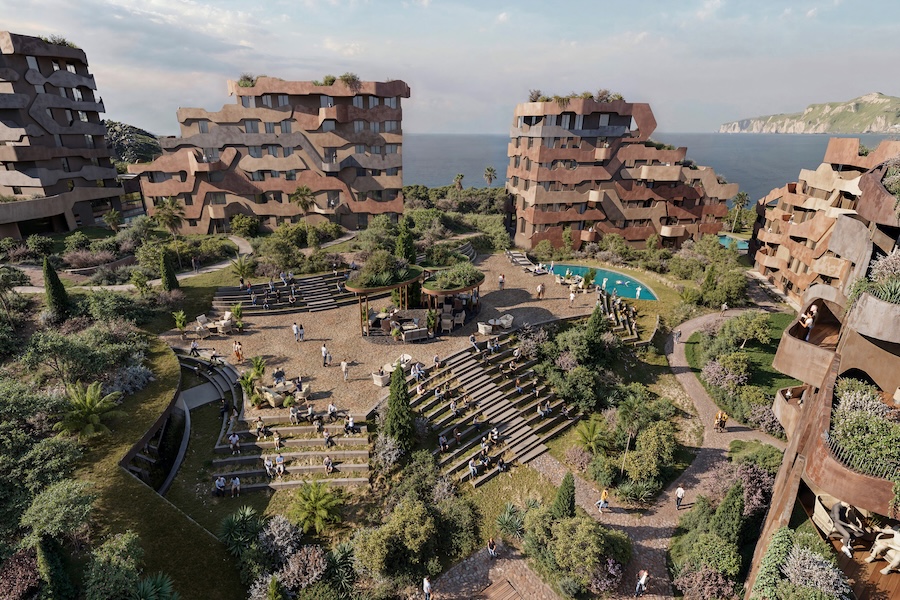
The design philosophy centers on creating a unified and organic whole that mirrors the natural contours of the land. Across the site, rooflines are sculpted to ascend and descend in harmony with the topography, crafting a dynamic, layered profile. This terraced approach not only integrates the structures seamlessly into the hillsides but also creates a visually engaging cityscape that complements the natural undulations. The development is organized around a central focal point, a piazza, which serves as the heart of the community, echoing the communal gathering spaces of historical citadels. This central square is thoughtfully framed by five terraced levels, offering varied perspectives and access points. Further enhancing the integration with the landscape, a Mediterranean park, characterized by lush, indigenous vegetation, will thread through the development, deepening the connection between the built environment and its natural setting.
Influences: The Ionian Coastline as a Guiding Force
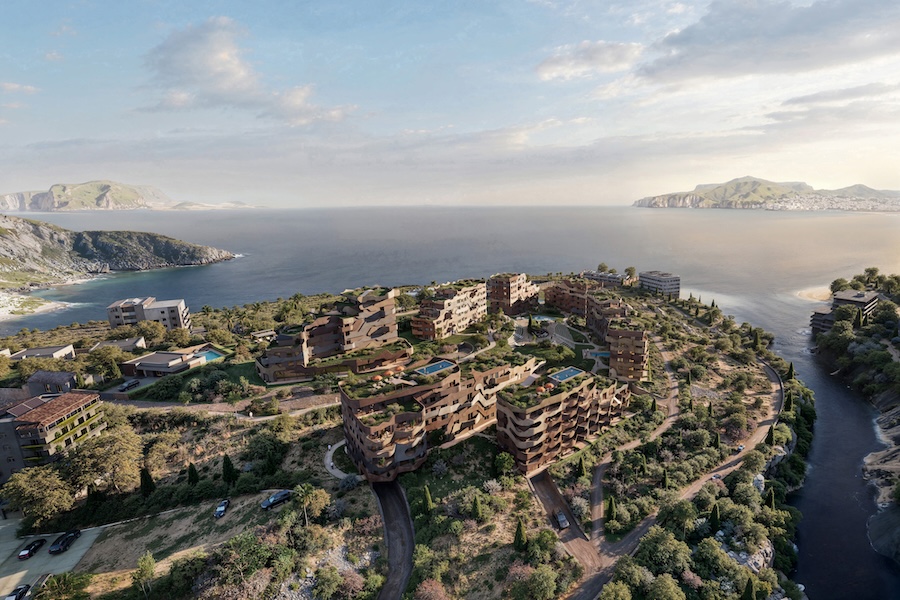
The profound influence of Albania’s Ionian coastline is palpable in every aspect of the Berdenesh Hills design. Lukas Rungger, NOA founder and project architect, articulated the team’s deep admiration for the region’s unique geography. "We were deeply impressed by the coastline of this region: it unfolds as an inward-turning spline, marked by continuous inlets, large bays, and small coves, all framed by the silhouette of Corfu on the horizon," Rungger stated. This observation of the coastline’s sinuous, embracing form directly informed the amphitheater-like composition of the development, with terraced volumes cascading down towards the sea.
The materiality of Berdenesh Hills is integral to its seamless integration with the surrounding environment. Bands of raw plaster, rendered in warm, earthy hues, are employed to wrap each façade. This choice of material and color palette is intended to translate the site’s geological textures into the built form, making the architecture feel as though it has emerged organically from the land itself. The use of organic profiles and recessed planes further serves to break down the visual rigidity often associated with multi-story structures. This deliberate design choice prevents the reading of stark, imposed floor plates, distancing Berdenesh Hills from the more conventional, box-like multi-story buildings prevalent in Saranda.

Each building volume within the development rises to a maximum of six stories, thoughtfully tapering at its shorter sides. This tapering creates expansive, stepped terraces that offer unobstructed vistas of the sea. These terraces are not merely functional but are designed to be integral to the living experience, ensuring that the breathtaking panorama of the Ionian coastline remains a constant and cherished backdrop for residents and hotel guests alike.
Project Development and Timeline
The Berdenesh Hills project has progressed through its initial stages, with preliminary design approval now secured. This milestone signifies a critical step forward, allowing the development to advance into the detailed design and planning phase. Construction is slated to commence this year, marking the beginning of the physical realization of NOA’s ambitious vision. While specific start dates and projected completion timelines are typically subject to construction schedules and potential unforeseen circumstances, the commencement of construction this year indicates a strong commitment to bringing Berdenesh Hills to fruition within a reasonable timeframe.
The development is a significant undertaking, encompassing approximately 280,000 square feet of built area. This scale accommodates around 250 residential apartments and a hotel, suggesting a mixed-use development designed to cater to both long-term residents and transient visitors. The scale of the project underscores its potential impact on the local economy and tourism sector in southern Albania.
Context and Regional Development
Southern Albania, particularly the region around Saranda, has witnessed a notable surge in development and tourism in recent years. The country’s stunning coastline, rich history, and increasingly accessible infrastructure have attracted both domestic and international interest. Berdenesh Hills is positioned within this context of burgeoning growth, aiming to offer a more thoughtfully designed and integrated approach to development.
Historically, coastal developments in rapidly growing areas can sometimes lead to a homogenization of architectural styles and a disconnection from the local context. The emergence of projects like Berdenesh Hills, which prioritize site-specific design, integration with the natural landscape, and a distinct architectural identity, represents a potential shift towards more sustainable and contextually sensitive development practices. The reference to historical Albanian architecture, particularly the fortified city of Argirocastro, by NOA’s design team suggests a desire to connect contemporary projects with the region’s rich cultural heritage, albeit through a modern lens.
Economic and Tourism Implications
The completion of Berdenesh Hills is anticipated to have several positive implications for the local economy and the broader tourism landscape of southern Albania. The creation of approximately 250 residential units suggests an influx of new residents, potentially boosting local services, retail, and employment. The inclusion of a hotel component is directly aimed at enhancing the region’s tourism capacity, attracting visitors and contributing to the hospitality sector’s growth.
The project’s emphasis on a high-quality, design-led approach, coupled with its prime coastal location, is likely to appeal to a discerning market. This could elevate the perceived value of tourism in the region and attract visitors seeking a more refined and integrated travel experience. Furthermore, the project’s commitment to integrating with the natural environment and utilizing local materials could set a precedent for future developments, promoting a more sustainable approach to tourism growth.
The development’s proximity to the horizon view of Corfu, a popular Greek island destination, also positions it strategically within a broader regional tourism network. This could facilitate cross-border tourism and collaboration, further enhancing the economic benefits for southern Albania.
Future Outlook and Broader Impact
As Berdenesh Hills moves from design to construction, its success will be measured not only by its commercial viability but also by its ability to become a harmonious addition to the Albanian Riviera. The architectural approach, which prioritizes connection with nature, historical resonance, and a departure from generic development, offers a compelling model for future projects in coastal and sensitive landscapes.
The project’s successful execution could serve as a catalyst for further innovation in Albanian architecture and urban planning, encouraging a more nuanced understanding of how contemporary developments can respect and enhance their unique environmental and cultural contexts. The blend of residential and hospitality offerings, unified by a strong design narrative, aims to create a vibrant and sustainable community that celebrates the distinctive beauty of its location. The coming years will reveal how this contemporary citadel truly integrates into the fabric of southern Albania, contributing to its evolving identity as a desirable destination for both living and visiting.



 Anjar Salim
 Chandra Hamzah
 Tatiana Tantri Indah Sari
 Budi Mulyono
 Lukman Taruna Persada Ramadan
