
 Gabriela Annisa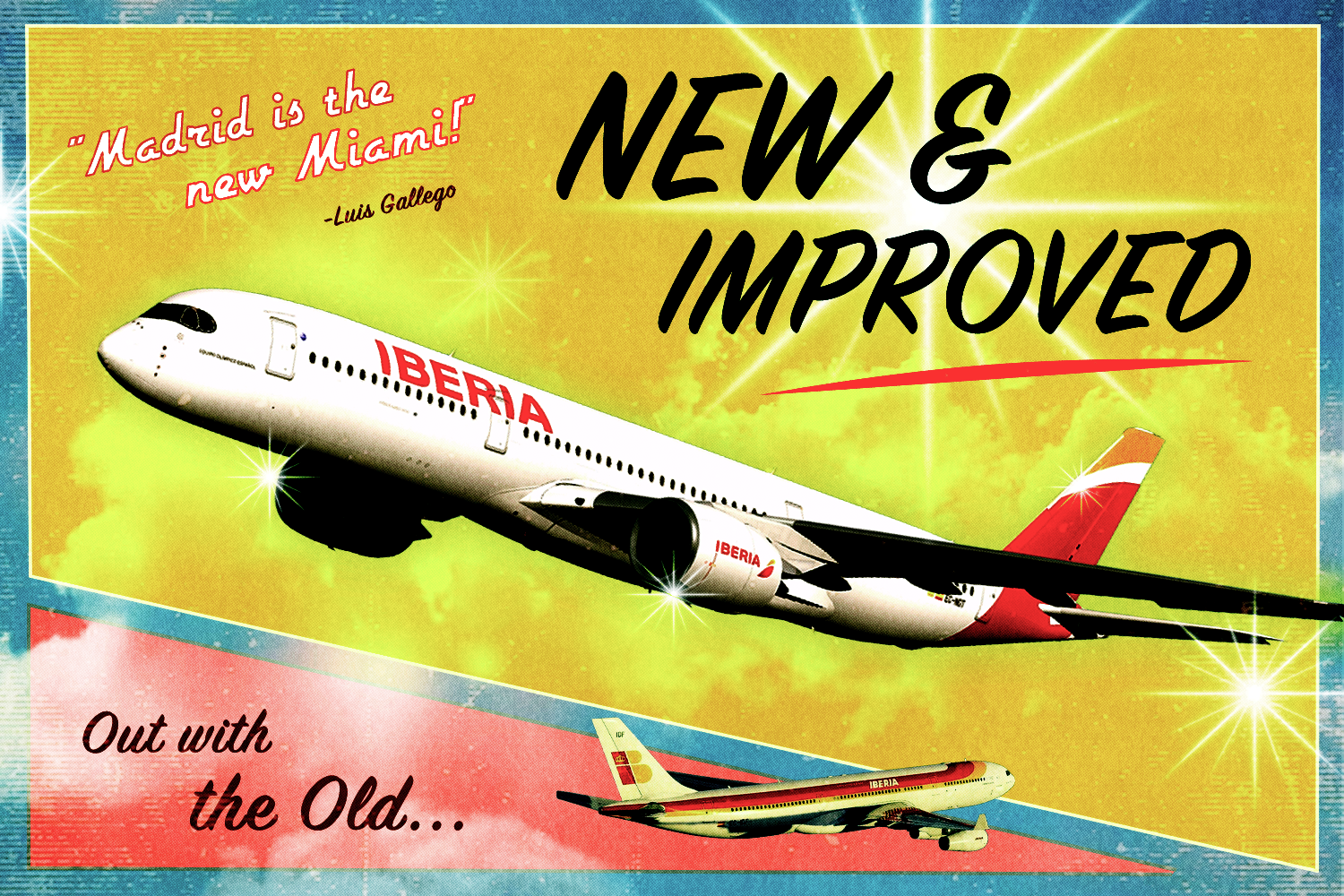
It wasn’t all that long ago that Iberia was fighting for survival. Today, the Spanish flag carrier stands as a remarkable testament to strategic transformation, boasting a level of profitability often associated with low-cost titans like Ryanair. This dramatic resurgence has seen Iberia evolve from a perennial loss-making legacy laggard into a formidable margin machine, redefining what is possible for established airlines grappling with modern industry pressures. The journey from the brink of collapse to its current robust financial health is a compelling narrative of decisive leadership, painful restructuring, and unwavering commitment to efficiency.
The Precipice: Iberia’s Pre-Turnaround Struggles
For much of the 2000s and into the early 2010s, Iberia was emblematic of the challenges facing Europe’s traditional airlines. Plagued by a confluence of internal inefficiencies and external market pressures, the airline found itself in a precarious position. The global aviation landscape was rapidly shifting, with the ascendancy of aggressive low-cost carriers (LCCs) like Ryanair and EasyJet fundamentally altering passenger expectations and pricing models. These new entrants, with their lean operations and unbundled services, exerted immense pressure on legacy carriers that were burdened by high operating costs, complex route networks, and often, rigid labor agreements.
Iberia’s specific woes were multifaceted and deeply entrenched. The airline suffered from a chronically high cost base, largely attributable to an outdated fleet of less fuel-efficient aircraft and a workforce operating under restrictive historical agreements. Labor relations were notoriously difficult, leading to frequent industrial action that disrupted operations and further alienated passengers. Customer service metrics were lagging, and the airline’s brand perception had suffered significantly. Financially, Iberia was a consistent drain, reporting hundreds of millions of euros in losses annually, becoming a significant liability for its parent company, International Airlines Group (IAG), which was formed by the merger of Iberia and British Airways in 2011. Analysts frequently questioned the long-term viability of the Spanish airline, with some even suggesting its complete dissolution as the only path to stopping the financial hemorrhage. The situation was dire, threatening not only thousands of jobs but also Spain’s connectivity and national pride.
The Catalyst for Change: IAG and New Leadership
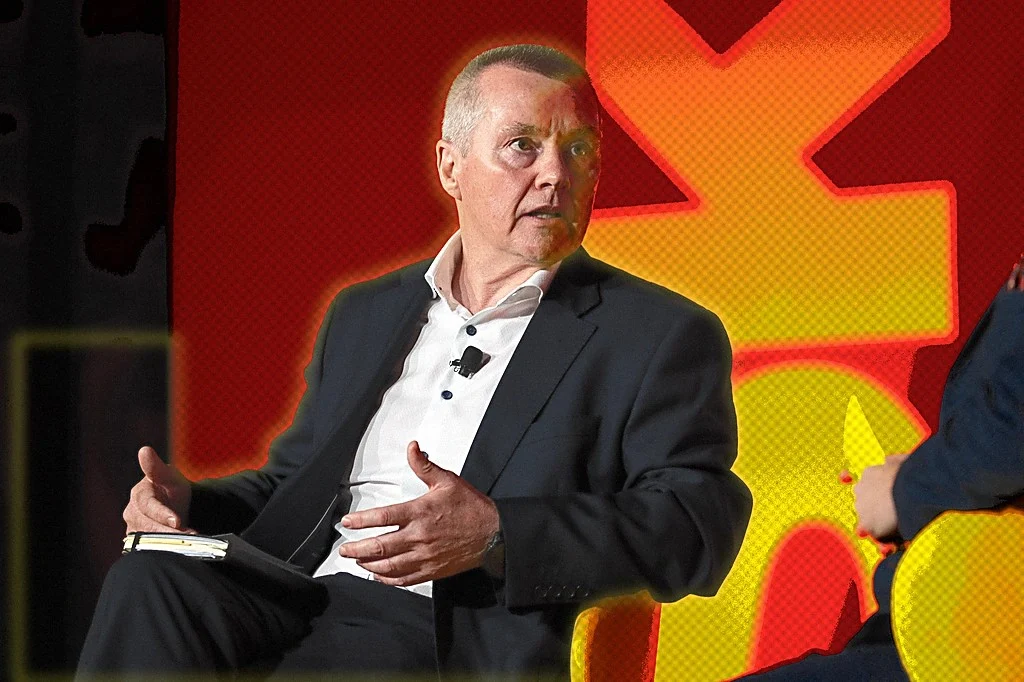
The formation of IAG in January 2011, bringing together British Airways and Iberia, initially promised synergies and a shared path to profitability. However, it quickly became apparent that Iberia’s deep-seated problems required a far more radical intervention than originally anticipated. Willie Walsh, then CEO of IAG, recognized that Iberia could not continue as a drag on the group’s performance. His mandate was clear: transform Iberia into a profitable entity, or face potentially drastic measures.
The critical turning point arrived with the appointment of Luis Gallego as CEO of Iberia in early 2013. Gallego, who had previously headed Iberia Express – a low-cost subsidiary designed to compete on short and medium-haul routes – brought with him an intimate understanding of efficient operations and a no-nonsense approach to cost management. His experience with Iberia Express demonstrated that a more agile, cost-conscious model could work within the broader Iberia brand. Gallego’s leadership marked the beginning of a comprehensive, and often brutal, restructuring program that would fundamentally redefine Iberia.
A Multi-Pronged Strategy for Resurgence
The turnaround strategy implemented by Gallego and his team was meticulously planned and ruthlessly executed, addressing every facet of Iberia’s operations. It was a bold blend of aggressive cost-cutting, strategic investment, and a renewed focus on customer value.
-
Labor Reform and Cost Reduction: This was arguably the most contentious but critical component. Iberia initiated difficult negotiations with its powerful unions, aiming to revise outdated collective bargaining agreements. The plan involved significant headcount reductions, ultimately seeing thousands of employees take voluntary redundancy or early retirement. Salary freezes and adjustments to work rules, including pilot and cabin crew productivity enhancements, were also implemented. While these measures led to prolonged strikes and public outcry, they were deemed essential to bring Iberia’s labor costs in line with European competitors. The long-term savings from these reforms were projected to be in the hundreds of millions of euros annually.
-
Fleet Modernization and Efficiency: A cornerstone of the strategy was the overhaul of Iberia’s aging fleet. Older, less fuel-efficient aircraft were systematically retired, replaced by modern, technologically advanced planes like the Airbus A330 and, subsequently, the A350. The A350, for instance, offers significantly improved fuel efficiency (up to 25% less fuel burn per seat compared to previous generation aircraft), reduced maintenance costs, and a superior passenger experience with quieter cabins and improved air quality. This investment not only lowered operational expenses but also enhanced Iberia’s environmental footprint and boosted its brand image.
-
Network Optimization and Strategic Focus: Iberia strategically rationalized its route network. The focus was sharpened on its historical stronghold: the lucrative long-haul routes connecting Europe with Latin America. This market, where Iberia enjoyed strong brand recognition and slot advantages, became a priority for expansion and premium service. Simultaneously, Iberia Express took over many short and medium-haul routes, allowing the main Iberia brand to concentrate on higher-yield long-haul segments. This segmentation strategy enabled the group to compete effectively across different market segments while optimizing aircraft utilization.
-
Premium Product Enhancement: While cutting costs, Iberia also recognized the need to invest in its premium offerings to attract and retain high-value business and leisure travelers. This included significant upgrades to its Business Class cabins, introducing lie-flat seats, enhanced in-flight entertainment, and improved catering. Investments were also made in airport lounges and ground services to create a seamless premium travel experience.
-
Digital Transformation and Ancillary Revenue: Embracing modern airline practices, Iberia invested in digital platforms to improve customer interaction, streamline booking processes, and enhance operational efficiency. Like many carriers, it also expanded its ancillary revenue streams, offering options for seat selection, extra baggage, and other services, drawing inspiration from the successful models pioneered by LCCs.
A Chronology of Transformation and Recovery
- 2011: Iberia and British Airways merge to form IAG. Iberia continues to report significant losses, becoming a major concern for the new group.
- 2012: IAG announces a comprehensive restructuring plan for Iberia, including substantial job cuts and salary reductions. Intense negotiations with unions begin, often leading to strikes and public protests.
- Early 2013: Luis Gallego is appointed CEO of Iberia, tasked with executing the turnaround. The most severe phases of labor restructuring are initiated, aiming to cut over 3,000 jobs and reduce capacity by 15%.
- 2014: Despite ongoing challenges, initial signs of improvement emerge. Iberia reports its first operating profit in several years during the second half of the year, signaling the effectiveness of the cost-cutting measures. Fleet modernization plans begin to take shape.
- 2015: Iberia records its first full-year operating profit since 2007, a landmark achievement. The airline confirms its commitment to long-haul growth, particularly in Latin America, and continues to invest in new aircraft.
- 2016-2019: Sustained profitability becomes the norm. Iberia continues its fleet renewal with the introduction of new Airbus A350s, further improving efficiency and passenger comfort. Customer satisfaction scores steadily rise, and the airline regains market share. Its operating margin approaches double digits, a figure previously unthinkable for a legacy carrier.
- 2020-2021 (COVID-19 Pandemic): Iberia, due to its leaner cost structure and proactive measures, navigates the unprecedented crisis better than many peers. While suffering losses like the rest of the industry, its pre-pandemic reforms provided resilience. It played a crucial role in repatriation flights and maintaining essential air links.
- 2022-Present: Iberia emerges strongly from the pandemic, quickly restoring capacity and profitability. Its strategic focus on Latin America proves particularly robust as travel demand rebounds. The airline continues to expand its network and invest in customer experience, solidifying its position as a key profit driver for IAG.
Supporting Data and Metrics of Success
The transformation of Iberia is not merely anecdotal; it is substantiated by hard financial and operational data. Before the turnaround, Iberia was routinely posting annual operating losses exceeding €200-300 million. By 2015, it reported an operating profit of €248 million, a swing of over half a billion euros. In subsequent years, this profitability was not only maintained but often improved, with operating margins frequently exceeding 8-10%, placing it among the most profitable full-service carriers globally, and indeed, within striking distance of the efficiency benchmarks set by leading low-cost airlines.
Operational metrics also underscore the success. Punctuality, once a source of frequent complaints, dramatically improved, consistently ranking among the best in Europe. Load factors on key routes increased, indicating better revenue management and demand. The average age of Iberia’s fleet has significantly decreased, leading to lower fuel consumption and maintenance costs. For example, the introduction of 20 Airbus A350s into its long-haul fleet has reduced CO2 emissions by up to 25% per seat, while offering a more modern and appealing product to passengers.
Statements and Industry Reactions
The turnaround generated considerable commentary from various stakeholders.
Willie Walsh (then IAG CEO): "Iberia’s recovery has been nothing short of spectacular. It was a difficult journey, requiring tough decisions and immense courage from the management team and sacrifices from employees. But the results speak for themselves. Iberia is now a vibrant, profitable airline and a key asset for IAG."
Luis Gallego (then Iberia CEO, now IAG CEO): "We knew what needed to be done, however painful. It was about creating a sustainable future for Iberia. We had to embrace efficiency, modernize our approach, and never lose sight of our customers. This success is a testament to the resilience and dedication of everyone at Iberia."
Airline Industry Analysts: Initially skeptical, many analysts later lauded Iberia’s transformation as a textbook case study. "Iberia has demonstrated that even deeply entrenched legacy carriers can reinvent themselves," noted one aviation consultant. "Their blend of aggressive cost rationalization, strategic network focus, and targeted investment in product has set a new benchmark."
Union Representatives (post-agreement): While initial reactions were often confrontational, subsequent statements acknowledged the necessity of the reforms, albeit with lingering concerns about job security and working conditions. "The agreements were difficult, but they secured the future of the airline," one union leader commented, emphasizing the compromise reached to avoid potential bankruptcy.
Broader Impact and Implications
Iberia’s transformation has had far-reaching implications, extending beyond its own balance sheet.
For IAG: Iberia’s profitability has significantly strengthened IAG’s overall financial performance, allowing the group to invest further in fleet modernization and strategic acquisitions. It cemented IAG’s dominant position in the crucial Europe-Latin America market, a differentiator from many of its European competitors.
For the Spanish Economy: A revitalized Iberia plays a crucial role in Spain’s economic fabric. It supports thousands of direct and indirect jobs, enhances Spain’s international connectivity for business and tourism, and acts as a vital artery for trade and cultural exchange. Its renewed strength contributes to Spain’s image as a competitive and modern economy.
For the Aviation Industry: Iberia serves as a powerful model for other struggling legacy airlines. It proves that a combination of ruthless efficiency, strategic clarity, and bold leadership can overcome even the most formidable challenges. It showcases how a hybrid model, blending legacy service attributes with low-cost operational discipline, can thrive in a highly competitive environment.
Sustainability: As part of its modernization, Iberia has also made strides in sustainability. Its new, fuel-efficient aircraft reduce carbon emissions, aligning with broader industry goals. The airline has also explored initiatives like sustainable aviation fuels (SAFs) and optimized flight paths to further reduce its environmental footprint, recognizing that future success is inextricably linked to ecological responsibility.
Can the Success Continue? Challenges Ahead
Despite its remarkable turnaround, Iberia faces a dynamic and challenging future. The aviation industry is constantly evolving, and new threats and opportunities emerge regularly.
- Intense Competition: The competitive landscape remains fierce, with both established full-service carriers and agile low-cost airlines continually vying for market share. Iberia must maintain its cost discipline while continuing to innovate its product and service offerings.
- Economic Volatility: The global economy is prone to fluctuations, which can impact travel demand, fuel prices, and exchange rates. Iberia must maintain its financial resilience to weather potential downturns.
- Geopolitical Instability: Geopolitical events can disrupt air travel, affect specific markets, and increase operational risks.
- Labor Relations: Maintaining harmonious labor relations will be crucial. While the major restructuring is complete, ongoing dialogue and fair practices are essential to avoid future disputes.
- Technological Advancement: The industry is on the cusp of significant technological shifts, from advanced analytics and AI in operations to potential new aircraft propulsion systems. Iberia must continue to invest in innovation to stay ahead.
- Environmental Pressures: The drive towards decarbonization and greater environmental responsibility will intensify. Iberia’s commitment to sustainability, including investments in SAFs and eco-efficient operations, will be paramount.
- Future Growth and Innovation: While its core strategy has proven successful, Iberia must continue to identify new growth opportunities, explore emerging markets, and adapt its service offerings to evolving passenger preferences without compromising its hard-won profitability.
In conclusion, Iberia’s journey from a beleaguered national carrier to a highly profitable airline is a powerful narrative of corporate reinvention. It underscores that with visionary leadership, a willingness to make difficult decisions, and a relentless focus on efficiency and customer value, even the most challenging enterprises can achieve a "miracle turnaround." Its continued success will depend on its ability to sustain this disciplined approach while embracing the inevitable changes and challenges of the global aviation industry.



 Anjar Salim
 Chandra Hamzah
 Tatiana Tantri Indah Sari
 Budi Mulyono

