Gabriela Annisa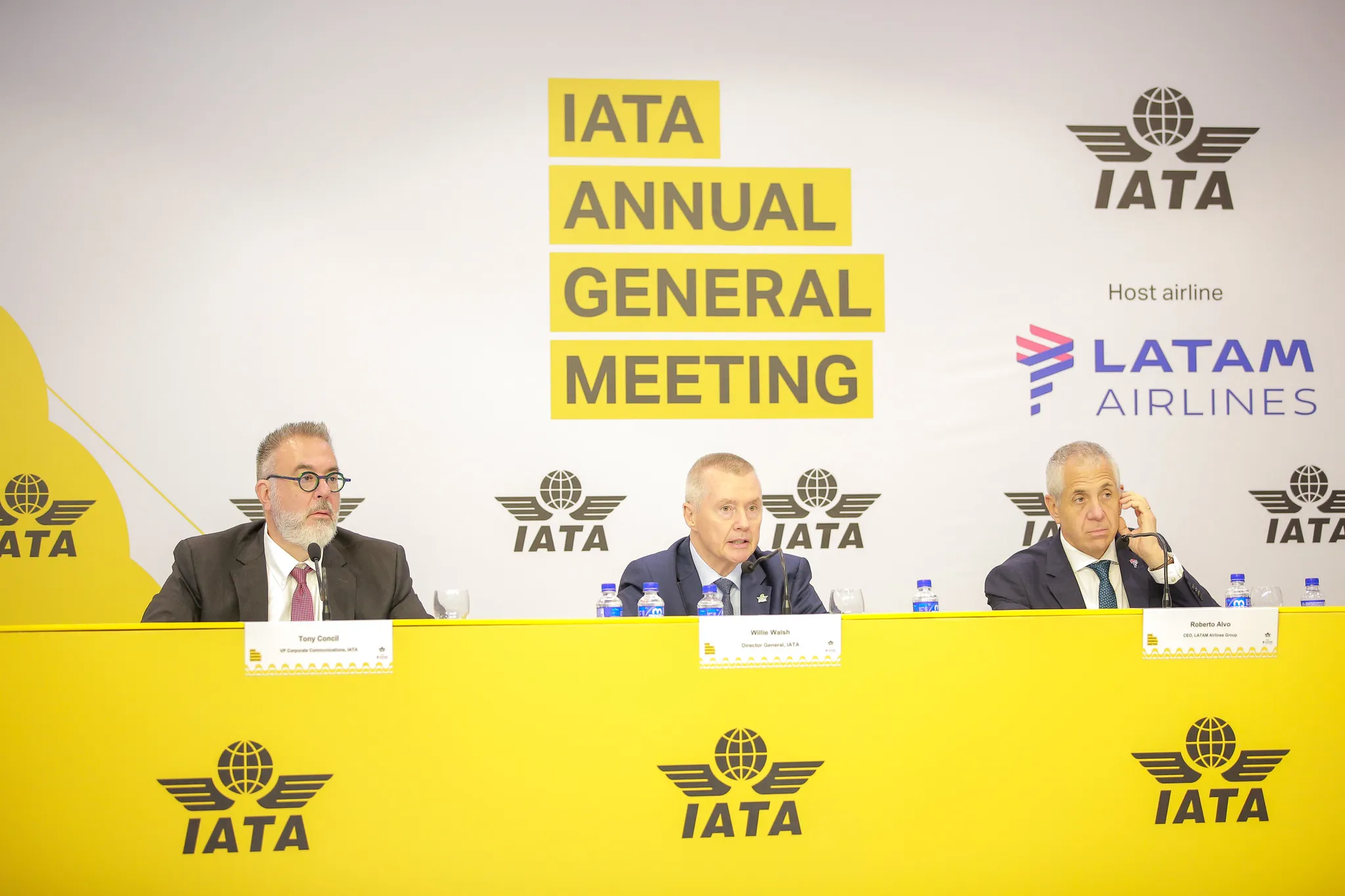
Rio de Janeiro, Brazil – The International Air Transport Association (IATA) Annual General Meeting (AGM) for 2026 concluded its highly anticipated proceedings in Rio de Janeiro on June 11th, drawing to a close a pivotal gathering that saw global airline leaders converge to discuss the industry’s most pressing challenges and future trajectories. As the event wrapped up, industry analyst Gordon Smith joined Jay Shabat from Rio for a comprehensive debrief, dissecting the key takeaways from the AGM before pivoting their discussion to the host nation itself: Brazil. The South American giant, identified as one of the world’s largest yet most consolidated aviation markets, presents a unique case study, where its structural dynamics profoundly influence everything from airfare pricing to the very landscape of competitive participation. This deep dive into Brazil’s aviation sector underscores the broader implications of market structure on global air travel.
The 82nd IATA AGM, hosted in the vibrant city of Rio de Janeiro, served as the premier forum for airline CEOs, regulators, aviation stakeholders, and media to address the critical issues facing the global air transport industry. Held from June 9th to 11th, 2026, the event’s agenda was packed with discussions ranging from the ongoing imperative of aviation sustainability, the volatile economic landscape, infrastructure development, to the advancements in digital transformation and passenger experience. The choice of Rio de Janeiro as the host city was particularly significant, highlighting the growing importance of the Latin American aviation market and its unique set of opportunities and challenges. Historically, IATA AGMs rotate through key global aviation hubs, signaling strategic regional focus areas for the association. The 2026 edition aimed to put a spotlight on the potential for growth and the regulatory complexities within Latin America, a region often characterized by its dynamic yet sometimes unpredictable operating environment.
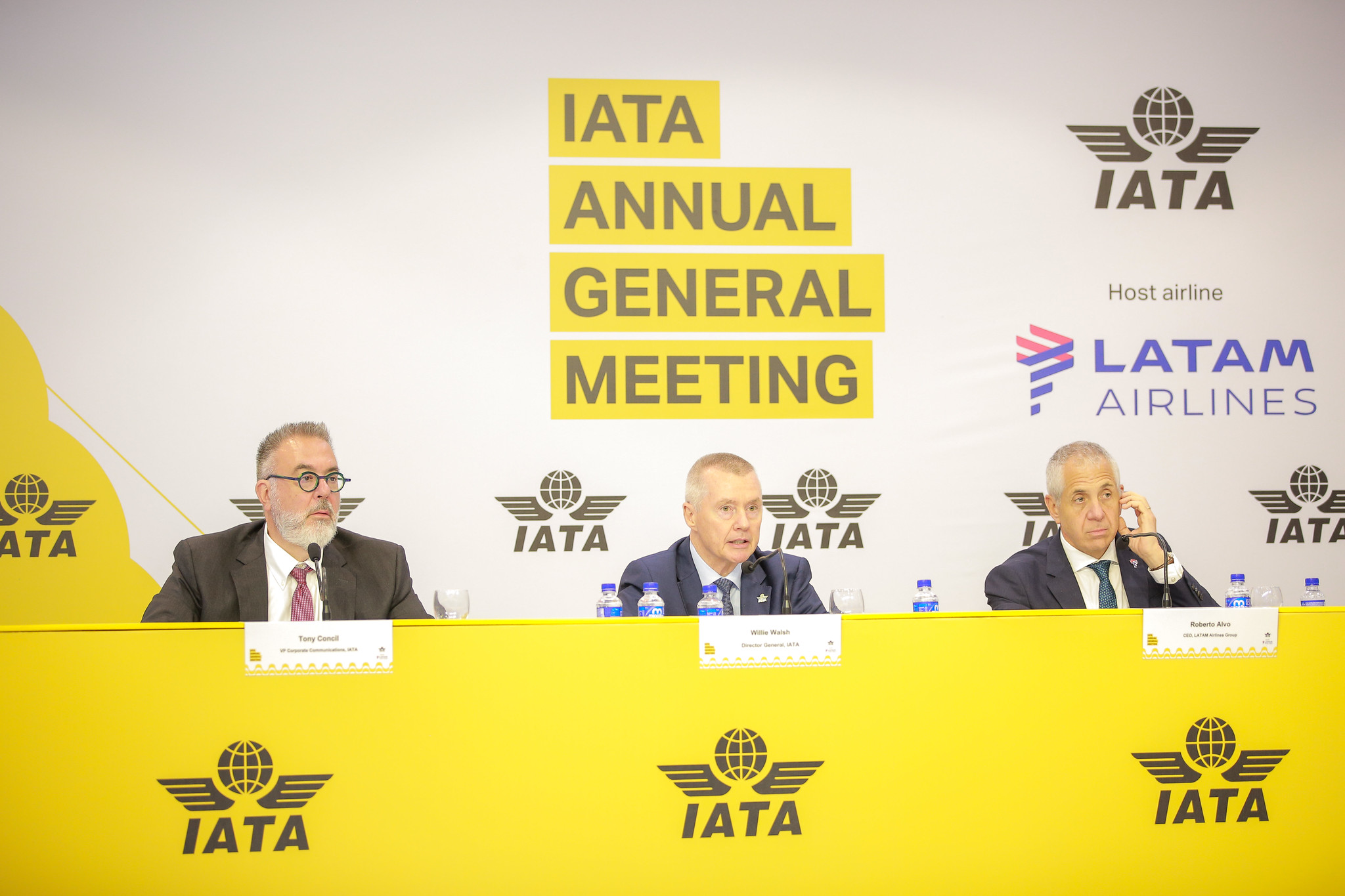
The AGM commenced on Monday, June 9th, with an opening ceremony featuring welcoming remarks from IATA Director General Willie Walsh and key Brazilian aviation dignitaries, including the Minister of Infrastructure and the President of ANAC (Brazil’s National Civil Aviation Agency). The initial plenary sessions set the tone, focusing on the global economic outlook for airlines, projecting a continued, albeit modest, return to profitability following a series of unprecedented disruptions. Key discussions revolved around the urgent need for accelerated decarbonization efforts, with updates on the progress towards the industry’s net-zero 2050 target. Panels explored the scalability of Sustainable Aviation Fuels (SAF), advancements in new propulsion technologies, and the role of carbon offsetting mechanisms. Day two saw a series of specialized breakout sessions covering topics such as air traffic management modernization, cybersecurity in aviation, improving the passenger journey through biometrics and digital identity, and strategies for workforce development and diversity. The closing press conference on June 11th, a recurring fixture captured in the event photography, summarized the key resolutions and commitments made during the meeting, reiterating IATA’s advocacy positions on issues like slot allocation, taxation, and consumer protection. It was during this concluding phase that Gordon Smith and Jay Shabat provided their expert commentary, filtering the high-level pronouncements through a lens of practical industry impact.
Brazil’s aviation market took center stage in the post-AGM analysis, and for good reason. It is consistently ranked among the top ten largest aviation markets globally by passenger volume. Pre-pandemic, Brazil consistently recorded over 100 million domestic passenger trips annually, a figure projected to have surpassed 120 million by 2025 and continuing its upward trajectory into 2026. The sheer geographical expanse of the country, coupled with its large population of over 215 million, naturally necessitates a robust air transport network for connectivity. Major hubs like São Paulo (Guarulhos and Congonhas), Rio de Janeiro (Galeão and Santos Dumont), and Brasília serve as critical nodes, facilitating millions of movements annually. International traffic, while smaller than domestic, is also substantial, connecting Brazil to key markets in North America, Europe, and other Latin American countries. This vast market size makes Brazil an attractive, yet challenging, operating environment for airlines.
However, the defining characteristic of Brazil’s aviation landscape, and the one that formed the crux of the debrief, is its high level of market consolidation. Unlike more fragmented markets, Brazil is predominantly served by a handful of major carriers: LATAM Airlines Brazil, GOL Linhas Aéreas, and Azul Linhas Aéreas. While regional carriers and a few smaller players exist, these three airlines collectively command over 90% of the domestic market share. This oligopolistic structure has profound implications across the entire value chain of air travel within the country.
Firstly, the consolidated nature of the market significantly impacts pricing. With fewer competitors, airlines face less pressure to engage in aggressive price wars. This often translates to higher average airfares for consumers compared to markets with more robust competition. While dynamic pricing models are ubiquitous globally, the lack of significant rivalry in Brazil can limit the downward pressure on prices, especially on popular routes. For instance, a flight between São Paulo and Rio de Janeiro, one of the busiest air corridors in the world, might exhibit less price variability than a comparable route in a more competitive market like the U.S. or Europe. This directly affects travel accessibility for a large segment of the Brazilian population, potentially dampening the overall growth potential that a large market size would otherwise suggest.
Secondly, competition and market entry barriers are formidable. The established players benefit from economies of scale, extensive route networks, and significant brand recognition. New entrants face immense capital requirements, challenges in securing airport slots at congested hubs, and the difficulty of building a competitive network against entrenched incumbents. This limits consumer choice and innovation, as the dominant airlines have less external pressure to differentiate their services or introduce radically new business models. For example, the emergence of ultra-low-cost carriers (ULCCs) has been slower and less impactful in Brazil compared to other regions, partly due to the strong positioning of the existing consolidated carriers, which have themselves adopted hybrid models incorporating some low-cost elements.
Thirdly, the route network development is heavily influenced by this structure. The major carriers prioritize high-density, profitable routes, often leading to underserved secondary cities or less frequent service to regional destinations. While Azul has historically focused on expanding regional connectivity, the overall market structure means that the vastness of Brazil is not always adequately covered by direct, affordable air links, requiring passengers to often transit through major hubs. This centralization can be inefficient for travelers and hinder regional economic development.
The regulatory environment in Brazil, primarily overseen by ANAC, grapples with the challenge of fostering competition within a consolidated market. ANAC’s mandate includes ensuring fair practices, consumer protection, and promoting the development of the national air transport system. However, balancing these objectives with the commercial realities of the dominant airlines is a constant tightrope walk. Regulatory interventions to encourage competition, such as facilitating airport slot access or scrutinizing mergers, are critical but complex. Discussions at the AGM likely touched upon the global trend towards greater regulatory oversight in concentrated markets, and how Brazil’s framework compares.
Inferred statements from the IATA AGM 2026 Director General’s address would have emphasized the global aviation industry’s collective commitment to sustainability, urging governments worldwide to support the production and deployment of SAF through policy incentives. On profitability, the Director General might have highlighted the precarious margins many airlines still operate on, despite returning to the black, underscoring the need for reduced taxation and efficient infrastructure. Specifically regarding Latin America, IATA likely praised the region’s resilience and growth potential but also pointed out persistent challenges such as high operating costs, complex regulatory frameworks across different nations, and infrastructure bottlenecks.
Brazilian aviation officials and airline CEOs, if present at the AGM, would likely have offered a nuanced perspective. They might acknowledge the concentration of the market but argue that it allows for greater operational efficiency, investment in modern fleets, and the ability to withstand economic shocks. They would probably highlight the unique challenges of operating in Brazil, such as the high cost of jet fuel (often influenced by exchange rates and local taxes), complex labor laws, and the need for continuous infrastructure upgrades at airports. They might advocate for government support in reducing operational costs, streamlining regulations, and investing in air traffic control modernization. For instance, the CEO of a major Brazilian airline could have stated, "While our market is consolidated, it enables us to invest significantly in our fleet and technology, ensuring high safety standards and a reliable network for Brazilian travelers. The real challenge lies in mitigating the high operating costs inherent to our region, particularly fuel and taxes, which ultimately impact consumer fares."
The broader impact and implications of the IATA AGM 2026 extend far beyond Brazil. For the global aviation industry, the resolutions and discussions from Rio will inform policy advocacy efforts with international bodies like ICAO and national governments. The continued push for decarbonization remains paramount, with increased pressure on all stakeholders to accelerate the transition to sustainable practices. The AGM serves as a critical platform for aligning industry efforts on safety, security, and operational standards.
For Latin America, the focus on Brazil signals a broader recognition of the region’s burgeoning air travel market. While Brazil’s consolidation is prominent, other Latin American countries also face varying degrees of market concentration and similar operational challenges. The insights gained from analyzing Brazil’s market dynamics could inform strategies for regional connectivity, investment in cross-border infrastructure, and the harmonization of aviation policies across the continent. The potential for growth in tourism and business travel within Latin America remains significant, contingent on addressing these underlying structural and operational hurdles.
For consumers, the outcomes of discussions on market consolidation, pricing, and regulatory oversight directly affect affordability and choice. While a consolidated market can offer efficiency and potentially better service from large carriers, it requires vigilant regulation to ensure consumer interests are protected. The future of air travel in Brazil, therefore, hinges on a delicate balance between supporting the financial health of its major airlines and fostering an environment that encourages competition and accessibility.
In conclusion, the IATA AGM 2026 in Rio de Janeiro not only served as a critical global forum for addressing the aviation industry’s universal challenges but also provided a timely platform to scrutinize the unique dynamics of Brazil’s vast yet highly consolidated aviation market. The post-AGM debrief by Gordon Smith and Jay Shabat meticulously highlighted how this consolidation shapes everything from pricing strategies to competitive landscapes. As the industry moves forward, the lessons from Brazil’s experience will undoubtedly contribute to the ongoing global dialogue on how to balance market efficiency, profitability, and competition to ensure a sustainable, accessible, and vibrant future for air travel worldwide. The complex interplay between market structure, regulation, and consumer welfare, so vividly demonstrated in Brazil, remains a central theme for the aviation industry’s strategic considerations in the years to come.



 Chandra Hamzah
 Tatiana Tantri Indah Sari
 Budi Mulyono
 Anjar Salim