Budi Mulyono
The concept of spending one’s golden years aboard a luxury cruise liner has transitioned from an anecdotal curiosity into a structured retirement strategy for a growing demographic of American seniors. Driven by the rising costs of land-based assisted living and a desire for global mobility, the "cruise retirement" phenomenon now encompasses two primary operational models: the "serial booker" approach and the burgeoning residential cruise ship industry. While the lifestyle promises an elimination of domestic chores and a rotating view of international ports, a rigorous financial and logistical analysis reveals a complex landscape of hidden costs, significant healthcare gaps, and long-term investment risks that depart sharply from the idyllic imagery found in travel brochures.
The Dual Models of Permanent Maritime Residency
For those seeking to relocate to the ocean permanently, the path generally diverges into two distinct methodologies. The first, known as serial booking, involves the continuous scheduling of back-to-back voyages on commercial lines such as Royal Caribbean, Norwegian Cruise Line, or Princess Cruises. This model offers maximum flexibility, allowing retirees to chase favorable weather or specific geographic regions while accumulating loyalty points that eventually subsidize costs through "elite" perks like free laundry or internet. However, it requires intensive logistical management, as the resident must frequently move between cabins or ships, navigating the fluctuating seasonal pricing of the global cruise market.
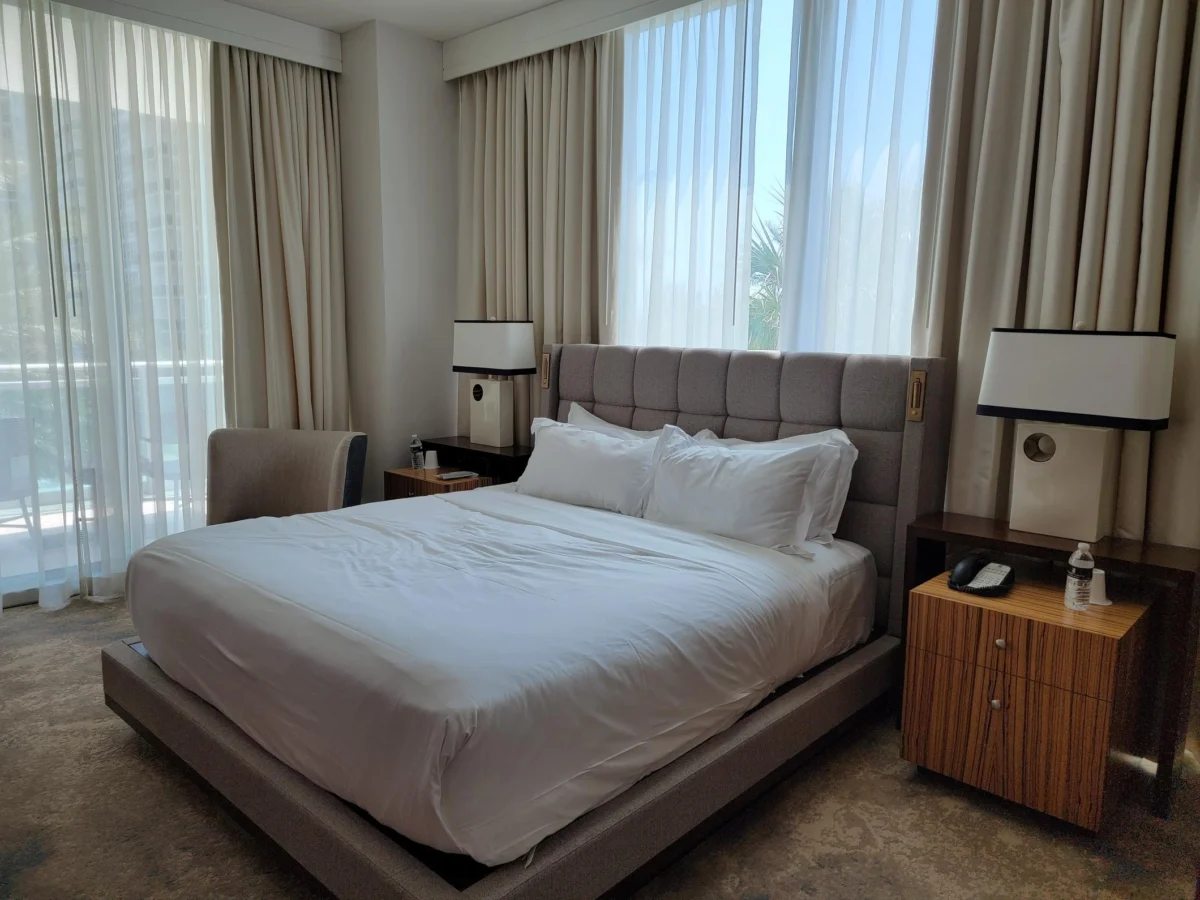
The second model is the residential cruise concept, a relatively new sector of the maritime industry. Companies like Storylines and Villa Vie Residences are marketing ships specifically designed for long-term habitation. Unlike traditional cruises, these vessels offer units for purchase or long-term lease, ranging from interior studios to multi-bedroom suites. These ships are outfitted with amenities tailored for permanent residents, such as expanded business centers, libraries, and more robust medical clinics. While this provides a stable "home" at sea, it necessitates a significant upfront capital investment and ties the retiree’s financial security to the operational viability of a single, often startup-level, corporation.
A Comparative Analysis of Annual Expenditures
A central argument for retiring at sea is the perceived cost-effectiveness compared to high-end land-based retirement communities. According to data from the Bureau of Labor Statistics, the average retired household in the United States spends approximately $60,000 annually. When measured against this benchmark, the financial reality of cruising varies significantly by cabin category and service level.
For a single retiree employing the serial booking strategy in a modest balcony cabin, the all-inclusive cost typically ranges between $60,000 and $100,000 per year. For a couple, even with the application of loyalty discounts and advance booking strategies, the budget rarely falls below $85,000 annually. These figures cover the base fare, taxes, and standard gratuities but often exclude the "onboard spend" that defines the cruising experience.
In the residential sector, the pricing structures are more varied. Storylines has advertised entry-level monthly rates starting at approximately $2,150 per person, or $25,800 annually, which covers meals, beverages, and basic services. However, these figures often apply to internal cabins and do not account for the purchase price of the unit. Villa Vie Residences offers cabin ownership starting at $130,000, with monthly service fees hovering around $2,000 per person. At the luxury end of the spectrum, Oceania Cruises offers 180-day "World Voyages" that can cost a couple upwards of $150,000 per year when booked consecutively.
The Chronology of the Cruise Retirement Trend
The evolution of full-time cruising can be traced through three distinct phases over the last two decades:
- The Anecdotal Era (Early 2000s): The trend gained public attention through "pioneer" retirees like Mario Salcedo, known as "Super Mario," who has lived on Royal Caribbean ships for over two decades. During this phase, cruise lines did not have formal programs for permanent residents; instead, individuals navigated the system through repetitive bookings.
- The Economic Convergence (2010–2019): As the cost of premium assisted living in the U.S. surpassed $5,000 per month in many jurisdictions, financial planners began to seriously compare these costs to mid-tier cruise lines. This period saw the first serious attempts to launch residential-only vessels, though many faced significant funding hurdles.
- The Post-Pandemic Resurgence (2022–Present): Following the global maritime shutdown, cruise lines sought stable revenue streams. Simultaneously, the "work from anywhere" culture emboldened younger retirees. This era marked the launch of several residential ship startups and the introduction of "Grand Voyages" by major lines specifically targeted at the long-term traveler.
The Healthcare Gap and the Six-Hour Rule
Perhaps the most significant risk factor for maritime retirees is the limitation of medical coverage. A common misconception among American seniors is that Medicare provides global protection. In reality, Original Medicare only covers services within the United States. Coverage at sea is restricted to very specific circumstances: the ship must be in a U.S. port or within six hours of one. Given that most international itineraries spend the vast majority of their time in international waters or foreign territories, the "six-hour rule" effectively renders Medicare useless for the full-time cruiser.
To mitigate this, retirees must secure specialized international health insurance or high-tier Medigap policies that include foreign travel emergency benefits. For a couple in their late 60s, these premiums can range from $4,000 to $30,000 annually, depending on the level of comprehensive global care required. Furthermore, shipboard medical facilities are designed for stabilization and minor acute care, not chronic disease management. In the event of a stroke, cardiac event, or complex fracture, the patient must be medically evacuated. An international air ambulance can cost between $40,000 and $100,000, a cost that is rarely covered by standard travel insurance unless a specific MedEvac membership is maintained.
Logistical Infrastructure and Legal Domicile
Living at sea does not exempt a citizen from land-based legal and tax obligations. To maintain a valid U.S. passport, voter registration, and bank accounts, maritime retirees must establish a legal domicile. This involves more than just a mailing address; it requires a physical nexus in a state. Popular choices include Florida, Texas, and South Dakota due to their lack of state income tax and favorable residency requirements for full-time travelers.
The "land footprint" required to support a life at sea includes:

- Mail Forwarding Services: Specialized companies in "tax-friendly" states that scan and digitize physical mail.
- Storage Units: For heirlooms and seasonal items that cannot fit into a 170-square-foot cabin.
- Dry Dock Contingencies: Ships must undergo periodic maintenance in dry dock every few years. During these weeks, residents must find and fund land-based accommodations.
Financial analysts suggest budgeting an additional $6,000 to $10,000 per year to maintain this essential land-based infrastructure.
Industry Perspectives and Economic Risks
While the lifestyle offers freedom, industry analysts warn of the unique economic risks associated with the residential cruise startup market. Unlike traditional real estate, where the underlying land retains value even if a building deteriorates, a cabin on a ship is a depreciating asset. If the cruise company files for bankruptcy or the vessel is decommissioned due to environmental regulations, the resident’s "equity" may evaporate.
"Investors in residential ships are essentially providing unsecured loans to maritime startups," notes one maritime consultant. "They are betting not just on their own health, but on the 30-year operational solvency of a single company in a highly volatile industry."
Furthermore, the environmental impact of full-time cruising is increasingly under scrutiny. As the International Maritime Organization (IMO) tightens carbon emission standards, older vessels—often the ones purchased by residential startups—may require prohibitively expensive retrofitting, which is then passed on to residents through increased monthly service fees.
Psychological and Social Implications
The transition from a 2,500-square-foot home to a 200-square-foot cabin presents a significant psychological hurdle. While the social environment of a ship is often cited as a benefit, the "transient nature" of the community can lead to a sense of isolation. On commercial lines, the "serial booker" sees their social circle refresh every seven to fourteen days as fellow passengers disembark.
Additionally, the "family tax" is a factor that many retirees underestimate. The cost of flying back for births, graduations, or family emergencies from a remote port in the Mediterranean or Southeast Asia can be exorbitant. Many retirees find that while they are "seeing the world," they are missing the foundational moments of their family’s lives, a reality that often leads to a return to land within three to five years of starting their maritime journey.
Summary of Financial Sustainability
For the maritime retirement model to be sustainable, financial advisors suggest that a couple needs approximately $1.5 million to $2 million in investable assets, in addition to Social Security income. This allows for a 3.5% to 4% withdrawal rate to cover the $70,000 to $80,000 gap between Social Security benefits and the actual cost of a comfortable life at sea.
Ultimately, retiring on a cruise ship is a viable alternative for a specific subset of the population: those who are highly mobile, possess significant liquid assets, and have a high tolerance for logistical complexity. However, for the average retiree, the "all-inclusive" dream is frequently punctuated by the realities of international law, the limitations of geriatric medicine, and the volatile economics of the maritime industry.



 Tatiana Tantri Indah Sari
 Anjar Salim
 Lukman Taruna Persada Ramadan