Dwi Wanna
Madrid, the sprawling heart of Spain and home to over 3.5 million residents, stands as a testament to the nation’s rich history, artistic prowess, and unyielding zest for life. Annually drawing over 10 million visitors, this dynamic metropolis captivates with its stunning architectural tapestry, a world-renowned culinary scene, and an energetic nightlife that pulses until the early hours of dawn. As one of Europe’s premier destinations, Madrid offers an experience that is both grand in scale and intimately engaging, inviting exploration beyond its well-trodden paths.
The city’s rhythm is distinctively Spanish, characterized by a later start to the day and a more leisurely pace, particularly in its evening hours. Embracing this laid-back culture, where meals are savored and social gatherings extend late into the night, provides a more authentic connection to Madrid’s soul. This approach allows visitors to uncover the true essence of the city’s vibrant culture, a characteristic that has solidified its status as a must-visit destination.
A well-structured itinerary is key to navigating a city as expansive and multifaceted as Madrid. For those seeking to experience the breadth of its offerings without feeling overwhelmed, a carefully planned five-day exploration can unveil both its iconic landmarks and its hidden gems, all while remaining mindful of budget. This guide aims to provide such a framework, ensuring a comprehensive and enriching visit to Spain’s captivating capital.
Day 1: A Deep Dive into the Art Triangle
The first day of this Madrid itinerary is dedicated to an immersion in the city’s unparalleled artistic heritage, focusing on the "Art Triangle," a UNESCO World Heritage site recognized for its significant cultural contributions. This area, boasting over 40 monuments and historic buildings, presents a picturesque and historically rich urban landscape.
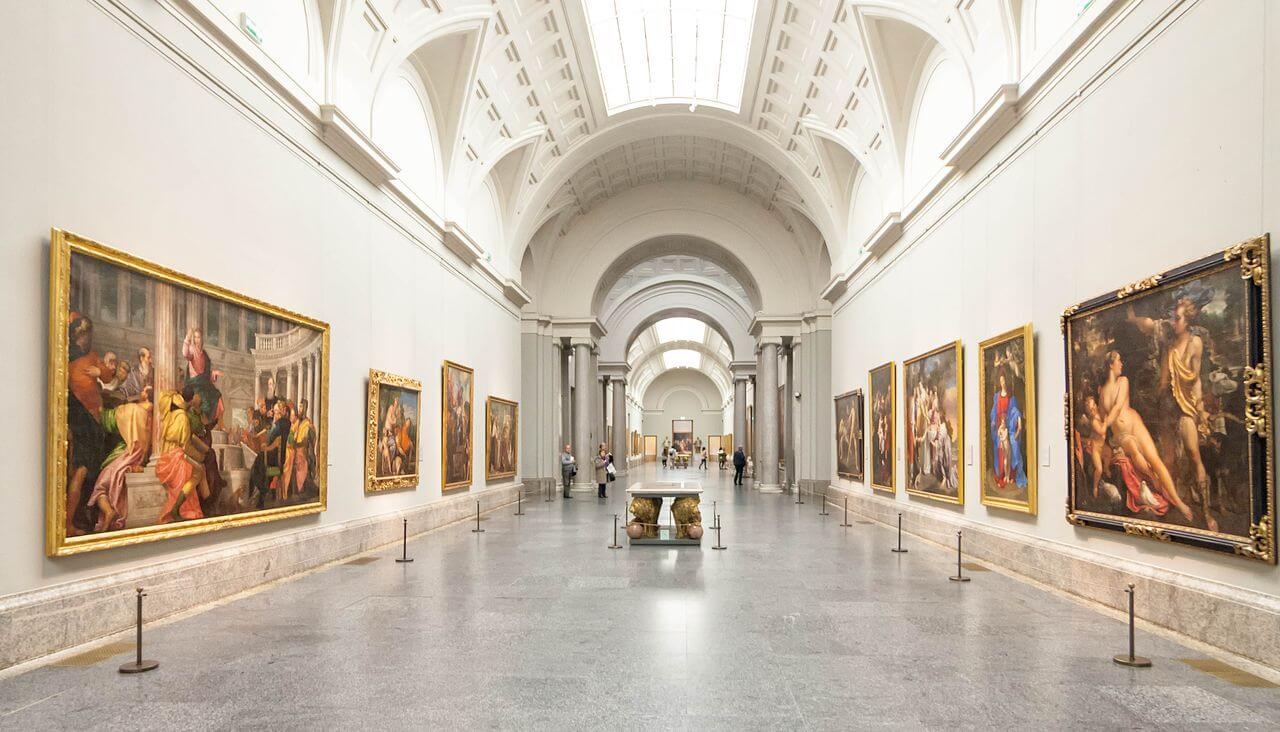
The journey commences at the Prado Museum, widely regarded as one of the finest art museums globally. Its vast collection features masterpieces by Spanish luminaries such as El Greco, Velázquez, and Goya, alongside works from other European masters like Rubens, Botticelli, and Caravaggio. Given its immense scale and the caliber of its exhibits, the Prado warrants a minimum of several hours for exploration, offering an unparalleled journey through centuries of artistic achievement. In 2023, the museum reported an attendance of over 3.1 million visitors, underscoring its enduring popularity.
A short, pleasant 10-minute stroll along the Paseo del Prado leads to the Thyssen-Bornemisza Museum. This remarkable private collection bridges the gap between the Renaissance and Pop Art, providing a comprehensive overview of Western art history. The artistic pilgrimage culminates at the Reina Sofía Museum, a national art center dedicated to modern and contemporary art. Here, visitors can marvel at works by Picasso, Miró, Kandinsky, Dalí, and Bacon. The museum’s undisputed centerpiece is Picasso’s powerful 1937 anti-war painting, "Guernica," a profoundly moving testament to the horrors of conflict. Despite its modern art focus, the Reina Sofía’s impactful collections consistently draw significant crowds, with visitor numbers often exceeding those of the Prado in specific periods.
Following this intensive artistic exploration, the day transitions to a culinary adventure. For an authentic taste of Madrid, Taberna La Fragua de Vulcano offers a rustic ambiance perfect for sampling cocido madrileño, a traditional hearty stew. Near the Reina Sofía, the vibrant garden terrace at Arzúbal is a highly recommended spot for its exceptional croquetas, a ubiquitous Spanish tapa that is elevated to an art form here. For a truly unique dining experience, Bodega de los Secretos, nestled in restored 17th-century wine cellars, provides an atmospheric setting near the Prado Museum, transporting diners back in time.
The afternoon offers an opportunity to explore Madrid’s distinctive "House Museums." These former private residences, preserved to reflect the intimate atmospheres of their original owners, offer a more personal glimpse into the lives of notable figures. The crown jewel among these is the Sorolla Museum, the sun-drenched former home and studio of Joaquín Sorolla, famously known as "the painter of light." Following a significant architectural renovation, the museum, set to reopen in 2026, promises a revitalized experience of its stunning gardens and Mediterranean-inspired canvases.
Alternatively, the Museum of Romanticism provides a charming escape with its enchanting secret garden, perfect for a relaxed coffee. For those with a penchant for private collections, the Lázaro Galdiano Museum houses an impressive array of works by Goya, Murillo, Velázquez, El Greco, and Bosch, all displayed within a magnificent neo-Renaissance mansion. This diverse selection ensures that the afternoon can be tailored to individual interests, offering a more intimate cultural experience beyond the grand museums.
The evening is reserved for relaxation and continued culinary exploration, allowing for a leisurely conclusion to a day steeped in art and culture.
Day 2: The Grandeur of Madrid’s Historic Core
Day two delves into the medieval and Renaissance foundations of Madrid, exploring the area historically known as Habsburg Madrid, or Madrid de los Austrias. The central nexus of this historic district is Puerta del Sol, a bustling square that serves as Kilometer Zero for Spain’s national highway network. A photograph at the Kilometer Zero plaque and with the iconic statue of the Bear and the Strawberry Tree (El Oso y el Madroño) is a quintessential Madrid experience. The statue, depicting a bear reaching for fruit from a strawberry tree, symbolizes Madrid’s coat of arms, with the bear representing the city and the tree signifying the surrounding land that has contributed to its prosperity.
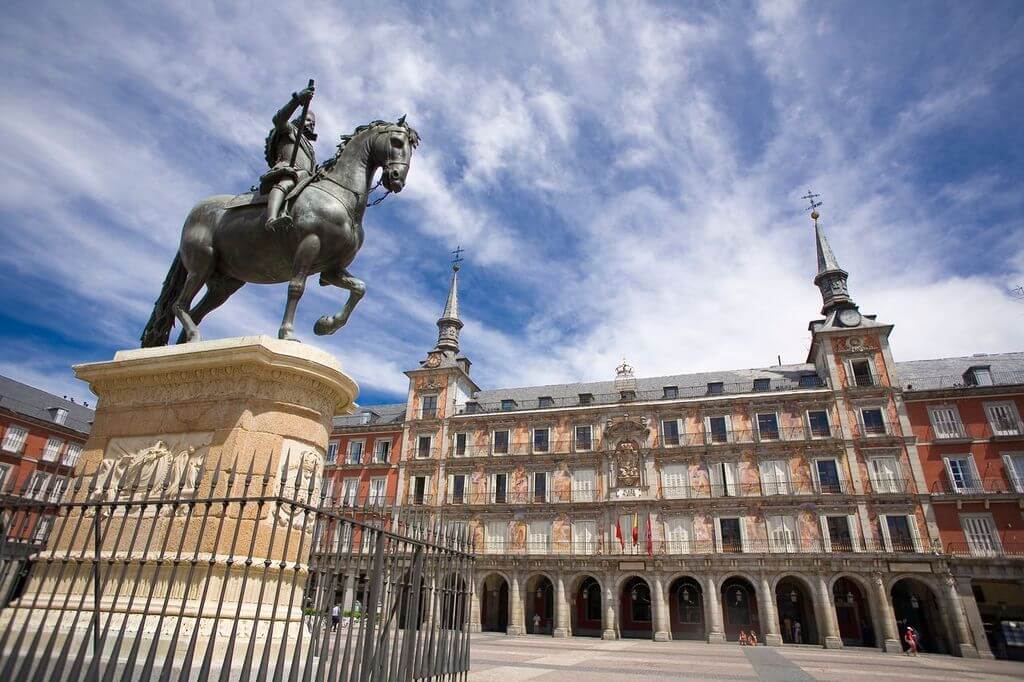
From Puerta del Sol, a short walk leads to the magnificent Plaza Mayor. This grand, arcaded square, once the stage for bullfights, markets, public executions, and royal ceremonies, now serves as a vibrant hub for cafes, restaurants, and shops. Its architectural grandeur and lively atmosphere make it an ideal spot for people-watching and soaking in the city’s ambiance. While tourist-oriented, the plaza occasionally hosts concerts and events, adding to its dynamic character.
For an authentic taste of local life, seeking out a bocadillo de calamares (fried squid sandwich) in the nearby alleys is a highly recommended culinary detour. This simple yet iconic Madrid snack offers a delightful and affordable introduction to the city’s street food culture.
Following lunch and the exploration of Plaza Mayor, the itinerary directs visitors to the Royal Palace of Madrid. As the largest palace in Western Europe, this 18th-century Baroque masterpiece is home to over 3,400 lavishly decorated rooms. Built on the site of a former 9th-century Muslim fortress, the palace today functions as a grand art museum, housing works by Caravaggio, Juan de Flandes, and Francisco Goya, among others. While it remains the official residence of the Spanish monarchy and is used for state functions, the royal family no longer resides there. Visitors can tour the opulent staterooms, admire the impressive Grand Staircase, and explore the Royal Armory, which showcases a remarkable collection of medieval weapons and armor. The palace welcomed approximately 1.5 million visitors in 2023, highlighting its significant appeal.
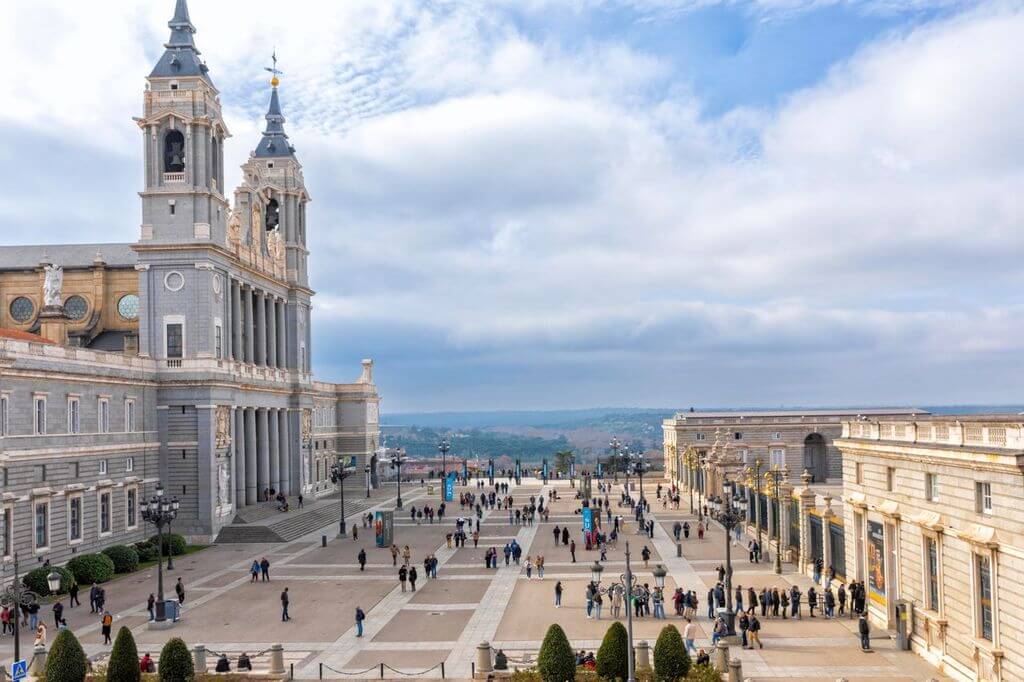
The day concludes at the Almudena Cathedral, a striking contrast to many of Europe’s ancient cathedrals. Construction began in the late 19th century and was finally completed and consecrated by Pope John Paul II in 1993. Its exterior, designed to complement the nearby Royal Palace, features a Neoclassical style, while the interior boasts a Neo-Romanesque crypt with over 400 columns. Ascending to the dome offers panoramic vistas of the city, providing a fitting end to a day exploring Madrid’s historical and royal grandeur.
Day 3: A Gastronomic Journey Through Madrid
Madrid’s reputation as a culinary paradise is well-earned, making a dedicated day for gastronomic exploration an essential part of any visit. While organized food tours offer a curated experience, venturing out independently allows for a more personal discovery of the city’s diverse flavors.
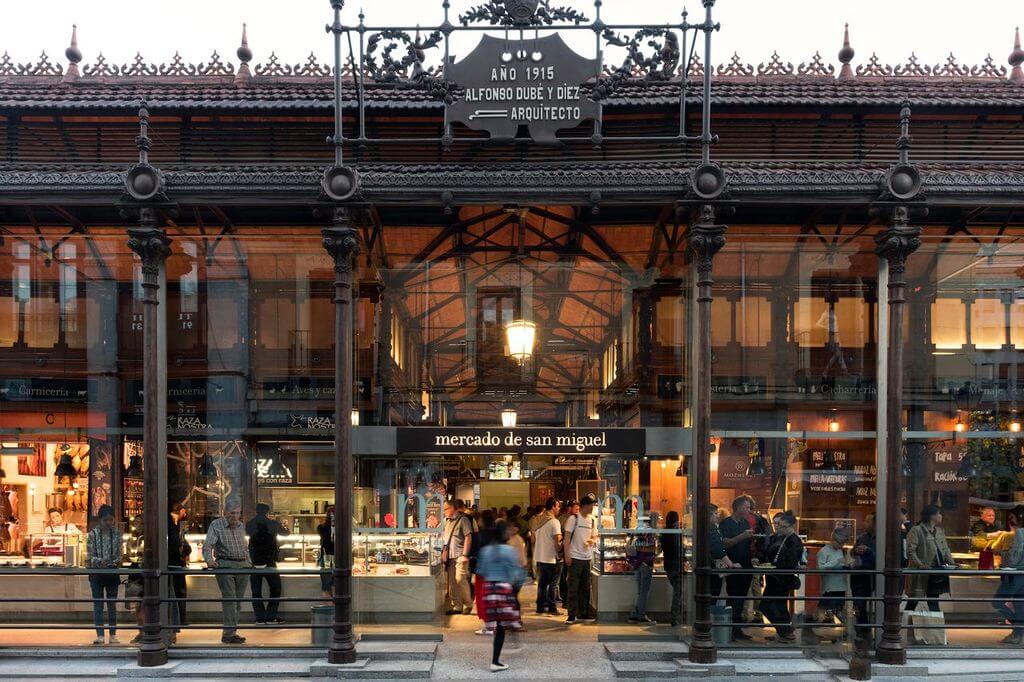
The day begins at Madrid’s iconic gastronomic markets. Mercado de San Miguel, with its elegant glass walls and prime location near Plaza Mayor, is a must-visit for gourmet tapas. This bustling market, a favorite among locals and tourists alike, offers an unparalleled selection of high-quality Spanish delicacies and is a frequent stop for repeat visitors. Beyond San Miguel, Mercado de San Antón in the trendy Chueca neighborhood and Mercado de Vallehermoso provide deeper dives into regional specialties and local life, offering a more authentic glimpse into the city’s food culture. These markets collectively represent the vibrant evolution of urban food halls in Spain, adapting traditional concepts to modern tastes.
For those seeking a taste of history, Sobrino de Botín, officially recognized by Guinness World Records as the world’s oldest restaurant, is a culinary landmark. Favored by Ernest Hemingway during his time in Madrid, dining here offers a journey back in time. For a more casual and quintessentially Madrileño experience, "tapas crawling" through the historic streets of La Latina or Barrio de las Letras is highly recommended. This tradition of hopping from bar to bar, sampling small dishes and drinks, is a fundamental aspect of Madrid’s social and culinary fabric.
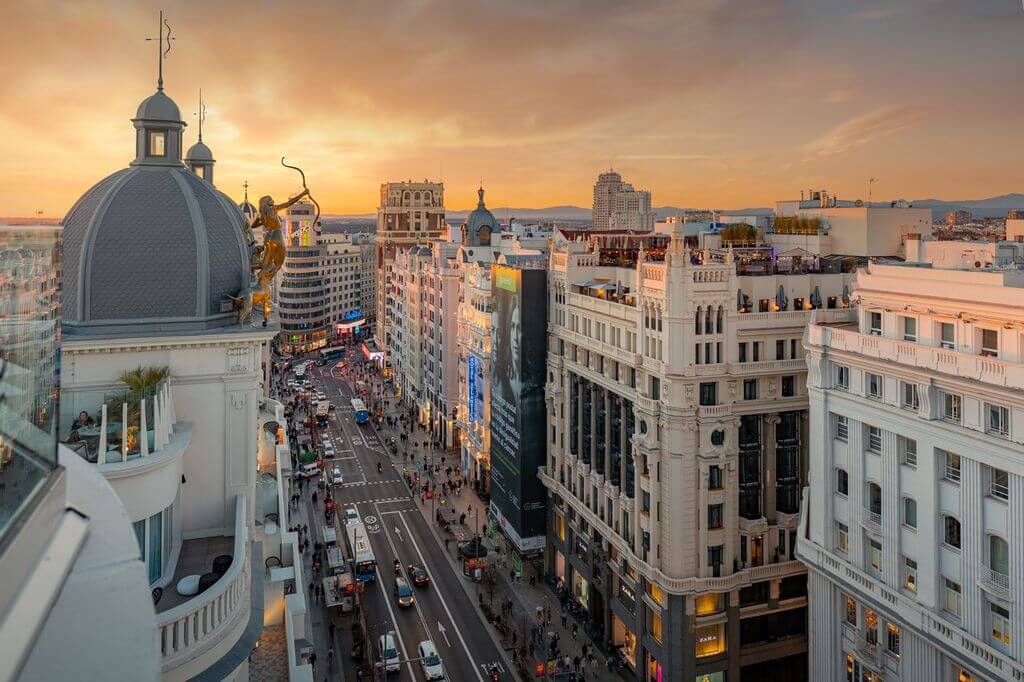
As evening descends, Madrid’s world-class rooftop culture comes alive along Gran Vía. Venues like The Roof at Picalagartos and the RIU 360° Sky Bar offer expertly crafted cocktails and delectable dining options, all against the breathtaking backdrop of the city’s illuminated skyline. These rooftop bars have become increasingly popular, transforming the city’s entertainment landscape and offering unique vantage points for urban exploration.
Madrid has also emerged as a significant hub for vegetarian and vegan cuisine, boasting a vibrant plant-based scene. Neighborhoods like Malasaña are at the forefront, offering innovative plant-based interpretations of traditional Spanish dishes, reflecting the city’s evolving culinary identity and catering to a growing demand for sustainable and diverse food options.
Day 4: UNESCO World Heritage Excursions
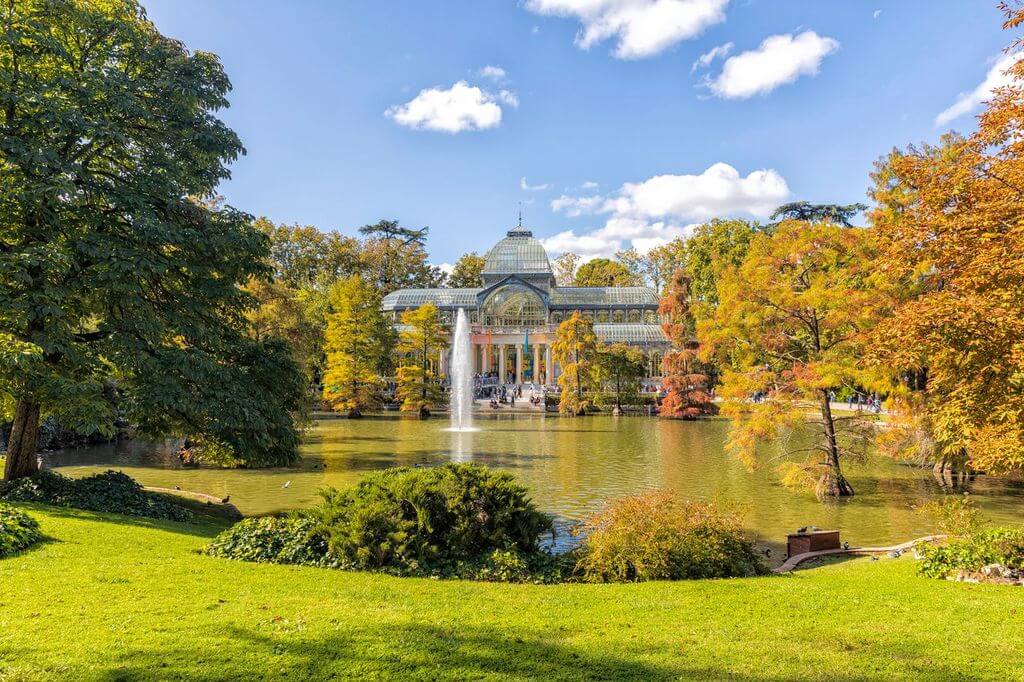
Day four ventures beyond the city center to explore the broader UNESCO World Heritage landscape surrounding Madrid, showcasing Spain’s monumental legacy. The immediate vicinity of the city is home to the "Paisaje de la Luz" (Landscape of Light), an area encompassing El Retiro Park and the Paseo del Prado, recognized for its harmonious blend of nature, science, and royal history.
For a more immersive experience of Spain’s rich heritage, day trips to nearby UNESCO World Heritage sites are highly recommended. The Monastery of San Lorenzo de El Escorial, located approximately one hour from Madrid, is a sprawling imperial masterpiece commissioned by Philip II in the 16th century. This vast complex, serving as a monastery, royal palace, basilica, and mausoleum for Spanish monarchs, is renowned for its austere granite walls and symmetrical Renaissance design. Its historical significance and architectural grandeur make it a profound testament to Spain’s imperial past.
Another compelling excursion is to the Royal Palace and Gardens of Aranjuez, a cultural landscape that rivals the splendor of Versailles. Originally a 16th-century hunting lodge, also commissioned by Philip II, Aranjuez combines Renaissance and Baroque styles. Its lavishly decorated rooms, filled with tapestries, porcelain, and ornate details, are complemented by extensive gardens, making it an idyllic spring residence for the royal family.
Finally, the historic university city of Alcalá de Henares, the birthplace of Miguel de Cervantes, offers a perfectly preserved glimpse into the Spanish Golden Age (1492-1659). Just 45 minutes from Madrid by car, this city also holds UNESCO World Heritage status, preserving its atmospheric streets and historic university buildings, which evoke the intellectual and artistic fervor of its most celebrated era. These day trips offer invaluable context, showcasing how Madrid is situated within a broader historical and cultural tapestry of national importance.
Day 5: Uncovering Off-the-Beaten-Path Treasures
The final day is dedicated to exploring Madrid’s lesser-known yet equally captivating treasures, venturing further off the beaten path. The Monastery of Las Descalzas Reales and the Royal Monastery of La Encarnación offer a unique opportunity to step back into the Golden Age, housing breathtaking royal art collections within their cloistered walls.
The Monastery of Las Descalzas Reales, founded in 1559 by Joanna of Austria, sister of Philip II, was home to the Order of Saint Clare nuns, known for their austerity. Its unique character stems from the fact that many aristocratic women sought refuge here, often bringing their valuable artworks and possessions, transforming the convent into a veritable treasure trove.
Founded in 1611 by Margaret of Austria, wife of Philip III, the Royal Monastery of La Encarnación was a royal convent directly supported by the monarchy. While its exterior presents an austere Baroque facade, the interior reveals opulent chapels adorned with colorful frescoes and numerous religious sculptures and paintings. It also houses significant relics, including a vial said to contain the blood of Saint Januarius. Although tours are available, parts of the monastery remain active and are not open to the public, adding an element of mystique to the visit.
To conclude the Madrid experience with a local flair, a visit to the expansive Casa de Campo park is highly recommended. Established in 1931, this vast urban park, covering 17 square kilometers (6.5 square miles), features an artificial lake, numerous walking paths, a zoo, and an amusement park. It provides a perfect setting for a leisurely picnic lunch or a meal at one of the lakeside terraces, offering unparalleled views of the Royal Palace and Almudena Cathedral across the skyline. This serene and expansive green space offers a tranquil counterpoint to the city’s energetic pace, providing a fitting and memorable conclusion to the five-day itinerary.
While Barcelona often garners significant international attention, Madrid stands as one of Europe’s most compelling cities. Its mouthwatering culinary scene, vibrant nightlife, and abundance of attractions cater to every interest and budget. Having visited Madrid for nearly two decades, the allure of its tapas, architecture, and rich history remains undiminished. The city offers an extraordinary density of experiences, ensuring that every visitor, regardless of their preferences, will find something to captivate them. By following this comprehensive five-day itinerary, travelers can experience Madrid’s iconic landmarks while also venturing into its more secluded corners, fully immersing themselves in the historic capital of Spain.



 Chandra Hamzah
 Gabriela Annisa
 Tatiana Tantri Indah Sari
 Budi Mulyono
 Anjar Salim