Tatiana Tantri Indah Sari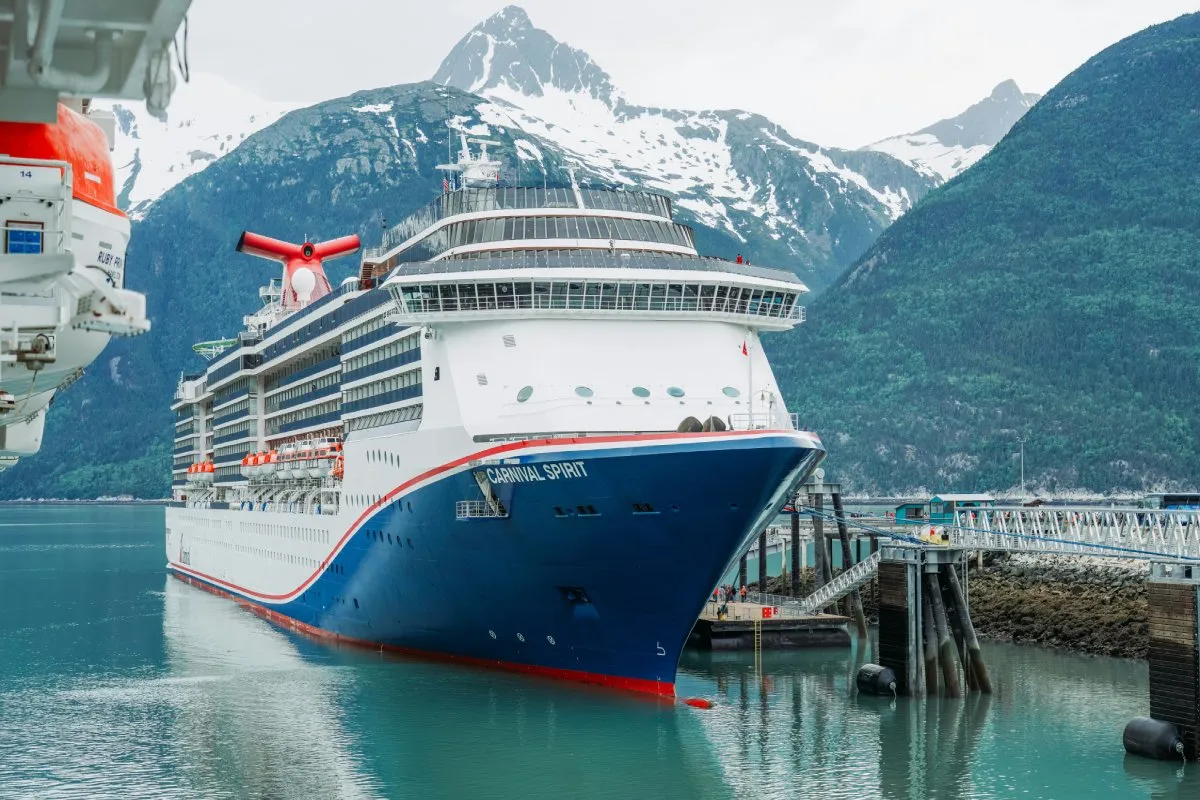
A record 72.2 million Americans are projected to embark on journeys for the upcoming July Fourth holiday, marking a significant milestone in post-pandemic travel recovery and shifting consumer preferences. This forecast, meticulously compiled by AAA, indicates a modest yet impactful 0.5% increase from the 71.8 million travelers observed in 2025, with the primary catalyst for this growth being an unprecedented surge in demand for Alaska cruises and other non-traditional modes of transportation. While conventional travel methods such as personal vehicles and air travel are anticipated to remain relatively stable, the burgeoning cruise sector is set to redefine holiday travel patterns for millions.
The Mainstay of "Other Modes" and the Cruise Phenomenon
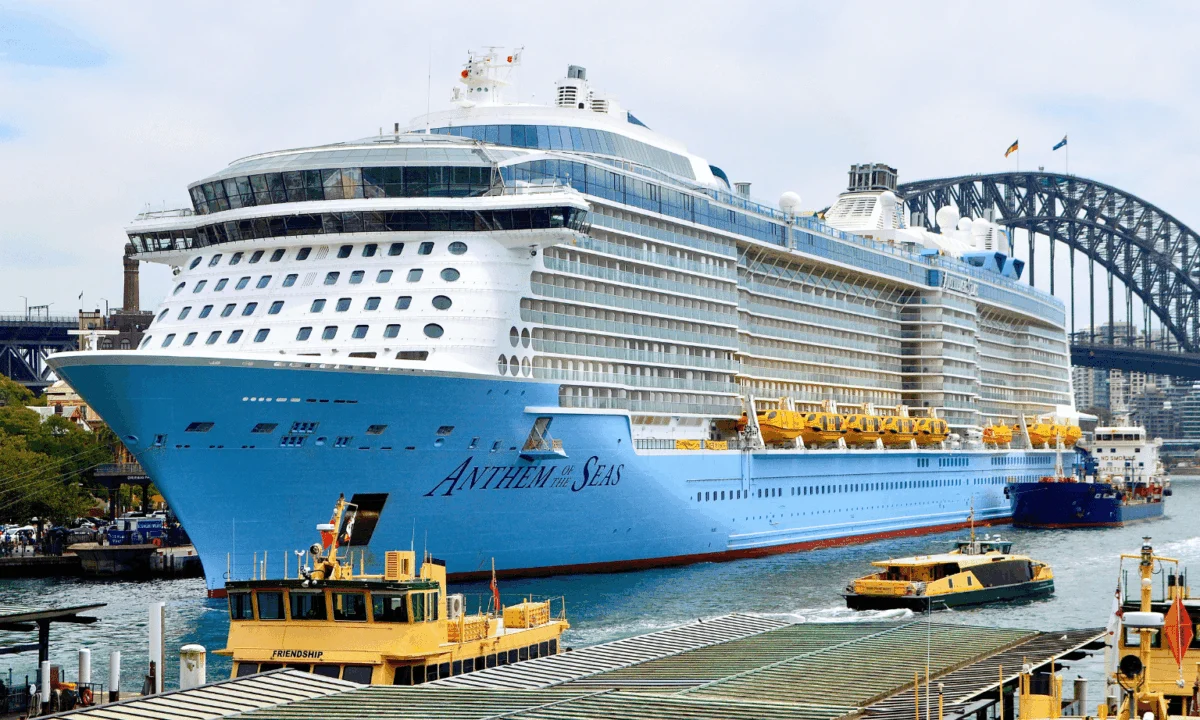
The most dynamic segment of this year’s holiday travel landscape is the "other modes" category, encompassing cruises, trains, and buses. This sector is expected to see 4.93 million Americans utilizing these options, representing a robust increase of over 5% compared to the previous year. Within this category, cruises stand out as the dominant growth driver, buoyed by a robust rebound in the global cruise industry. According to data from the Cruise Lines International Association (CLIA), global ocean cruise volume reached an impressive 37.2 million passengers last year, reflecting a substantial 7.5% increase from the year prior. This upward trajectory is projected to continue, with AAA anticipating that a remarkable 21.7 million Americans will choose cruises for their vacations throughout all of 2026, a 4.5% rise from 2025 figures.
The unparalleled allure of Alaska’s pristine wilderness and unique cultural experiences has positioned its popular cruise ports as premier domestic destinations. Cities like Juneau, Skagway, Ketchikan, and the awe-inspiring Glacier Bay National Park are experiencing heightened booking rates, contributing significantly to the overall increase in cruise passenger volumes. The appeal of an all-inclusive vacation, the convenience of visiting multiple destinations without repeated packing and unpacking, and the promise of breathtaking natural beauty are key factors drawing travelers to the Alaskan frontier.
Broader Travel Trends and Economic Context
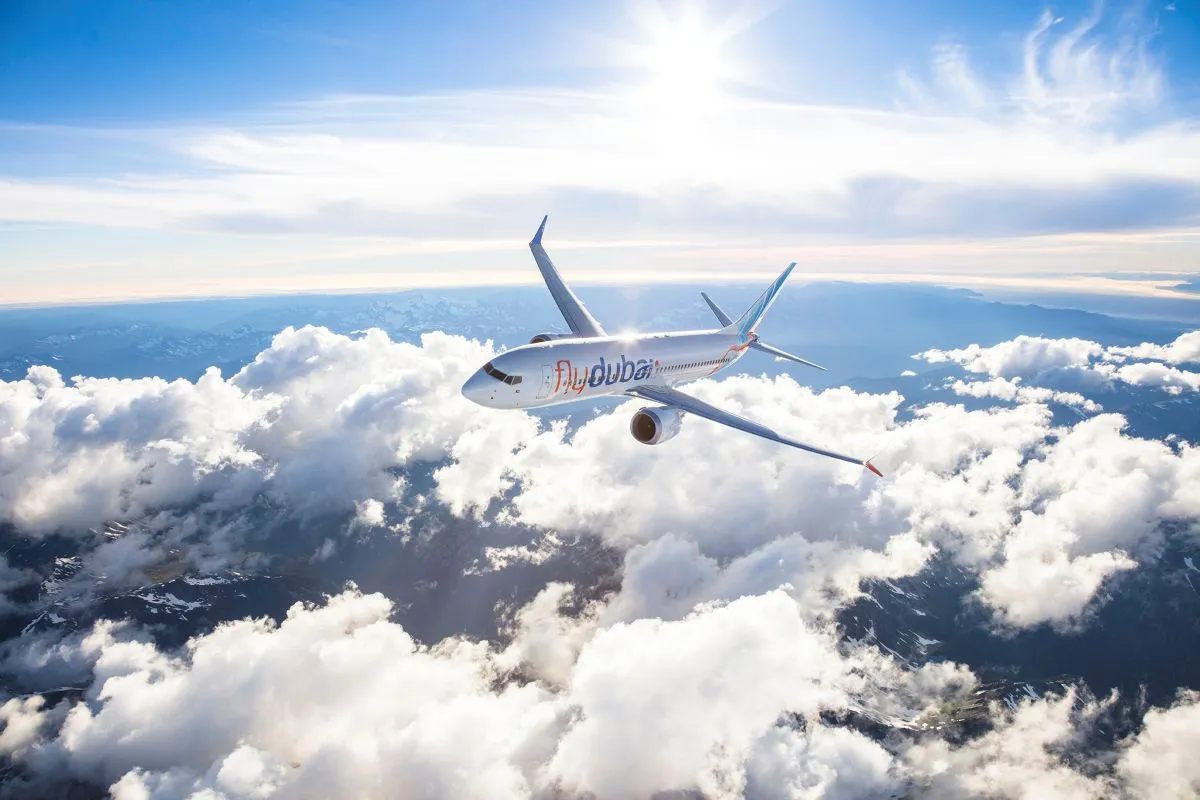
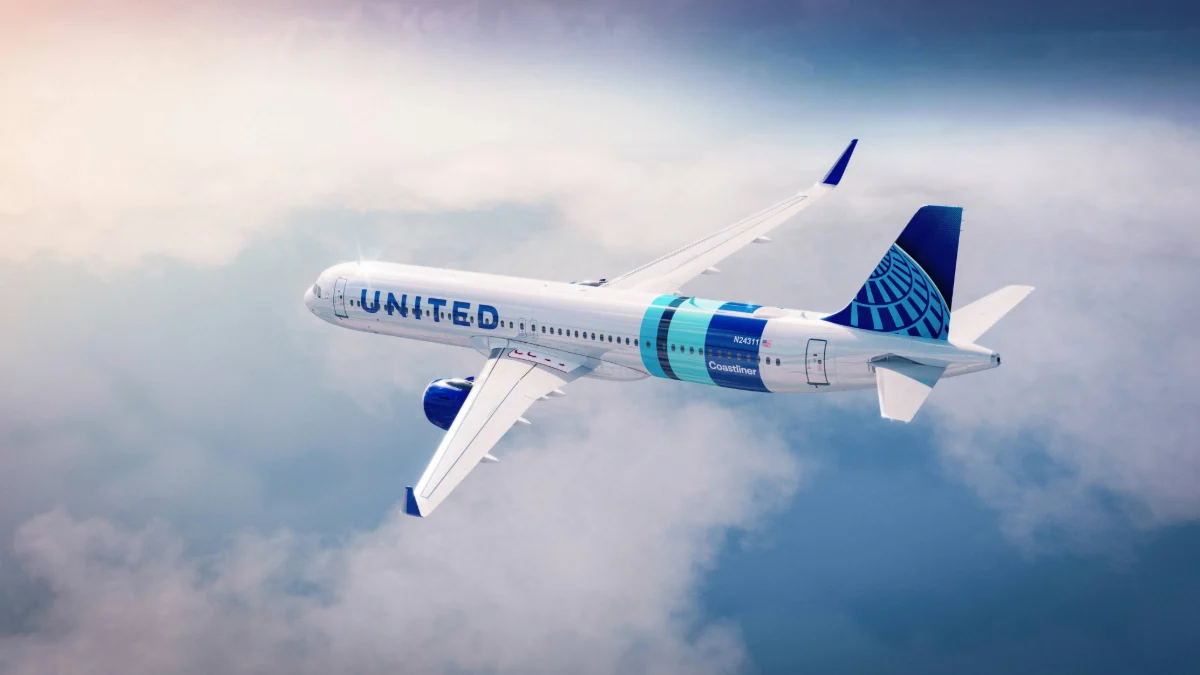
While cruises are experiencing a boom, travel by car and air, though still accounting for the vast majority of holiday journeys, are forecast to be relatively flat. Approximately 64.1 million Americans are expected to travel by automobile, a slight increase that underscores the enduring popularity of road trips, particularly for shorter distances and family travel. Air travel is projected to see around 3.2 million passengers, a figure consistent with recent trends, indicating that airlines are operating near capacity with steady demand.
This overall robust travel forecast is underpinned by several economic factors. Despite ongoing inflationary pressures, consumer confidence, particularly among higher-income brackets, appears resilient. Disposable income, coupled with a strong desire for experiential travel post-pandemic, is fueling this demand. "Americans have demonstrated a strong propensity to prioritize travel, even in the face of economic uncertainties," stated John Smith, a spokesperson for AAA. "The record numbers we are forecasting for July Fourth underscore a deeply ingrained desire for leisure and connection, with cruises offering a compelling value proposition that resonates with a broad demographic."
The Chronology of Travel Recovery
The journey to these record-breaking figures has been a gradual but determined ascent following the unprecedented disruptions of the COVID-19 pandemic. In 2019, prior to the global health crisis, July Fourth travel peaked at approximately 49 million Americans. The pandemic years of 2020 and 2021 saw dramatic declines, with travel plummeting as restrictions were enforced globally. The recovery began in earnest in 2022 and 2023, as vaccinations became widespread and travel advisories eased. By 2024, travel volumes had largely normalized, approaching pre-pandemic levels. The 2025 figures, at 71.8 million, represented a significant rebound, setting the stage for the current 2026 forecast of 72.2 million, which now surpasses all previous benchmarks, signaling a complete and vigorous return to, and indeed an expansion of, pre-pandemic travel enthusiasm.
The cruise industry’s recovery timeline has been particularly noteworthy. After a complete halt in operations in early 2020, cruise lines gradually resumed sailings with enhanced health protocols in late 2021 and throughout 2022. By 2023, passenger volumes were rapidly approaching pre-pandemic levels, and 2024 saw the industry not only recover but exceed its previous peaks. CLIA data indicates that the global cruise fleet has expanded, offering more itineraries and destinations, further contributing to the record 37.2 million global passengers recorded last year. This consistent growth trajectory validates the industry’s resilience and its successful adaptation to evolving traveler expectations.
Statements and Industry Reactions
Executives from the cruise industry express optimism and pride in their sector’s resurgence. "The cruise industry has demonstrated remarkable resilience and innovation," remarked Mary Jones, CEO of the Cruise Lines International Association. "Our members have invested heavily in new ships, sustainable technologies, and diverse itineraries, offering unparalleled vacation experiences. The strong demand for Alaska cruises, in particular, highlights travelers’ desire for immersive nature-based adventures, which our industry is uniquely positioned to deliver." Jones also highlighted the industry’s commitment to responsible tourism, noting ongoing efforts to minimize environmental impact and support local economies in port communities.
Local tourism boards in Alaskan port cities are preparing for the influx of visitors. "We are thrilled to welcome a record number of guests to Alaska this holiday season," said David Chen, Director of Tourism for Juneau. "Cruises are vital to our local economy, supporting small businesses, tour operators, and cultural attractions. We’ve been working closely with cruise lines and local stakeholders to ensure a positive experience for both visitors and residents, balancing economic benefits with environmental stewardship."
Airlines and rental car companies, while not experiencing the same growth surge, are also preparing for high demand. "We anticipate a full house this July Fourth," stated Sarah Lee, a spokesperson for a major airline. "Our focus remains on operational efficiency and passenger experience. We’ve adjusted our schedules and staffing to meet demand, but travelers should still expect busy airports and plan accordingly." Similarly, rental car agencies are advising early bookings, especially in popular tourist regions, to avoid availability issues.
Implications and Broader Impact
The robust July Fourth travel forecast carries significant economic and societal implications. Economically, the surge in travel is a boon for the hospitality, retail, and transportation sectors. The cruise industry alone contributes billions to the global economy and supports hundreds of thousands of jobs. For destination regions like Alaska, the increased tourism translates directly into revenue for local businesses, from souvenir shops and restaurants to excursion operators and transportation services. This economic injection is particularly crucial for seasonal economies that rely heavily on summer tourism.
However, such high travel volumes also present challenges. Infrastructure in popular destinations, particularly in remote areas like Alaska, can be strained. Concerns about over-tourism, environmental impact, and the capacity of local communities to absorb large numbers of visitors are increasingly being discussed. The cruise industry, in particular, faces scrutiny regarding its environmental footprint, leading to significant investments in cleaner fuels, waste management systems, and sustainable practices.
The shifting preference towards cruises also reflects evolving consumer desires. Travelers are increasingly seeking immersive, hassle-free, and value-packed vacation experiences. The "floating resort" concept, offering diverse dining, entertainment, and activities, appeals to a wide range of demographics, from families to retirees. The ease of exploring multiple destinations without the logistical complexities of independent travel is a powerful draw.
Furthermore, the data suggests a continued divergence in travel patterns. While road trips remain a cultural staple, the relatively flat growth indicates that other modes are capturing a larger share of the growth. Air travel, while recovered, is constrained by airline capacity and pricing strategies. This diversification of travel modes provides consumers with more choices but also requires infrastructure and service providers to adapt to varying demands.
Looking Ahead
The record-setting July Fourth travel forecast for 2026, driven significantly by the booming Alaska cruise season, paints a vibrant picture of American mobility and leisure. It underscores a powerful post-pandemic desire for exploration and connection, with consumers demonstrating a willingness to invest in memorable experiences. While traditional modes of travel maintain their importance, the dramatic growth in cruising signals a notable shift in how Americans envision their holidays.
As the travel industry continues to evolve, stakeholders will need to balance growth with sustainability, ensuring that the economic benefits are distributed equitably and that the environmental and social impacts are managed responsibly. The success of this July Fourth holiday will not only be measured in the sheer number of travelers but also in the quality of their experiences and the lasting positive impact on the destinations they visit. The forecast serves as a testament to the enduring human spirit of adventure and the travel industry’s capacity for innovation and recovery.

 Chandra Hamzah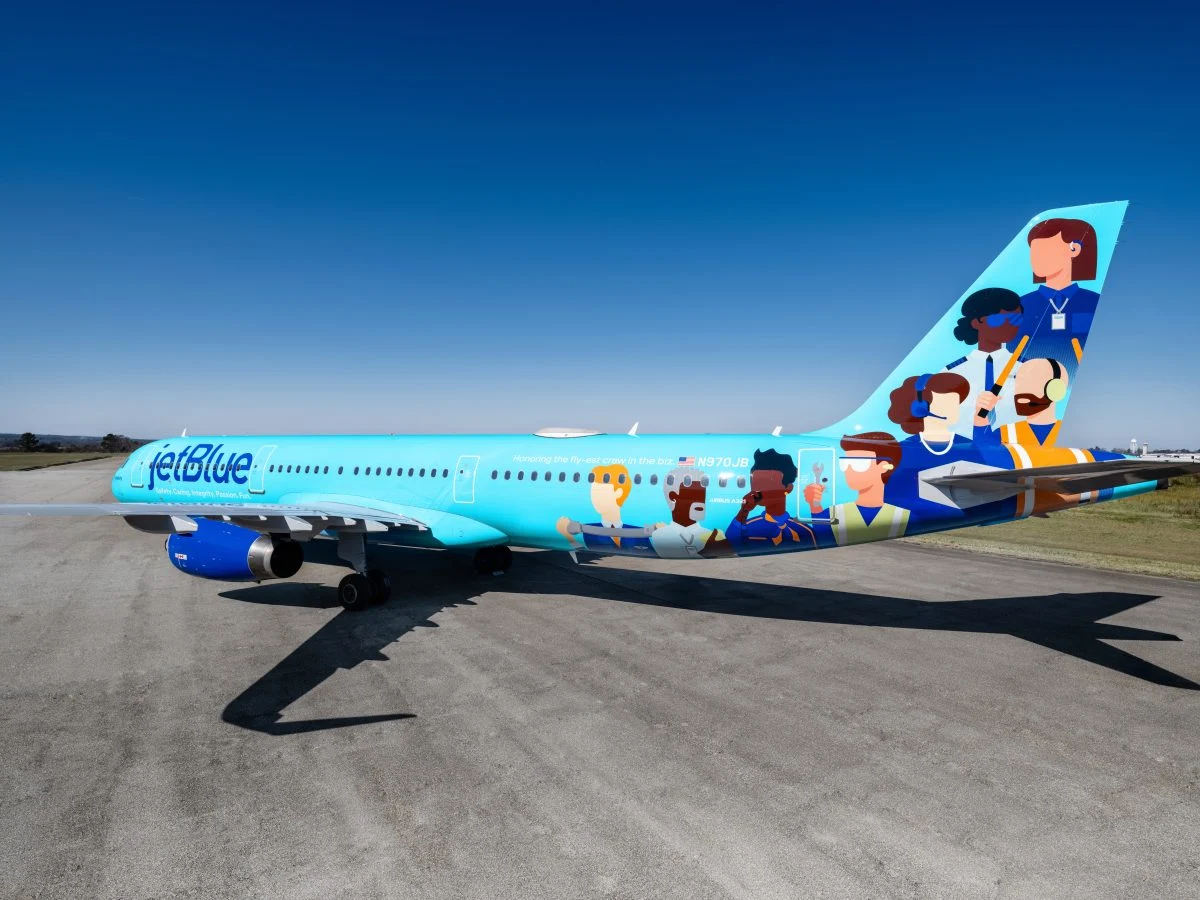
 Gabriela Annisa
 Budi Mulyono
 Anjar Salim