
 Lukman Taruna Persada Ramadan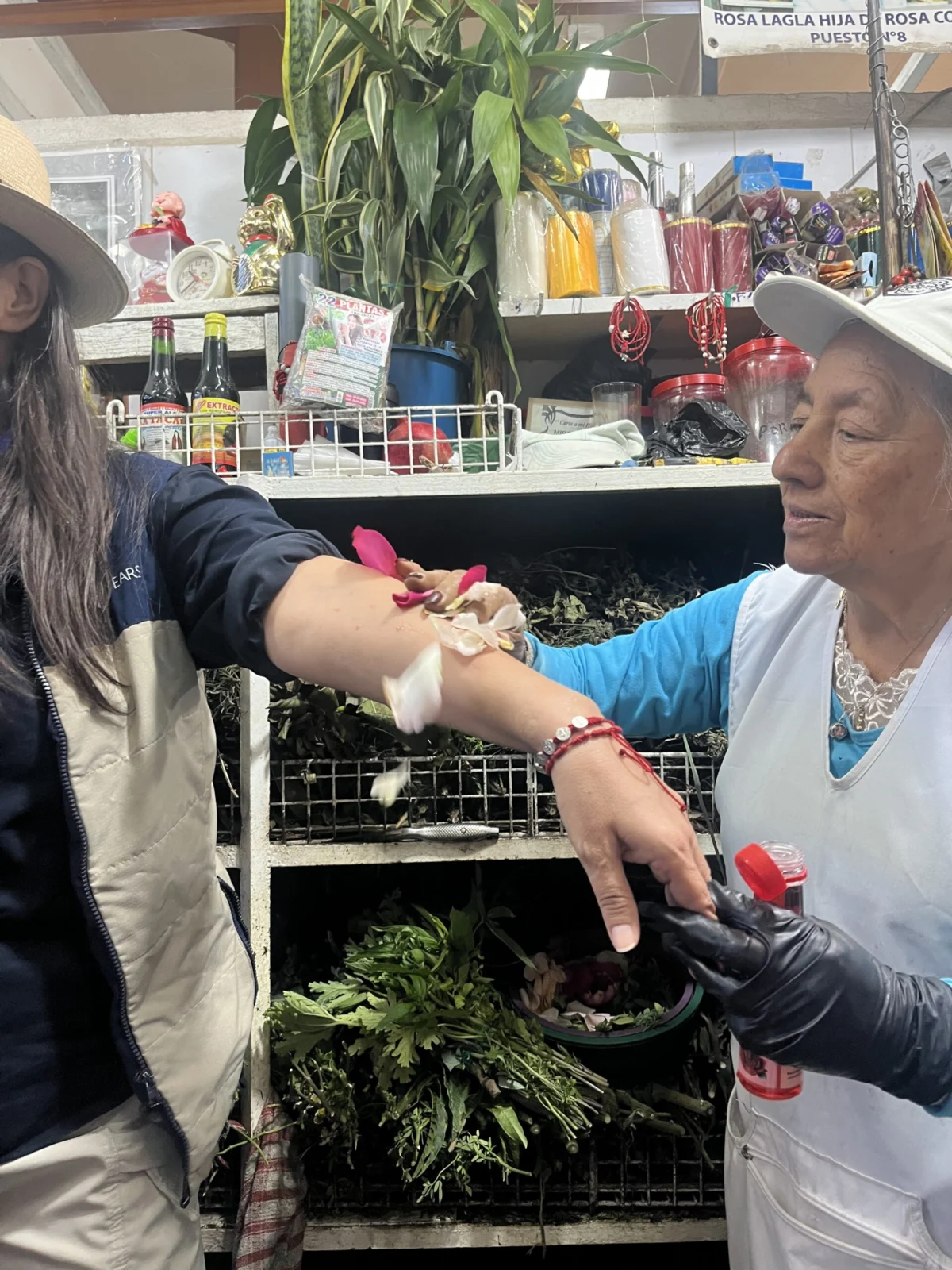
Quito, Ecuador, a city lauded as the first UNESCO World Heritage site, is a vibrant tapestry woven from centuries of artisanal tradition, profound cultural practices, and deeply ingrained skills. These intricate crafts, often spanning generations, range from the meticulous art of painting and the careful cultivation of native flora to the delicate application of gold leaf on sacred decorations. Each endeavor is characterized by an unwavering commitment to precision and an innate sense of heritage. While observers can appreciate these masterpieces from a distance or through a shop window, a truly profound understanding of the dedication, skill, and time invested in perfecting these abilities emerges only through direct, hands-on engagement.
In recognition of this rich legacy, Metropolitan Touring, a venerable name in Ecuadorian tourism, has curated a specialized one-day tour designed to immerse travelers directly into Quito’s artistic soul and local craft traditions. This unique expedition guides participants through the historic heart of Old Town Quito, offering an intimate glimpse into practices that define the city’s identity. The itinerary is meticulously structured to provide both observation and participation, allowing visitors to connect with the artisans and the stories behind their creations.
Chronicle of Cultural Immersion: A Day in Quito’s Artisanal World
The journey commences in Old Town Quito, a district renowned for its preserved colonial architecture and bustling cultural life. The tour’s first stop is Quito’s oldest market, a vibrant nexus of commerce and tradition that has served the community for centuries. These markets are not merely places of trade; they are living repositories of indigenous knowledge, social interaction, and cultural exchange. Here, amidst the colorful stalls brimming with produce and local wares, participants are introduced to Rosita Lagla, a revered traditional healer. Her presence underscores the deep-seated respect for ancestral medicine that persists in Ecuador. Lagla shares insights into the therapeutic properties of local fruits and medicinal plants, many of which have been utilized for centuries by indigenous communities to alleviate a wide array of ailments. This segment provides crucial context on ethnobotany and the enduring relevance of natural remedies in a modern world, highlighting the symbiotic relationship between humans and the diverse ecosystems of the Andean region.
Following the market, the tour transitions to the workshop of Gonzalo Gallardo, an artisan whose family legacy is intertwined with the restoration of beloved religious figurines and icons. For decades, Gallardo has painstakingly breathed new life into these sacred objects, continuing a practice inherited from his father. His workshop is a testament to the profound faith that permeates local culture, filled with a plethora of religious iconography. Visitors gain a firsthand appreciation for the intricate labor involved in each restoration, from delicate carving and painting to the repair of aged materials. This stop offers a window into the "Escuela Quiteña" (Quito School) of art, a significant artistic movement from the colonial era characterized by its unique blend of European Baroque and indigenous influences, particularly in religious sculpture and painting. Gallardo’s work represents a living link to this historical artistic tradition, ensuring its continuity and preserving the spiritual heritage of the community.
The Golden Touch: A Dive into Quito’s Baroque Splendor
Quito’s historic churches are renowned for their opulent interiors, frequently adorned with gold in various forms – on walls, surrounding paintings, and gracing ceilings. This shimmering embellishment is largely the result of gold-leafing, an art form that is not only visually striking but also exceptionally technical and time-consuming. The tour provides an exclusive opportunity to delve into this ancient craft with a visit to the iconic Compañía de Jesús church. Widely considered one of the most significant examples of Baroque architecture in South America, its interior is an overwhelming display of gold, meticulously applied over centuries.

At the Compañía de Jesús, participants first marvel at the breathtaking craftsmanship of the gold leafing that covers almost every surface, reflecting centuries of devotion and artistic mastery. This visual feast is followed by an unparalleled hands-on experience: under the guidance of an experienced artisan, visitors are invited to try their own hand at applying gold leaf. This practical session offers a profound understanding of the delicate touch, patience, and specialized tools required for this intricate art. It demystifies a process that appears almost magical, revealing the human skill behind the divine glow, and provides a tangible connection to the artisans who painstakingly created these masterpieces. The historical context of gold leafing extends beyond mere aesthetics; it symbolizes wealth, divine light, and the spiritual aspirations of a colonial society, making the experience both artistic and deeply historical.
Cultivating Green Futures: Nurturing Native Plants
Before the midday meal, the tour takes a meaningful turn towards environmental stewardship. Participants engage in a practical session of planting geraniums, a seemingly simple act that carries significant weight within the city’s broader ecological initiatives. This activity serves as an educational component, shedding light on Quito’s concerted efforts to reintroduce and nurture more native plants throughout its urban landscape. The city, nestled in the Andean highlands, possesses a rich biodiversity that has been impacted by urbanization. Initiatives to re-green the city with indigenous species like orchids, bromeliads, and various Andean shrubs are crucial for restoring ecological balance, supporting local wildlife, improving air quality, and enhancing urban resilience against climate change. The act of planting, even a common garden variety like geraniums, symbolizes a commitment to these larger environmental goals, fostering a sense of civic responsibility and connection to the natural world. This segment subtly integrates themes of sustainable tourism and environmental conservation, demonstrating how cultural tours can also contribute to ecological awareness.
The Artist’s Legacy: Painting in San Marcos
The tour culminates in the charming San Marcos neighborhood, a historic quarter celebrated for its bohemian atmosphere and its enduring legacy as an artistic hub. Here, in the colonial-era studio of Bolívar Araujo, participants are guided through the process of creating their own museum-worthy painting. San Marcos has long been a haven for artists, poets, and musicians, its narrow cobblestone streets and colonial houses inspiring creativity for generations. Araujo’s studio, steeped in history, provides an authentic setting for this artistic endeavor. Under expert instruction, participants learn fundamental painting techniques, drawing inspiration from the very locations they have explored throughout the day. This creative exercise allows for personal expression while reinforcing the appreciation for the "Escuela Quiteña" and the broader artistic heritage of Quito. It transforms passive observation into active creation, leaving participants with a unique, tangible memento of their cultural immersion and a deeper understanding of the artistic traditions that flourish in the city.
Supporting Data and Background Context
Quito’s status as a UNESCO World Heritage site, conferred in 1978, acknowledges its remarkably preserved historic center, which stands as the largest and best-preserved in the Americas. This designation is not merely about aesthetics but about the living cultural traditions that continue to thrive within its ancient walls. The artisanal skills highlighted in this tour—painting, gold leafing, traditional medicine, and plant cultivation—are integral to this heritage. For instance, the "Escuela Quiteña" was not just an art movement; it was a school of thought and technique that produced an immense body of religious art, characterized by its emotional intensity and realistic portrayal, deeply influencing art throughout colonial South America. Artisans like Gonzalo Gallardo are direct inheritors of this lineage, their work ensuring the physical and spiritual continuity of these masterpieces.
Traditional healing, as practiced by individuals like Rosita Lagla, draws from thousands of years of indigenous knowledge, particularly from the Kichwa and other Andean communities. Medicinal plants like uña de gato (cat’s claw), sangre de drago (dragon’s blood), and various herbs used for infusions are not just local remedies but subjects of increasing global scientific interest for their potential therapeutic properties. The market, the setting for this interaction, is itself a historical institution, acting as a vital community space where food security, social bonds, and cultural identity are continuously reinforced.

The Compañía de Jesús church, completed in 1765 after 160 years of construction, is a prime example of the extreme opulence of Baroque art, especially its "churrigueresque" style, which emphasized elaborate ornamentation. The amount of gold leaf used in its interior is estimated to be seven tons, a staggering figure that underscores the wealth and spiritual fervor of the colonial period. The meticulous process of applying gold leaf, often to carved wood or stucco, requires steady hands, specialized brushes, and an understanding of adhesives and surface preparation that takes years to master.
Quito’s urban reforestation efforts reflect a growing global movement towards sustainable urban development. With over 2.7 million inhabitants, managing urban green spaces and promoting native plant species is crucial for biodiversity conservation, climate change mitigation, and the well-being of its citizens. The city’s commitment to restoring its natural heritage complements its efforts to preserve its cultural heritage.
Official Responses and Broader Implications
While specific official statements regarding this particular tour were not provided in the original text, the existence of such a meticulously planned cultural immersion tour by a reputable operator like Metropolitan Touring implies a shared vision for responsible tourism and cultural preservation. A hypothetical statement from Metropolitan Touring might emphasize their commitment to providing authentic, immersive experiences that not only entertain but also educate and empower local communities. "Our ‘Quito Crafts and Treasures Tour’ is designed to go beyond sightseeing, allowing travelers to actively engage with the guardians of Quito’s cultural soul," a representative might state. "By participating, visitors directly support the continuation of these invaluable artisanal traditions and gain a profound appreciation for the human ingenuity that defines this extraordinary city."
Artisans like Rosita Lagla, Gonzalo Gallardo, and the gold-leafing masters represent a vital bridge between past and present. A traditional healer like Rosita Lagla might articulate the importance of "preserving the wisdom of our ancestors, not just for healing the body, but for connecting with our land and our identity." Gonzalo Gallardo, on the other hand, might stress the sacred duty of his craft: "Each restoration is a conversation with history, a way to ensure that the faith and beauty enshrined in these icons continue to inspire future generations." The environmental component, such as planting native species, would likely be lauded by local ecological organizations or city officials. An environmental spokesperson could comment, "Integrating native plant initiatives into cultural tours offers a powerful message: our heritage is not only built by human hands but also sustained by the health of our natural environment. Every planted seed is an investment in Quito’s green future."
The broader implications of tours like the "Quito Crafts and Treasures Tour" are multifaceted. Firstly, they foster sustainable tourism, redirecting tourist interest from purely observational experiences to participative ones that generate direct economic benefit for local artisans and communities. This model supports the local economy, helping to sustain livelihoods and prevent the dilution of traditional skills. Secondly, they play a critical role in cultural preservation. By showcasing and facilitating interaction with these ancient crafts, the tours elevate their status and encourage younger generations to embrace and continue these traditions. Thirdly, they contribute to cross-cultural understanding. Travelers gain a deeper, more empathetic appreciation for Ecuadorian culture, moving beyond superficial observations to grasp the intrinsic values and labor behind its artistic expressions. Finally, these immersive experiences enhance Quito’s appeal as a destination for experiential travel, attracting visitors seeking authentic, meaningful connections with local cultures, thereby strengthening its position on the global tourism map. The convergence of historical reverence, artistic mastery, and environmental consciousness within a single itinerary underscores Quito’s dynamic identity as a city deeply rooted in its past yet vibrantly shaping its future.

 Chandra Hamzah
 Gabriela Annisa
 Tatiana Tantri Indah Sari
 Hendra Ismail
 Walid Sujud Trenggono
 Budi Mulyono