
 Chandra Hamzah
More than 100 days have elapsed since the commencement of the United States-led military operations in Iran, and the ripple effects on international travel are becoming increasingly evident and, in some cases, enduring. As the world watches for potential diplomatic resolutions, travel industry experts observe a significant shift in traveler behavior, particularly among Australians, who are now prioritizing caution, proximity, and comprehensive planning in their holiday pursuits. The once-spontaneous decision to book a flight has been replaced by a more calculated approach, reflecting heightened geopolitical tensions and their tangible economic consequences.
The Dual Impact: Rising Costs and Heightened Anxiety
The most immediate and quantifiable impact on travelers has been the dramatic surge in airfare prices, with the cost of jet fuel reportedly doubling. This economic reality has eroded the affordability of last-minute getaways, forcing Australians to view their holiday plans not merely as leisure but as a substantial financial investment. This shift in perception necessitates a more rigorous budgeting process and a deeper consideration of the overall expenditure associated with a trip.
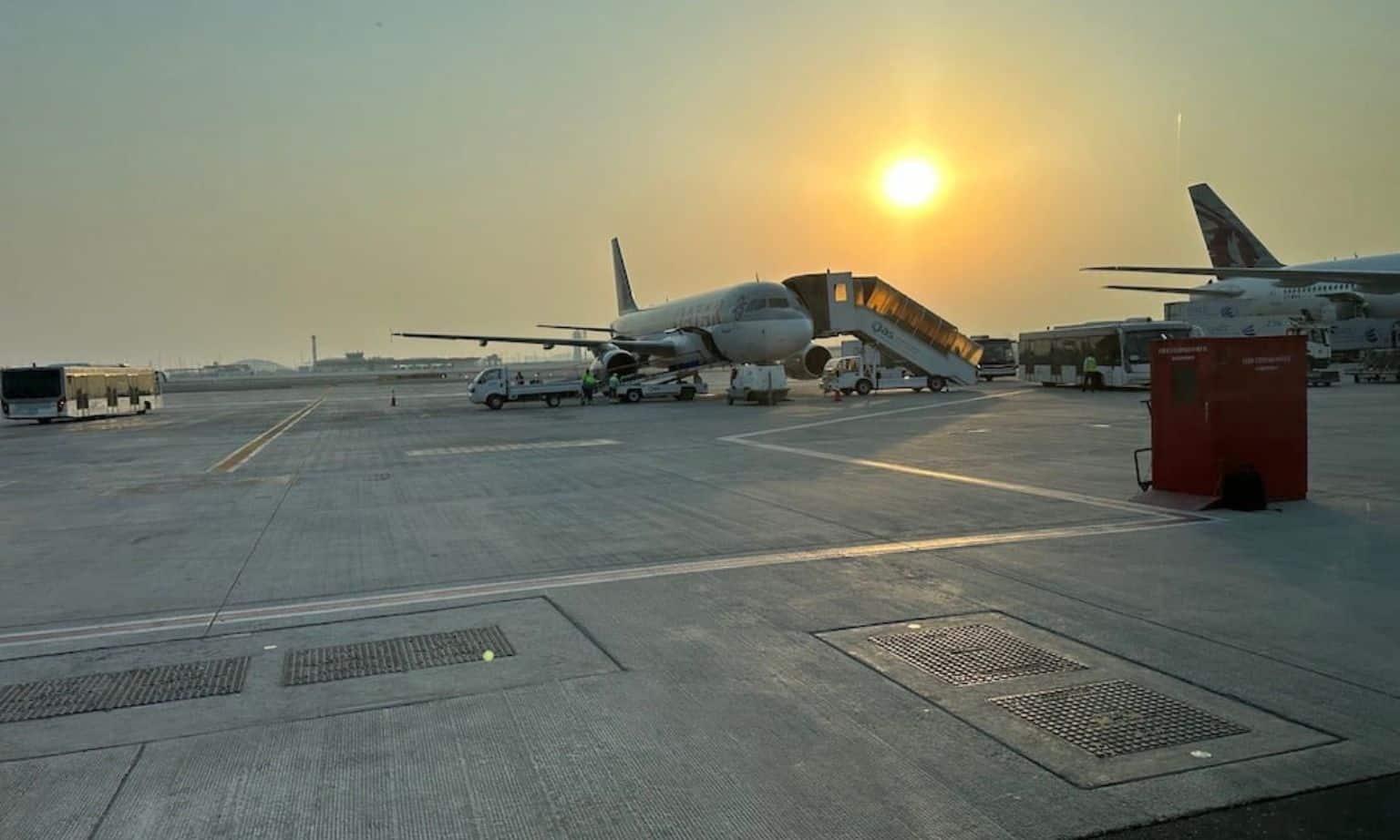
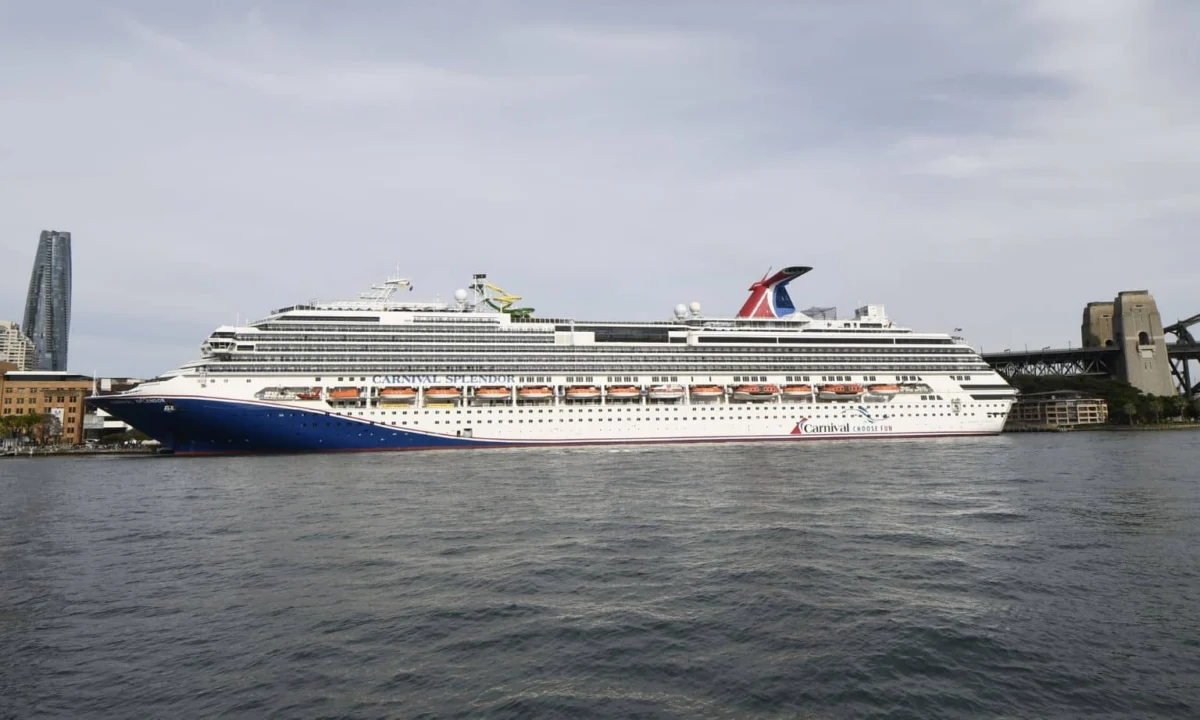
The ripple effect of this economic pressure is being felt across the travel sector. Major cruise lines, including Norwegian Cruise Line and Carnival Cruise Line, have acknowledged a softening in booking demand directly attributed to "heightened geopolitical uncertainty." This sentiment is echoed by travel agencies observing a discernible trend of Australians seeking destinations closer to home. European summer bookings, a traditional favorite for many, have seen a seven percent decline compared to the previous year, underscoring a broader reluctance to commit to long-haul, high-cost itineraries amidst global instability. Airlines, in turn, are grappling with escalating operational expenses alongside a more hesitant customer base, creating a complex operational landscape.
A New Normal for Holiday Planning
The collective experience of these disruptions is coalescing into what experts are describing as a "new normal" for travel planning. This evolving landscape is characterized by several key adaptations:
- Contingency Planning: Travelers are increasingly factoring in the possibility of flight cancellations and are actively seeking out back-up flight routes to mitigate potential disruptions.
- Advance Reservations: The trend towards booking holidays further in advance is accelerating, driven by the desire to secure preferred itineraries and potentially lock in current pricing before further fluctuations.
- Budgetary Re-evaluation: Flight prices now represent a significantly larger portion of Australian holiday budgets, necessitating a recalibration of overall travel expenditure and potentially influencing the duration or nature of trips.
- Heightened Risk Assessment: Checking travel warnings and alerts issued by government bodies has transitioned from an occasional precaution to a routine and integral part of the pre-travel process.
Expert Insights: Navigating the Unpredictable
Gladis Mahfoud, founder of Investing in Memories, an independent hybrid travel agency, highlights the growing emphasis on traveler assurance. "Yes, we’ve noticed some travelers becoming more cautious when planning international holidays, particularly those involving Europe and the Middle East," Mahfoud stated. "While many Australians are still eager to travel, there is a greater focus on flexibility, travel insurance, and understanding airline routing before booking."
Mahfoud elaborates on the meticulous nature of current travel planning. "Some travelers are booking further in advance to secure preferred itineraries and pricing, while others are taking more time to research their options before committing. We’ve also noticed that travelers are placing greater value on expert advice to help them navigate an increasingly complex travel environment. Overall, the desire to travel remains strong, but travelers are asking more questions, exploring a wide range of destinations, and seeking greater reassurance before making decisions."
Conversely, Sharon Summerhayes, owner of Deluxe Travel and Cruise, observes a bifurcated response among Australian travelers. "I have a mixed bag – some travelers are opting to stay close to home and others are not fazed at all," Summerhayes explained. "I think most people have come accustomed to uncertainty over the last few years, so are going to book what they really want to do, and hope for the best." This dichotomy suggests that while caution prevails for some, others are embracing a more resilient approach to travel.
Shifting Destination Preferences: A Lean Towards the Local
The increased caution and preference for reassurance are directly influencing destination choices. There is a noticeable surge in interest for travel closer to home. This includes a growing demand for:
- Asia Cruising: Destinations like Southeast Asia, particularly with operators such as Royal Caribbean, MSC, Princess, Hapag-Lloyd, and Disney, are experiencing renewed interest.
- The South Pacific: These tropical paradises offer a familiar and relatively accessible escape.
- Domestic Cruising: The exploration of Australia’s own vast coastline and internal waterways is gaining traction.
Concurrently, demand for destinations across the Americas, known for their relative stability and diverse attractions, remains robust, indicating a continued appetite for established and predictable travel experiences.
Navigating Air Routes: Middle Eastern Hubs and Emerging Alternatives
The ongoing conflict in the Middle East presents a significant challenge for international air travel, particularly for routes connecting Australia to Europe. Despite persistent "Do not travel" advisories from bodies like SmartTraveller for certain regions, the operational realities of air connectivity mean that many Middle Eastern hubs remain crucial transit points.
"Many travelers continue to fly through major Middle Eastern hubs because they often provide convenient connections and competitive fares," Mahfoud noted. "However, we are also seeing increased interest in alternative routings through Asia, particularly via Singapore, Hong Kong, and China." Mahfoud also points to innovative solutions, such as recommending travel via the "Silk Way" in China, where some airlines offer complimentary transit tours, transforming longer layovers into opportunities for cultural exploration.
Summerhayes acknowledges the ongoing reliance on Middle Eastern carriers, stating, "There is now more confidence flying through the Middle East with airlines continually adding flights and being almost back to pre-conflict timetables. Some of our passengers are opting for Asian Carriers out of an abundance of caution." This suggests a nuanced approach, with a segment of travelers prioritizing perceived safety by choosing alternative carriers, while others are returning to established routes as airline operations normalize.
Essential Advice for the Modern Traveler
In this evolving travel climate, expert advice is paramount. Gladis Mahfoud offers a concise set of recommendations for travelers seeking to navigate the complexities:

- Prioritize Travel Insurance: Comprehensive travel insurance that covers unforeseen events, including geopolitical disruptions and cancellations, is no longer a luxury but a necessity.
- Flexibility is Key: Opting for flexible booking options, where possible, allows for easier adjustments to itineraries should circumstances change.
- Stay Informed: Regularly checking official travel advisories and news updates from reputable sources is crucial for making informed decisions.
- Book in Advance (Strategically): For popular destinations or during peak seasons, booking well in advance can secure desired options and potentially mitigate price increases.
- Consult Travel Professionals: Leveraging the expertise of travel agents can provide invaluable insights, access to specialized knowledge, and a reliable point of contact for support.
Mahfoud emphasizes that despite the challenges, the fundamental allure of travel remains: "Travel remains one of life’s most rewarding experiences. While global events can sometimes create uncertainty, most holidays proceed as planned, and with good preparation, travelers can minimize risks and travel with confidence."
The Indispensable Role of Travel Agents
The current climate underscores the critical role of professional travel advisors. The increased complexity of planning, coupled with the need for constant monitoring of evolving conditions, has placed a significant demand on their services.
"Travel advisors have had to stay extremely proactive," Mahfoud explained. "In recent years, we’ve become accustomed to monitoring changing travel conditions, airline schedules, and destination requirements, and that continues today." She referenced an International Air Transport Association (IATA) webinar where the vital role of travel advisors in navigating uncertainty was a key takeaway, drawing parallels to previous periods of global upheaval such as the COVID-19 pandemic, the September 11th attacks, and the Gulf War.
"While these situations can create additional work when itineraries need adjusting, they also reinforce the value of working with a trusted travel advisor," Mahfoud continued. "Travel advisors act as advocates for their clients, helping them understand their options, monitor developments, and find solutions when plans need to change."
Sharon Summerhayes echoed this sentiment, highlighting the personal support provided by travel agents. "Any disruption is difficult, but it’s something we’ve become accustomed to (unfortunately)," she stated. "We are glad to be there for our clients, to advise and facilitate changes. To have a real person on the other end of the phone to provide support would be invaluable in uncertain times, and I know my clients are very grateful to have me in their corner." This human element of support and advocacy is proving to be an invaluable asset for travelers navigating the complexities of a more unpredictable world.


 Gabriela Annisa
 Tatiana Tantri Indah Sari
 Hendra Ismail
 Walid Sujud Trenggono
 Budi Mulyono