Walid Sujud Trenggono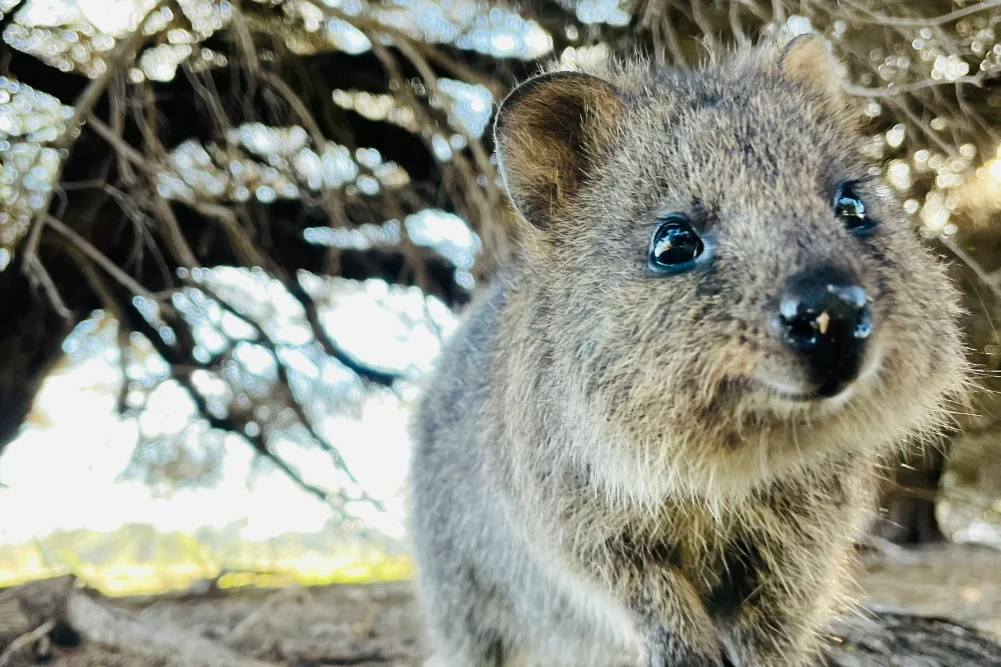
Rottnest Island, known as Wadjemup to the Whadjuk Noongar people, serves as a primary pillar of Western Australia’s tourism economy while simultaneously acting as a critical sanctuary for the quokka (Setonix brachyurus), a small macropod that has become a global digital phenomenon. Located 19 kilometers off the coast of Perth, the island is an A-Class Reserve managed by the Rottnest Island Authority (RIA). While the island is celebrated for its 63 beaches, 20 secluded bays, and Mediterranean-style climate, it remains a site of complex historical significance and ecological vulnerability. The interplay between its popularity as a "bucket list" destination and its somber history as a colonial prison provides a multifaceted case study in modern heritage management and sustainable tourism.
Ecological Profile and the Quokka Phenomenon
The quokka, often described as the "world’s happiest animal" due to its distinctive facial structure, is the central draw for international visitors. Approximately 10,000 to 12,000 quokkas reside on Rottnest Island, representing roughly two-thirds of the global population. The species is currently listed as "Vulnerable" on the IUCN Red List of Threatened Species. On the mainland, quokka populations have been decimated by habitat loss and predation by introduced species such as foxes and feral cats. The island’s isolation has provided a safe haven, though this population faces its own challenges, including limited genetic diversity and the increasing frequency of heatwaves and droughts linked to climate change.
The "quokka selfie" trend became a global marketing juggernaut following a strategic campaign by Tourism Western Australia. In 2017, tennis legend Roger Federer posted a photo with a quokka that reached an estimated audience of over 500 million people across various digital platforms. This single event precipitated a significant surge in visitor numbers. According to RIA annual reports, the island has seen record-breaking attendance in recent years, with annual visitors exceeding 700,000 during peak cycles. While this influx generates substantial revenue through the "island admission fee" included in ferry tickets—funds that are reinvested into conservation and infrastructure—it also places immense pressure on the island’s limited freshwater resources and vegetation.
Chronology of Wadjemup: From Sacred Site to Penal Colony
The history of Rottnest Island is divided into three distinct geological and cultural eras. Before the end of the last ice age, approximately 6,500 years ago, the island was connected to the mainland. For the Whadjuk Noongar people, it was a place of spiritual significance, known as the "land across the sea where the spirits go."
The European era began in 1696 when Dutch explorer Willem de Vlamingh landed on the island. Mistaking the quokkas for large rats, he named the land "Rotte Nest" (Rat’s Nest). However, the most consequential period of European occupation began in 1838. For nearly a century, until 1931, the island served as a forced labor camp and prison for Aboriginal men and boys.
During this period, more than 4,000 Indigenous people from across Western Australia were incarcerated on the island. The prisoners were utilized as a labor force to build much of the island’s current infrastructure, including the Wadjemup Lighthouse, the Quod (the former prison building), and various salt works. The conditions were notoriously brutal; prisoners suffered from malnutrition, disease, and mistreatment. An estimated 373 Aboriginal men are buried in unmarked graves in the Wadjemup Aboriginal Burial Ground, making it the largest site of Aboriginal deaths in custody in Australia.
In recent years, the Western Australian government has initiated the Wadjemup Project, a formal process of "truth-telling" and reconciliation. This project aims to properly memorialize the burial grounds and provide an accurate historical context for visitors who previously viewed the island solely as a recreational playground.
Infrastructure and the Visitor Experience
The logistical hub of the island is "The Settlement" at Thomson Bay, which provides the primary arrival point for ferries departing from Fremantle, Hillarys Boat Harbour, and Perth. The island’s management has maintained a strict policy against private vehicles, ensuring that cycling remains the primary mode of transport. This policy serves both an environmental purpose, reducing carbon emissions and noise pollution, and a recreational one, fostering a "slow tourism" ethos.
Key visitor landmarks include:
- Wadjemup Lighthouse: Standing at the island’s highest point, the current lighthouse was completed in 1896, replacing an earlier 1849 structure. It offers 360-degree views of the island’s salt lakes and the Perth coastline.
- The Salt Lakes: Covering approximately 10% of the island’s landmass, these permanent lakes are significantly saltier than the ocean. They are vital habitats for migratory birds protected under international treaties.
- Marine Sanctuaries: The island is situated at the meeting point of the warm Leeuwin Current and cooler southern waters. This creates a unique marine environment where tropical and temperate species coexist. Snorkeling hotspots like Parker Point and Salmon Bay feature limestone reefs and shipwrecks that are part of a maritime heritage trail.
Fremantle (Walyalup): The Gateway to the West
The economic and cultural identity of Rottnest Island is inextricably linked to Fremantle (Walyalup), the port city from which the majority of visitors depart. Fremantle is a city defined by its well-preserved 19th-century port streetscapes and its deep-rooted maritime history.
The city’s Noongar name, Walyalup, translates to "Place of the Woylie," referring to the brush-tailed bettong that once thrived in the area. Today, Fremantle serves as a cultural counterpoint to the island. It is home to the WA Shipwreck Museum, which houses the remains of the Batavia, a Dutch East India Company ship wrecked in 1629. The museum’s conservation of the Batavia’s timber hull is recognized as a world-class feat of maritime archeology.
Fremantle’s own penal history mirrors that of Rottnest. The Fremantle Prison, a UNESCO World Heritage-listed site, was built by convicts in the 1850s. It served as a place of incarceration for 136 years before closing in 1991. The prison, along with the Round House (the oldest public building in WA), forms a "convict trail" that provides essential context for the colonial development of the Swan River Colony.
Economic and Gastronomic Integration
The synergy between Fremantle and Rottnest Island supports a significant portion of the region’s hospitality sector. In Fremantle, the "Cappuccino Strip" and the Fremantle Markets (established in 1897) serve as major economic drivers. The city has transitioned from a traditional industrial port to a hub for "gastronomic tourism," focusing on sustainable seafood and craft brewing.
On the island, accommodation options have expanded to cater to diverse economic tiers, ranging from the luxury Samphire Rottnest and Discovery Rottnest Island (glamping) to heritage cottages and budget-friendly campsites. This tiered approach is designed to maintain the island’s accessibility to local Western Australian families while capturing high-yield international spending.
Analysis of Future Challenges and Sustainability
The future of the Rottnest-Fremantle corridor faces several critical challenges.
- Environmental Load: The RIA must balance the mandate for tourism growth with the biological carrying capacity of the island. Increased foot traffic can lead to soil erosion and the degradation of the fragile heathland ecosystems.
- Climate Change: Rising sea levels pose a direct threat to the island’s low-lying infrastructure and the salinity levels of its inland lakes. Furthermore, the "Fremantle Doctor"—the cooling afternoon sea breeze—is a vital climate regulator for the region, but changing weather patterns could alter its frequency and intensity.
- Cultural Integrity: The ongoing challenge for authorities is the "decolonization" of the visitor experience. Integrating the dark history of the Wadjemup prison into a space primarily used for leisure requires a delicate and respectful management strategy.
Summary of Logistics and Accessibility
For travelers, the logistical framework of a visit to Rottnest is highly standardized. Ferry services are frequent, with the 25-minute crossing from Fremantle being the most popular route.
- Transport: Bicycle hire remains the standard, though a "Cellarbrations" shuttle bus operates for those unable to cycle.
- Conservation Regulations: Strict penalties apply for touching or feeding quokkas, with fines reaching up to $300 under the Rottnest Island Authority Act 1987. This is enforced to prevent the animals from developing dependencies or contracting diseases from human contact.
- Seasonality: While summer (December to February) sees the highest occupancy, shoulder seasons (September–October and March–April) are increasingly promoted to distribute the environmental load more evenly throughout the year.
The dual experience of Rottnest Island and Fremantle offers more than a scenic retreat; it provides a comprehensive overview of Western Australia’s ecological uniqueness and its complex social evolution. As the region moves forward, the success of these destinations will depend on the ability of stakeholders to protect the "vulnerable" status of both the island’s wildlife and its historical truths.


 Chandra Hamzah
 Gabriela Annisa
 Tatiana Tantri Indah Sari
 Budi Mulyono
 Anjar Salim