
 Cholid Fahmi Thalib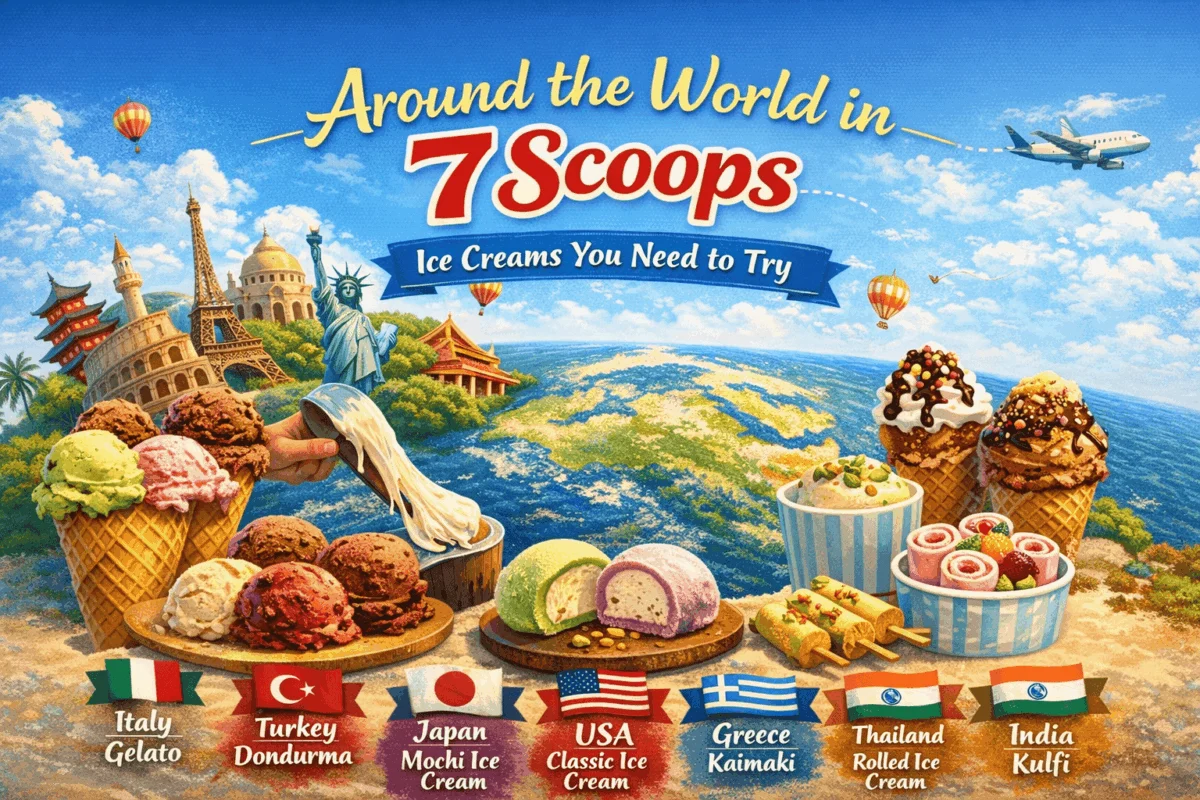
The seemingly simple pleasure of ice cream transcends geographical boundaries and cultural traditions, manifesting in an astonishing array of textures, flavors, and preparation methods across the globe. Beyond the familiar vanilla and chocolate, a rich tapestry of frozen desserts offers a window into the culinary heritage and innovative spirit of different nations. This exploration delves into seven distinct ice cream traditions, revealing the unique characteristics that make each a cherished delicacy in its homeland and increasingly, a global sensation.
The Art of Gelato: Italy’s Dense and Flavorful Delight
Italy, long synonymous with exquisite culinary artistry, presents gelato as a testament to its dedication to quality ingredients and refined techniques. While often perceived as a mere Italian equivalent of ice cream, gelato possesses distinct characteristics that set it apart. Traditionally, gelato is crafted with a higher proportion of milk to cream and eggs, resulting in a lower fat content compared to standard ice cream. This fundamental difference, coupled with a slower churning process that incorporates less air, yields a denser, more intensely flavored frozen treat.
The lower fat content allows the pure essence of the ingredients to shine through. Flavors like pistachio, derived from the prized nuts of Bronte, Sicily, or the rich, dark chocolate achieved through meticulous cocoa bean selection, are not merely present but profoundly expressed. Furthermore, gelato is typically served at a slightly warmer temperature than ice cream, a deliberate choice that enhances its smooth, silky texture and allows for a more immediate and nuanced appreciation of its complex flavor profiles. This practice, while seemingly counterintuitive to the concept of "frozen," is a cornerstone of the authentic gelato experience.
The history of gelato can be traced back to the Italian Renaissance, with figures like Bernardo Buontalenti credited with early innovations in frozen desserts. Over centuries, the craft has been refined, with dedicated gelaterias becoming community hubs and vital contributors to the Italian gastronomic landscape. The cultural significance of gelato is undeniable; it is more than just a dessert; it is a ritual, a moment of shared pleasure enjoyed in piazzas and along bustling streets. The opening of a new artisanal gelateria in a town often signifies a cultural event, celebrated by locals and sought after by tourists eager to sample authentic creations. Data from industry reports suggest the global gelato market is projected to experience significant growth, driven by consumer demand for premium, artisanal frozen desserts, further solidifying Italy’s position as a global leader in this category.
Dondurma: Turkey’s Chewy, Elastic, and Theatrical Frozen Treat
Journeying to Turkey, one encounters dondurma, an ice cream that defies conventional expectations with its unique texture and captivating serving ritual. Unlike its Western counterparts, dondurma is characterized by its remarkable elasticity and chewiness, a result of its distinctive ingredients. The key to this unusual consistency lies in salep, a flour derived from the tubers of wild orchids, and mastic, a resin obtained from the mastic tree native to the Greek island of Chios. These ingredients, when combined with milk and sugar and then churned, create a dessert that is resistant to melting and possesses a taffy-like quality.
The presentation of dondurma is as much a part of the experience as its taste. Vendors, often clad in traditional attire, engage in a theatrical performance, stretching, pulling, and folding the ice cream with long-handled paddles. This dynamic display not only entertains onlookers but also contributes to the dessert’s unique texture. The ritualistic serving method, a spectacle of skill and showmanship, transforms the simple act of purchasing ice cream into a memorable cultural encounter.
The origins of dondurma are deeply rooted in Turkish history, with historical accounts suggesting its consumption dates back centuries. It is believed to have originated in the Maraş region of Turkey, a testament to the region’s rich agricultural heritage and culinary ingenuity. Today, dondurma is a beloved national treat, a symbol of Turkish hospitality and a source of immense pride. The increasing popularity of Turkish cuisine globally has led to a greater appreciation for dondurma, with many international visitors seeking out this distinctive frozen dessert as an authentic taste of Turkey. Reports from the Turkish tourism sector often highlight dondurma experiences as a key attraction for visitors.
Mochi Ice Cream: Japan’s Bite-Sized Fusion of Texture and Tradition
Japan offers a delightful and visually appealing interpretation of ice cream with its mochi ice cream. This innovative confection masterfully blends the delicate artistry of Japanese confectionery with the universally loved appeal of ice cream. Mochi ice cream consists of a small scoop of ice cream encased in a soft, chewy outer layer of mochi, a traditional Japanese rice cake made from glutinous rice. The mochi is typically sweetened and has a subtle, pleasant chewiness that provides a striking textural contrast to the cold, creamy ice cream within.
The appeal of mochi ice cream lies in this harmonious interplay of textures: the yielding softness of the mochi giving way to the smooth, cold interior. This culinary philosophy of appreciating distinct textures is a hallmark of Japanese cuisine. While classic flavors like strawberry and chocolate are popular, mochi ice cream also embraces uniquely Japanese flavor profiles. Matcha, derived from finely ground green tea leaves, offers a sophisticated, slightly bitter, and earthy taste. Sweet red bean paste (anko) provides a rich, subtly sweet, and dense filling, reflecting a long-standing tradition of using beans in Japanese desserts.
The emergence of mochi ice cream as a global phenomenon is a relatively recent development, gaining widespread popularity in the late 20th century. However, its roots are intertwined with Japan’s deep-seated appreciation for mochi, a food with ceremonial and cultural significance, often consumed during festivals and special occasions. The careful crafting and presentation of mochi ice cream reflect Japan’s commitment to precision and aesthetic appeal in its culinary offerings. The global expansion of Japanese food culture has significantly contributed to the widespread availability and appreciation of mochi ice cream, with dedicated manufacturers and dessert shops now found in major cities worldwide. Market analyses indicate a steady growth in demand for mochi-based confections, underscoring its enduring appeal.
Classic American Ice Cream: Indulgence and Innovation in the United States
In the United States, ice cream represents a cultural touchstone, an emblem of comfort, celebration, and sheer indulgence. The American approach to ice cream is characterized by its diversity, from the nostalgic simplicity of soft-serve cones from roadside stands to the elaborately crafted, premium offerings found in artisanal creameries. The defining characteristic of classic American ice cream is its richness and creamy texture, often achieved through a higher butterfat content compared to many European counterparts.
The American ice cream industry thrives on innovation and creativity. Independent creameries, such as Lapp Valley Creamery in California, prioritize locally sourced ingredients, emphasizing the freshness and quality of their dairy and produce. This farm-to-table ethos allows for the development of unique, natural flavors that capture the essence of regional agriculture. Simultaneously, large-scale manufacturers like Ben & Jerry’s have built empires on their adventurous flavor combinations and commitment to social responsibility, introducing iconic creations like cookie dough and brownie chunks into the frozen dessert landscape.
The history of ice cream in America is intertwined with the nation’s development. Its popularity surged in the 19th century, becoming accessible to a broader population with the advent of mechanical refrigeration and mass production. By the 20th century, ice cream parlors and soda fountains were central social gathering places, reinforcing its status as a beloved American treat. Today, the American ice cream market is a multi-billion dollar industry, reflecting a deep-seated cultural affinity for this frozen delight. The constant introduction of new flavors and formats, from nitrogen-frozen creations to elaborate sundaes, ensures that American ice cream remains a dynamic and evolving culinary category. Consumer spending data consistently shows ice cream as one of the most popular dessert categories in the U.S.
Kaimaki: Greece’s Ancient, Mastic-Infused Frozen Gem
Greece offers a truly unique frozen dessert experience with kaimaki, a traditional ice cream distinguished by its singular flavor profile and velvety texture. The secret to kaimaki’s distinctiveness lies in mastic, a natural resin harvested from the mastic tree, which grows almost exclusively on the Greek island of Chios. This aromatic resin imparts a subtle, complex flavor that is simultaneously floral, slightly woody, and refreshingly earthy. It is a taste that is difficult to replicate and is intrinsically linked to its Greek origins.
Kaimaki is typically made with a base that results in a dense, smooth, and exceptionally velvety consistency, setting it apart from the lighter, airier textures of some other ice creams. This luxurious mouthfeel, combined with the nuanced mastic flavor, creates a sophisticated and memorable dessert. It is often served unadorned, allowing the intrinsic qualities of the mastic to be fully appreciated, though a sprinkle of crushed pistachios is a common and complementary garnish, adding a delightful crunch and nutty aroma.
The history of kaimaki is ancient, with mastic having been prized for its medicinal and culinary properties for millennia. Its use in desserts reflects a long-standing tradition of incorporating natural, locally sourced ingredients into Greek cuisine. Unlike many contemporary desserts that are driven by fleeting trends, kaimaki is a testament to enduring culinary heritage, offering a taste of Greece’s rich gastronomic past. The preservation of this traditional recipe speaks to the Greek people’s commitment to maintaining their cultural identity through food. While perhaps less globally ubiquitous than gelato or mochi ice cream, kaimaki holds a special place in the hearts of Greeks and discerning food enthusiasts seeking authentic and distinctive flavors.
Rolled Ice Cream: Thailand’s Visually Engaging and Freshly Made Delight
Thailand presents a dynamic and visually captivating ice cream experience with rolled ice cream, also known as stir-fried ice cream. This modern dessert, which gained significant traction in the early 21st century, transforms the ice cream-making process into a live culinary performance. The creation begins with a liquid base, typically a mixture of milk, cream, and sugar, poured onto an extremely cold, flat metal surface. Fresh ingredients, such as fruits, cookies, or candies, are then added and meticulously chopped and mixed into the base by the vendor.
As the mixture rapidly freezes on the cold surface, the vendor skillfully scrapes and spreads it into thin layers, which are then rolled into delicate, cylindrical shapes. This "made-to-order" approach ensures exceptional freshness, as the ice cream is prepared immediately before serving. The resulting texture is remarkably smooth and light, offering a refreshing contrast to the richer, denser ice creams found elsewhere. The visual appeal of the rolled ice cream, often adorned with drizzles of sauce, fresh fruit, and other toppings, makes it a highly Instagrammable treat.
While its widespread popularity is a recent phenomenon, the concept of rapidly freezing liquid ingredients on cold surfaces has roots in street food traditions across Asia. Rolled ice cream is believed to have originated on the streets of Bangkok, where innovative vendors sought to offer a unique and engaging dessert experience. Its swift global adoption is a testament to its novelty, visual appeal, and the inherently satisfying nature of watching a personalized treat being crafted before one’s eyes. The proliferation of rolled ice cream shops in cities worldwide underscores its success as a fusion of culinary artistry and street food entertainment. Market research indicates a sustained consumer interest in experiential food offerings, a trend that rolled ice cream perfectly embodies.
Kulfi: India’s Slow-Cooked, Flavor-Intense Frozen Classic
India offers kulfi, a traditional frozen dessert that embodies patience and deep, concentrated flavor. Often described as a denser, more intensely flavored cousin to Western ice cream, kulfi is made through a meticulous slow-cooking process. Milk is simmered for extended periods, allowing it to gradually reduce and thicken, concentrating its natural sweetness and creating a rich, creamy base. This prolonged simmering is crucial to kulfi’s characteristic dense texture and profound dairy flavor.
Once the milk base reaches the desired consistency, aromatic spices and flavorings are introduced. Cardamom, saffron, rosewater, and pistachios are classic additions that impart a complex and fragrant character to kulfi. Unlike churned ice creams that incorporate air to achieve lightness, kulfi retains its density, resulting in a slower melting rate. This characteristic makes it ideal for serving in its traditional molded forms, often as cylindrical sticks or conical shapes.
The history of kulfi is believed to stretch back to the Mughal Empire, where its preparation was a refined art form. The enduring popularity of kulfi across India and in South Asian communities worldwide speaks to its timeless appeal. It is a dessert deeply embedded in cultural celebrations and everyday life, appreciated for its comforting richness and exquisite flavor combinations. The slow, deliberate method of preparation reflects a culinary philosophy that values depth of flavor and textural integrity. As Indian cuisine continues to gain global recognition, kulfi stands as a testament to the nuanced and sophisticated dessert traditions of the subcontinent. Industry analyses of the global frozen dessert market consistently highlight the growing demand for authentic, culturally significant treats, positioning kulfi for continued appreciation.
This global survey reveals that ice cream, in its myriad forms, is far more than a simple sweet treat. It is a reflection of a nation’s agricultural bounty, its culinary ingenuity, its historical influences, and its cultural identity. Each spoonful offers a unique narrative, a delicious journey that connects us to the world, one frozen delight at a time. The continued evolution and global dissemination of these diverse ice cream traditions underscore the universal appeal of frozen desserts and their power to transcend borders, fostering cultural exchange and culinary exploration.


 Anjar Salim
 Dwi Wanna
 Budi Mulyono
 Lukman Taruna Persada Ramadan
 Chandra Hamzah
 Gabriela Annisa