
 Anjar Salim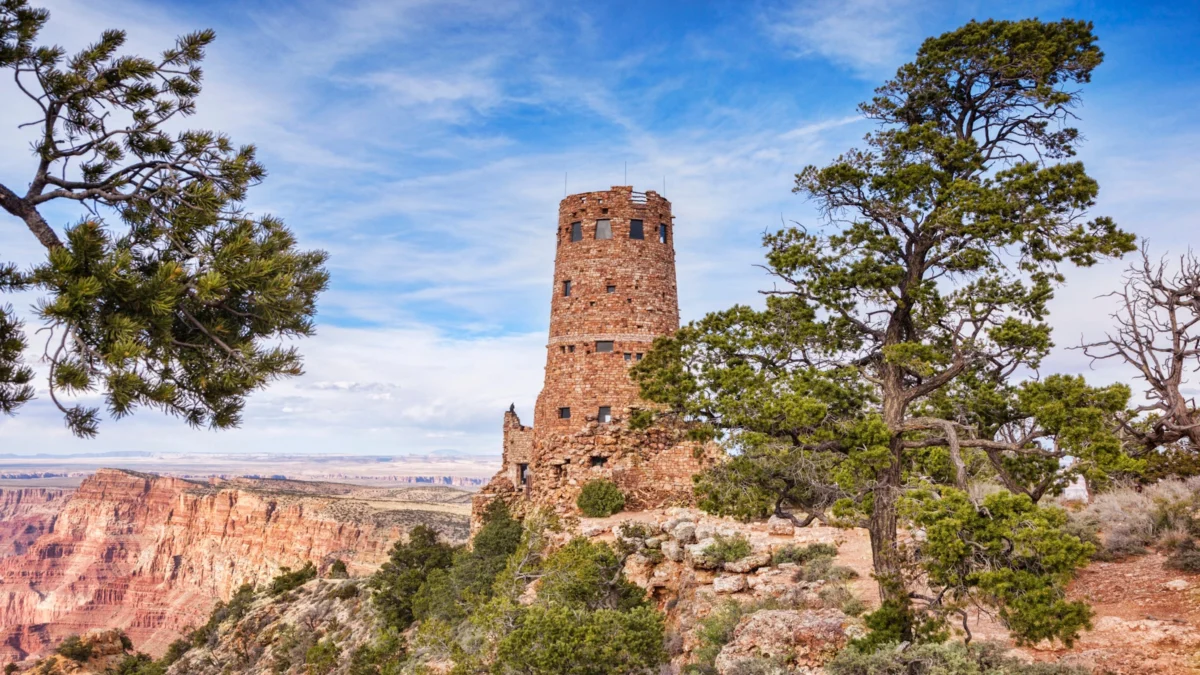
National Park Service (NPS) rangers and law enforcement officials at Grand Canyon National Park have launched a formal investigation and are requesting public assistance to identify an individual responsible for the destruction of a sacred Hopi artifact. The incident, which occurred on June 17, 2026, at the historic Desert View Watchtower, involved an older male visitor who reportedly climbed onto historic furniture to pose for a photograph, resulting in a fall that caused irreparable damage to a headpiece crafted by the renowned Hopi artist Fred Kabotie. According to official reports, the individual fled the scene before law enforcement could be notified, leaving behind a fractured piece of cultural heritage that experts describe as a cornerstone of the park’s Indigenous history.
Chronology of the Incident at Desert View
The sequence of events began during the peak visitation hours of June 17, between 11:00 A.M. and 4:00 P.M. The Desert View Watchtower, located on the South Rim of the Grand Canyon, was occupied by numerous tourists when a Caucasian male, estimated to be in his late 60s or early 70s, entered the structure. According to witness accounts and preliminary investigative findings, the man attempted to position himself for a photograph by climbing onto a handcrafted, historic chair that was part of the tower’s interior exhibit.
During the attempt to capture the image, the visitor lost his balance and fell. In the process of his fall, he collided with a display featuring a traditional Hopi headpiece. The impact was severe; the headpiece was knocked from its position, striking the floor and breaking into multiple fragments. Park staff, initially unaware of the extent of the damage to the artifact, provided basic first aid to the visitor for minor injuries sustained during the fall.
Following the medical interaction, the man, accompanied by an adult woman believed to be his daughter, exited the Watchtower and left the Desert View area. It was only after their departure that park rangers were alerted to the destruction of the artifact. By the time law enforcement arrived to secure the scene and document the damage, the suspects had already vacated the premises, likely departing in a private vehicle.
The Cultural Significance of the Damaged Artifact
The destroyed headpiece was not merely a decorative item; it was a significant cultural object created by Fred Kabotie (1900–1986), one of the most influential Native American artists of the 20th century. Kabotie, a member of the Hopi Tribe from the village of Shungopavi, was instrumental in documenting and preserving Hopi traditions through visual art. His work at the Desert View Watchtower, which includes the famous murals on the interior walls, was intended to provide visitors with an authentic glimpse into the Hopi worldview.
Tony Chavarria, the curator of ethnology at the Museum of Indian Arts and Culture in Santa Fe and a member of the Santa Clara Pueblo, emphasized that the loss of such an item transcends monetary value. "This is beyond art," Chavarria stated in a recent interview. "This is an element of a living culture. A headpiece like this is not just an item made for display and appreciation; it has another value. It would be used in a ceremonial dance, as a key part of the culture of cyclical renewal that happens in many of our Southwest communities."
The headpiece sustained significant structural failure. Investigations revealed that the artifact broke in two primary locations, with secondary damage—including scuffs, deep gouges in the wood, and the tearing of traditional leather attachments—noted in three other areas. Because the creator, Kabotie, passed away decades ago, the piece cannot be restored by the original artist, and the technical requirements for a culturally appropriate restoration are immensely complex.
The Desert View Watchtower: A Historic and Sacred Space
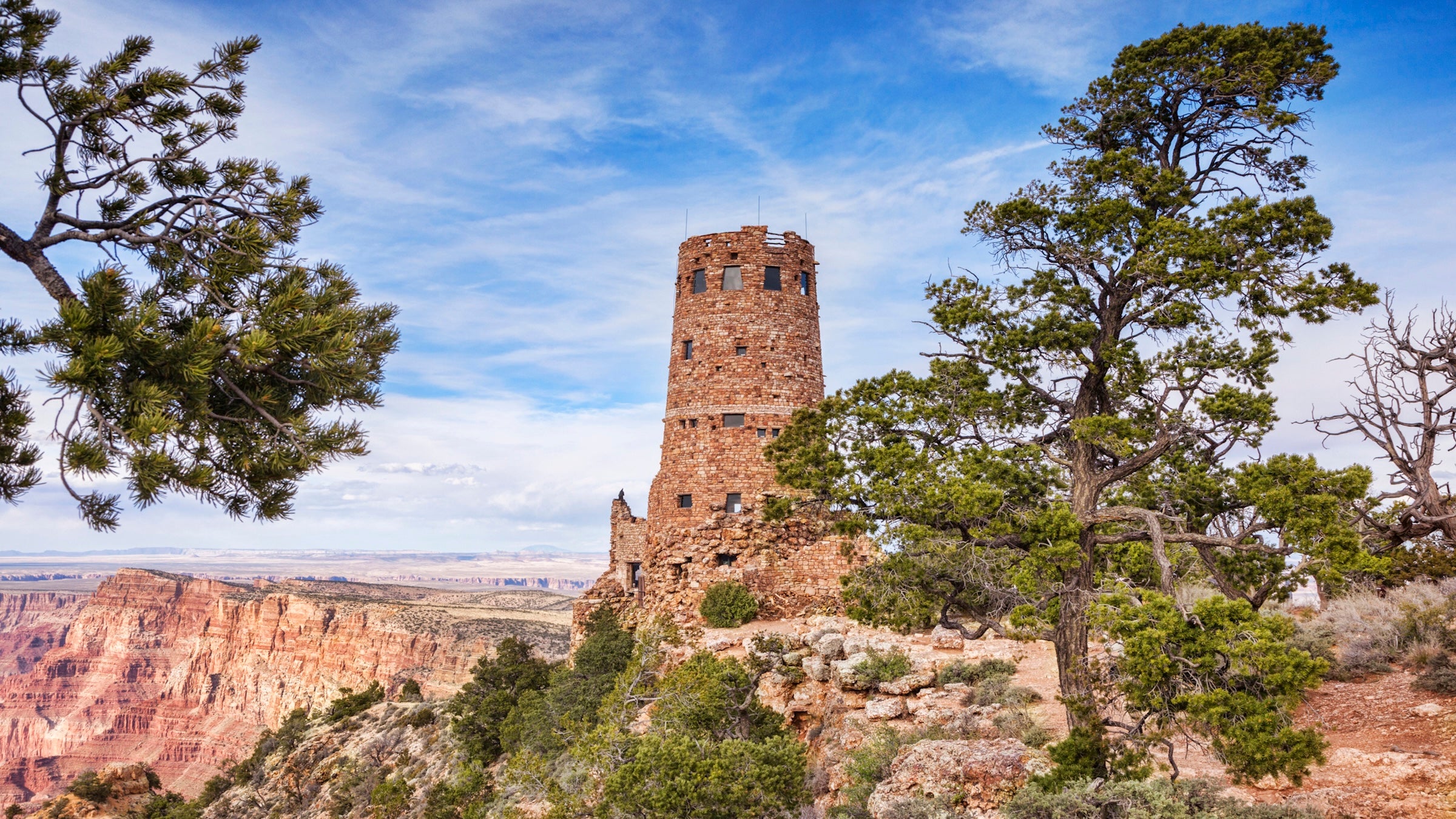
To understand the gravity of the incident, one must consider the setting. The Desert View Watchtower was designed by architect Mary Colter and completed in 1932. Colter, known for her "National Park Service Rustic" style, designed the tower to mimic the ancestral Puebloan towers of the Four Corners region. She commissioned Fred Kabotie to paint the interior murals, making the site a rare synthesis of Western architecture and Indigenous fine art.
In recent years, the National Park Service has transitioned Desert View into a "Tribal Heritage Site." This initiative, developed in collaboration with the 11 Traditionally Associated Tribes of the Grand Canyon, aims to transform the area from a traditional gift shop and observation point into a space for cultural exchange and education. The presence of authentic artifacts like the Kabotie headpiece was central to this mission. The destruction of the piece represents a setback for the park’s efforts to honor the living traditions of the Hopi, Zuni, Navajo, and other regional tribes.
Broader Implications: The Impact of "Photo Culture" on Public Lands
The incident at the Grand Canyon is part of a troubling trend involving the destruction of natural and cultural resources driven by the pursuit of social media content. As digital platforms prioritize striking visual imagery, visitors to national parks are increasingly bypassing safety barriers and ignoring "do not touch" warnings to secure the "perfect shot."
Supporting data from the National Park Service indicates a rise in vandalism and resource damage over the last decade, correlating with record-breaking visitation numbers. In 2023, for example, several high-profile incidents occurred across the park system, including the defacing of petroglyphs in Utah and the destruction of ancient rock formations in Lake Mead National Recreation Area.
"People don’t realize the significance of what they’re seeing, and the focus is on getting something they can post," Chavarria noted. "It’s more about getting clicks than appreciating what they’re looking at. It’s not just an issue with Indigenous art, but geographic formations, too. There’s a real lack of awareness."
The legal ramifications for such actions are significant. Under the Archaeological Resources Protection Act (ARPA) and other federal statutes, the destruction of cultural heritage on federal land can result in felony charges, substantial fines, and imprisonment. The NPS Investigative Services Branch (ISB) is currently reviewing surveillance footage and witness statements to build a case against the unidentified visitor.
The Restoration Dilemma and Tribal Consultation
The path forward for the damaged headpiece remains uncertain. Unlike a standard museum piece, a ceremonial Hopi object requires a specific protocol for repair. Chavarria explained that the decision to restore the item—or whether it should be restored at all—must lie with the Hopi people.
"How this piece should be restored, and if it even should be, that’s up to a Hopi person who creates this type of work," Chavarria said. "It’s not as simple as gluing it back together, and that’s something I hope the park service is cognizant of as they approach this."
In many Indigenous cultures, objects have a natural lifespan, and the "fixing" of a broken ceremonial item by an outsider can be seen as a violation of the object’s spiritual integrity. The NPS is expected to enter formal consultations with the Hopi Tribe’s Cultural Preservation Office to determine the next steps. This process will likely involve assessing whether the headpiece should be retired from public view or if a traditional practitioner can be commissioned to perform the repairs.
Investigative Details and Call for Public Assistance
The National Park Service has released detailed descriptions of the individuals involved in hopes that other visitors may have captured them in the background of their own photographs or videos.
Primary Suspect: A Caucasian male in his 60s or 70s. He is described as approximately 6 feet tall with a slender build. He has white or gray hair and was clean-shaven at the time of the incident. He was last seen wearing cargo shorts and a neutral-colored shirt.
Companion: A Caucasian female in her late 30s or 40s, believed to be the suspect’s daughter. She is approximately 5 feet 5 inches tall with an average build and dark hair extending below her shoulders.
Authorities are asking anyone who was at the Desert View Watchtower on June 17, 2026, to review their digital media. Even a blurred image of the suspects in the background of a selfie could provide the critical lead needed to identify the pair.
The NPS has emphasized that the public should not attempt to contact or identify the suspects through social media "doxxing" or public rumors, as this can jeopardize the legal integrity of the investigation. Instead, tips should be submitted directly to the NPS Investigative Services Branch.
Conclusion: A Call for Stewardship
As the investigation continues, the incident serves as a stark reminder of the fragility of the heritage preserved within the National Park System. The Desert View Watchtower remains open to the public, but the area where the artifact was displayed has been cordoned off.
National Park Service officials have indicated that this event may prompt a review of how artifacts are displayed within the tower. While the goal of the Tribal Heritage Site is to provide an immersive and accessible experience, the vulnerability of "open-air" exhibits to negligent behavior may necessitate the installation of more robust physical barriers or glass enclosures.
The loss of the Kabotie headpiece is a tragedy of negligence, highlighting the ongoing tension between public access and the preservation of irreplaceable cultural treasures. For the Hopi people and the millions of visitors who come to the Grand Canyon to learn about Indigenous history, the empty display case at Desert View stands as a somber testament to the consequences of a single moment of thoughtlessness.




 Budi Mulyono
 Chandra Hamzah
 Tatiana Tantri Indah Sari

 Lukman Taruna Persada Ramadan