
 Anjar Salim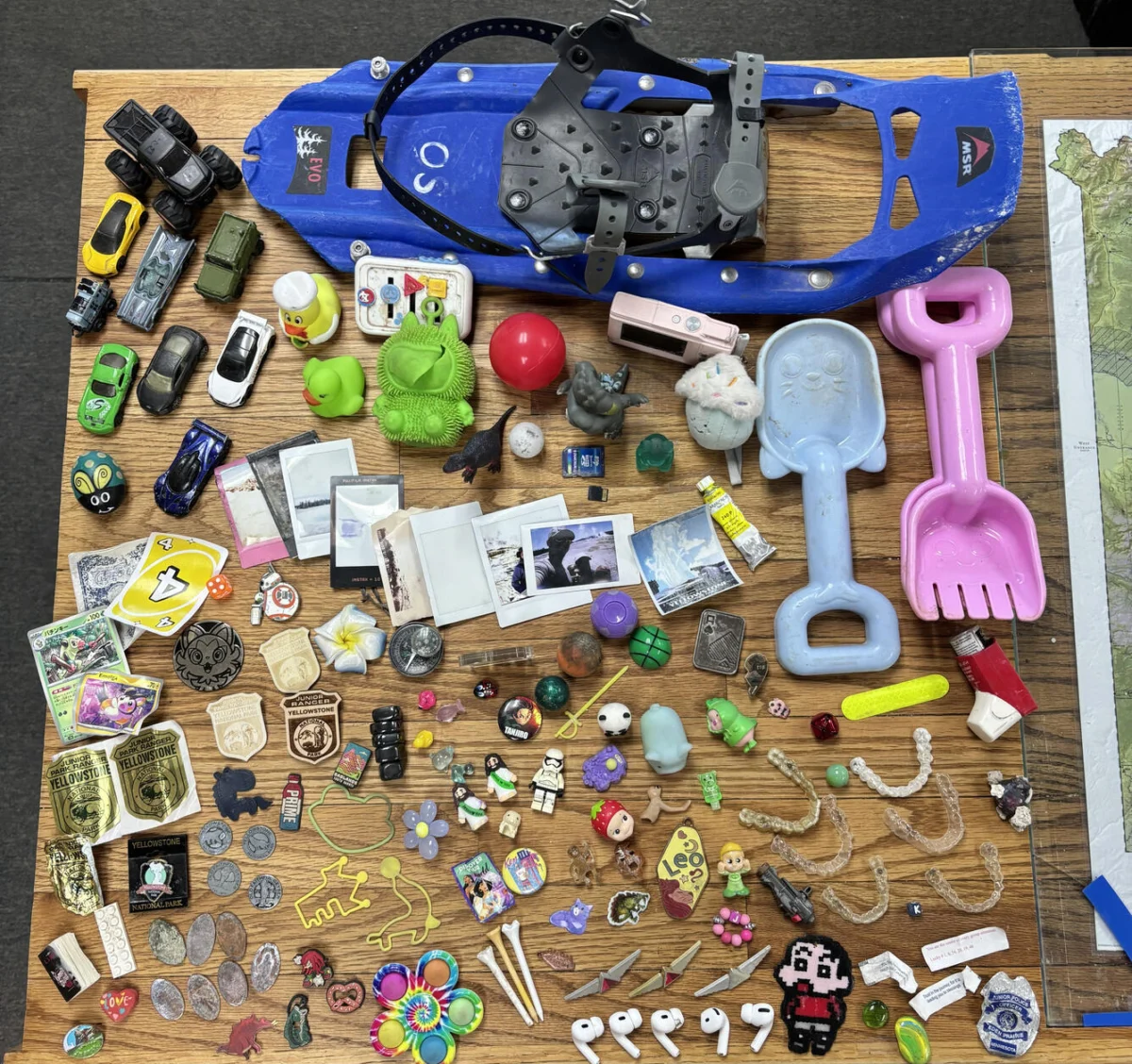
Visitors to Yellowstone National Park dropped more than 25,000 items into the world’s most famous hydrothermal features in 2026, shattering previous records for debris accumulation and setting off alarm bells among park scientists and conservationists. A comprehensive report published on September 14, 2026, by the U.S. Geological Survey (USGS) revealed that park staff and geology teams removed more than 20,100 pieces of trash, 5,600 rocks and sticks, and nearly 300 hats from the park’s fragile hydrothermal basins over the course of the year.
This staggering haul marks a dramatic 50 percent increase compared to the previous year’s cleanup efforts. The surge in lost and discarded objects correlates directly with soaring tourism numbers. According to National Park Service (NPS) data, more than 2.64 million people visited Yellowstone between January and July 2026 alone, nearly tying the park’s all-time busiest visitation year recorded in 2021. As millions of tourists traverse the narrow wooden boardwalks stretching across wide-open geyser basins, the sheer volume of foot traffic has translated directly into an unprecedented influx of foreign debris within delicate natural ecosystems.
A Chronology of Conservation and Historical Cleanups
The problem of foreign objects clogging Yellowstone’s thermal features is not entirely new, though its modern scale is unprecedented. Historical records from the National Park Service indicate that systemic cleanup efforts within the park’s thermal areas began as early as 1942. During that era, a park geologist documented numerous hot springs and geysers heavily choked with logs, large rocks, and refuse deliberately or accidentally tossed in by visitors.
Over the decades, park management has continually adapted its strategies to combat the accumulation of debris. By mid-September 2025, Yellowstone’s geology team had already deployed specialized tools—including poles with 16-foot extendable handles, strainers, hand rakes, and heavy-duty shovels—to extract more than 13,000 pieces of trash, 4,000 rocks and sticks, and 300 hats. However, the 2026 figures dwarf these previous benchmarks, pointing to a worsening trend in visitor mindfulness and adherence to park regulations.
The scope of the 2026 recovery operation covered nearly all of Yellowstone’s developed, front-country hydrothermal regions. Cleanup crews systematically scoured iconic and sensitive sites alike, ranging from minor thermal manifestations like Frying Pan Spring and Clearwater Spring to major tourism hubs including Black Sand Basin, Artist Paintpots, Mammoth Hot Springs, the heavily trafficked Midway Geyser Basin, and the legendary Old Faithful.
The Bizarre Array of Recovered Items
While a significant portion of the 2026 haul consisted of predictable refuse and wind-blown apparel, the inventory of recovered objects also featured a surprisingly eclectic collection of personal belongings and bizarre artifacts. Margery Price, a park physical science technician and author of the USGS report, noted that the configuration of the landscape plays a significant role in what gets lost. "The more foot traffic an area gets, the more trash will be there—but this is especially true in wide open geyser basins with narrow boardwalks," Price explained. "Midway Geyser Basin in particular is our biggest hat collector."
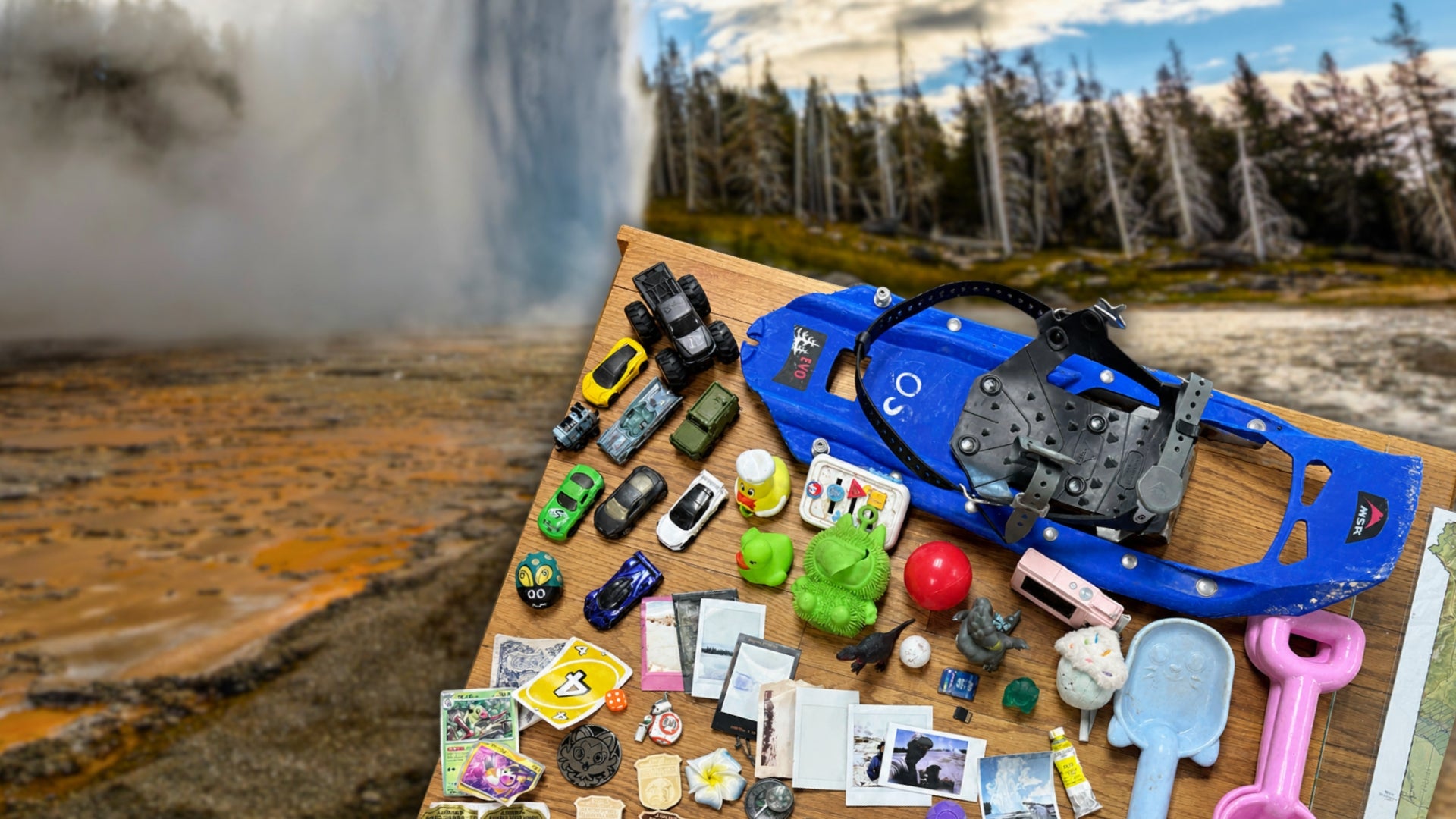
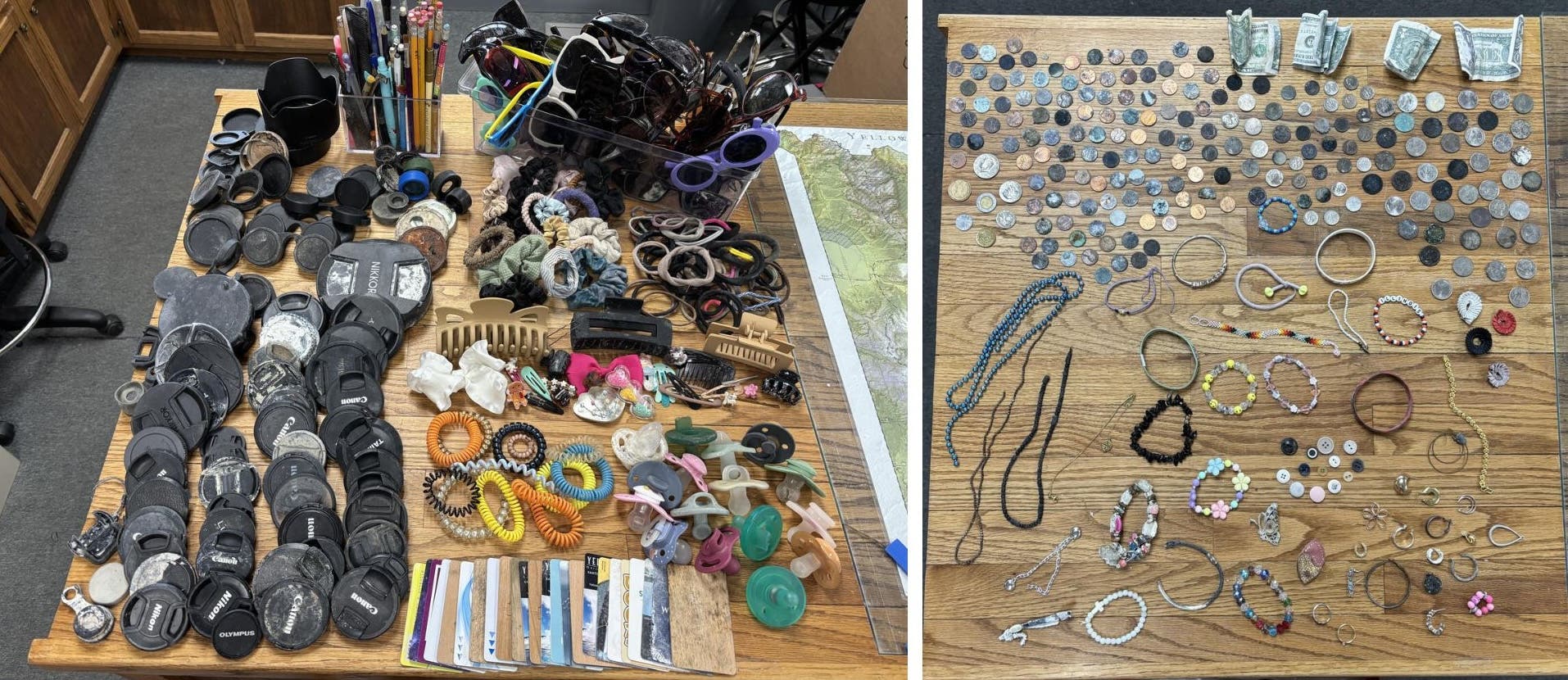
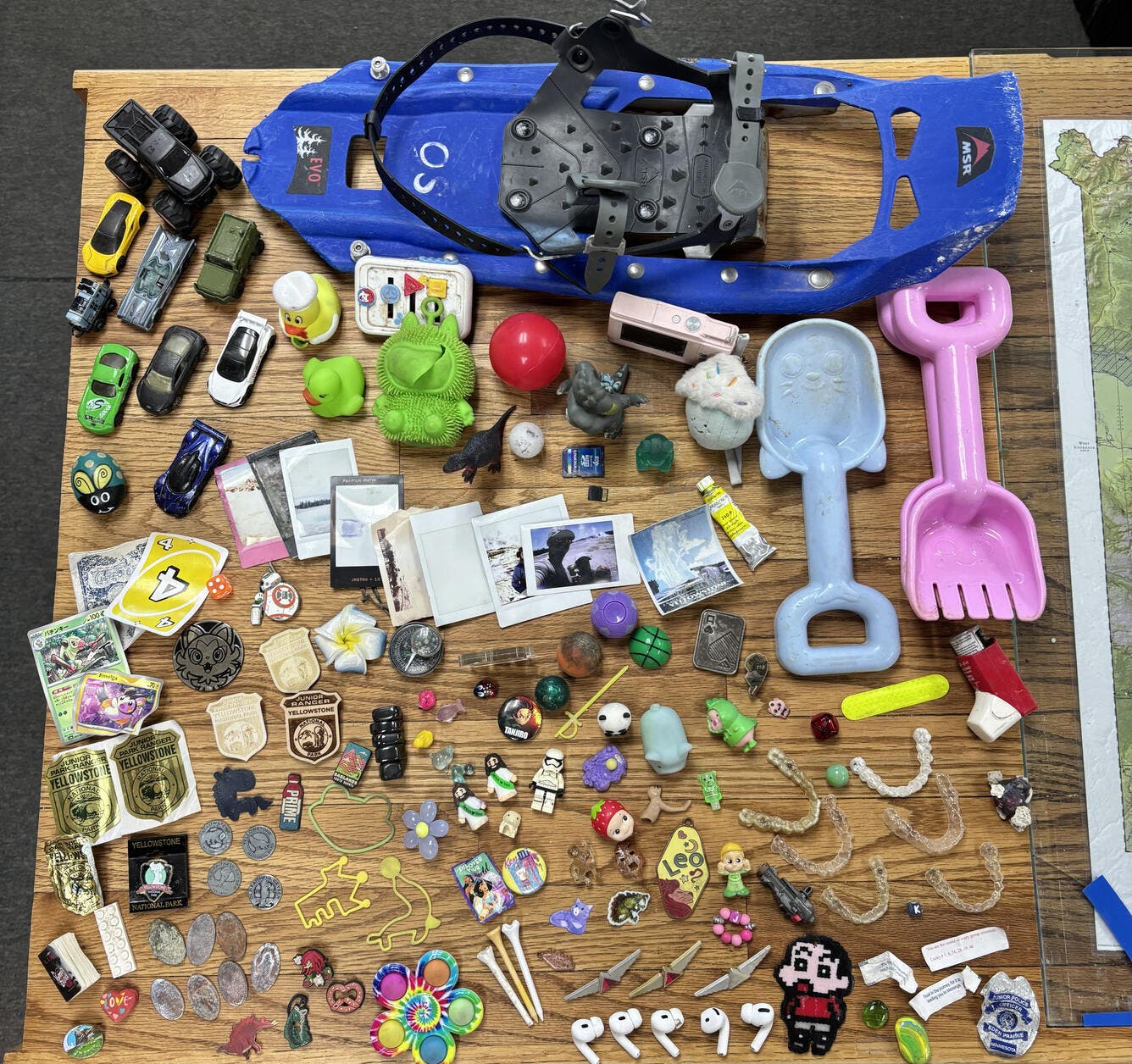
Beyond the hundreds of recovered hats, dozens of sunglasses, hair ties, and camera lens caps, park staff cataloged a surreal array of items. Among the more unusual discoveries were 15 fake fingernails, eight miniature race cars, two rubber ducks, a 2010 McDonald’s promotional toy, golf tees, Legos, dental retainers, and three distinct lapel pins distributed to passengers on commercial Delta Airlines flights. Crews also unearthed Polaroid photographs depicting the exact hydrothermal features from which they were subsequently retrieved, a two-inch miniature copy of the novel The Vampire Diaries, and a single playing card from the game UNO.
Environmental Implications and the Threat to Hydrothermal Ecosystems
While some recovered items border on the comical, scientists emphasize that foreign objects pose a severe, often irreversible threat to Yellowstone’s delicate hydrothermal systems. The introduction of non-native materials can fundamentally alter the physical and chemical mechanics of geysers and hot springs.
"Foreign material of any kind can damage or permanently alter a hydrothermal feature," Price wrote in the 2026 USGS report. When trash, plastics, or organic debris fall into a thermal feature, they can physically clog the underground water supply conduits or obstruct surface runoff channels. Restricting the natural flow of superheated water can inadvertently lower a spring’s overall temperature, alter its vibrant color profiles, and decimate the specialized, heat-loving microorganisms—known as thermophiles—that inhabit these extreme environments and give the pools their striking hues.
In severe instances, foreign debris can permanently modify a geyser’s eruption schedule and physical behavior. A prominent historical example cited by park experts involves Minute Geyser, located in the Norris Geyser District. During the early 20th century, tourists frequently tossed rocks into the feature’s primary vent. Over time, these stones became permanently cemented together by mineral-rich deposits. Consequently, eruptions that once occurred reliably every 60 seconds and reached heights of up to 50 feet were reduced to weak, highly irregular venting events. Park officials state that the accumulated rocks can no longer be removed without risking catastrophic damage to the geyser’s subsurface plumbing.
Official Responses and Safety Warnings
Park administrators, hospitality personnel, and scientific researchers have united in urging visitors to exercise greater caution while touring the park. Todd Walton, director of sales and marketing for Yellowstone National Park Lodges and a former park guide, stressed the importance of personal accountability. He advised visitors to be especially mindful of items vulnerable to environmental conditions.
"I’ve seen gloves, cups, and sunglasses also," Walton said, highlighting accessories prone to being caught by sudden gusts of wind. "Hold onto your stuff."
Retrieving these items is rarely a straightforward task for park personnel. Price noted that recovery rates fluctuate wildly depending on the physical morphology of each individual spring or geyser. While shallow pools allow staff to spot and retrieve most objects, deeper or geometrically complex features present insurmountable barriers. Furthermore, the mineral-rich waters of Yellowstone cause most submerged objects to saturate quickly and sink to the bottom.
Conversely, subterranean pressure can occasionally return long-lost items to the surface in dramatic fashion. In September 2018, Ear Spring unexpectedly erupted, expelling a cache of historical and modern debris, including plastic cups, cigarette butts, and coins dating back to the 1930s.
Beyond environmental degradation, dropping items near hydrothermal features poses immediate physical dangers to human safety. Yellowstone’s thermal waters routinely reach temperatures between 150 and 200 degrees Fahrenheit. Moreover, the crust surrounding these features can be deceptively thin and unstable.
Park officials reiterate that visitors who accidentally drop belongings into restricted areas must never attempt to retrieve them independently. Instead, they are instructed to remain safely on designated boardwalks and immediately notify park rangers or staff. Historical data underscores the deadly nature of these environments; more than 20 people have died from severe burns after entering or falling into Yellowstone’s thermal features since the park began formal record-keeping, including a fatal incident in August 2022 when a 70-year-old man’s remains were recovered from the 140-degree Abyss Geyser in the West Thumb Geyser Basin. As visitation numbers remain near historic highs, park authorities hope that heightened public awareness will curb the tide of debris threatening one of America’s most treasured natural landscapes.




 Chandra Hamzah
 Tatiana Tantri Indah Sari
 Budi Mulyono
 Lukman Taruna Persada Ramadan