
 Anjar Salim
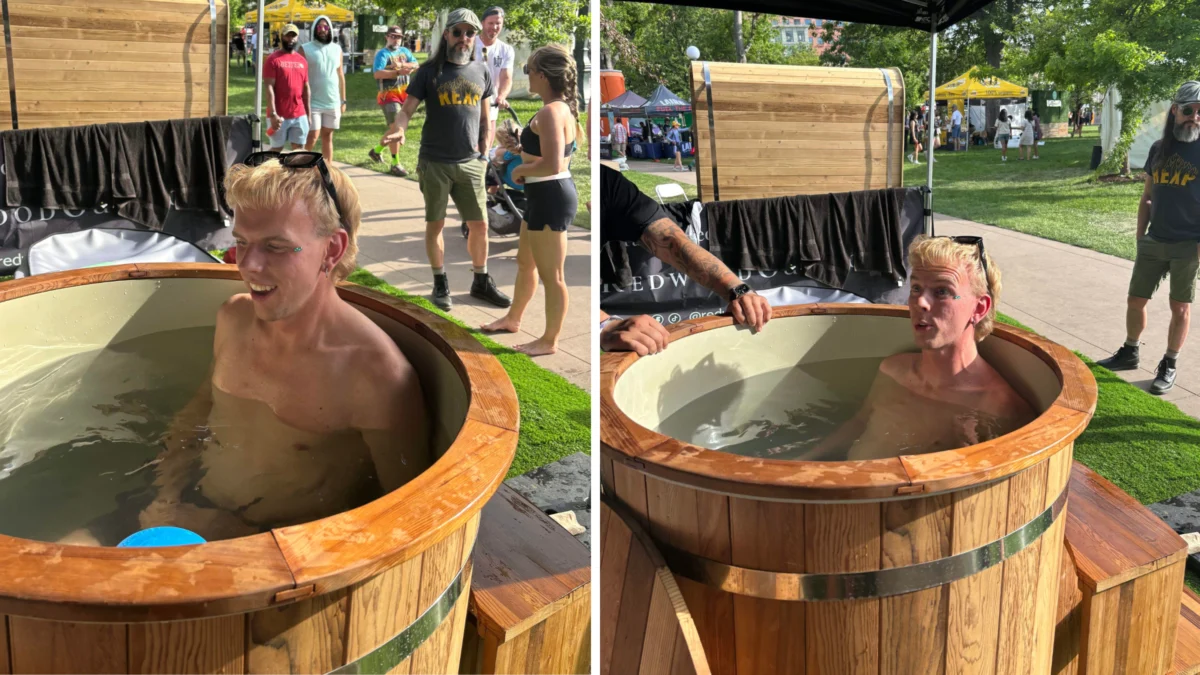
The physiological shock of cold-water immersion remains one of the most polarizing topics in modern athletic recovery. Within the first thirty seconds of stepping into a deliberate cold plunge, the human body initiates an immediate sympathetic nervous response. Heart rates spike, respiratory patterns accelerate, and peripheral vasoconstriction redirects blood flow away from the extremities toward core organs to preserve internal temperature. For distance runners navigating high-mileage training blocks, the integration of these extreme temperature shifts—commonly known as contrast therapy—has transitioned from a niche recovery protocol used by elite track programs to an omnipresent wellness trend featured heavily across commercial gyms, urban bathhouses, and digital fitness platforms.
Despite the proliferation of social media endorsements touting contrast hydrotherapy as an essential bridge between strenuous exertion and optimal physical restoration, the empirical backing for these practices remains nuanced. To evaluate whether alternating between high-heat environments and sub-50-degree water yields tangible physiological dividends for endurance athletes, a structured one-month investigative trial was conducted. By combining systematic personal tracking with clinical insights from sports medicine physicians and integrative health specialists, this analysis seeks to separate subjective psychological relief from measurable performance enhancement.
Chronology and Protocol of the One-Month Trial
The observational trial spanned four consecutive weeks during a standard base-building running phase. The participant maintained an unvaried baseline mileage averaging approximately 35 miles per week, consisting of steady aerobic efforts, structured speed workouts, and prolonged weekend runs without tailoring the underlying training load specifically for the experiment.
The integration of contrast therapy followed a consistent chronological schedule, deployed exclusively in the post-workout window following high-intensity or high-fatigue sessions. Two to three times weekly, the recovery sequence adhered to a rigid circuit: three consecutive rotations of 10 to 15 minutes of dry-sauna heat exposure, immediately succeeded by a mandatory two-minute immersion in cold water.
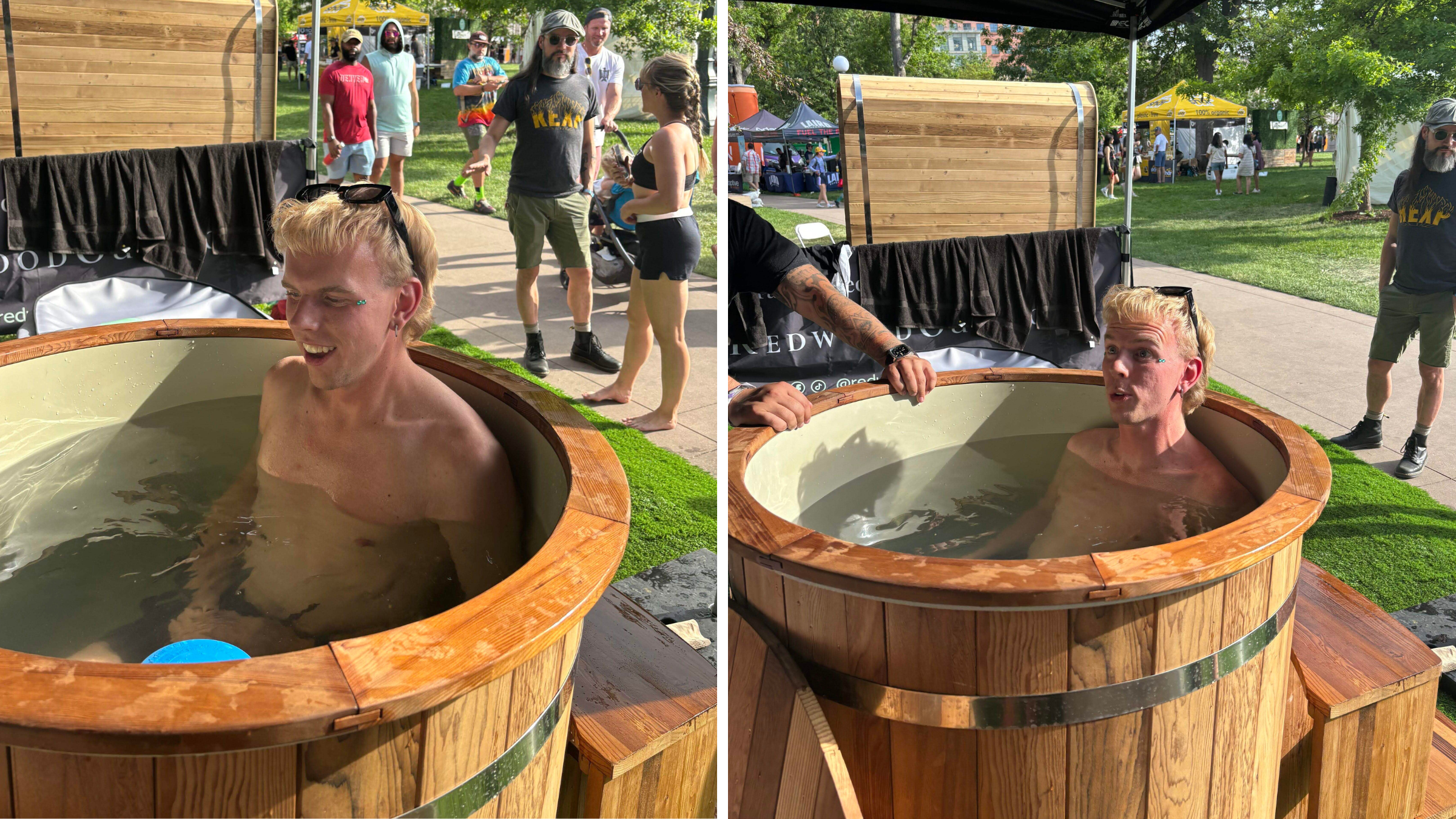
Throughout the 30-day monitoring period, quantitative and qualitative metrics were recorded at three distinct intervals: immediately following the protocol, the subsequent morning upon awakening, and during the initial stages of the subsequent run. Variables tracked included subjective lower-extremity muscle soreness, perceived fatigue scales, sleep continuity, and resting versus active cardiovascular metrics during comparable running routes. The objective was not necessarily to establish a definitive physiological baseline, but rather to cross-reference subjective recovery feelings against objective performance indicators such as running pace and heart rate efficiency.
Physiological Mechanisms: What Contrast Therapy Actually Does
The scientific literature surrounding contrast hydrotherapy reveals a distinct gap between public perception and measurable physiological adaptation. While numerous studies indicate that alternating between hot and cold water can effectively mitigate delayed-onset muscle soreness (DOMS) and lower perceived exhaustion following exhaustive exercise, the correlation between feeling recovered and demonstrating enhanced athletic output the following day is considerably weaker.
Dr. Raj Desai, a board-certified physical medicine, rehabilitation, and pain medicine physician at California’s DISC Sports and Spine Center, emphasizes the psychological and somatic distinction at the heart of the practice. According to Dr. Desai, while the recovery benefits are demonstrably real, the majority of those benefits manifest in how effectively a runner perceives their recovery status rather than through direct cellular repair mechanisms.
This divergence between subjective sensation and objective physiological recovery formed the core of the month-long evaluation. While diminished muscle tension and improved immediate comfort provided a more pleasant post-run experience, these subjective indicators did not consistently translate to altered pacing metrics or accelerated metabolic clearing rates.
Expert Perspectives on Timing, Adaptations, and Potential Tradeoffs
Medical professionals and integrative health practitioners frequently caution that the utility of hot and cold immersion depends entirely upon the timing and broader objectives of an athlete’s training macrocycle. Tom Ingegno, an integrative health practitioner at Charm City Integrative Health, notes that cold-water immersion serves a specific strategic purpose when immediate short-term recovery supersedes long-term neuromuscular adaptation. This approach proves most advantageous during congested racing schedules, peak training accumulation blocks, or environmental conditions characterized by extreme heat stress, rather than functioning as an unthinking post-workout habit.
Furthermore, physiological research highlights a potential biological tradeoff associated with cold exposure immediately following physical training. Regular, acute cold-water immersion directly post-exercise has been documented in certain contexts to attenuate hypertrophic signaling pathways, potentially blunting optimal muscle and strength adaptations—though the specific transferability of these mechanisms to endurance running adaptations remains an ongoing subject of sports science inquiry.
Dr. Adam Nessim, an interventional spine and pain medicine specialist, underscores this critical physiological nuance by noting that feeling recovered and achieving true muscular adaptation represent two entirely separate biological states.
Safety parameters remain paramount when implementing aggressive thermal shifts. Orthopedic surgeon Dr. Nolan Horner emphasizes that standard clinical protocols for cold-water immersion typically evaluate temperature ranges between 50 and 59 degrees Fahrenheit, with no empirical evidence supporting the premise that lower, painful temperatures produce superior recovery outcomes. Excessive cold exposure carries inherent risks of cold shock, hypothermia, and acute cardiovascular strain, while prolonged hyperthermic exposure risks dehydration and heat exhaustion. Medical clearance from a primary physician is strongly advised for individuals with pre-existing cardiovascular conditions, uncontrolled hypertension, arrhythmias, or pregnancy before attempting deliberate thermal contrast regimens.
Broader Implications and Comparative Analysis for Endurance Athletes
When evaluated comprehensively against foundational athletic pillars—such as consistent sleep hygiene, macronutrient periodization, appropriate hydration, and structured training progression—contrast therapy occupies a secondary tier of importance. The month-long observation confirmed that while the intervention failed to manufacture statistically significant improvements in running economy, speed, or aerobic threshold metrics, it consistently delivered significant ancillary benefits.
Chief among these were acute autonomic nervous system downregulation, reduced perceived lower-body stiffness, and marked improvements in sleep onset latency on nights when sessions were completed. Beyond the physiological observations, the structural ritual of contrast therapy imposed a mandatory psychological pause. Transitioning between thermal extremes effectively disrupted cognitive loops, enforcing a brief period where external stressors—such as professional correspondence or training metrics—were temporarily eclipsed by immediate somatic focus on controlled respiration.
Destination-Worthy Hydrothermal Retreats for Athletes
For endurance athletes seeking to incorporate structured contrast therapy into destination travel or dedicated recovery weekends, several facilities across North America offer specialized hydrothermal infrastructure designed to support athletic restoration.
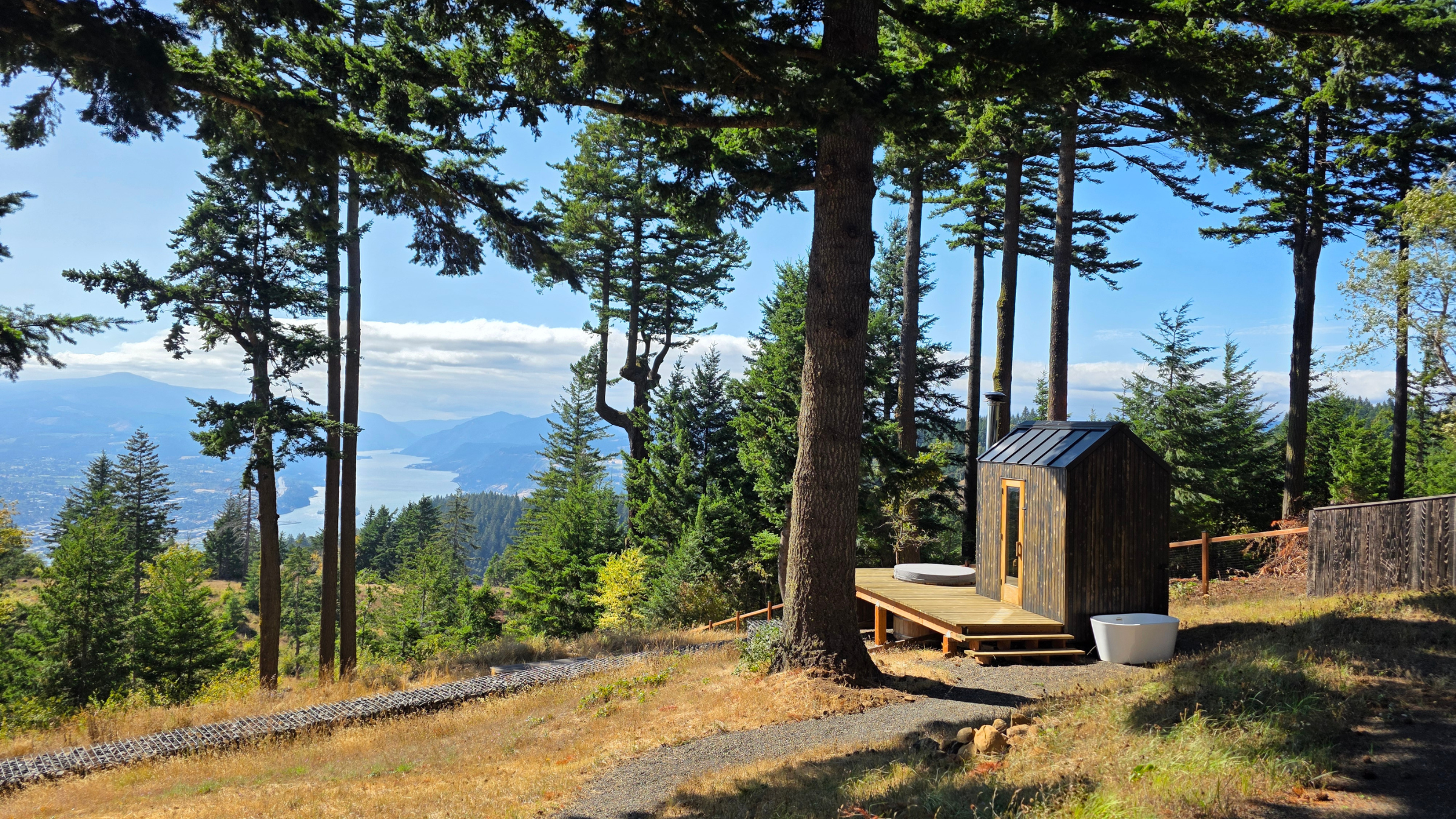
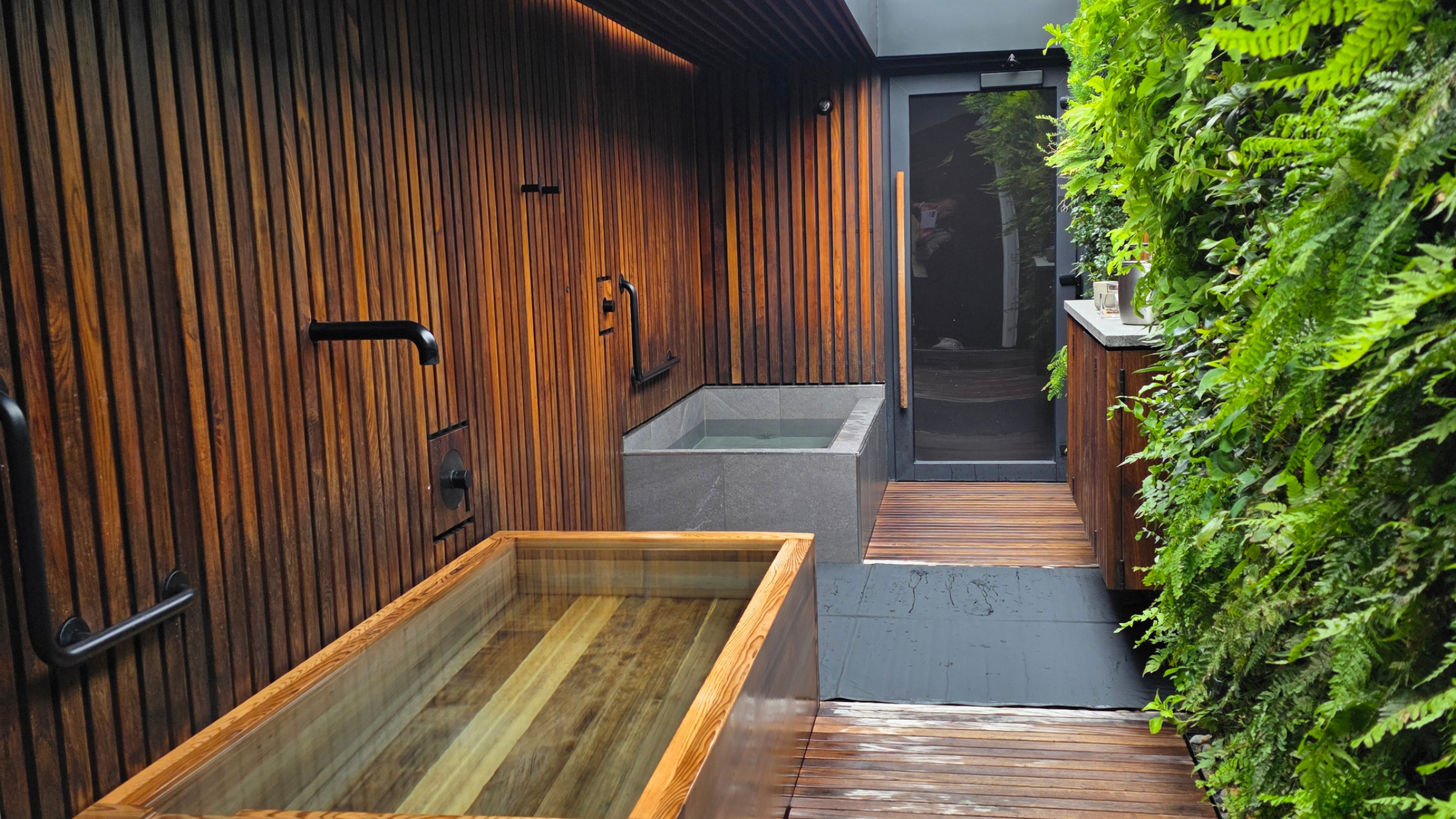
Dry Creek Cabin in White Salmon, Washington, presents a private, self-guided recovery environment situated above the Columbia River Gorge near Coyote Wall. Featuring a wood-burning sauna, steam shower, hot tub, cedar ofuro soaking tub, and a dedicated cold-plunge setup, the property allows athletes to execute personalized recovery protocols following trail runs without the scheduling constraints of communal bathhouses.
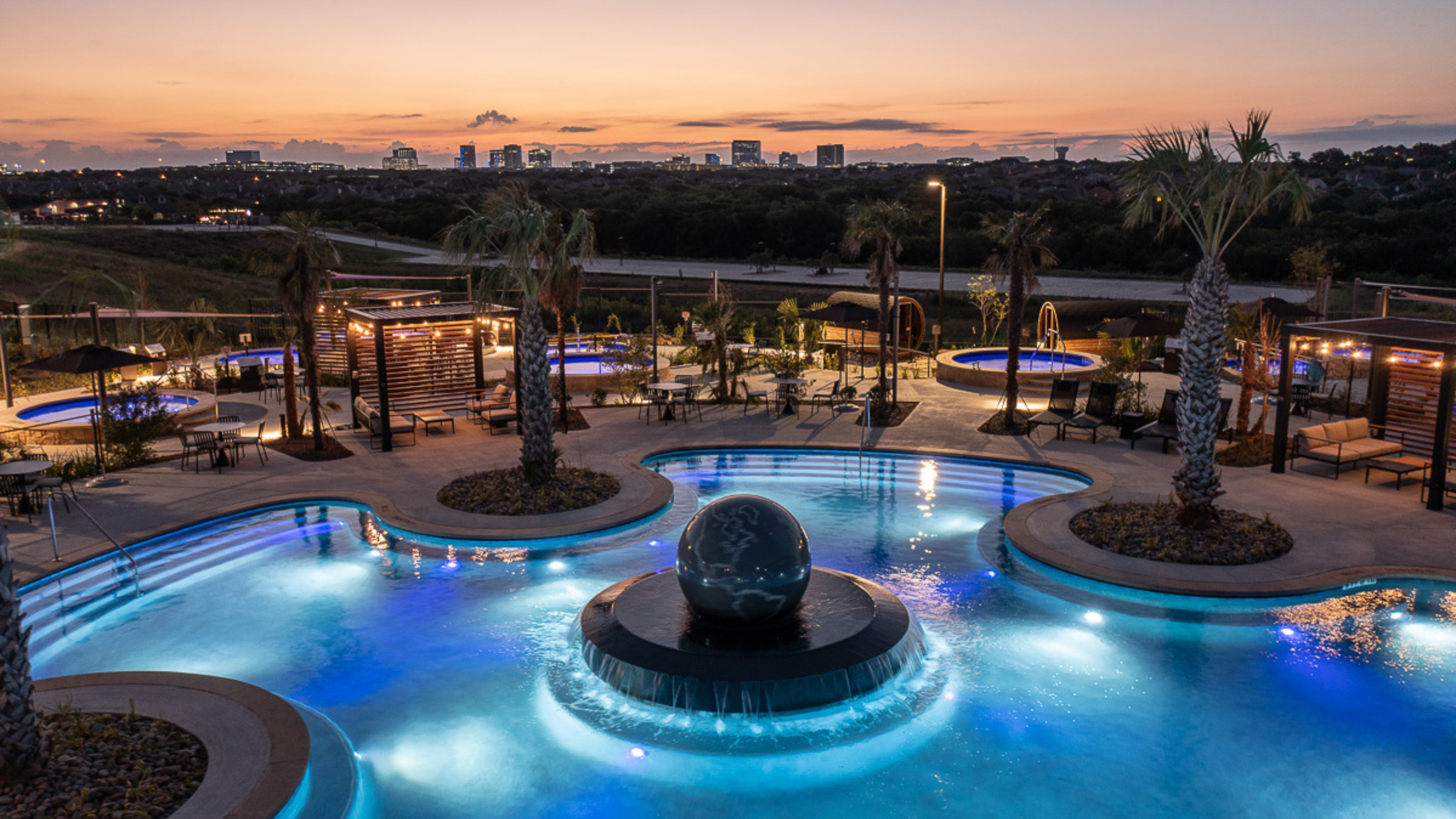
WorldSprings Dallas in The Colony, Texas, operates on a much larger commercial scale, integrating over forty mineral pools modeled after global bathing traditions spanning Iceland, Italy, Japan, and Central America. With water temperatures ranging from mid-80s relaxation pools to 104-degree hot tubs, alongside cold plunges hovering near 55 degrees and seven specialized saunas—including Finnish, Himalayan salt, and red-light configurations—the facility provides extensive opportunities for hydrothermal experimentation.
Circle Wellness, with locations in Vancouver’s Granville Island and Seattle’s Fremont neighborhood, offers a fully private, highly controlled recovery circuit designed for individual or dual use. The progression moves deliberately from a cedar soaking tub and customized sauna through a cold plunge, concluding on a heated riverstone resting bed to facilitate complete parasympathetic recovery.
CASCADA in Portland, Oregon’s Alberta Arts District, features an expansive HydroThermal Circuit that departs from rigid linear protocols. Athletes can navigate a multi-tiered environment alternating between traditional saunas, steam rooms, hot hydrotherapy pools, and varied cold-exposure modalities, including targeted cold plunges, chilled overhead rainfall, and crushed ice applications.
Ultimately, while contrast hydrotherapy does not serve as a biological shortcut to enhanced running performance, its verified capacity to reduce perceived muscle soreness, enhance subjective relaxation, and promote restorative sleep validates its utility as a complementary tool within a comprehensive athletic recovery framework.


 Tatiana Tantri Indah Sari

 Dwi Wanna
 Lukman Taruna Persada Ramadan


 Budi Mulyono
