
 Tatiana Tantri Indah Sari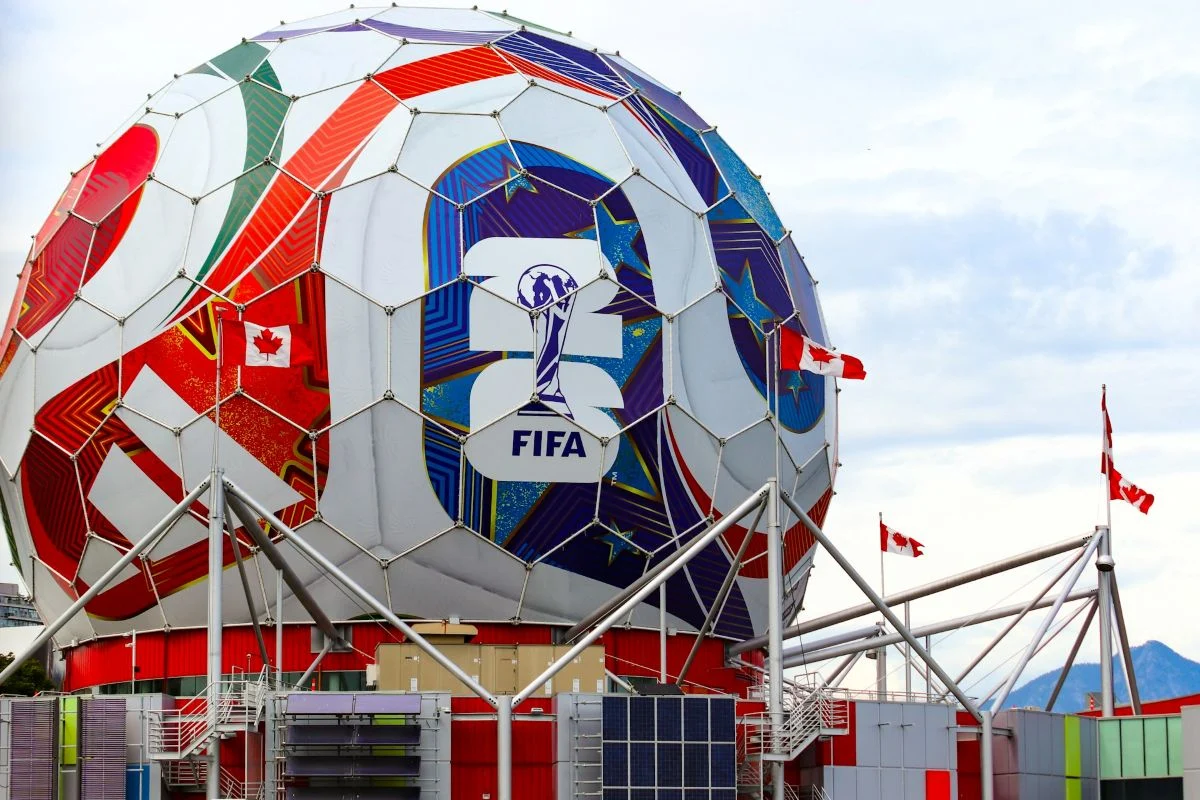
The competitive skies between airlines have long been a battleground for routes, pricing, and customer loyalty, but in an increasingly digital world, this rivalry extends far beyond airport terminals and into the realm of social media. A compelling case in point emerged in July 2019, when Norwegian Air, known for its disruptive low-cost model, publicly challenged British Airways, the UK’s venerable flag carrier, to a light-hearted but strategically significant wager ahead of a pivotal Women’s World Cup quarter-final match between England and Norway. This seemingly simple bet on Instagram—the losing airline displaying the winner’s logo on its social media channels for a day—unwittingly illuminated stark differences in brand philosophy, marketing agility, and the evolving dynamics of corporate communication in the digital age.
The Genesis of the Challenge: A World Cup Wager
The stage for this unique brand interaction was set by the 2019 FIFA Women’s World Cup, an event that was garnering unprecedented global attention and viewership. On Saturday, July 2, 2019, the tournament reached its quarter-final stage, featuring a highly anticipated clash between England’s Lionesses and Norway’s national team. Capitalizing on the nationalistic fervor and the competitive spirit inherent in such a high-stakes sporting event, Norwegian Air decided to infuse some playful rivalry into its social media strategy.
On Instagram, a platform increasingly favored by brands for direct consumer engagement and visual storytelling, Norwegian Air initiated the challenge. Its official account, @flynorwegian, posted a direct message to British Airways, @british_airways, with the provocative query: "Hey @british_airways, do you wanna make a bet?" The terms were straightforward and designed for maximum social media visibility: if England lost to Norway, British Airways would display Norwegian Air’s logo on its social media profile for 24 hours. Conversely, if Norway fell to England, Norwegian Air would prominently feature British Airways’ branding. This move was not just a casual taunt; it was a calculated maneuver to generate buzz, position Norwegian Air as a fun and engaging brand, and subtly prod its more established competitor.
Chronology of the Digital Duel
The initial Instagram post from Norwegian Air quickly gained traction, circulating among followers of both airlines and general football enthusiasts. The direct nature of the challenge, tagging British Airways, ensured that the message was unmissable by the target brand and its public relations team.
- July 2, 2019 (Pre-Match): Norwegian Air posts the initial wager on Instagram, directly challenging British Airways. The post quickly garners likes, comments, and shares, with users tagging friends and expressing anticipation for BA’s response.
- July 2, 2019 (Post-Challenge, Pre-Match): As the hours ticked by without an official response from British Airways, Norwegian Air continued its playful prodding. A subsequent post from Norwegian Air read, with a touch of feigned innocence, "Anyone heard from @british_airways while we slept??" This follow-up amplified the pressure on British Airways, framing their silence not as a strategic choice but potentially as an oversight or a reluctance to engage. This tactic effectively turned British Airways’ non-response into a narrative point, allowing Norwegian Air to control the evolving story.
- July 2, 2019 (Match Day): The quarter-final match between England and Norway takes place. England ultimately defeats Norway with a decisive 3-0 victory, advancing to the semi-finals. This outcome, had British Airways accepted the bet, would have meant Norwegian Air displaying BA’s logo.
- Post-Match: British Airways maintains its silence on the wager, neither acknowledging the challenge nor offering a congratulatory note to the winning team in relation to the bet. Norwegian Air, despite Norway’s loss, had effectively generated significant engagement and media attention simply by initiating the interaction and highlighting its competitor’s non-response.
Background Context: A Tale of Two Airlines
The contrasting approaches to this social media challenge are deeply rooted in the respective brand identities and market positions of Norwegian Air and British Airways.
Norwegian Air Shuttle ASA: Established in 1993, Norwegian Air has grown to become Europe’s third-largest low-cost carrier and the largest airline in Scandinavia. Its business model is characterized by aggressive expansion, competitive pricing, and a modern fleet, often directly challenging legacy carriers on popular routes, including transatlantic services. From a marketing perspective, Norwegian has cultivated an image as a dynamic, innovative, and often playful brand. Its campaigns frequently feature humor, direct appeals to consumers seeking value, and a willingness to engage in unconventional marketing stunts to stand out in a crowded market. This brand persona aligns perfectly with the proactive, slightly cheeky nature of the World Cup wager.
British Airways (BA): As the flag carrier of the United Kingdom, British Airways boasts a rich history dating back to 1974 (with roots in earlier British airlines). It operates as a full-service global airline, part of the International Airlines Group (IAG), and positions itself as a premium brand offering quality service, extensive network, and a sense of British heritage. Historically, BA has maintained a more conservative and dignified corporate image. Its marketing tends to focus on luxury, heritage, and reliability, rather than the quick, reactive, and often irreverent tone seen in low-cost carrier campaigns. While it has a significant social media presence, its engagement strategy typically aligns with its premium positioning, emphasizing customer service, destination promotion, and corporate announcements, rather than direct, playful challenges with competitors. This conservative approach, while maintaining brand consistency, can sometimes be perceived as slow or unresponsive in the fast-paced world of social media.
The Broader Landscape: Airline Competition and Social Media Marketing
The airline industry is fiercely competitive, with legacy carriers like BA constantly fending off challenges from agile low-cost carriers like Norwegian. Social media has emerged as a critical battleground in this contest.
- Marketing Agility: Low-cost carriers often leverage social media for cost-effective, high-impact marketing. Their ability to react quickly to current events, create viral content, and engage directly with consumers gives them an edge in generating organic reach and brand awareness without massive advertising budgets. This allows them to challenge the marketing dominance of larger, more resource-intensive competitors.
- Brand Voice and Tone: The incident highlights the differing brand voices adopted by airlines. While Ryanair, another low-cost carrier, is infamous for its overtly cheeky and sometimes confrontational social media presence, Norwegian’s approach is often seen as more subtly engaging and less aggressive, making its challenge to BA particularly effective. British Airways, by contrast, operates within a framework that prioritizes gravitas and consistency, making rapid, playful responses to competitors less likely.
- Risk and Reward of Social Engagement: For brands, engaging in public social media challenges carries both significant risks and rewards. A successful interaction can lead to viral exposure, positive brand perception, and increased engagement. However, a misstep can result in negative backlash, brand damage, or simply being ignored, which can be equally detrimental. British Airways’ decision to remain silent suggests a calculation of these risks, prioritizing brand integrity and avoiding a potential dilution of its premium image by engaging in a ‘street fight’ with a low-cost rival.
Analysis of Implications and Strategic Choices
Norwegian Air’s challenge, and British Airways’ subsequent silence, offers valuable insights into modern brand strategy:
Norwegian Air’s Strategic Acumen:
- Brand Reinforcement: The challenge perfectly reinforced Norwegian’s brand identity as a modern, fun, and accessible airline. It positioned them as a challenger unafraid to take on established giants.
- Cost-Effective Marketing: A social media wager costs virtually nothing but can generate significant organic reach, media mentions, and public discussion, far outweighing the cost of traditional advertising.
- Exploiting Current Events: Tying the challenge to a major global sporting event like the Women’s World Cup ensured high relevance and increased the likelihood of engagement from a broad audience.
- Creating a Narrative: By prodding BA for a response, Norwegian skillfully crafted a narrative around BA’s perceived "silence" or "conservatism," subtly highlighting a contrast with Norwegian’s own agility. Even without BA’s participation, Norwegian "won" by generating conversation.
British Airways’ Calculated Silence:
- Brand Consistency: For a premium legacy brand like British Airways, maintaining a consistent, dignified image is paramount. Engaging in a direct, playful wager with a low-cost competitor might have been perceived internally as undermining its premium positioning or "stooping to their level."
- Risk Aversion: Accepting the challenge, regardless of the outcome, would have involved displaying a competitor’s logo. This could be seen as brand dilution or an endorsement of a rival, a move often avoided by established brands.
- Avoiding Legitimation: Responding to Norwegian’s challenge would have, in a sense, legitimized the stunt and potentially encouraged similar future challenges from other competitors. By ignoring it, BA maintained its perceived ‘above the fray’ status.
- Focus on Core Business: BA’s public relations strategy likely prioritizes addressing customer service issues, promoting its routes, and managing its broader corporate image, rather than engaging in what could be viewed as a trivial marketing stunt.
- Perception of "Too Corporate": While strategically sound from a brand consistency perspective, the downside of BA’s silence is the risk of being perceived as unapproachable, "too corporate," or lacking a sense of humor, especially among younger, digitally native audiences who value authentic and responsive brand interactions. This is precisely the narrative Norwegian Air sought to create.
Official Responses and Industry Interpretations
While British Airways issued no official public statement regarding Norwegian Air’s wager, industry observers and marketing experts offered interpretations of their silence. Many suggested that BA’s decision was likely a deliberate and strategic one, rather than an oversight.
- Public Relations Experts: Professionals in brand management often noted that legacy brands operate under stricter brand guidelines and often have a more complex approval process for public-facing communications. A spontaneous social media wager might not fit within these established protocols. Furthermore, the potential negative implications of having a competitor’s logo on their channels, even temporarily, could be deemed too high a risk for a brand that invests heavily in its distinct identity.
- Marketing Strategists: Some analysts suggested that BA’s silence was a tacit acknowledgment of Norwegian’s agility in social media, but also a strategic refusal to play on Norwegian’s terms. By not engaging, BA denied Norwegian the full "win" of a direct interaction and avoided giving the challenger more visibility than it might otherwise achieve.
- Contrast with Other Brands: The incident drew comparisons to other brands that have successfully engaged in playful social media banter or even ‘brand wars’ (e.g., Wendy’s vs. McDonald’s, Oreo vs. other cookie brands). However, the airline industry, particularly for legacy carriers, often carries a higher degree of perceived seriousness due to safety regulations, significant financial investments, and national representation.
Broader Impact and Evolving Brand Dynamics
The Norwegian Air-British Airways wager, though small in scale, encapsulates several significant trends in modern marketing and brand communication:
- The Power of Social Media as a Disruptor: Social media platforms empower smaller, more agile brands to challenge established giants on an even playing field, often with minimal financial outlay.
- The Importance of Brand Authenticity and Responsiveness: Consumers, especially younger demographics, increasingly expect brands to be authentic, responsive, and willing to engage in real-time conversations. Brands that appear aloof or unresponsive risk alienating these audiences.
- The Dilemma of Legacy Brands: Traditional brands face a constant challenge in balancing their established, often conservative, image with the need to adapt to rapidly evolving digital communication norms. Finding the right balance between dignity and dynamism is crucial.
- The Rise of Sports Marketing in the Digital Age: Major sporting events provide fertile ground for brands to connect with national pride and collective enthusiasm, and social media amplifies these opportunities. The increasing popularity of women’s sports further broadens the scope for such engagements.
In conclusion, while England’s Lionesses ultimately triumphed over Norway in the Women’s World Cup quarter-final with a 3-0 victory, the more subtle battle between Norwegian Air and British Airways on Instagram offered its own compelling narrative. Norwegian Air’s audacious, playful challenge served as a masterclass in opportunistic social media marketing, leveraging a national event to reinforce its brand identity and draw attention to its competitor’s perceived rigidity. British Airways’ measured non-response, while perhaps sacrificing a moment of viral engagement, underscored its commitment to a long-cultivated conservative brand image. This digital duel, devoid of any actual logo swaps, nevertheless provided a fascinating case study in the ongoing evolution of airline competition and the complex strategic choices brands must navigate in the dynamic landscape of social media. It highlighted that sometimes, the greatest impact in marketing is not in the response, but in the challenge itself and the conversation it ignites.


 Chandra Hamzah
 Budi Mulyono
 Anjar Salim
