
 Gabriela Annisa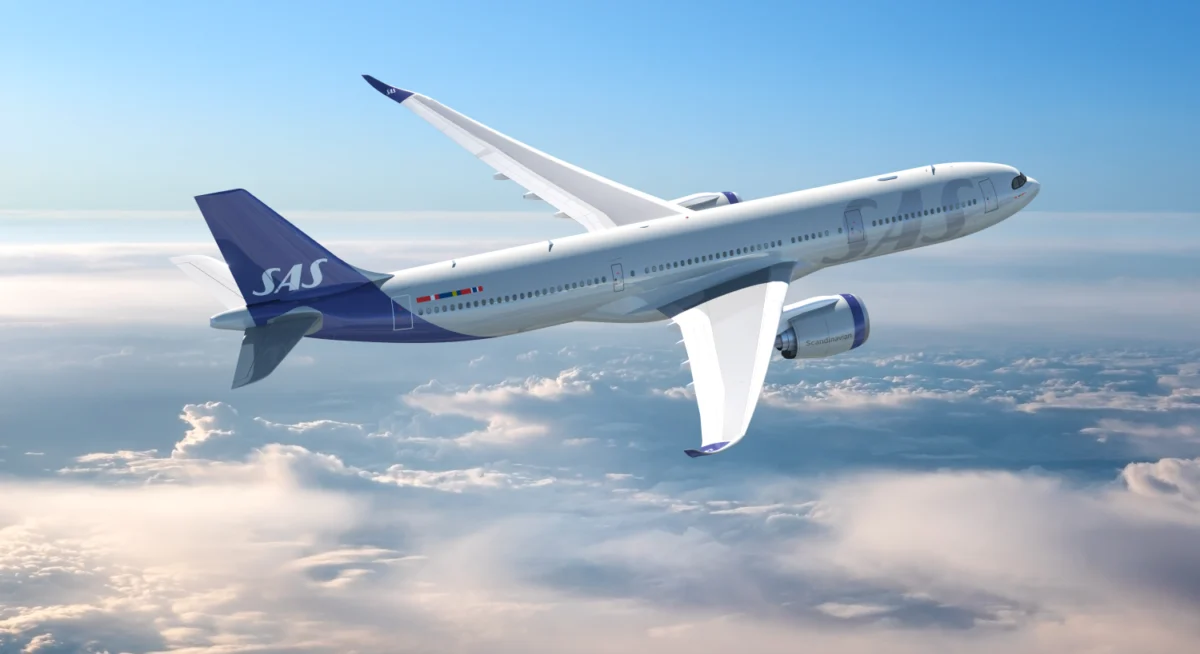
The recent strategic investment by the Air France-KLM Group into SAS Scandinavian Airlines marks a pivotal moment for the beleaguered Nordic carrier, signaling not only a profound financial restructuring but also ambitious plans for network expansion, particularly centered on its Copenhagen hub. This move is poised to reshape the competitive landscape of European aviation, cementing SAS’s future within a new alliance and leveraging Copenhagen Airport as a critical gateway for Air France-KLM’s Northern European strategy.
A New Chapter for SAS: From Financial Distress to Strategic Rebirth
SAS Scandinavian Airlines has navigated a tumultuous period marked by severe financial challenges, culminating in its filing for Chapter 11 bankruptcy protection in the United States in July 2022. The airline, a founding member of the Star Alliance, had been grappling with a heavy debt burden, high operating costs, and intense competition from low-cost carriers and other full-service airlines in the Nordic region. The COVID-19 pandemic exacerbated these pre-existing vulnerabilities, pushing the airline to the brink.
The "SAS Forward" restructuring plan was initiated to address these systemic issues, aiming to achieve annual cost savings of approximately SEK 7.5 billion (around €650 million) and convert SEK 20 billion (around €1.7 billion) of debt into equity. This comprehensive plan involved significant concessions from employees, renegotiation of supplier contracts, and a complete overhaul of its operational model. The search for new equity investors was a critical component of this strategy, essential for providing the capital injection needed to emerge from bankruptcy and secure long-term viability.
The Investment Consortium and Its Vision
In October 2023, a consortium led by Air France-KLM Group, private equity firm Castlelake, and Danish investment company Lind Invest, alongside the Danish state, emerged as the winning bidders in the SAS equity raise. The total investment amounted to approximately $1.175 billion, comprising $475 million in new equity and $700 million in convertible debt. Air France-KLM committed to investing $144.5 million, securing a 19.9% stake in the reorganized SAS. Castlelake became the largest shareholder with approximately 32%, while the Danish state retained a 25.8% stake, and Lind Invest held 8.6%.
This multi-faceted investment underscores a shared belief in SAS’s intrinsic value and its strategic importance within the Nordic market. For Air France-KLM, the investment is a clear statement of intent to expand its footprint in a crucial European region. Benjamin Smith, CEO of Air France-KLM, remarked on the strategic rationale, emphasizing the unique position of SAS with its strong brand, loyal customer base, and critical hubs in Copenhagen, Oslo, and Stockholm. He highlighted the potential for significant synergies through network integration and enhanced connectivity, particularly within the SkyTeam alliance.
Copenhagen: A Strategic Gateway to Northern Europe
The emphasis on Copenhagen as a central pillar of SAS’s future strategy, particularly under Air France-KLM’s influence, is not accidental. Copenhagen Airport (CPH) is strategically located at the crossroads of Northern Europe and serves as the largest airport in Scandinavia, handling over 30 million passengers annually in pre-pandemic years. Its geographical position makes it an ideal hub for connecting flights between North America, Asia, and the Nordic countries, as well as providing extensive intra-European connectivity.
For SAS, Copenhagen has historically been its primary long-haul hub, offering direct flights to destinations across the globe. The airport boasts modern infrastructure, efficient operations, and substantial capacity for growth. Air France-KLM’s investment is expected to bolster CPH’s status further, potentially leading to an increase in long-haul services operated by SAS and closer coordination with Air France and KLM’s extensive global networks via Paris-CDG and Amsterdam-Schiphol. This collaboration could see CPH evolve into a powerful northern European gateway complementing the existing major hubs of the Air France-KLM Group. The strategic goal is likely to funnel more transfer traffic through Copenhagen, leveraging SAS’s strong regional presence to feed Air France-KLM’s intercontinental routes and vice-versa, enhancing overall network reach and competitiveness against rivals like the Lufthansa Group.
The Alliance Shift: From Star to SkyTeam
One of the most significant and immediate implications of the Air France-KLM investment is SAS’s planned departure from the Star Alliance and its subsequent integration into SkyTeam. SAS has been a cornerstone of Star Alliance since its inception in 1997, and its departure marks a seismic shift in the global airline alliance landscape. This move is expected to take place during 2024, subject to regulatory approvals and the completion of the Chapter 11 process.
For SAS, joining SkyTeam offers access to a new, vast global network, enhanced connectivity for its passengers, and new commercial opportunities. It will enable seamless travel experiences with major SkyTeam carriers such as Delta Air Lines, Korean Air, China Eastern, and, most importantly, Air France and KLM. This transition will require significant operational adjustments, including changes to IT systems, loyalty programs (EuroBonus will likely align with SkyTeam’s frequent flyer programs), and interline agreements.
For SkyTeam, gaining SAS represents a substantial strengthening of its presence in Northern Europe, a region where its network has historically been less robust compared to Star Alliance. It provides SkyTeam with critical hubs in Copenhagen, Oslo, and Stockholm, allowing it to better compete for traffic flows across the transatlantic and intra-European markets. The addition of SAS’s brand recognition and network depth in Scandinavia is a significant strategic win for the alliance. Conversely, Star Alliance will need to reassess its Nordic strategy, potentially seeking to bolster existing members’ presence or explore new partnerships to fill the void left by SAS.
Fleet Modernization and Network Expansion: A Glimpse into the Future
The recent discussions about SAS’s new widebody aircraft orders, as highlighted in industry analysis, underscore the airline’s commitment to fleet modernization and long-term network growth. While specific details of these orders and their justification remain subject to strategic announcements, it is clear that Air France-KLM’s investment provides the financial stability necessary for such capital-intensive decisions. A modern, fuel-efficient widebody fleet is crucial for expanding long-haul operations, enhancing passenger comfort, and reducing operating costs and environmental impact.
Under the new ownership structure and within SkyTeam, SAS could strategically expand its long-haul network from Copenhagen, potentially adding new routes to North America or Asia that align with Air France-KLM’s broader network strategy. Synergies could also involve code-sharing agreements, joint ventures, and optimized scheduling to maximize connectivity and passenger flows across the combined networks. For instance, SAS’s strong intra-Nordic network could feed passengers onto Air France-KLM’s long-haul flights from Copenhagen, or vice-versa, creating a more integrated and competitive offering.
Reactions and Stakeholder Perspectives
The investment has been met with optimism by various stakeholders. SAS management views it as a lifeline, providing the necessary capital and strategic direction to emerge from Chapter 11 as a stronger, more competitive airline. Anko van der Werff, President & CEO of SAS, emphasized that the investment and the move to SkyTeam would enable SAS to "continue to be a strong and relevant player in the European aviation market for years to come."
The Danish government, as a continuing significant shareholder, has reaffirmed its commitment to SAS, recognizing the airline’s vital role in maintaining connectivity for Denmark and the broader Scandinavian region, which is crucial for trade, tourism, and national security. They view the investment as securing SAS’s future and ensuring access to essential air links.
From Air France-KLM’s perspective, the deal is a calculated strategic move to solidify its position as a leading European airline group. Benjamin Smith articulated the belief that "SAS brings a strong brand, a robust network, and loyal customers in Northern Europe to the Air France-KLM Group. This collaboration will benefit customers, employees, and shareholders."
Industry analysts generally view the transaction positively, noting that it provides SAS with a much-needed financial injection and a clear strategic path forward. However, they also point to the complexities of integrating SAS into SkyTeam and aligning its operational model with Air France-KLM’s standards, while managing potential cultural differences and competitive responses from rival airlines in the Nordic market, such as Norwegian Air Shuttle and Lufthansa Group.
Challenges and Opportunities Ahead
While the path forward appears clearer for SAS, significant challenges remain. The integration into SkyTeam and the operational alignment with Air France-KLM will require careful planning and execution to ensure a seamless transition for passengers and employees. Regulatory approvals from competition authorities in various jurisdictions are still pending and must be secured. Moreover, the Nordic aviation market remains highly competitive, with established low-cost carriers and other network airlines vying for market share. SAS will need to demonstrate its ability to control costs, innovate its product offering, and effectively leverage its new alliance benefits to thrive.
The opportunities, however, are substantial. A financially stable SAS, backed by a major European airline group and integrated into a powerful global alliance, can unlock new growth avenues. Enhanced network connectivity, access to a broader customer base, and potential for cost efficiencies through joint procurement and shared services with Air France-KLM could propel SAS into a new era of profitability and expansion. The strengthening of Copenhagen as a key hub under this new strategic vision positions it to become an even more significant player in the European and global aviation landscape.
In conclusion, the Air France-KLM Group’s investment in SAS Scandinavian Airlines is far more than a financial bailout; it is a strategic repositioning that promises to fundamentally transform SAS, elevate Copenhagen’s status as a critical European hub, and reconfigure the competitive dynamics of the global airline industry, particularly within the SkyTeam alliance. The coming years will be crucial in observing how these ambitious plans translate into tangible benefits for the airline, its stakeholders, and the millions of passengers it serves.




 Anjar Salim
 Chandra Hamzah
 Tatiana Tantri Indah Sari
 Budi Mulyono
 Lukman Taruna Persada Ramadan
