
 Susilo Edi Turonggo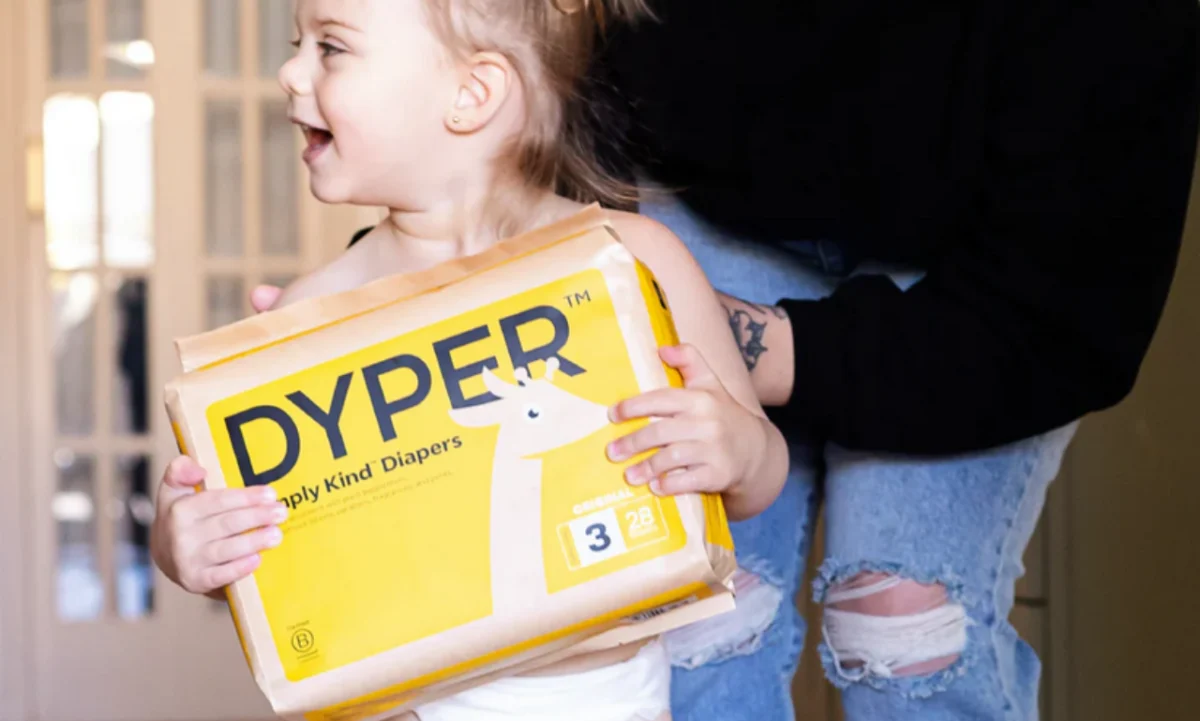
The modern marvel of the single-use disposable diaper, a staple in nearly every household with infants, presents a complex challenge at the intersection of public health, environmental sustainability, and consumer convenience. While offering unparalleled ease for busy parents, the sheer volume of waste generated by these products, coupled with concerns over their chemical composition, has spurred a critical re-evaluation of their societal cost. It is estimated that a typical baby will use approximately 6,000 diapers in their first two years of life, contributing significantly to a global waste stream that strains landfill capacity and poses long-term ecological threats. In the United States alone, disposable diapers account for millions of tons of municipal solid waste annually, with each diaper taking an estimated 250 to 500 years to decompose in a landfill environment, releasing methane and other greenhouse gases in the process. This unsustainable trajectory has catalyzed innovation, leading to the emergence of companies like Dyper, a pioneer in plant-based, compostable single-use diapers, dedicated to mitigating this pervasive problem.
The Unseen Burden: Environmental and Health Ramifications of Traditional Diapers
Beyond the visible overflow of waste bins, traditional single-use disposable diapers carry a substantial, often hidden, environmental and health burden. Their construction typically relies heavily on petroleum-derived plastics, synthetic gels, and chemical additives, many of which are far from benign. The core absorbent material, often sodium polyacrylate, while highly effective, is a superabsorbent polymer (SAP) derived from fossil fuels. The outer and inner layers frequently consist of polypropylene and polyethylene plastics, materials known for their durability but also their persistence in the environment.
The manufacturing process itself is resource-intensive, demanding significant energy, water, and raw materials, further contributing to their ecological footprint. A 2008 study by the Environment Agency in the UK estimated that disposable diapers have a higher carbon footprint than reusable cloth diapers, primarily due to the energy consumed in their production and disposal. When discarded, these diapers accumulate in landfills, where the anaerobic conditions prevent proper decomposition, instead causing them to persist for centuries. This not only consumes valuable land but also contributes to methane emissions, a potent greenhouse gas, as organic matter within the diaper breaks down without oxygen.
From a health perspective, the chemical cocktail present in many conventional disposable diapers has raised alarms among pediatricians, dermatologists, and environmental health advocates. Ingredients such as phthalates, used to make plastics more flexible, have been linked to endocrine disruption, potentially impacting reproductive development and function. Dioxins, by-products of the chlorine bleaching process used to whiten diaper pulp, are known carcinogens and can accumulate in the body. Fragrances, often added for marketing appeal, frequently contain undisclosed chemical mixtures that can trigger allergic reactions, skin rashes, and respiratory issues in sensitive infants. Volatile Organic Compounds (VOCs) like toluene, xylene, and ethylbenzene, detected in some diapers, are skin irritants and can pose respiratory risks. Even trace amounts of heavy metals, such as Tributyltin (TBT), an immunotoxicant, have been found.
The regulatory landscape governing diaper safety remains notably lax compared to other consumer products. The U.S. Consumer Product Safety Commission (CPSC), for instance, primarily mandates testing for lead content, leaving a vast array of other potentially harmful chemicals, including known carcinogens, endocrine disruptors, and skin sensitizers, largely unregulated and untested in this critical product category. This regulatory gap places the onus on consumers to research and choose products that prioritize safety and transparency, a challenging task for time-strapped parents. The profound implications for infant health, ranging from acute skin rashes and allergic reactions to potential long-term risks like endocrine and reproductive disorders, and even an increased risk of testicular cancer later in life, underscore the urgent need for safer alternatives.
The Genesis of a Solution: Tony Patron and the Birth of Dyper
The catalyst for change often arises from personal experience combined with a discerning eye for systemic problems. For Tony Patron, an engineer and new father, the overwhelming reality of diaper waste became acutely apparent as he observed his household waste bins overflowing each week with plastic-laden disposables. This visceral recognition of an unsustainable pattern, shared by his business partner, sparked a fundamental question: could there be a better way?

This pivotal moment marked the inception of what would eventually become Dyper. Patron, leveraging his engineering acumen, initially explored partnerships with existing companies manufacturing compostable diapers. However, the vision quickly evolved into something more comprehensive, leading to the merger and formation of Dyper. The company was founded on a dual commitment: to develop a high-performing, non-toxic diaper that would meet the practical demands of parenting, while simultaneously addressing the colossal environmental challenge posed by conventional disposables. This marked a significant departure from the status quo, aiming to redefine convenience not just in terms of ease of use, but also in terms of ecological responsibility.
The journey from concept to market involved rigorous research and development, focusing on materials science, product design, and supply chain integrity. The goal was clear: create a single-use diaper that performs comparably to market leaders in absorbency, fit, and comfort, yet without the chemical risks or the enduring environmental footprint. This commitment necessitated a deep dive into plant-based alternatives and a steadfast dedication to transparency and third-party validation.
Dyper’s Innovation: Plants Over Plastic for Happy Babies and a Healthier Planet
Dyper’s core philosophy, encapsulated in its mantra "plants over plastic for happy babies," drives every aspect of its product development and operational strategy. The company has meticulously engineered its diapers to be overwhelmingly plant-based, prioritizing materials that are renewable, sustainably sourced, and biodegradable.
A cornerstone of Dyper’s product is its use of US-grown, FSC-certified bamboo and eucalyptus fibers. The Forest Stewardship Council (FSC) certification ensures that the wood pulp used comes from responsibly managed forests, promoting environmental conservation and social benefits. The viscose bamboo is sourced from an Oeko-Tex certified supplier, guaranteeing that the raw material is free from harmful substances and safe for human use. Dyper goes further by labeling each layer of its diapers with specific component details, offering parents full transparency—a stark contrast to the often opaque ingredient lists of conventional brands. This commitment to disclosure empowers conscious consumers to make informed choices.
The brand’s dedication to natural materials is reflected in its USDA BioPreferred certifications: its diapers are a Certified USDA BioPreferred 55% Product, and its wipes boast an impressive Certified USDA BioPreferred 95% Product status. These certifications signify that a significant portion of the product’s content is derived from biological materials, not petroleum.
Beyond material composition, Dyper prioritizes product safety and performance through rigorous third-party testing. Its diapers meet stringent Oeko-Tex standards, further assuring the absence of harmful substances. The company also recently achieved the coveted DermaTest 5-Star Certification, an independent dermatological testing seal that guarantees the diapers will not cause skin reactions, providing immense reassurance for parents concerned about their baby’s delicate skin. This level of certification is critical, as diaper rash is a common ailment, and many parents attribute it to chemical sensitivities.
By consciously excluding harmful chemical additives, Dyper’s products are free from phthalates, latex, parabens, chlorine, alcohol, lotions, and other irritants commonly found in supermarket diapers. This focus on natural, hypoallergenic fibers is gentler on a baby’s skin, reducing the risk of irritation and allergic reactions. Furthermore, the high-performance design ensures that these sustainable diapers do not compromise on absorbency or leak protection, addressing a primary concern for parents who might otherwise hesitate to switch from conventional options. The commitment extends to packaging, with Dyper utilizing sustainable materials wherever possible to minimize its overall environmental footprint.
The REDYPER Program: Closing the Loop on Diaper Waste
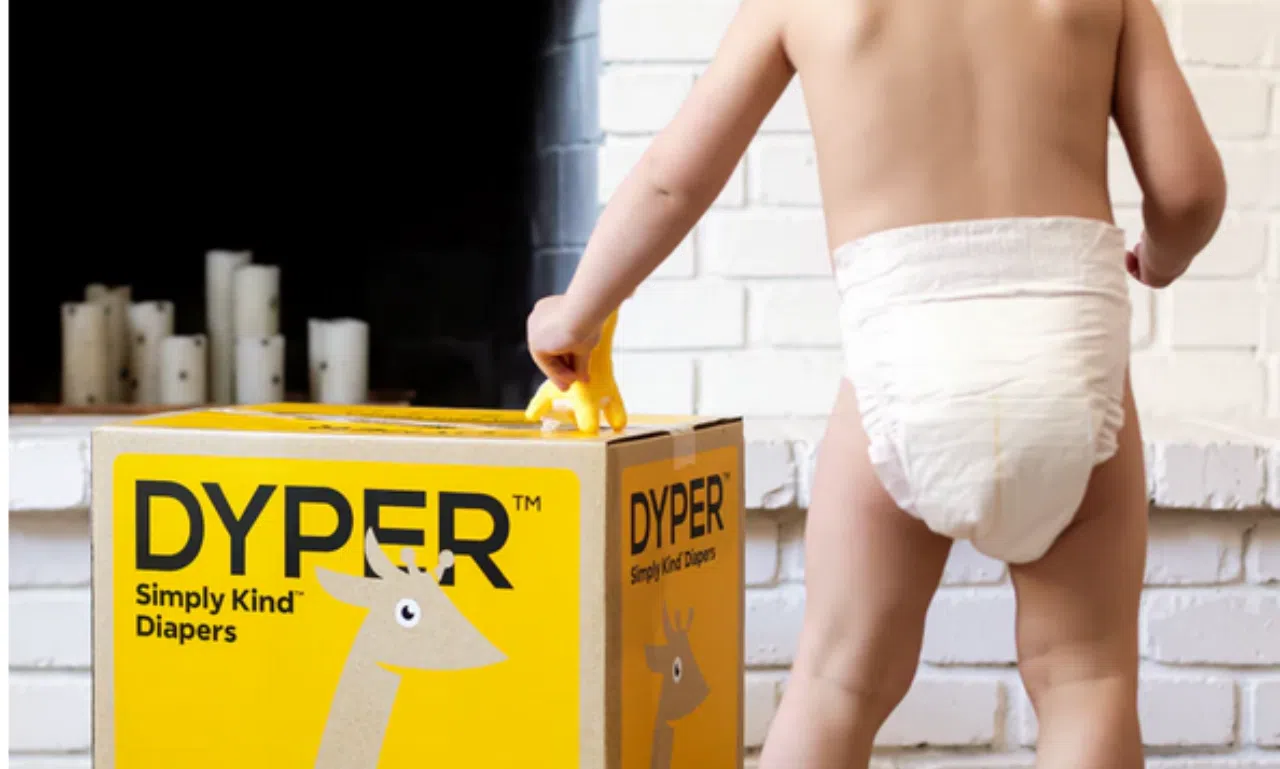
Recognizing that even biodegradable products can become environmental liabilities if not properly disposed of, Dyper introduced its groundbreaking REDYPER program. This optional, subscription-based service (availability varies by state) offers parents a convenient and responsible solution for used diapers and wipes. Instead of consigning them to landfills, REDYPER facilitates their collection and industrial composting.
The logistics of the REDYPER program are designed to be seamless for consumers. Subscribers receive special bags for collecting used diapers, which are then either shipped back to Dyper or picked up by a weekly or biweekly service, depending on the region. These collected materials are then transported to partner composting facilities. Industrial composting differs significantly from backyard composting; it utilizes carefully controlled conditions of heat, moisture, and aeration to accelerate decomposition, breaking down organic materials much faster and more efficiently.
Within these specialized facilities, Dyper’s plant-based materials can be broken down within 14 to 16 weeks, a stark contrast to the centuries required for conventional plastic diapers in a landfill. While the majority of the diaper components are compostable, some elements, such as the hook-and-loop fasteners (velcro), currently lack biodegradable alternatives with comparable performance. These non-compostable components are carefully removed from the compost stream and disposed of responsibly, ensuring the integrity of the finished compost.
The impact of the REDYPER program is tangible and significant. As of today, it has successfully diverted over 14 million pounds of waste from landfills, preventing millions of disposable diapers from polluting the environment for generations. This achievement not only demonstrates the viability of a circular economy model for challenging waste streams but also highlights the potential for consumer-driven initiatives to effect large-scale environmental change. The program addresses the critical missing link in the sustainable diaper ecosystem: a practical and scalable end-of-life solution. Without such a program, even biodegradable diapers would likely end up in landfills, where their decomposition would be severely hampered by the anaerobic conditions.
Broader Impact and Implications: Shifting the Paradigm of Infant Care
Dyper’s innovative approach extends beyond product development to challenge the entrenched norms of the entire infant care industry. By offering a high-performing, non-toxic, and compostable diaper alongside a practical disposal solution, the company is demonstrating that parents do not have to choose between convenience and sustainability. This integrated model sets a new benchmark for corporate responsibility and product lifecycle management.
The success of companies like Dyper also reflects a broader societal shift towards conscious consumerism. A growing segment of parents is increasingly aware of the environmental and health impacts of their purchasing decisions, driving demand for greener products across all categories. This market pressure, in turn, incentivizes other manufacturers to invest in sustainable innovation, fostering a more competitive and environmentally responsible industry landscape.
However, scaling such initiatives presents its own set of challenges. The infrastructure for industrial composting is not uniformly available across all regions, and the logistics of collecting and transporting used diapers for composting require significant investment and coordination. Dyper’s partnerships with regional composting facilities are crucial, but expanding this network nationwide and globally will be a complex undertaking. Consumer education also remains vital, as many parents may be unaware of the options available or the true environmental cost of traditional diapers.
Despite these challenges, the implications of Dyper’s model are profound. It offers a tangible pathway to significantly reduce one of the most persistent and problematic waste streams generated by households. It underscores the potential for thoughtful engineering and sustainable business practices to create products that benefit both human health and planetary well-being. By prioritizing plant-based materials, rigorous safety standards, and an innovative closed-loop disposal system, Dyper is not just selling diapers; it is cultivating a commitment to sustainability, transparency, and superior baby care, paving the way for a healthier future for infants and the environment they will inherit.




 Chandra Hamzah
 Tatiana Tantri Indah Sari
 Budi Mulyono
 Anjar Salim

