
 Anjar Salim
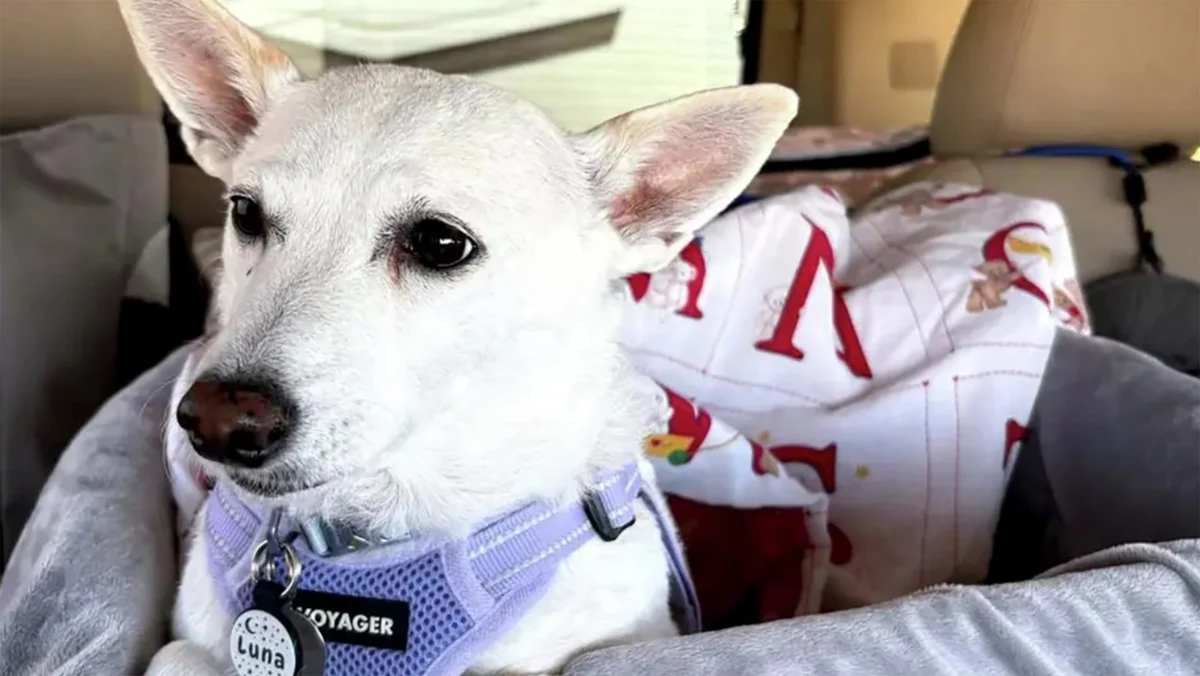
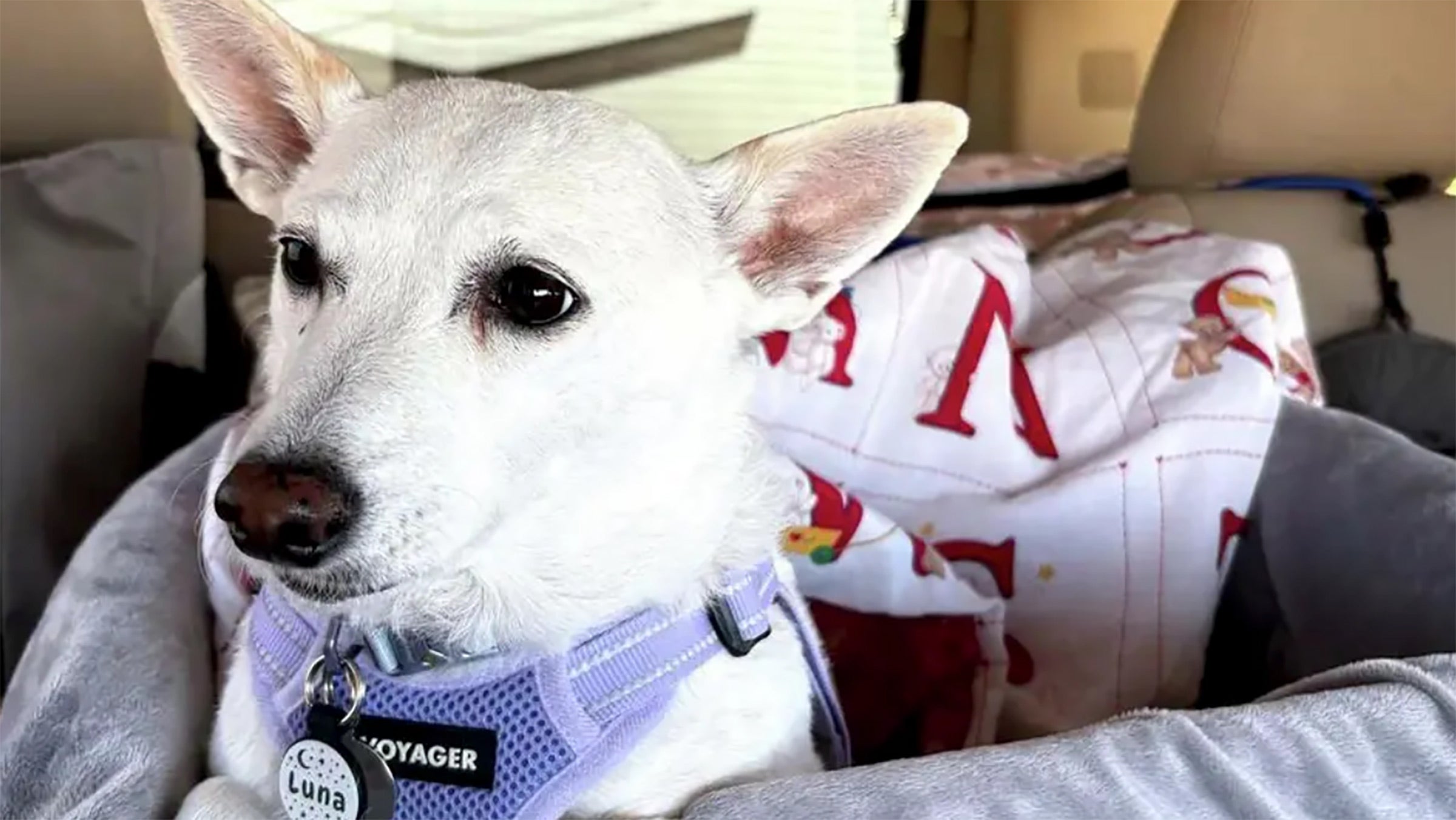
The rescue of Luna, a ten-year-old Jack Russell Terrier from California, stands as one of the most remarkable and improbable pet survival narratives in recent wilderness history. After vanishing into the rugged, predator-dense backcountry of Yellowstone National Park on September 10, 2026, Luna endured 34 days of freezing temperatures, unpredictable storms, and scarce resources before being safely recovered on the morning of October 14. Her successful extraction was the result of a meticulously coordinated, monthlong operation led by the Montana-based Norris Ark and Recovery Center, operating under special permits issued by the National Park Service.
While the dog’s tenacity captured the attention of animal lovers nationwide, her ordeal highlights the unique challenges of conducting complex animal rescues within federal parklands, as well as the profound survival instincts inherent to her breed. Luna’s journey from a terrified stray to a Yellowstone survivor, and finally to the waiting arms of her family, underscores a triumph of specialized wildlife tracking, canine resilience, and human dedication.
A Chronology of the Disappearance and Monthlong Search
The incident began on September 10, when Luna’s family was staying at a cabin within Yellowstone National Park. According to reports from the region, an open door by a housekeeping staff member allowed the dog to bolt into the surrounding wilderness. For the owners, a vacation turned into an agonizing ordeal. Compounding their distress, Yellowstone’s strict lodging regulations and the closure of seasonal accommodations forced the family to leave the park on September 22 after struggling to find legal overnight accommodations, as the park prohibits sleeping in vehicles or camping outside designated areas. Though departed, the family maintained close contact with recovery specialists, tracking every lead provided by park visitors and staff.
For the first few weeks, sightings of Luna were sporadic. She was frequently spotted lingering near park infrastructure, including lodges, cabins, and maintenance facilities, where human activity offered potential shelter and scraps of food. However, early attempts by witnesses to call out to her or approach her directly backfired. Animal behaviorists note that frightened dogs in unfamiliar, high-stress environments often slip into a primal survival mode, perceiving even well-meaning humans as threats rather than saviors.
By early October, the operation shifted from passive searching to active containment. Katie Boucher, president of the Norris Ark and Recovery Center, spearheaded the efforts on the ground. Obtaining a specialized trapping permit from the National Park Service, Boucher’s team utilized an advanced device known as a Missy Trap. Unlike traditional pressure-plate traps, this enclosure employs a remote-trigger mechanism monitored by specialists, allowing rescuers to close the gate manually at the optimal moment. Furthermore, construction crews working within Yellowstone played a vital role, granting the rescue team access to restricted zones normally closed to the public.
The turning point occurred as a cold front approached the region on October 11 and 12, bringing falling temperatures and a dusting of snow. Recognizing that Luna—a California native unaccustomed to alpine winter conditions—needed immediate shelter, Boucher adapted her strategy. She removed the remote-trigger equipment, leaving the trap open, and placed a small doghouse filled with grass inside the enclosure near the Canyon Village water treatment center. On October 13, a volunteer spotted Luna circling the area and resting nearby. By the morning of October 14, the dog had voluntarily settled inside the doghouse to wait out the elements.
The Dramatic Rescue and Emotional Reunion
On the morning of October 14, Boucher arrived at the trap alongside one of Luna’s owners, who had returned to the park in anticipation of a breakthrough. Instructed to approach the enclosure first, the owner offered a familiar presence before Boucher stepped in.
“When I walked down there, she was just barely sticking her nose out of the doghouse and just thinking about coming out,” Boucher recounted to media outlets. The ensuing private reunification between the dog and her owner was described as profoundly moving. Following the capture, Luna was immediately transported to a veterinary clinic in Bozeman, Montana, for a comprehensive medical evaluation.
Despite enduring more than a month in the wild, Luna’s physical and mental condition surprised her rescuers. Veterinarians and recovery staff noted that she had lost approximately ten pounds—roughly a significant portion of a small terrier’s body weight—during her 34 days away from home. Yet, her behavioral disposition remained remarkably upbeat. Boucher reported that the dog was in high spirits and visibly overjoyed to be reunited with her family, though the exhaustive monthlong effort had taken an emotional toll on the human rescuers as well.
Jack Russell Terriers and the Mechanics of Canine Survival
Luna’s ability to survive for over a month in a landscape populated by wolves, grizzly bears, coyotes, and severe weather patterns baffled many casual observers, but canine experts pointed to the deep genetic history of her breed. Alison Cook Cilliers, a longtime breeder operating Kimberlite Jack Russell Terriers in California, explained that Luna’s survival directly reflects the traits bred into the lineage over centuries.
“They work independently of us,” Cilliers noted, explaining that Jack Russell Terriers were historically bred to hunt underground, pursuing quarry into dens far out of reach of human handlers. Without a human present to direct their actions, these dogs developed high persistence, strong hunting instincts, and a profound, independent streak.
Cilliers contrasted Luna’s case with other famous canine survival stories, such as Finney, a Jack Russell Terrier who in 2024 survived 72 days in the Colorado mountains following a fatal hiking accident involving his owner. In that instance, Finney remained with his deceased owner, maintaining a fixed geographic anchor. Luna, conversely, was instantly separated from her family in a completely alien ecosystem. Lacking a home base, she was forced to rely entirely on instinct.
Intriguingly, Boucher noted that before becoming a pet, Luna spent approximately the first year of her life as a stray on the streets of California before being rescued by the SPCA. Recovery specialists believe that these early developmental experiences awakened long-dormant survival mechanisms. Luna knew how to find hidden shelter, forage for sustenance, and meticulously avoid perceived hazards. As Boucher summarized, “She does not need people and she knows it.”
Logistical Challenges in an Urban Wilderness Environment
The successful recovery of Luna sheds light on the complex administrative and environmental hurdles involved in wildlife and domestic animal rescue operations within national parks. Boucher categorized Yellowstone as an “urban wilderness environment,” where search teams must simultaneously navigate federal conservation laws, unpredictable meteorological events, high-volume tourism, active construction zones, and local wildlife populations.
Furthermore, time was running critically short for the rescue team. The specialized permits issued to Norris Ark by the National Park Service were slated to expire on October 31. Simultaneously, autumn weather in the Yellowstone region was deteriorating rapidly. Sub-freezing overnight temperatures and accumulating snow threatened to overwhelm an animal unequipped for northern winters.
Implications and Broader Impact
The safe return of Luna serves as a testament to the efficacy of professionalized animal recovery networks operating in coordination with federal land management agencies. While pet owners are strongly advised to maintain strict control of domestic animals in national parks—where pets are generally restricted to developed areas, parking lots, and roadways to protect both wildlife and domestic safety—accidents do happen.
The case also emphasizes the importance of utilizing specialized capture methods, such as remote-triggered Missy Traps, rather than relying on uncoordinated civilian pursuits that often drive frightened animals deeper into a flight response. As Luna recovers under veterinary care in Bozeman, her story closes a chapter of anxiety for her family and establishes a remarkable benchmark for wildlife rescue operations. For the rescuers who battled fatigue, regulatory hurdles, and approaching winter storms, the successful outcome reinforced the value of their grueling work. As Boucher reflected following the drive to Bozeman, the ability to restore a beloved animal to its family is a validation of perseverance against seemingly insurmountable odds.



 Gabriela Annisa

 Lukman Taruna Persada Ramadan

 Tatiana Tantri Indah Sari


 Dwi Wanna
