
 Budi Mulyono
The increasing reliance on artificial intelligence for travel planning has emerged as a significant security risk for Israeli citizens, as a series of detentions at Kuala Lumpur International Airport (KUL) reveals a dangerous disconnect between digital recommendations and geopolitical realities. Several young Israeli travelers have been detained by Malaysian authorities in recent months after allegedly using AI-driven chatbots and virtual assistants to verify the safety of transiting through Malaysia, a country with which Israel has no diplomatic relations. These incidents have prompted urgent warnings from Israeli officials, who emphasize that the digital convenience of AI cannot replace official government travel advisories, particularly in regions where regional conflicts have heightened security sensitivities.
The Role of AI Misinformation in International Travel
The recent string of detentions highlights a burgeoning trend in which travelers bypass traditional government websites in favor of large language models (LLMs) and AI assistants. In the most recent case, reported on Wednesday, two Israeli men and two Israeli women were stopped by Malaysian immigration officials while attempting to transit through Kuala Lumpur. The group was traveling from Thailand to the Philippines, a common route for backpackers in Southeast Asia. Upon their detention, the women in the group reportedly stated that they had consulted an AI assistant to determine if a layover in Malaysia was permissible for Israeli passport holders.
The AI tools, which often aggregate data from a wide variety of internet sources, may fail to account for the nuance of "airside" versus "landside" transit or the rapidly shifting diplomatic climate following the events of October 7, 2023. While some AI models may provide general information regarding international aviation norms—which typically allow for sterile transit without a visa—they frequently overlook specific national bans or heightened enforcement policies directed at specific nationalities. For Israeli citizens, this oversight proved costly, leading to hours of interrogation and the threat of indefinite detention or deportation.
A Chronology of Recent Detentions at Kuala Lumpur International Airport
According to data compiled by Ynet News and corroborated by diplomatic sources, at least eight Israeli citizens have been detained at Kuala Lumpur International Airport in the last several months. The timeline of these events suggests a tightening of scrutiny by Malaysian border authorities.
The incident involving the four travelers this week is the most significant in terms of scale. After arriving at KUL, the individuals were flagged during a routine document check. Despite their intentions to remain within the airport’s transit zone to catch a connecting flight to the Philippines, they were taken into custody. In previous cases, individuals have been held for varying lengths of time, with some being deported immediately back to their point of origin, such as Bangkok or Singapore, while others required high-level diplomatic intervention to secure their release.
These detentions are not isolated accidents but appear to be a reflection of a stricter enforcement policy. In several instances, travelers were dual nationals carrying a second passport from a Western nation. However, Malaysian authorities, upon discovering an Israeli passport in their possession or noting an Israeli place of birth in their secondary document, proceeded with detention regardless of the second nationality.
The Legal and Diplomatic Landscape: Malaysia and Israel
The core of the issue lies in the fact that Malaysia and Israel have never established formal diplomatic relations. Malaysia, a predominantly Muslim nation, has historically been one of the most vocal supporters of the Palestinian cause in Southeast Asia. This lack of recognition means there is no Israeli embassy or consulate within Malaysian borders to provide direct assistance to citizens in distress.
Unlike some Middle Eastern nations that have "Anti-Infiltration Laws" specifically criminalizing the entry of Israeli citizens (such as Syria or Lebanon), Malaysia does not have a specific statutory law that bans the physical presence of an Israeli person. However, administrative policies and immigration regulations effectively bar Israeli passport holders from entry. While "airside" transit—staying within the terminal without passing through immigration—is technically a gray area in international law, Malaysian authorities have the sovereign right to refuse even transit to individuals from countries they do not recognize.
The diplomatic friction has intensified significantly following the outbreak of the Israel-Hamas war in late 2023. The Malaysian government has been a leading critic of Israeli military actions, and public sentiment within the country has shifted toward a more hardline stance. This environment has led to what the Israeli National Security Council (NSC) describes as a "significant increase in hostility" toward Israelis, manifesting in both public discourse and administrative scrutiny at ports of entry.
Official Travel Advisories and the Level 4 Threat Rating
In response to the detentions, Israel’s National Security Council has reiterated its Level 4 (High Threat) travel advisory for Malaysia. This is the highest warning level issued by the state, placing Malaysia in the same risk category as enemy states like Iran, Iraq, and Yemen.
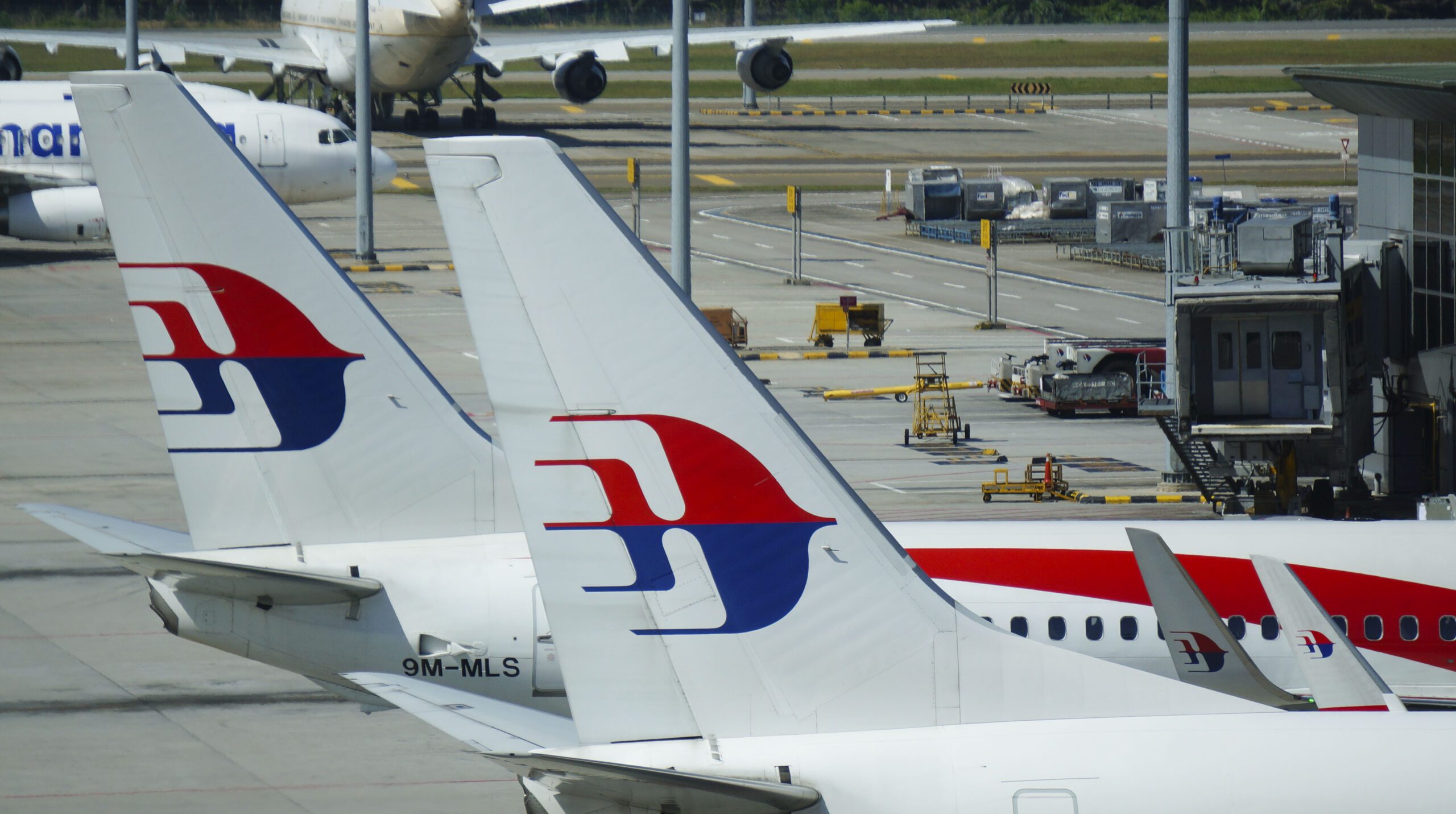
The NSC advisory is explicit: it prohibits Israeli citizens from visiting Malaysia and strongly recommends against transiting through any Malaysian airport. The council warns that the lack of diplomatic representation means the State of Israel has limited capacity to assist its citizens should they encounter legal or security issues. The advisory also notes that the risk extends to dual citizens. Even if a traveler enters on a European or American passport, the discovery of their Israeli identity can lead to immediate detention under suspicion of espionage or simply as a matter of national policy.
Official government spokespeople have expressed frustration that travelers are relying on unverified digital tools rather than the NSC’s dedicated travel portal. The portal provides real-time updates based on intelligence assessments and diplomatic reports, data points that AI algorithms are often not programmed to prioritize or access.
Diplomatic Intervention and the Role of the Singapore Embassy
Because Israel maintains no presence in Kuala Lumpur, the responsibility for resolving these detentions falls on the Israeli Embassy in Singapore. Ambassador Eliyahu Vered Hazan has been instrumental in negotiating the release of the eight citizens detained in recent months.
"All those detained had not broken any law or committed any offense," Ambassador Hazan told Ynet News. "The only reason for their detention was that they were Israeli."
The process of securing a release is often complex and delicate. It involves coordination between the Israeli Ministry of Foreign Affairs, the Singaporean authorities, and Malaysian immigration officials. In many cases, the embassy must arrange for the travelers to be placed on the next available flight out of the country, often at the traveler’s expense, while ensuring they are not subjected to formal criminal charges. Ambassador Hazan has warned that while the embassy has been successful so far, there is no guarantee that future detainees will be released so readily, especially if political tensions continue to escalate.
Analysis of Implications: The Dangers of "Digital Hallucinations" in Travel
The incidents at KUL serve as a case study for the broader risks of "AI hallucinations"—a phenomenon where AI provides confident but factually incorrect information. For a traveler, an AI might correctly state that Kuala Lumpur is a major global aviation hub with world-class transit facilities. However, it may fail to synthesize that information with specific, high-stakes geopolitical restrictions.
This situation also underscores a generational shift in how information is consumed. Younger travelers, often referred to as "digital natives," may perceive AI as a more "objective" or "efficient" source of information than government websites, which can be seen as overly cautious or politically motivated. In the context of international travel, this perception can be life-altering. The "efficiency" of finding a cheaper flight through a Kuala Lumpur layover via an AI search engine becomes a liability when it leads to a prison cell or a high-stakes diplomatic incident.
Furthermore, the Malaysian government’s stance reflects a broader trend of "traveler targeting" in a polarized global climate. As regional conflicts become more entrenched, the "neutrality" of international transit hubs is increasingly being challenged by national political agendas.
Conclusion and Recommendations for Travelers
The detention of Israeli citizens in Malaysia is a stark reminder that the digital world has not yet caught up to the complexities of international diplomacy. For Israelis, and indeed for any travelers from nations involved in sensitive geopolitical disputes, the following takeaways are critical:
- Prioritize Official Sources: AI assistants are not substitutes for the National Security Council or Ministry of Foreign Affairs advisories. Official sites provide the legal and security context that algorithms miss.
- Understand Sovereign Rights: International aviation agreements do not strip a nation of its right to refuse transit to specific individuals based on nationality, especially in the absence of diplomatic recognition.
- Dual Nationality is Not a Shield: In countries with high hostility levels, border agents are trained to look for indicators of original citizenship, such as place of birth or secondary documents.
- The "Airside" Myth: Being "airside" does not grant immunity from local laws. Travelers are still under the jurisdiction of the host country the moment they land on the tarmac.
As the Israeli government continues to monitor the situation, the message to its citizens remains clear: avoid Malaysia entirely, including its airspace and transit lounges. For the broader traveling public, the lesson is equally vital: verify AI-generated advice with human-verified, official government data before embarking on international journeys through sensitive regions.




 Anjar Salim
 Chandra Hamzah
 Tatiana Tantri Indah Sari
 Lukman Taruna Persada Ramadan
