
 Chandra Hamzah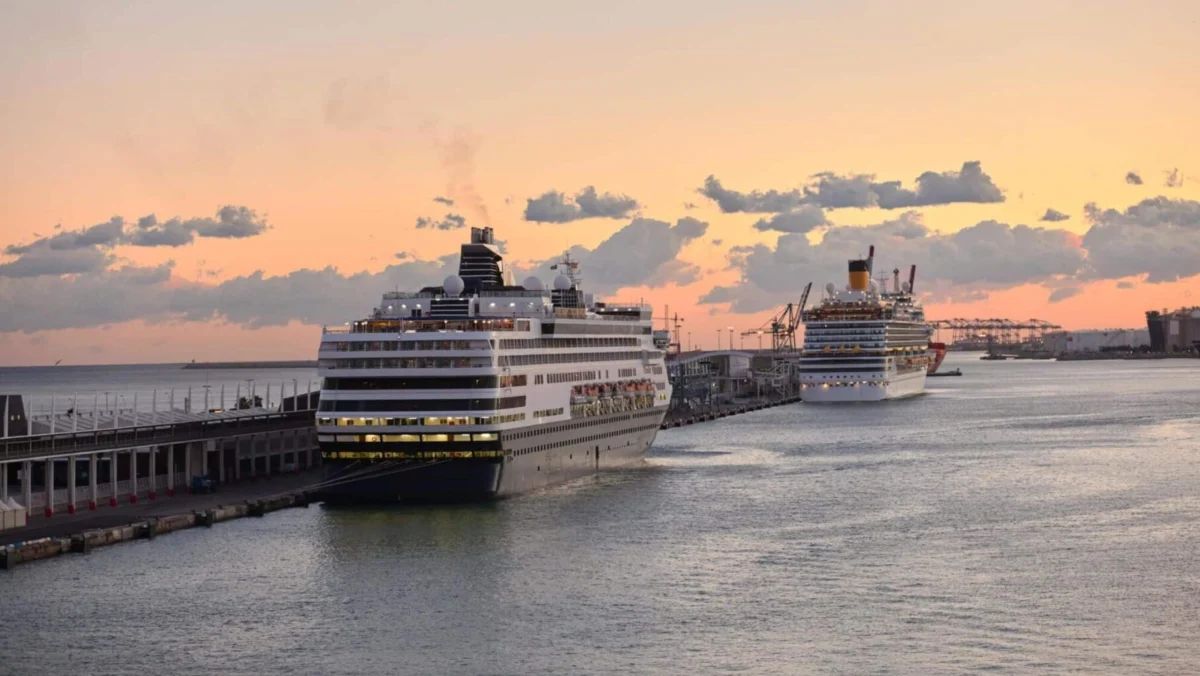
The recent docking of Royal Caribbean International’s Legend of the Seas in Barcelona marks a pivotal moment, extending far beyond the mere introduction of another colossal cruise vessel. This event represents a strategic gamble by the world’s largest and most technologically advanced cruise line to confront and potentially reshape perceptions in one of Europe’s most vocally anti-cruise cities. Barcelona, a global epicenter for overtourism concerns, has become synonymous with the challenges posed by mass tourism, with images of protests against visitor influxes frequently making international headlines. City authorities have responded by implementing stricter cruise policies, curtailing terminal capacity, and consistently questioning the long-term role of mega-ships within the city’s urban fabric. In this charged environment, Royal Caribbean’s decision to deploy its newest flagship, the Legend of the Seas, directly into this ongoing debate is a remarkable and bold statement, one that the entire cruise industry will be observing with intense anticipation.
Europe’s First Icon Class Ship Navigates Turbulent Waters
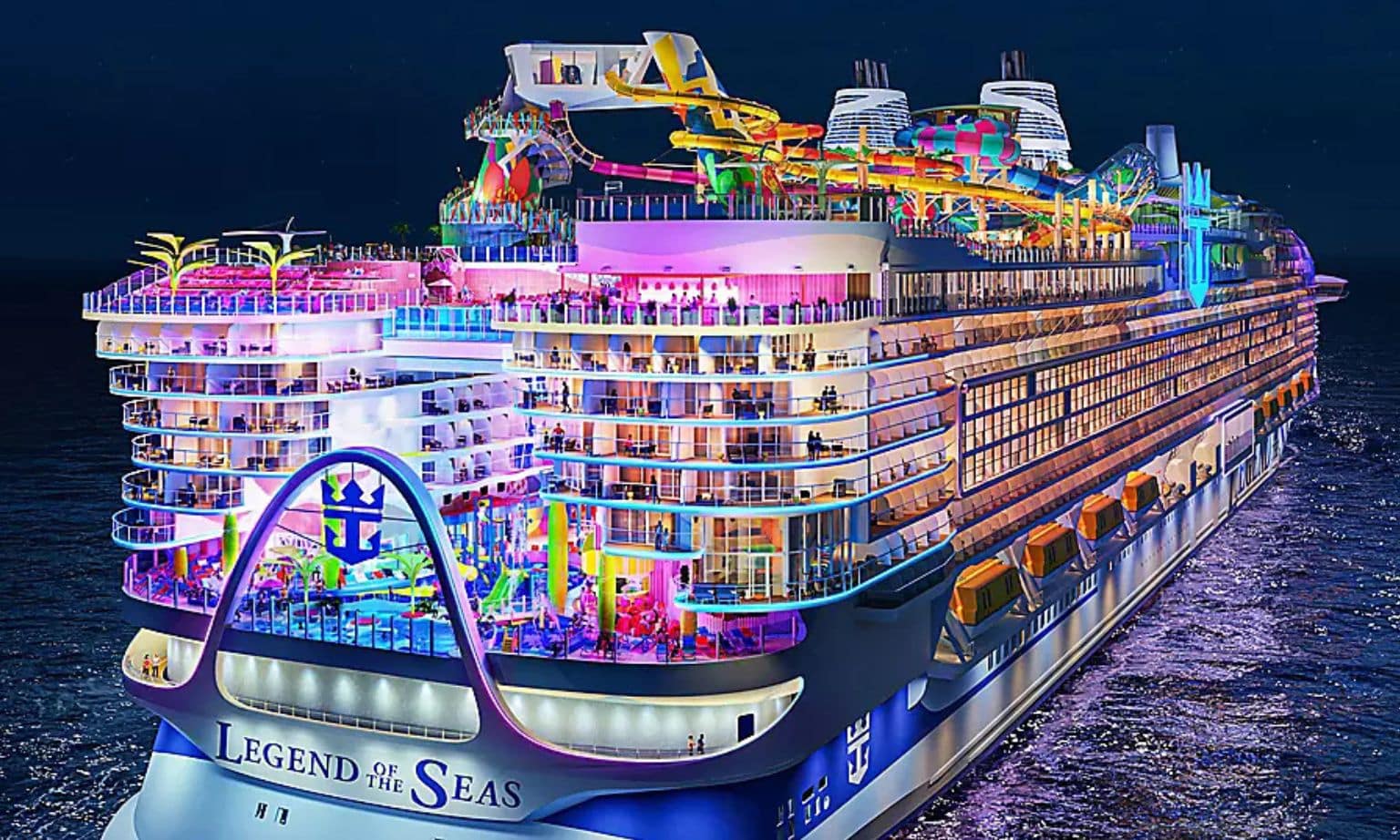
The Legend of the Seas is the third vessel in Royal Caribbean’s groundbreaking Icon Class, but it holds the distinction of being the first designed specifically for an inaugural season in Europe, diverging from the traditional Caribbean focus of its predecessors. Following a media preview voyage that commenced in Malaga, the ship has now begun its initial passenger sailings, charting a course between Rome and Barcelona before its eventual repositioning to Florida later this year.
Michael Bayley, President and CEO of Royal Caribbean, has been at the forefront of discussions aboard his latest leviathan, emphasizing Europe’s integral role in the Icon Class narrative from its inception. When the Legend of the Seas was initially announced, Bayley described her as "the next bold step" for the company. He further articulated, "We look forward to bringing the revolutionary line-up of experiences to more families and adventurers across Europe, the Caribbean and beyond." The deployment of an Icon Class ship to European waters was, in his view, an inevitable progression. The crucial question, however, remains: can Europe, and particularly a city as discerning as Barcelona, embrace these colossal vessels with the same enthusiasm seen in the American market? While Icon Class ships have consistently broken records in the Caribbean, their reception in Europe, a continent with a more complex and often critical stance on cruise tourism, presents a distinct challenge.
Barcelona’s Complex Relationship with the Cruise Industry
Barcelona stands as a prime example of a city that profoundly benefits from cruise tourism, with millions of visitors disembarking annually. These passengers contribute significantly to the local economy, patronizing hotels, restaurants, taxi services, museums, and retail establishments. The city serves as one of Europe’s most vital homeports, generating thousands of jobs within the tourism sector. However, Barcelona has also emerged as one of the most vocal critics of mass tourism. Despite cruise ship passengers representing a relatively small fraction of the city’s overall visitor numbers, they have become a highly visible symbol of the overtourism phenomenon.
Successive municipal administrations in Barcelona have implemented measures aimed at curbing cruise ship growth, citing concerns over congestion, environmental pollution, and the strain on housing resources, arguing that these negative impacts outweigh the economic benefits. Public demonstrations have become increasingly prominent, with anti-tourism activists employing symbolic acts, such as using water pistols to spray tourists, to draw attention to the perceived negative consequences of excessive visitor numbers.
Against this backdrop, the arrival of a 250,000-gross-ton floating resort capable of accommodating over 5,000 passengers might appear provocative. Alternatively, it could signify a new approach and a potential turning point in the industry’s engagement with destinations grappling with overtourism.
A New Generation of Environmentally Conscious Mega-Ships
Royal Caribbean contends that the Legend of the Seas represents a significant departure from previous generations of cruise ships, particularly in its environmental footprint. In line with its Icon Class sisters, the vessel is powered by liquefied natural gas (LNG), a fuel choice that dramatically reduces sulfur emissions and significantly cuts down on particulate matter and nitrogen oxides. Furthermore, the ship is designed with future adaptability in mind, capable of operating on bio-LNG as supplies become more readily available. It incorporates advanced waste management systems, is equipped for shore-power connectivity where available, and features energy-efficient hull and propulsion technologies.
While environmental groups and critics acknowledge the advancements, they also raise valid points regarding the potential for methane slip from LNG, and debate whether it should be considered a transitional fuel rather than a definitive long-term solution. Nevertheless, there is a broad consensus that Icon Class vessels represent the most environmentally advanced large cruise ships currently in operation. This technological leap is particularly significant in a city like Barcelona, where environmental concerns are at the forefront of discussions surrounding cruise tourism.
In a demonstration of its advanced engineering and design, the Legend of the Seas executed a breathtaking maneuver beneath Denmark’s Great Belt Bridge, navigating with a mere 30 centimeters of clearance. This feat, which captivated global audiences and went viral, was more than just a spectacular maritime spectacle. It underscored a new reality in cruise ship engineering, where vessels are continuously growing in size while simultaneously striving to meet increasingly stringent environmental promises, all under public scrutiny. The fundamental question for the industry is whether it can sustain this upward trajectory in vessel size while maintaining public and governmental support. The Great Belt Bridge passage was achieved through a combination of retractable funnels, precise ballast water management, and a carefully controlled speed, showcasing a remarkable feat of maritime engineering and a testament to the ship’s innovative design.

Scaling Up: Efficiency Over sheer Numbers?
Royal Caribbean presents another compelling argument: the Legend of the Seas does not necessarily translate to an increase in the sheer volume of tourists, but rather a more efficient deployment of capacity. The company suggests that this single, larger vessel can effectively replace several smaller ships, thereby delivering greater economic value per port call. The cruise industry is increasingly encouraging passengers to extend their stays, arriving days before embarkation or remaining in destinations for a period post-disembarkation. This strategy aims to generate overnight hotel stays and broader tourism spending, shifting the focus from transient day visitors to more engaged travelers. Barcelona, with its rich cultural offerings and appeal as a pre- and post-cruise destination, is ideally positioned to benefit from this extended visitor engagement. Therefore, a single call from the Legend of the Seas could potentially yield more substantial economic benefits to the city than multiple calls from smaller, less amenity-rich vessels.
Industry Acclaim for the Icon Class
Early reviews from reputable cruise publications have been overwhelmingly positive, suggesting that Royal Caribbean has once again set a new benchmark in cruise ship design and experience. Cruise Critic lauded the Legend of the Seas as a refined iteration of an already highly successful formula, commending its appeal to families, its diverse entertainment options, innovative "neighborhood" design, and extensive dining choices. The publication highlighted the European deployment as a crucial step in introducing the Icon Class experience to a new demographic of travelers.
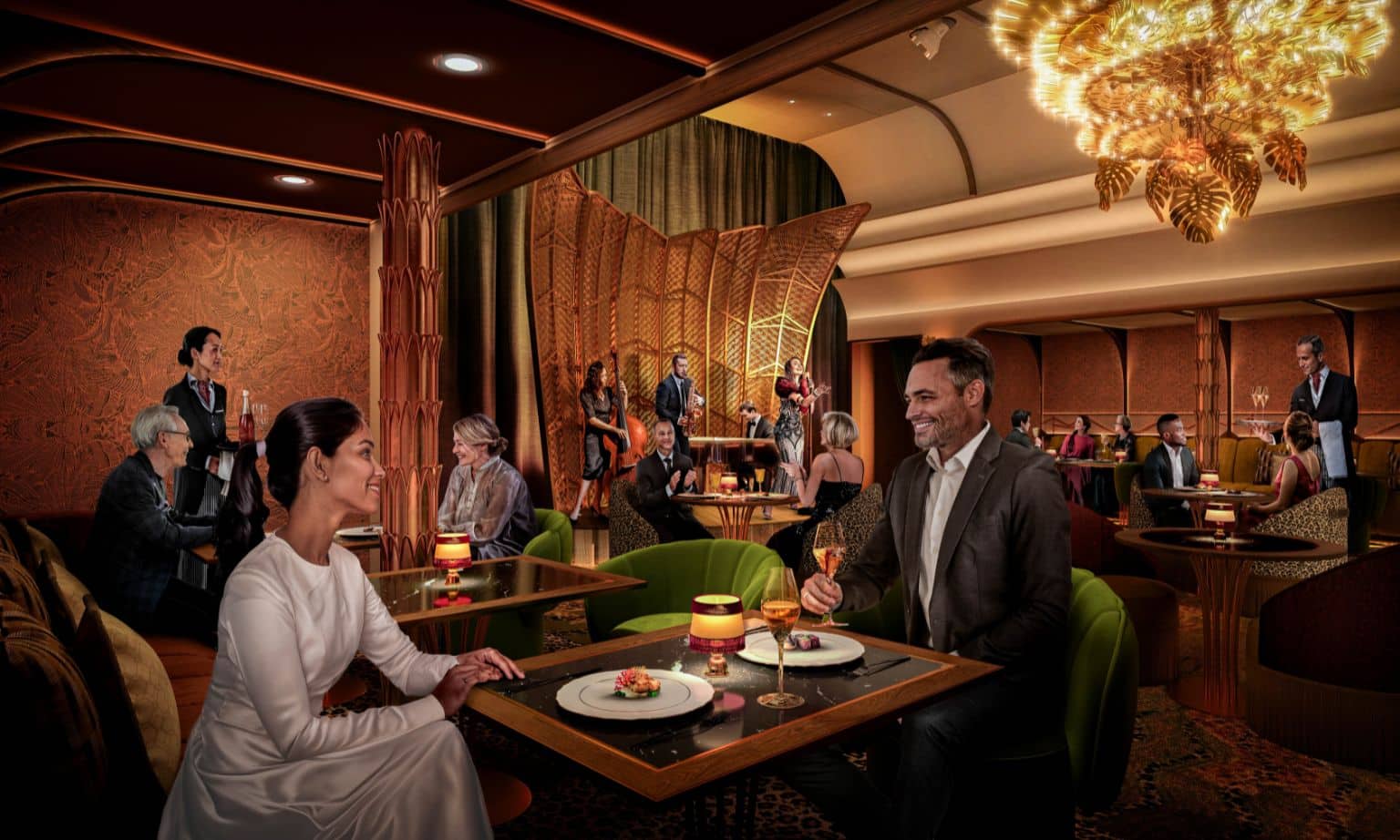
Similarly, The Times, after experiencing a preview voyage, declared the Legend of the Seas "the world’s most technologically advanced ship." The newspaper praised its enhanced propulsion systems, bio-LNG capabilities, upgraded entertainment offerings, and an extraordinary array of attractions, including suspended swimming pools and immersive dining experiences. While acknowledging that the ship’s high-energy atmosphere might not appeal to all, the review concluded that it significantly pushes the boundaries of contemporary cruising possibilities. The Icon Class has already demonstrated immense popularity in North America, with demand consistently exceeding projections. Europe now represents the next critical testbed for this innovative class of vessels.
The Crucial Role of Optics and Public Perception
For Royal Caribbean, Barcelona presents a dual scenario of significant risk and potential reward. If the Legend of the Seas becomes another focal point for overtourism criticism, her sheer scale will be cited as evidence that cruise lines have failed to learn from past mistakes. However, if the ship can effectively showcase its cleaner technologies, demonstrate responsible operational practices, and attract passengers who contribute meaningfully to the local economy during extended stays, it could play a vital role in reshaping the ongoing discourse surrounding cruise tourism.
In recent years, cruise lines have made substantial investments, totaling billions of dollars, in cleaner propulsion systems, shore power compatibility, and more efficient environmental technologies. No other vessel currently in operation better embodies this commitment than the Legend of the Seas.
A Defining Summer for European Cruising
The current Mediterranean cruising season is poised to become one of the industry’s most closely scrutinized experiments. The significance of the Legend of the Seas‘s presence in Barcelona is not solely derived from its status as the world’s largest ship or the passenger numbers it carries. Instead, its importance lies in its audacious attempt to achieve something few cruise ships have managed before: to sway public opinion in a city that has become the global face of anti-cruise sentiment.
Whether Barcelona ultimately embraces the Legend of the Seas or merely tolerates her presence could offer profound insights into the future trajectory of European cruising, and indeed, the broader evolution of the cruise industry itself. The success of this endeavor will be a key indicator of the industry’s ability to adapt to evolving societal expectations and environmental imperatives.



 Anjar Salim
 Tatiana Tantri Indah Sari
 Budi Mulyono
 Lukman Taruna Persada Ramadan
