
 Tatiana Tantri Indah Sari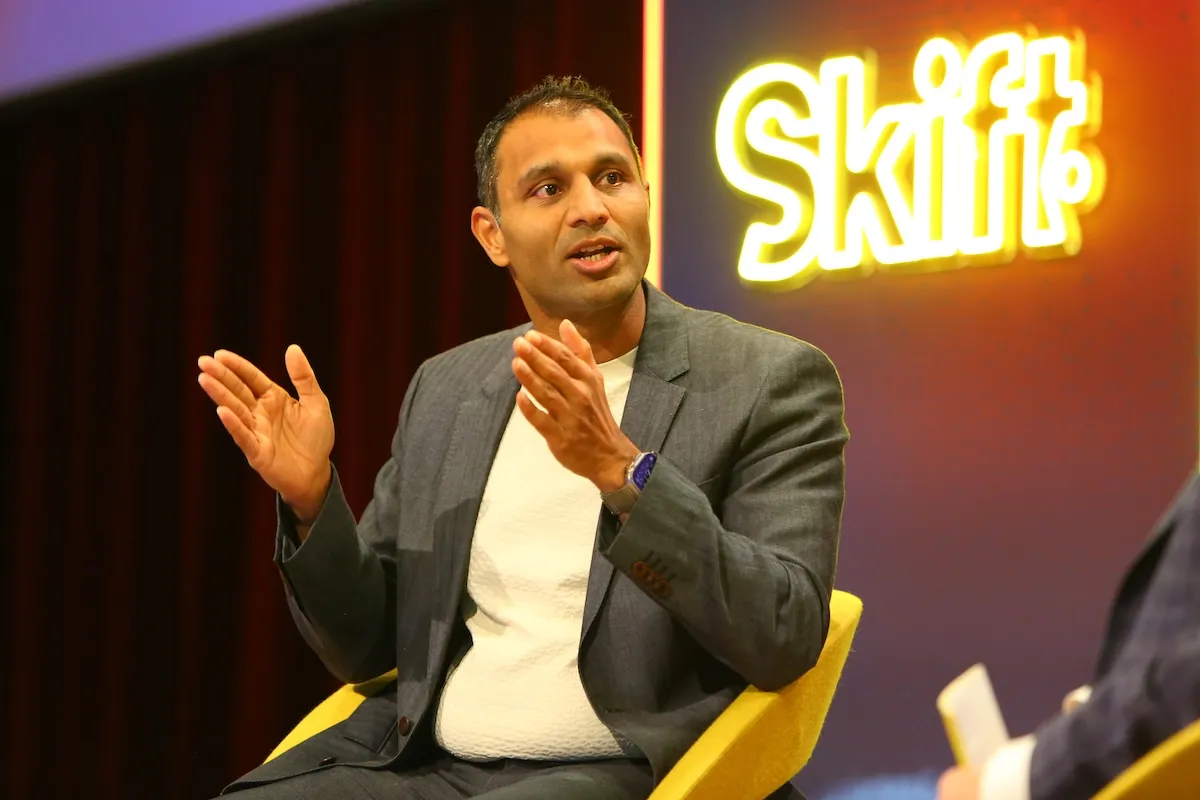
The landscape of technology implementation, particularly within software development, is undergoing a profound transformation, with many of the most pressing issues in artificial intelligence (AI) adoption now being organizational rather than purely technological. This paradigm shift marks a critical juncture for enterprises globally, as the once formidable engineering challenge of code writing rapidly diminishes thanks to advanced AI capabilities, only to be replaced by complex human and collaborative bottlenecks. The industry is grappling with how to effectively integrate AI-powered tools into existing workflows, highlighting a need for significant adjustments in team structures, communication protocols, and talent development.
From Code Creation to Human Oversight: The Evolving Bottleneck
Historically, the meticulous and often time-consuming process of writing code has been a primary engineering bottleneck in software development cycles. Developers spent countless hours on syntax, debugging, and boilerplate generation, with project timelines frequently dictated by the speed and efficiency of manual coding. However, the advent of sophisticated AI-powered code assistants, leveraging large language models (LLMs), has drastically altered this dynamic. Tools like GitHub Copilot, Amazon CodeWhisperer, and Google’s AlphaCode can now generate vast swathes of functional code in minutes, if not seconds, dramatically accelerating the initial coding phase.
This technological leap, while promising immense productivity gains, has not eliminated bottlenecks; rather, it has relocated them further down the development pipeline and into the realm of human interaction and organizational process. Vipul Hingne, Interim Chief Technology Officer at Booking.com, articulated this evolving challenge succinctly: "Now the bottleneck becomes humans reviewing the code and making sure it’s there. Then the next step in the process is deploying the code and verifying w." His observation underscores a critical shift: the focus has moved from creating code to validating, integrating, and managing AI-generated code within a broader, complex system. This includes ensuring quality, security, ethical compliance, and seamless deployment across diverse teams and environments.
The Rise of AI Code Assistants: A Brief Chronology
The journey towards AI-assisted code generation has been incremental, building upon decades of research in artificial intelligence and machine learning.
- Early 2000s: Integrated Development Environments (IDEs) began incorporating basic code completion and syntax highlighting features, offering the first taste of automated assistance.
- Mid-2010s: Machine learning started to be applied to more complex code analysis, leading to smarter refactoring tools and rudimentary bug detection. The emergence of deep learning models, particularly advancements in natural language processing (NLP), laid the groundwork for understanding and generating human-like text.
- Late 2010s: Transformer models, introduced in 2017, revolutionized NLP and paved the way for highly capable language models. Research began exploring their application to code.
- 2021: GitHub Copilot, developed in collaboration with OpenAI, was unveiled as one of the first widely accessible AI pair programmers. It demonstrated the capability to generate entire functions and code blocks from natural language prompts, marking a significant milestone.
- 2022-Present: The rapid proliferation of similar tools from major tech players (Amazon CodeWhisperer, Google’s efforts) and startups solidified AI code generation as a mainstream capability. These tools have matured, offering broader language support, improved accuracy, and tighter integration with development workflows.
This rapid technological advancement has indeed delivered on the promise of accelerated code generation. According to a 2023 study by GitHub, developers using Copilot completed tasks 55% faster than those who didn’t, showcasing a tangible increase in coding velocity. However, this speed often comes with new complexities that require sophisticated human oversight.
Data-Driven Insights: Quantifying the Shift
While the speed benefits of AI in code generation are becoming increasingly evident, data also highlights the persistent and growing challenges on the organizational front. A 2023 survey by McKinsey & Company on AI adoption revealed that while 70% of organizations reported adopting AI in at least one business function, only a fraction reported widespread integration and sustained value creation. Key barriers cited often included "lack of talent with necessary skills," "organizational resistance to change," and "unclear ROI," underscoring that the hurdles are less about the AI’s technical capability and more about the human and systemic capacity to leverage it.
Further reports indicate that while AI can generate code quickly, the quality, security, and maintainability of that code are not guaranteed. A study published in 2023 by researchers from Stanford and Google found that while AI-generated code could pass basic tests, it often contained subtle bugs or security vulnerabilities that required meticulous human review to identify and rectify. This suggests that the speed gains in initial code generation might be partially offset by increased time spent on quality assurance, security auditing, and integration testing, pushing the bottleneck to these critical human-centric processes.
Moreover, a 2022 Gartner survey indicated that poor collaboration and communication remain primary causes of project delays and failures in software development, even before the widespread adoption of advanced AI code generation. With AI now injecting potentially less familiar or less optimized code into projects, the need for robust cross-team collaboration—between developers, QA engineers, security specialists, and operations teams—has intensified, making organizational friction a more pronounced impediment than ever before.
The Human Element: New Skills and Collaborative Paradigms
The shift towards AI-augmented development necessitates a recalibration of skills and a rethinking of collaborative paradigms.
- Prompt Engineering: Developers are no longer just coding; they are becoming "prompt engineers," tasked with crafting precise and effective instructions for AI models to generate desired code. This requires a different kind of logical thinking, an understanding of AI capabilities and limitations, and an ability to iteratively refine prompts.
- Critical Review and Vetting: As Vipul Hingne noted, human review becomes paramount. Developers must possess advanced critical thinking skills, a deep understanding of software architecture, and an eye for potential pitfalls (e.g., performance issues, security vulnerabilities, adherence to coding standards, intellectual property concerns) that AI-generated code might introduce. This role demands an even higher level of expertise in code quality and system design.
- Cross-Functional Collaboration: The integration of AI into the development lifecycle requires unprecedented levels of collaboration. Development teams must work hand-in-hand with cybersecurity experts to audit AI-generated code for vulnerabilities, with legal teams to ensure compliance and intellectual property rights, and with operations teams for seamless deployment and monitoring. The silos that traditionally existed between these functions are becoming untenable.
- Change Management: Organizations must proactively manage the cultural shift associated with AI adoption. This includes addressing anxieties about job displacement, fostering a learning mindset, and creating clear guidelines for human-AI interaction in daily workflows. Without effective change management, resistance from employees can severely hinder AI implementation efforts.
Industry Voices and Expert Perspectives
Beyond Booking.com, leading figures in the technology industry are echoing these sentiments. "The biggest challenge isn’t training the AI model; it’s training our people and processes to work effectively with the AI model," stated the Chief Technology Officer of a prominent Silicon Valley unicorn, who wished to remain anonymous to speak candidly about internal challenges. "We’ve seen our developers become incredibly productive, but that productivity can quickly be undone if our quality assurance, security, and integration teams aren’t equally empowered and aligned."
Project management experts are advocating for new agile methodologies that explicitly account for AI integration. "Traditional sprint planning needs to evolve," explained Dr. Evelyn Reed, a leading consultant in agile transformation. "We need to allocate dedicated time for AI-generated code review, validation, and potential refactoring, rather than just assuming it’s ‘done’ when the AI outputs it. This requires more dynamic resource allocation and stronger communication channels between specialized teams."
Human Resources and Learning & Development departments are also recognizing the urgency. "The skills gap isn’t just about finding AI specialists; it’s about upskilling our existing workforce to be AI-literate," commented Maria Gonzalez, VP of HR at a global financial services firm. "We’re investing heavily in training programs for prompt engineering, AI ethics, and advanced code auditing to ensure our teams can effectively partner with these new tools."
Security and compliance officers are particularly vocal about the new risks. "AI-generated code, while efficient, can inadvertently introduce security flaws that are hard to detect through traditional static analysis tools alone," warned Alex Chen, Chief Information Security Officer at a large e-commerce platform. "We’re seeing a push towards more sophisticated AI-driven security auditing tools, but ultimately, the human security architect’s oversight is irreplaceable for critical systems."
Broader Implications: Reshaping the Future of Work and Technology Governance
The implications of AI shifting technological bottlenecks to organizational ones extend far beyond software development, reshaping the future of work and technology governance across industries.
- Workforce Transformation: This evolution will lead to the creation of new roles (e.g., AI ethics specialists, AI solution architects, AI auditors) and the redefinition of existing ones. The emphasis will move from rote task execution to higher-order cognitive skills such as critical thinking, problem-solving, creativity, and interpersonal communication.
- Organizational Design: Hierarchical, siloed organizational structures may become less effective. Companies will need to foster more fluid, adaptive, and cross-functional teams that can quickly collaborate and iterate. This might necessitate a move towards more networked organizational models.
- Risk and Ethics: The rapid generation of code by AI brings new ethical considerations and risks. Issues such as algorithmic bias embedded in generated code, intellectual property rights for AI-produced content, and the potential for AI "hallucinations" (generating plausible but incorrect code) require robust governance frameworks, clear policies, and ongoing human oversight.
- Strategic Imperatives for Businesses: Companies can no longer view AI adoption merely as a technological upgrade. It requires a holistic strategic approach encompassing talent development, cultural transformation, process re-engineering, and a renewed focus on inter-departmental collaboration. Those that fail to address these organizational facets risk seeing their AI investments yield suboptimal returns, or worse, introduce new inefficiencies and risks.
Conclusion: Navigating the Next Wave of Digital Transformation
The promise of AI to revolutionize software development is undeniable, but its true impact will be measured not just by its technical prowess, but by an organization’s ability to adapt its human capital and operational structures. The shift of bottlenecks from technical code writing to human review, cross-team collaboration, and strategic oversight is a clear signal: the next wave of digital transformation is inherently organizational. Companies that recognize this distinction and invest in fostering a culture of collaboration, continuous learning, and robust governance will be best positioned to harness the full potential of AI, turning what could be a new set of impediments into powerful accelerators for innovation and growth. The future belongs to organizations that master the art of human-AI partnership, understanding that technology’s greatest challenges are often found not in the circuits, but in the connections between people.




 Anjar Salim
 Chandra Hamzah
 Budi Mulyono

