
 Tatiana Tantri Indah Sari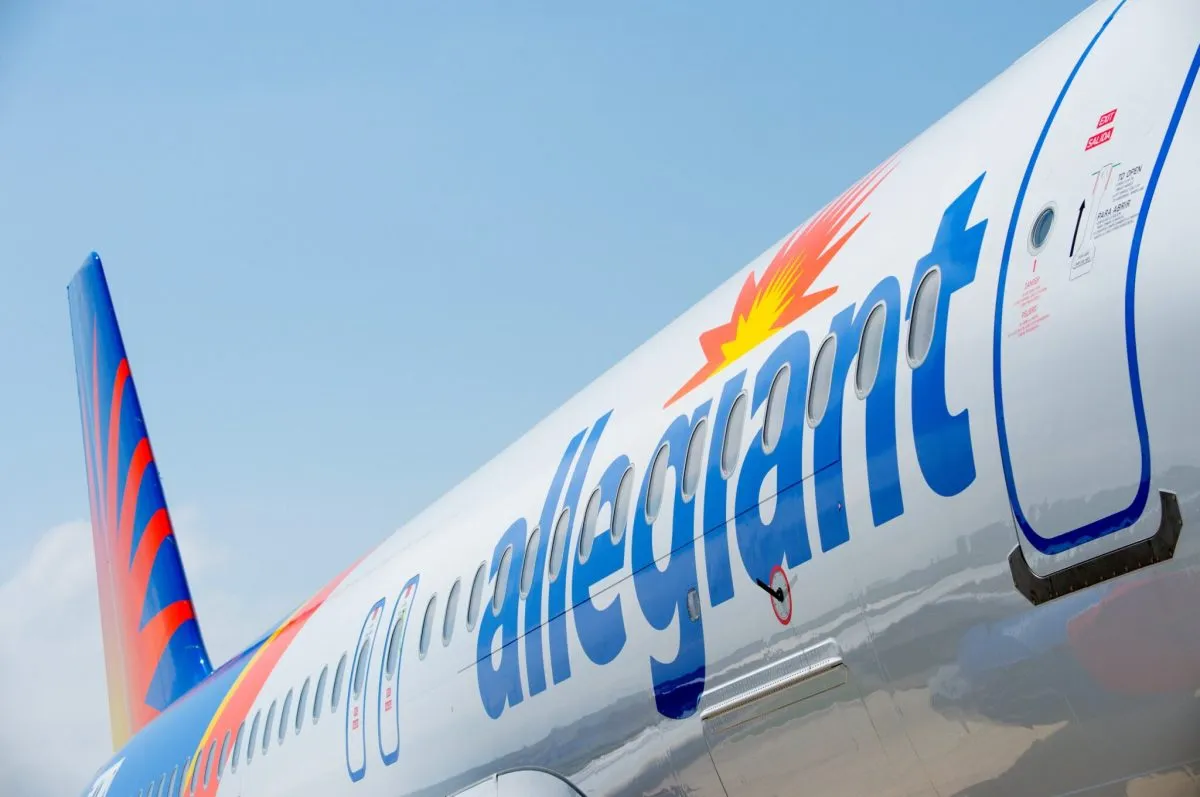
Allegiant Air, a prominent leisure-focused airline, has significantly revised its financial outlook for the second quarter, now projecting a substantial profit following the successful completion of its strategic merger with Sun Country Airlines. This optimistic forecast, detailed in an SEC filing on Tuesday, marks a considerable turnaround from previous guidance, which had anticipated a loss. The carrier attributes this positive shift primarily to robust passenger demand and a welcome moderation in jet fuel prices observed towards the end of the quarter.
The updated guidance indicates an adjusted earnings per share (EPS) of $1.25 for the second quarter. This stands in stark contrast to earlier projections that had forecast an adjusted loss per share of 50 cents. The revised outlook explicitly incorporates the financial performance of Sun Country Airlines, underscoring the immediate impact and anticipated synergies of the recent merger. This upward revision sends a strong signal to investors and the market about Allegiant’s operational strength and strategic foresight amidst a dynamic post-pandemic travel landscape.
Revised Financial Outlook and Underlying Drivers
The dramatic swing from an expected loss to a solid profit highlights several key factors influencing Allegiant’s performance. Foremost among these is the sustained strength of leisure travel demand across the United States. Following the severe disruptions of the pandemic, the airline industry has witnessed a powerful resurgence in leisure bookings, often termed "revenge travel," as consumers prioritize experiences and vacations. Allegiant, with its business model specifically tailored to this segment, connecting smaller, underserved markets to popular vacation destinations, is particularly well-positioned to capitalize on this trend.
The airline’s operational agility, combined with effective revenue management strategies, has allowed it to maximize seat utilization and pricing power. This strong demand environment has translated directly into higher load factors and improved yields, boosting top-line revenue performance. Furthermore, the inclusion of Sun Country’s operations in the financial forecast suggests that the merged entity is already beginning to realize synergistic benefits, whether through expanded network reach, optimized fleet utilization, or shared operational efficiencies.
The second critical factor cited by Allegiant is the moderation of jet fuel prices in June. While global energy markets have remained volatile, a notable easing in crude oil and subsequently jet fuel costs has provided some relief to airlines, whose operating expenses are heavily influenced by fuel prices. Airlines typically hedge a portion of their fuel needs, but spot market prices and overall trends significantly impact profitability. This downward trend in fuel costs, even if observed late in the quarter, contributes positively to the bottom line by reducing a major variable expense.
The Strategic Merger with Sun Country Airlines
The completion of the merger with Sun Country Airlines is a cornerstone of Allegiant’s revised profitability forecast and represents a significant strategic expansion. While details of the merger’s structure and precise timeline were not extensively elaborated in the immediate SEC filing, the announcement of its completion and inclusion in the financial outlook indicates a pivotal moment for both carriers. Typically, airline mergers are complex undertakings, involving regulatory approvals, integration of operations, and harmonization of corporate cultures. The speed with which Allegiant is already reporting positive financial contributions from Sun Country suggests either a highly efficient integration process or a pre-existing strong financial position for Sun Country that immediately augments the combined entity.
Background Context and Rationale: The rationale behind such mergers often includes achieving economies of scale, expanding route networks, consolidating market share, and realizing cost synergies. For Allegiant, known for its focus on ultra-low-cost leisure travel, integrating Sun Country—which also operates a hybrid model serving leisure travelers, charters, and cargo—could offer a complementary fit. This combination potentially allows for an expanded footprint in key leisure markets, access to new customer segments, and greater operational flexibility. For instance, Sun Country’s charter operations might provide a diversified revenue stream, while its presence in specific regions could bolster Allegiant’s existing network.
Timeline and Integration: While a precise public timeline for the merger’s conception and finalization was not detailed in the given excerpt, the fact that its financial performance is already being integrated into Allegiant’s Q2 guidance implies a completion sometime within or immediately preceding the second quarter. This swift integration into financial reporting suggests that the strategic planning for combining these entities was well underway, allowing for a relatively rapid accounting consolidation. Successful integration typically involves aligning reservation systems, maintenance operations, crew scheduling, and administrative functions. The positive financial forecast indicates that the early stages of this integration are proceeding favorably, minimizing potential disruptions often associated with large-scale mergers.
First Quarter Performance as a Precedent
The improved outlook for the second quarter follows a robust performance in the first quarter, where Allegiant reported an operating margin of 14.9%. This figure was notably the highest among all U.S. carriers, underscoring Allegiant’s exceptional operational efficiency and profitability in the highly competitive airline sector.
Analysis of Q1 Strength: Allegiant’s strong Q1 performance was likely driven by several factors that continued into Q2. Its asset-light business model, which often involves flying less-frequent schedules to smaller, lower-cost airports, minimizes overheads. The airline’s emphasis on ancillary revenues—charges for seat assignments, baggage, and other services—also significantly boosts profitability beyond basic ticket fares. Furthermore, the sustained demand for leisure travel during the typically strong spring break season undoubtedly contributed to high load factors and strong pricing power in the first three months of the year. This impressive Q1 showing set a high benchmark and established a foundation of operational excellence that has evidently carried forward.
Comparing Allegiant’s 14.9% operating margin to other major U.S. carriers in Q1 provides crucial context. While specific Q1 operating margins for all competitors are not provided, major airlines like Delta, United, and American often operate with thinner margins, especially as they contend with higher labor costs, more complex international networks, and significant capital expenditures. Low-cost carriers like Southwest and Spirit also strive for high margins but often face different market dynamics. Allegiant’s ability to achieve the highest operating margin signifies its superior cost control, efficient revenue generation, and effective management of its niche market segment.
Fuel Price Dynamics and Industry Impact
Jet fuel prices represent one of the largest and most volatile cost components for airlines, often accounting for 20-30% of total operating expenses. The price of jet fuel is intrinsically linked to crude oil prices, which have experienced extreme fluctuations over the past year due influenced by geopolitical events, supply chain disruptions, and global demand shifts.
Q2 Fuel Costs vs. Current Averages: Allegiant stated that it paid approximately $4.20 per gallon for jet fuel during the second quarter. This figure is significantly higher than the current U.S. average for jet fuel, which stands at around $2.87 per gallon. This discrepancy highlights the lag effect in fuel pricing and the dynamic nature of the market. While the current average has decreased, the bulk of Allegiant’s Q2 fuel purchases would have occurred earlier in the quarter when prices were still elevated. The "moderating fuel prices in June" specifically refers to a downward trend observed towards the end of the quarter, which would have contributed to a more favorable outlook for the latter part of Q2 and potentially into Q3.
The impact of moderating fuel prices, even if only for part of the quarter, is substantial. A reduction of even a few cents per gallon can translate into millions of dollars in savings for an airline over a quarter, directly bolstering profitability. Airlines employ various strategies, including fuel hedging contracts, to mitigate price volatility, but these instruments offer only partial protection. Therefore, a general downward trend in spot prices is always a welcome development for the industry.
Broader Industry Context: The airline industry has been grappling with persistently high fuel costs since late 2021, exacerbated by geopolitical tensions in Eastern Europe. These elevated costs have pressured margins across the board, leading many carriers to implement fuel surcharges or adjust fares upwards. The recent moderation, if sustained, could alleviate some of this pressure, allowing airlines to potentially lower fares to stimulate demand further or reinvest in operations, thereby fostering a more stable operating environment.
Market Reactions and Investor Confidence
While the SEC filing did not include direct statements from analysts or investor reactions, the upward revision of financial guidance from a loss to a profit is typically met with a positive response from the market. Such news generally instills greater investor confidence, often leading to an uptick in the company’s stock price. It signals management’s effective strategy execution and its ability to adapt to changing market conditions.
For Allegiant, this positive forecast underscores the success of its business model and the strategic benefits derived from the Sun Country merger. Investors often look for clear signs of growth and profitability, especially from companies operating in cyclical industries like aviation. The strong Q1 performance, coupled with the Q2 profit projection, suggests a healthy financial trajectory for Allegiant, positioning it as an attractive investment within the airline sector. Analysts are likely to re-evaluate their price targets and ratings for Allegiant based on this revised outlook, potentially upgrading their assessments as the company demonstrates its ability to generate substantial shareholder value.
Broader Implications for the Airline Industry
Allegiant’s strong performance and optimistic outlook offer valuable insights into the broader health and direction of the post-pandemic airline industry. The continued strength in leisure demand, as evidenced by Allegiant, suggests that consumer willingness to travel remains high despite inflationary pressures and economic uncertainties. This segment of the market appears more resilient than business travel, which is still recovering more slowly due to the rise of remote work and virtual meetings.
The success of low-cost and ultra-low-cost carriers like Allegiant also highlights the enduring appeal of affordable travel options. In an environment where consumers are increasingly budget-conscious, airlines that can offer competitive fares while maintaining profitability are likely to thrive. Allegiant’s focused strategy on leisure markets, often bypassing congested major hubs for smaller, more efficient airports, allows it to maintain lower operating costs and pass some of those savings onto passengers, thereby stimulating demand.
However, the industry still faces headwinds. Labor shortages, particularly among pilots and air traffic controllers, continue to strain operational capacity. Supply chain issues can delay aircraft deliveries and maintenance. Geopolitical instability remains a wildcard for fuel prices. Despite these challenges, Allegiant’s ability to pivot to profitability demonstrates that well-managed airlines with clear strategic advantages can navigate complex operating environments and deliver strong financial results. This performance could set a positive precedent for other leisure-focused carriers and potentially influence broader industry investment decisions.
Allegiant’s Business Model and Future Outlook
Allegiant Travel Company operates a distinctive business model centered on connecting travelers in smaller, underserved cities to popular leisure destinations, primarily in Florida, Las Vegas, and other vacation hotspots. Its strategy involves flying less-frequent, point-to-point routes, typically two to three times a week, which allows for greater aircraft utilization and lower operating costs compared to hub-and-spoke models. The airline also generates a significant portion of its revenue from ancillary services, selling everything from hotel packages and car rentals to priority boarding and assigned seats, transforming itself into a comprehensive vacation provider.
Future Outlook: Looking ahead, Allegiant’s integration of Sun Country’s operations could unlock further growth opportunities. The combined entity might explore new leisure markets, enhance existing route densities, or even expand its charter and cargo operations, diversifying its revenue streams. The airline’s continued focus on cost discipline, coupled with its proven ability to capture leisure demand, positions it well for sustained profitability.
Potential challenges include managing the complexities of integrating two distinct airline operations, continued volatility in fuel prices, and the broader economic climate. While leisure travel has shown resilience, a significant economic downturn could impact discretionary spending on vacations. However, Allegiant’s value proposition often becomes even more attractive during periods of economic constraint, as consumers seek more affordable travel options. The airline’s strategic moves and robust performance suggest a proactive approach to these challenges, aiming to solidify its position as a leading player in the leisure travel market.
Conclusion
Allegiant Air’s revised second-quarter forecast, projecting a profit of $1.25 adjusted EPS, marks a significant financial achievement and a testament to its strategic acumen. Driven by the successful integration of Sun Country Airlines, robust leisure travel demand, and moderating fuel prices in June, this outlook reverses previous expectations of a loss. Building on a stellar first-quarter performance that yielded the highest operating margin among U.S. carriers, Allegiant is demonstrating remarkable operational efficiency and market responsiveness. This positive trajectory not only underscores Allegiant’s strong position within the leisure travel segment but also provides an optimistic indicator for the broader airline industry’s recovery and adaptability in a post-pandemic world, showcasing the power of strategic mergers and focused business models in navigating economic complexities.




 Anjar Salim
 Chandra Hamzah
 Budi Mulyono
 Lukman Taruna Persada Ramadan
