
 Tatiana Tantri Indah Sari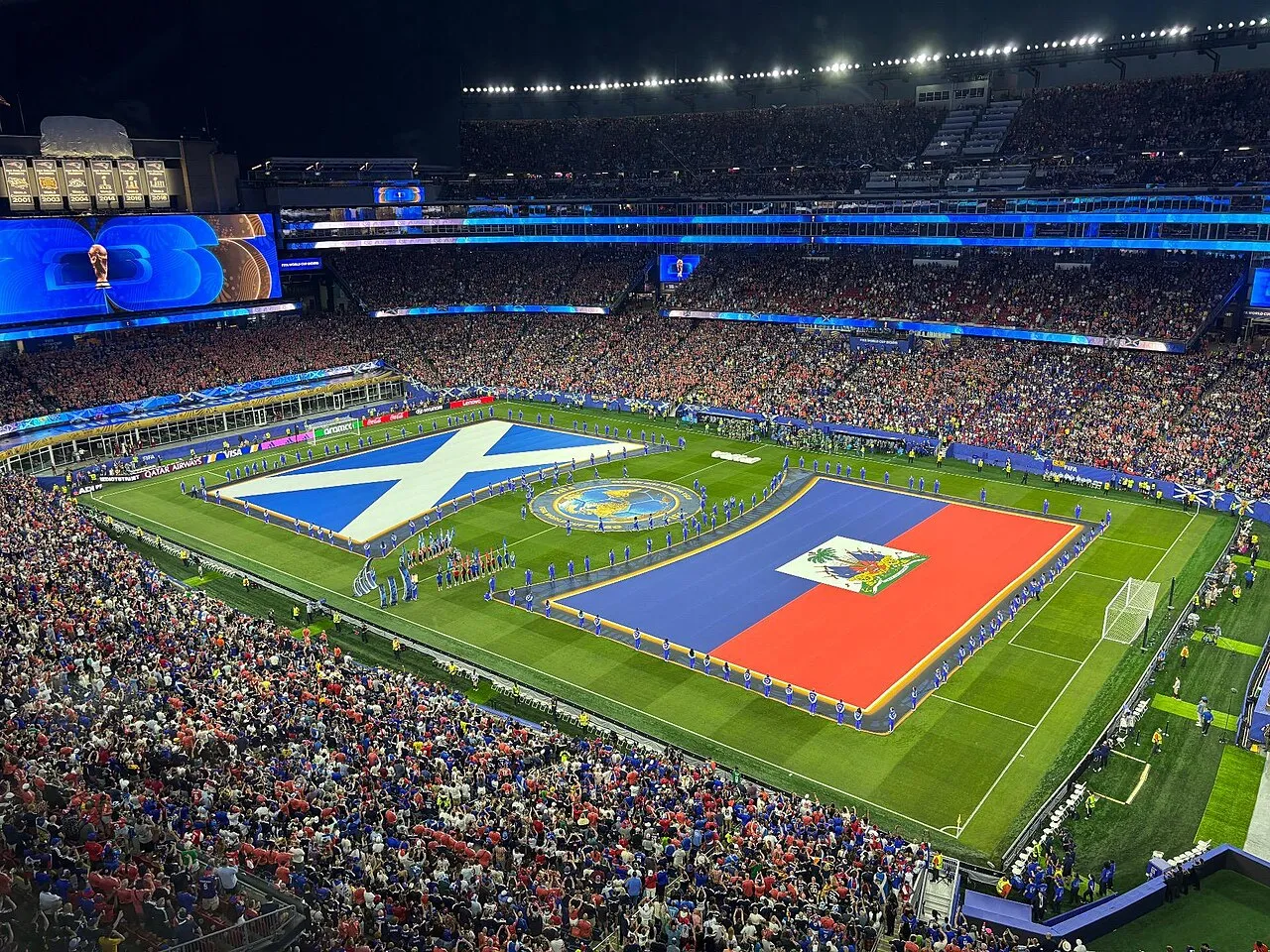
As the global spotlight intensifies on major international football tournaments, a significant economic phenomenon is unfolding across the designated host cities in the United States, Canada, and Mexico. Far beyond the athletic contests, these urban centers and their associated brands are strategically capitalizing on the immense influx of international visitors and domestic travelers drawn to the spectacle, generating substantial revenue streams and boosting local economies. The anticipation of the 2026 FIFA World Cup, jointly hosted by these three nations, is already demonstrating its profound economic potential through various precursor events and the sheer designation of host city status, transforming local markets.
Early Economic Indicators Show Robust Performance
Analysis of hospitality sector data reveals a powerful financial uplift in host markets. While initial hotel occupancy rates in some areas may not have reached the most ambitious pre-event projections, the overall financial performance, particularly in terms of revenue per available room (RevPAR), has significantly surpassed expectations. CoStar data indicates that during key event days, average RevPAR across host markets surged by over 40% through recent periods, with many individual markets experiencing double-digit, and often triple-digit, growth. This underscores a strategic shift towards dynamic pricing and a robust demand for premium accommodations, allowing hoteliers to command higher rates despite potentially varied occupancy levels.
The surge in RevPAR is a critical metric, reflecting the overall health and profitability of the hotel sector. It indicates that even if every room isn’t filled, the rooms that are occupied are generating substantially more revenue than during non-event periods. This financial strength is then disseminated through the local economy via increased employment, higher tax revenues, and greater spending on local goods and services.
Mexico Leads the Charge in RevPAR Growth
Mexico has emerged as a clear frontrunner in game-day RevPAR gains, showcasing the immense enthusiasm and economic impact associated with hosting international football events. Monterrey, one of the future World Cup host cities, recorded an astonishing nearly 280% increase in RevPAR on a recent match day, demonstrating an unparalleled surge in demand and pricing power. This phenomenal growth highlights the readiness and capacity of Mexican cities to leverage global sporting events for significant economic benefit. The cultural vibrancy and strong football tradition in Mexico likely contribute to this exceptional performance, drawing both international and domestic fans in large numbers.
Similarly, in the United States, Kansas City topped the RevPAR charts with an impressive 167% increase during a significant match involving Argentina and Algeria. This performance underscores Kansas City’s burgeoning reputation as a major sports destination and its ability to attract large crowds for high-profile events. The Bay Area also reported triple-digit RevPAR growth during the same period, further bolstered by ancillary events such as San Francisco’s Databricks Data + AI Summit, illustrating how major events can create synergistic economic benefits when strategically aligned.
The Anatomy of a Mega-Event Economic Boost
The economic impact of a major international football tournament extends far beyond direct ticket sales and hospitality. It encompasses a complex ecosystem of industries that experience a ripple effect:
- Hospitality Sector: Hotels, short-term rentals, and ancillary accommodation providers witness a dramatic increase in demand. Average Daily Rates (ADR) often skyrocket, particularly for properties near stadiums or fan zones.
- Food and Beverage: Restaurants, bars, cafes, and street vendors experience significantly higher foot traffic and spending from tourists and local fans.
- Retail: Souvenir shops, sports apparel stores, and general retail outlets benefit from increased consumer spending.
- Transportation: Airlines, ride-sharing services, public transit, and car rental agencies see elevated demand.
- Tourism and Entertainment: Local attractions, museums, theaters, and other entertainment venues also experience an uptick in visitors.
- Employment: Temporary and permanent job creation occurs across these sectors, from event staff and security to hospitality workers and transportation personnel.
Strategic Planning and Infrastructure Investment
The economic uplift observed is not merely coincidental; it is the culmination of years of strategic planning, infrastructure investment, and proactive marketing by host cities and their respective tourism boards. The designation as a World Cup host city triggers a cascade of developments:
- Stadium Upgrades: Significant investments are made in modernizing and expanding stadiums to meet FIFA standards, creating state-of-the-art venues.
- Transportation Networks: Enhancements to public transit, road networks, and airport capacities are often expedited to accommodate the anticipated influx of visitors.
- Urban Revitalization: Host cities frequently undertake broader urban regeneration projects, beautifying public spaces, developing new cultural attractions, and improving city services.
- Security and Logistics: Comprehensive plans for security, crowd management, and emergency services are put in place, often requiring substantial logistical coordination and investment.
These investments, while directly linked to hosting the tournament, often leave a lasting legacy, improving the quality of life for residents and enhancing the city’s long-term tourism appeal.
The Timeline of Economic Impact: From Bid to Legacy
The economic narrative of a World Cup host city unfolds over an extended timeline:
- Pre-Bid Phase: Cities invest resources in preparing compelling bids, showcasing their infrastructure, cultural appeal, and commitment to hosting. This initial investment signals intent and can attract early interest from developers and businesses.
- Designation Phase: Once a city is officially selected, a surge of optimism and planning begins. Property values often rise, and development projects accelerate. Tourism boards intensify marketing efforts.
- Preparation Phase (Years leading up to the event): This is where major infrastructure projects commence. Construction jobs are created, and local businesses benefit from contracts. Hospitality providers begin planning for increased demand. Brands start exploring sponsorship and activation opportunities.
- Tournament Phase (The actual event): This is the peak economic activity period, characterized by high visitor spending, increased tax revenues, and global media exposure. The data presented in the CoStar report reflects this critical window.
- Post-Tournament Legacy Phase: The economic benefits can extend for years. Enhanced infrastructure, increased global recognition, and a boosted tourism industry often lead to sustained economic growth. The experience gained in managing a mega-event can also attract future international conferences and sporting events.
Statements and Reactions from Stakeholders
Inferred statements from various stakeholders reflect both the challenges and successes of managing such large-scale events:
- City Officials: "We are incredibly proud of the economic vitality witnessed during these crucial preparatory events. The significant RevPAR increases in Monterrey and Kansas City underscore the strategic investments we’ve made in our infrastructure and tourism capabilities. This is not just about a few weeks of football; it’s about showcasing our cities on a global stage and securing a lasting economic legacy for our communities." – Statement from a representative of a host city’s economic development office.
- Hospitality Industry Leaders: "While achieving 100% occupancy across all segments is always the ideal, the ability to command substantially higher average daily rates during these event periods is a testament to the strong demand and the premium value visitors place on being part of the experience. Our dynamic pricing models have allowed us to optimize revenue, demonstrating the resilience and adaptability of our hotel sector." – Comment from a spokesperson for a major hotel chain with properties in host cities.
- Tourism Board Representatives: "The visibility gained from hosting even a precursor to a major international tournament is invaluable. It positions our destinations as world-class tourism hubs, attracting future visitors long after the final whistle. The synergy we saw in the Bay Area, combining a major tech summit with high-profile sporting events, exemplifies the multifaceted appeal we strive to cultivate." – Remarks by a director of a regional tourism authority.
- Brand Strategists: "For brands, these tournaments are unparalleled platforms for global engagement. The influx of diverse international visitors presents unique opportunities for brand activation, experiential marketing, and building strong connections with a passionate audience. The economic impact for cities translates directly into a more vibrant marketplace for our partners." – Insight from a marketing executive specializing in sports sponsorships.
Broader Implications and Future Outlook
The early economic successes observed in these host cities carry significant broader implications:
- Enhanced Global Profile: Hosting a major international football tournament elevates a city’s global profile, attracting future tourism, foreign investment, and skilled talent. The media coverage extends far beyond sports, showcasing cultural attractions, business opportunities, and urban development.
- Catalyst for Urban Development: The need to meet international standards often accelerates urban development projects that might otherwise take decades. This includes improvements in public transport, digital infrastructure, and public amenities.
- Economic Diversification: For cities heavily reliant on specific industries, mega-events can help diversify the local economy by boosting tourism, hospitality, and service sectors.
- Cultural Exchange: The convergence of diverse nationalities fosters cultural exchange, enriching the social fabric of host communities and promoting international understanding.
- Learning for 2026: The experiences gained from managing these initial large-scale events provide invaluable lessons for the even grander scale of the 2026 FIFA World Cup. These ‘test runs’ help refine logistical plans, security protocols, and visitor experience strategies, ensuring a smoother and more successful main event.
While the current data paints an overwhelmingly positive picture, challenges remain. These include managing inflationary pressures that can arise from heightened demand, ensuring equitable distribution of economic benefits to local businesses and communities, and mitigating the environmental impact of large-scale events. However, the proactive strategies employed by host cities and the demonstrable economic gains suggest a promising outlook for the full-scale 2026 FIFA World Cup. The tournament is clearly more than just a series of matches; it is a powerful economic engine, meticulously engineered to deliver substantial, long-term benefits to its hosts.



 Anjar Salim
 Chandra Hamzah
 Budi Mulyono
 Lukman Taruna Persada Ramadan
