
 Tatiana Tantri Indah Sari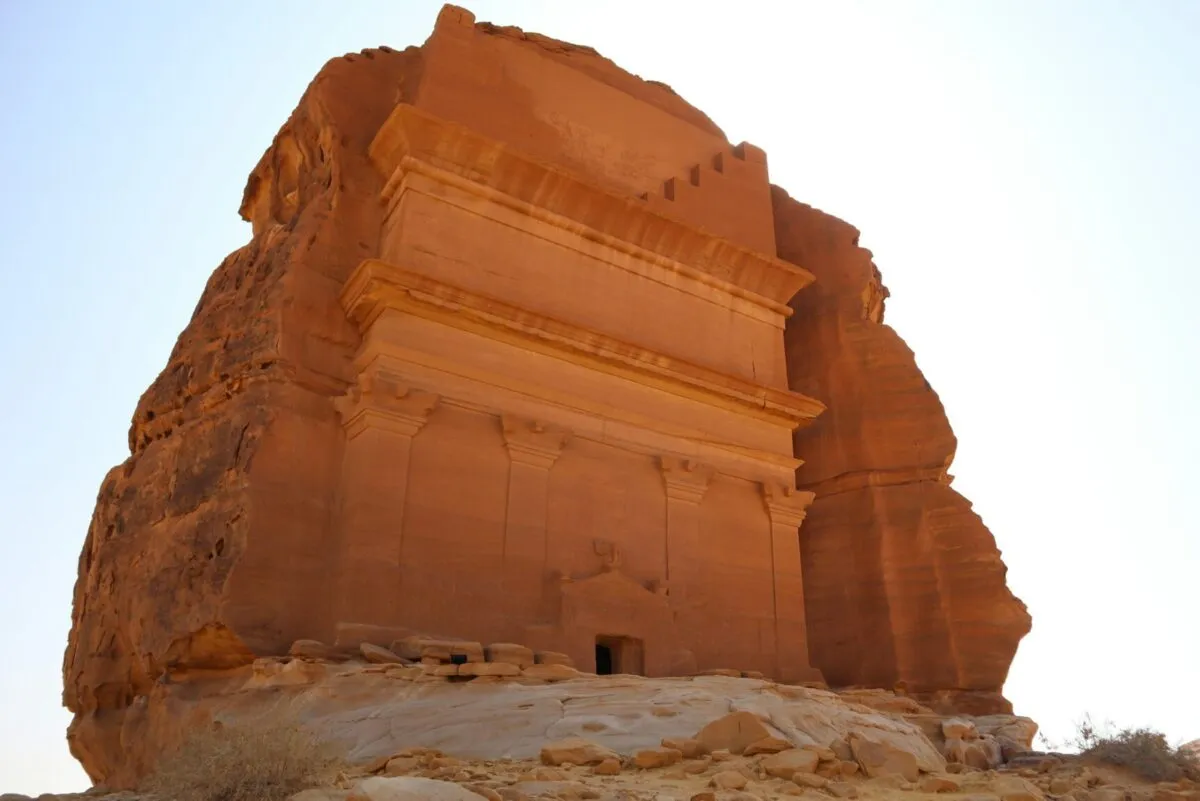
The ancient desert oasis of AlUla, a cornerstone of Saudi Arabia’s ambitious Vision 2030 economic diversification strategy, recently drew 320,000 visitors in its latest reporting period, marking a robust 15% increase year-on-year. This burgeoning growth trajectory sets the stage for an even more ambitious target: welcoming one million visitors annually by 2030. Achieving this goal, however, hinges on a formidable dual challenge: tripling its current hotel inventory from 1,000 to nearly 3,000 keys and sustaining international demand amidst a complex regional geopolitical landscape that has already introduced delays into its extensive development pipeline.
Phillip Jones, Chief Tourism Officer at the Royal Commission for AlUla (RCU), articulated these realities at the Future Hospitality Summit in Riyadh, a prominent gathering of industry leaders and investors. His statements underscored both the immense potential and the significant hurdles confronting one of the Kingdom’s most high-profile giga-projects. The RCU, established in 2017, is mandated to transform AlUla into a world-class destination for heritage, arts, culture, and nature, positioning it as a global hub for discerning travelers while meticulously preserving its delicate ecosystems and profound cultural legacy.
The Historical Tapestry and Strategic Importance of AlUla
AlUla is not merely a nascent tourist destination but a living museum, steeped in over 7,000 years of human history. Located in the northwestern part of Saudi Arabia, it served as a vital crossroads for ancient civilizations, including the Dadanites, Lihyanites, and most famously, the Nabataeans, who left behind the awe-inspiring monumental tombs of Hegra, Saudi Arabia’s first UNESCO World Heritage Site. Beyond Hegra, the ancient city of Dadan, the labyrinthine AlUla Old Town, and dramatic natural rock formations like Elephant Rock, offer a rich tapestry of cultural, natural, and archaeological wonders.
The strategic importance of AlUla extends beyond its intrinsic heritage value. It is a critical pillar of Saudi Arabia’s Vision 2030, which seeks to fundamentally reshape the Kingdom’s economy by reducing its reliance on oil, fostering new industries, and significantly boosting the tourism sector’s contribution to the national GDP. The RCU’s comprehensive development plan, "Journey Through Time," outlines a long-term strategy for sustainable development, aiming to balance economic growth with environmental and cultural preservation. This vision includes the creation of 38,000 new jobs and a contribution of SAR 120 billion to the Kingdom’s GDP by 2035, illustrating the vast economic ripple effect anticipated from AlUla’s success.
Robust Visitor Growth and Ambitious 2030 Targets
The recent achievement of 320,000 visitors, reflecting a 15% year-on-year increase, highlights AlUla’s burgeoning appeal on the global stage. This growth has been fueled by a combination of targeted international marketing campaigns, the introduction of unique cultural and adventure experiences, and an increasing global awareness of Saudi Arabia’s opening to tourism. To transition from 320,000 to one million visitors by 2030, AlUla must sustain an average compound annual growth rate (CAGR) of approximately 14% over the next five to six years. This ambitious trajectory necessitates not only attracting a continuous stream of new international and domestic visitors but also encouraging repeat visits and extending the average length of stay.
AlUla’s primary target audience comprises discerning travelers seeking unique, immersive cultural, luxury, and adventure experiences. The RCU has strategically positioned AlUla as a premium destination, prioritizing quality over sheer volume, a strategy common among high-value cultural tourism sites globally. This approach aims to maximize economic benefit while minimizing the environmental and social impact, ensuring the long-term sustainability of the destination. Marketing efforts have spanned key international markets in Europe, North America, and Asia, emphasizing AlUla’s exclusivity, rich heritage, and array of bespoke experiences, from hot-air ballooning over Hegra to stargazing in its pristine desert night skies, and exploring ancient tombs with expert guides.
Accelerating Hospitality Infrastructure Development
To accommodate the projected surge in visitors, AlUla is undertaking an aggressive and meticulously planned hospitality development program. Phillip Jones confirmed that the destination currently operates 7 hotels with approximately 1,000 keys. The strategic vision mandates a rapid expansion to nearly 3,000 keys by 2030, effectively tripling its accommodation capacity. This expansion is not merely about increasing numbers; it is fundamentally about diversifying the hospitality offerings to cater to a spectrum of luxury preferences, from intimate heritage properties to globally renowned resort brands.
A significant milestone in this expansion is the anticipated opening of a Hyatt Place property in October. This will introduce a contemporary, globally recognized brand to AlUla’s portfolio, appealing to a broader segment of international travelers seeking modern comforts and reliable service. Following this, an Autograph Collection property, part of Marriott International’s distinctive portfolio of independent hotels, is currently under construction. The Autograph Collection brand is known for hotels that are "exactly like nothing else," offering unique, locally inspired experiences while benefiting from the robust infrastructure of a major global hospitality group. This blend of international standards with AlUla’s distinctive aesthetic and cultural narrative is crucial for attracting discerning guests.
Further reinforcing AlUla’s luxury credentials are the announced plans for an Aman Hegra and a Six Senses resort. Aman Resorts are globally synonymous with ultra-luxury, exclusivity, and immersive cultural experiences, often seamlessly integrated into their natural surroundings. An Aman property nestled within the historic precincts of Hegra would represent the pinnacle of luxury heritage tourism, attracting an elite clientele willing to pay a premium for unparalleled privacy and bespoke service within an archaeologically significant setting. Similarly, Six Senses, renowned for its focus on wellness, sustainability, and authentic experiences, would further solidify AlUla’s positioning as a destination for holistic rejuvenation and responsible luxury. These marquee brands are expected to act as powerful magnets for high-net-worth individuals and discerning travelers, significantly enhancing AlUla’s global reputation as a premier luxury destination.
Beyond these high-profile projects, the RCU’s master plan encompasses a diverse range of accommodation types. This includes eco-lodges and glamping sites designed to blend harmoniously with the desert landscape, as well as boutique hotels within the AlUla Old Town, offering an authentic immersion into the region’s historical fabric. The strategic placement and design of these properties are meticulously planned to ensure minimal environmental impact and maximum guest experience, reflecting AlUla’s unwavering commitment to sustainable tourism principles. Complementing these accommodations, the expansion of AlUla International Airport is also critical, facilitating direct access for a growing number of international flights and improving overall visitor logistics.
Navigating Geopolitical Headwinds and Development Challenges
Despite the ambitious plans and positive growth trajectory, AlUla’s development path is not without its significant challenges. Chief among these, as explicitly highlighted by Phillip Jones at the Future Hospitality Summit, is the impact of the ongoing geopolitical crisis in the region. "One of the challenges due to the geopolitical crisis is that it slowed some of the projects down because of the uncertainty," Jones stated, acknowledging the tangible effects on the ground.
While specific conflicts were not explicitly named, the reference undoubtedly pertains to the broader instability in the Middle East, including the ongoing conflict in Gaza and heightened tensions in the Red Sea. Such regional volatility introduces multiple layers of complexity for large-scale infrastructure projects. Logistical challenges are paramount, with disruptions to global shipping routes through the Red Sea leading to significant delays in the delivery of construction materials, specialized equipment, and skilled labor. These disruptions can escalate project costs due to increased freight charges, extended timelines, and higher insurance premiums for cargo.
Furthermore, investor confidence can waver in times of geopolitical uncertainty. Foreign direct investment, crucial for funding mega-projects like those in AlUla, often becomes more cautious, leading to potential delays in securing financing or re-evaluating existing investment commitments. The perception of regional instability can also affect the availability and cost of international talent and labor, which are often essential for specialized construction and hospitality development. Project managers and contractors may face difficulties in attracting and retaining international expertise if security concerns are perceived to be high, or if travel advisories impact expatriate mobility.
Beyond development, geopolitical tensions can significantly impact international tourism demand. Travel advisories issued by various governments, continuous media coverage of regional events, and a general sense of unease can deter potential visitors from booking trips to the wider Middle East, even if the specific destination itself remains safe and unaffected. This necessitates robust and proactive marketing and public relations efforts from the RCU to continually reassure international travelers about the safety, accessibility, and unique value proposition of AlUla, distinguishing it from areas of conflict. The tourism industry is inherently sensitive to external shocks, and regional conflicts can have a far-reaching ripple effect on booking patterns, flight routes, and overall global travel sentiment.
Strategic Mitigation and Sustaining Demand
In response to these multifaceted challenges, the Royal Commission for AlUla is actively implementing a range of mitigation strategies. While specific operational details are proprietary, a logical inference based on standard industry practices and the RCU’s known operational philosophy suggests several key approaches.
Firstly, strengthening supply chain resilience is paramount. This likely involves diversifying sourcing channels for construction materials, strategically pre-ordering critical components, and exploring alternative shipping routes or logistics partners to circumvent Red Sea disruptions. For projects currently underway, the RCU and its partners are likely engaging in more intensive project management, potentially accelerating certain phases where possible, or front-loading critical supplies to buffer against future delays. The substantial backing of Saudi Arabia’s Public Investment Fund (PIF) provides a robust financial foundation, enabling long-term planning and resilience against short-term market fluctuations.
Secondly, regarding investor confidence, the RCU is actively emphasizing the long-term vision and strategic importance of AlUla within Vision 2030, highlighting the Saudi government’s unwavering commitment and substantial investment. Regular communication with current and prospective investors, coupled with transparent updates on project progress and risk management strategies, is crucial for maintaining trust. Platforms like the Future Hospitality Summit serve as vital arenas for RCU leadership to directly address industry leaders, provide reassurances, and showcase AlUla’s enduring trajectory.
Thirdly, to sustain international demand, the RCU is intensifying its global marketing and communication campaigns. These campaigns are strategically designed to showcase AlUla’s unique appeal as a safe, culturally rich, and luxurious destination, clearly distinct from regions affected by conflict. Emphasis is placed on direct flight accessibility, robust safety protocols, and the unparalleled, immersive experiences available. Diversifying source markets, perhaps by increasing focus on regions less sensitive to Middle Eastern geopolitical developments or those with direct flight connections that bypass perceived hotspots, is also a key strategy. Partnerships with international travel agencies, tour operators, and media outlets are crucial in disseminating positive narratives and encouraging bookings.
Furthermore, AlUla’s strategy includes a vibrant calendar of world-class events and festivals designed to attract visitors throughout the year. Events like ‘Winter at Tantora,’ the ‘AlUla Desert Polo,’ and various arts and wellness festivals (such as Desert X AlUla, the Citrus Festival, and the Ancient Kingdoms Festival) provide compelling reasons to visit, irrespective of broader regional anxieties. These events not only draw tourists but also generate significant international media attention, contributing to AlUla’s global brand recognition and reinforcing its image as a dynamic cultural hub. The RCU also emphasizes local community engagement, ensuring that tourism benefits residents through job creation, training programs, and support for local businesses, fostering a sense of ownership and pride in the destination.
Broader Implications for Saudi Vision 2030
AlUla’s journey is emblematic of Saudi Arabia’s broader Vision 2030, which seeks to diversify the economy away from oil and transform the Kingdom into a global tourism powerhouse. The successful development of AlUla, alongside other giga-projects like NEOM, Diriyah Gate, and the Red Sea Project, is crucial for the overall credibility and realization of this ambitious national agenda. If AlUla can successfully navigate the current challenges and achieve its 2030 visitor targets, it will serve as a powerful proof point for the Kingdom’s capability to deliver on its promises and establish itself as a formidable player in the global tourism market. This success will demonstrate the effectiveness of Saudi Arabia’s investment in non-oil sectors and its commitment to fostering a vibrant, diversified economy.
Conversely, significant setbacks or prolonged delays due to external factors could cast a shadow on the broader Vision 2030 goals, potentially impacting investor sentiment across other sectors. The challenges faced by AlUla underscore the inherent risks and complexities involved in developing large-scale tourism infrastructure in a rapidly evolving geopolitical environment. The Kingdom’s ability to mitigate these risks and maintain momentum will be closely watched by international observers and potential investors alike.
The development of AlUla also highlights Saudi Arabia’s commitment to sustainable tourism. The RCU’s master plan emphasizes rigorous conservation efforts, environmental protection, and community empowerment, ensuring that tourism benefits local populations and preserves the region’s invaluable heritage for future generations. This holistic approach is critical for long-term success and distinguishes AlUla from purely commercial developments. The balancing act between rapid development and preserving authenticity, cultural integrity, and environmental sustainability is a key theme for all of Saudi Arabia’s emerging tourism destinations, with AlUla serving as a benchmark for responsible development.
Conclusion
AlUla stands at a pivotal juncture, poised for exponential growth but simultaneously confronting the intricate challenges of rapid infrastructure development and an unpredictable geopolitical landscape. The target of one million visitors by 2030, a nearly threefold increase from its current impressive numbers, reflects an unwavering commitment to transforming this ancient oasis into a global beacon of heritage, luxury, and sustainable tourism. With flagship hospitality brands like Hyatt, Autograph Collection, Aman, and Six Senses anchoring its accommodation expansion, AlUla is meticulously crafting a world-class offering designed to attract discerning global travelers. However, the candid acknowledgment of project slowdowns due to regional instability serves as a stark reminder of the external pressures influencing this grand vision. The RCU’s strategic agility, coupled with sustained investment from the Public Investment Fund and targeted global outreach, will be instrumental in overcoming these hurdles. This comprehensive approach aims to ensure that AlUla not only achieves its ambitious visitor targets but also solidifies its position as a crown jewel in Saudi Arabia’s transformative Vision 2030, offering a compelling case study in resilient development amidst global complexities.



 Anjar Salim
 Chandra Hamzah
 Budi Mulyono
 Lukman Taruna Persada Ramadan
