
 Tatiana Tantri Indah Sari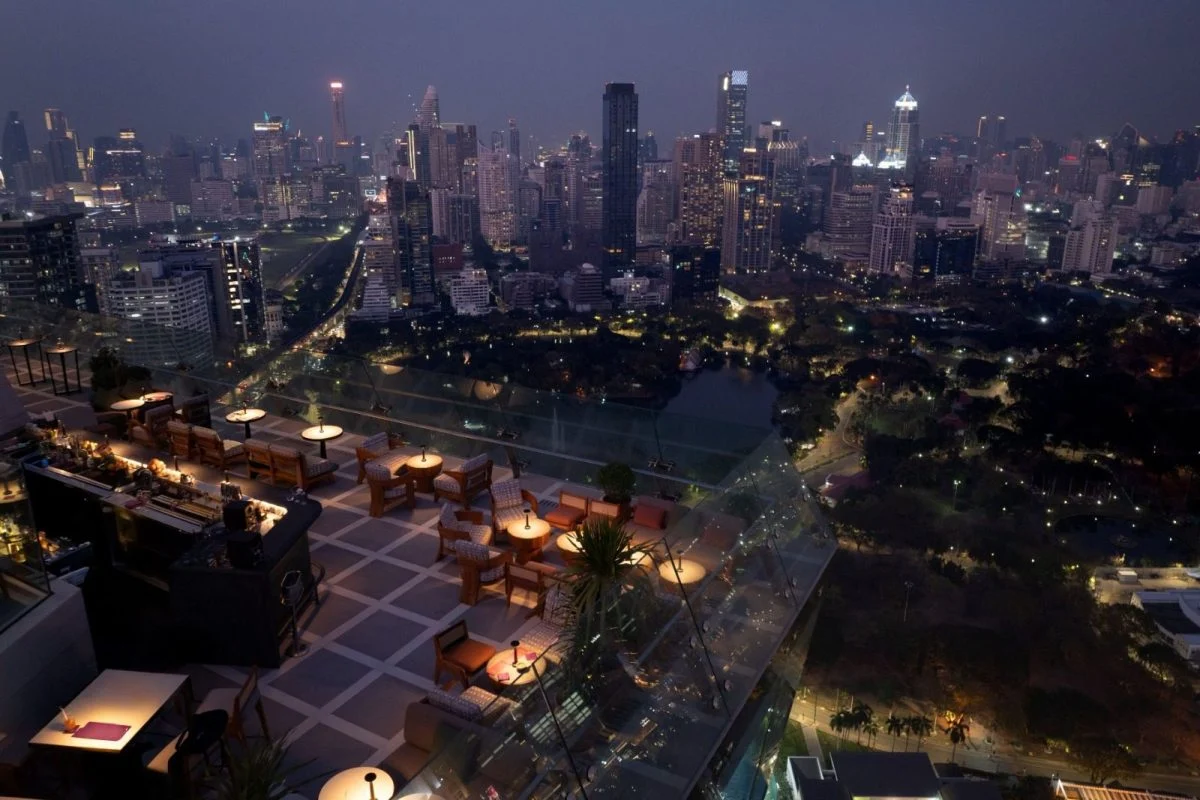
Thailand’s luxury hotel market is currently grappling with a significant imbalance, where robust investor demand far outstrips the available supply of premium assets. This dynamic has created an intensely competitive environment for acquisition, characterized by tightly held "trophy properties" and a constrained investment landscape, as highlighted by Xander Nijnens, head of hotels advisory and asset management, Asia Pacific at JLL Hotels. The latest research from JLL underscores this phenomenon, revealing a modest transaction volume of THB 2.2 billion ($66 million) in luxury hotel sales in 2023, a figure that belies the fervent appetite of investors seeking entry into one of Asia’s most coveted hospitality markets.
The core of the issue, as articulated by Nijnens, is not a lack of interest from capital sources but rather the scarcity of properties willing to change hands. "Luxury hotel assets are tightly held and rarely sold," Nijnens stated, encapsulating the market’s prevailing sentiment. This scarcity is not a recent development but a long-standing characteristic of the Thai luxury segment, where owners, often generational families or long-term institutional investors, tend to retain these high-performing assets due to their consistent returns, prestige, and strategic value within a portfolio.
A Deep Dive into the Investment Bottleneck: JLL’s Findings
JLL’s comprehensive analysis provides a quantitative dimension to this qualitative observation. Since 2017, luxury hotels have accounted for a substantial 19.2% of Thailand’s total hotel sales volume by value, yet they represented a mere 7.9% of the total transactions during the same period. This significant discrepancy between value contribution and transaction frequency is a clear indicator of the market’s supply-side constraint rather than any deficiency in buyer interest. The capital available and earmarked for luxury hotel acquisitions in Thailand is considerably higher than the opportunities presented, leading to intense bidding wars when a rare asset does become available. Investors, ranging from global private equity firms and institutional funds to high-net-worth individuals and family offices, are actively pursuing opportunities, contributing to elevated valuations and extended due diligence processes as they vie for limited options.
Historical Context: The Evolution of Thailand’s Luxury Hospitality
Thailand’s reputation as a premier luxury travel destination has been meticulously built over decades. From the opulent riverside hotels of Bangkok, which have hosted royalty and dignitaries for over a century, to the secluded five-star resorts dotting the pristine beaches of Phuket, Koh Samui, and Krabi, the country has cultivated an image of unparalleled service, exotic allure, and cultural richness. The 1980s and 1990s saw a significant expansion of international luxury brands entering the market, often in partnership with local developers, establishing the benchmarks for service and design that define the sector today. Iconic properties, many of which are still under their original ownership or have only seen one change of hands in decades, became the backbone of this luxury ecosystem.
The early 2000s witnessed a further boom, fueled by rising global wealth and increased accessibility through improved air travel. Thailand diversified its luxury offerings, moving beyond traditional beach resorts to include high-end wellness retreats, eco-luxury lodges, and exclusive private villa estates, catering to an increasingly sophisticated and discerning clientele. This long-term growth trajectory has instilled confidence in asset owners, reinforcing their decision to hold onto properties that have consistently delivered strong financial performance and appreciated significantly in value. The resilience of the Thai tourism sector, even through various global economic shifts and regional challenges, has further solidified the perception of luxury hotels as robust, long-term investments.
Drivers of Demand: Why Investors Flock to Thailand
The enduring appeal of Thailand’s luxury hotel market to investors stems from a confluence of compelling factors:
- Robust Tourism Rebound: Post-pandemic, Thailand has witnessed a remarkable resurgence in international tourist arrivals. While overall numbers are recovering, the luxury segment has shown particular strength, with high-spending tourists eager to return to premium experiences. The government’s strategic focus on attracting high-value tourists further bolsters confidence in the sector’s future.
- Strong Market Fundamentals: Luxury hotels in key destinations like Bangkok, Phuket, and Koh Samui consistently report high occupancy rates and impressive Average Daily Rates (ADR) and Revenue Per Available Room (RevPAR). For instance, in 2023, luxury hotels in prime Bangkok locations reportedly achieved occupancy rates exceeding 75% and ADRs often surpassing $300, indicative of strong operational performance.
- Brand Recognition and Operational Excellence: Thailand is home to a multitude of globally renowned luxury hotel brands, many of which have established deep roots and strong operational teams within the country. This provides investors with access to proven management expertise and strong brand equity.
- Economic Stability and Pro-Investment Policies: Despite occasional political shifts, Thailand generally offers a stable economic environment and policies that are broadly conducive to foreign investment, particularly in sectors deemed critical for economic growth like tourism.
- Long-Term Asset Appreciation: Given the limited supply of prime locations and high barriers to entry for new developments, existing luxury assets in desirable areas are expected to continue appreciating in value over the long term, offering capital gains in addition to operational income.
- Diversified Investor Base: The market attracts a wide array of capital, from traditional real estate investment funds and institutional investors looking for stable returns, to private equity seeking value-add opportunities, and ultra-high-net-worth individuals or family offices viewing these assets as legacy holdings or prestige investments.
The Scarcity Conundrum: Understanding the Supply-Side Dynamics
The constrained supply in Thailand’s luxury hotel market is multi-faceted:
- Tightly Held Trophy Assets: Many of Thailand’s most iconic luxury hotels have been under the same ownership for generations. These properties are often considered family jewels, providing consistent income, significant prestige, and a hedge against inflation. Owners are typically not motivated to sell unless presented with an exceptionally compelling, often unsolicited, offer that far exceeds market benchmarks.
- Limited Prime Land Availability: In prime urban centers like Bangkok and highly sought-after resort destinations, suitable land for new large-scale luxury hotel development is exceedingly scarce and prohibitively expensive. What little land remains often comes with complex zoning regulations, environmental restrictions, or land tenure issues that make development challenging and lengthy.
- High Barriers to Entry for New Development: Even when land is available, the cost of developing a new luxury hotel is substantial, encompassing land acquisition, construction, intricate design, and the installation of high-end amenities. This, coupled with the extended development timelines and the need for specialized construction and operational expertise, deters many potential new entrants.
- Emphasis on Quality over Quantity: Thailand’s luxury segment has always prioritized bespoke experiences and high-quality infrastructure. This ethos means that new developments are meticulously planned and executed, often taking longer to bring to market, further limiting the pace of new supply.
Market Performance Metrics: Beyond Transaction Volume
While the THB 2.2 billion transaction volume in 2023 appears modest, it’s crucial to examine the underlying operational metrics that make these assets so desirable. For example, luxury hotels in Bangkok’s CBD often command ADRs that are 2-3 times higher than those of upscale or mid-market segments. Similarly, RevPAR growth in the luxury sector has consistently outpaced other segments, particularly during the post-pandemic recovery. In Phuket, average luxury resort occupancy rates have hovered around 70-80% during peak seasons, with some exclusive properties achieving near-full occupancy. These robust performance indicators contribute directly to strong net operating incomes (NOI) and attractive capitalization rates for the asset class, solidifying their status as highly prized investments. The stability of these returns, even through economic cycles, makes long-term ownership highly appealing, thus exacerbating the supply shortage in the transaction market.
Voices from the Industry: Stakeholder Perspectives
Beyond JLL’s Xander Nijnens, industry leaders echo the sentiment of a supply-constrained market. A hypothetical statement from a prominent Thai hotel developer, Mr. Anan Srivardhana, CEO of Royal Orchid Hospitality Group, might reveal, "The challenge isn’t finding capital; it’s finding the right project. We have significant funds allocated for acquisitions, but opportunities for truly prime luxury assets are rare. We’re increasingly looking at strategic partnerships or even greenfield developments in emerging luxury destinations within Thailand, though these come with their own set of complexities."
Similarly, an inferred comment from a representative of a global private equity firm, Ms. Sarah Chen, Head of Asia Real Estate at Meridian Capital, could state, "Thailand remains a top-tier target for our hospitality portfolio. The operational performance of luxury hotels here is compelling. However, the lack of available assets forces us to be incredibly disciplined and proactive. We’re often engaging directly with owners who might not be actively marketing their properties, seeking off-market deals to secure these coveted assets."
From a governmental perspective, the Ministry of Tourism and Sports would likely emphasize the importance of the luxury segment for Thailand’s overall tourism strategy. A potential statement from a ministry spokesperson might highlight, "Our focus is on attracting high-value tourists who contribute significantly to the economy and support local communities. The strong performance of our luxury hotel sector is a testament to Thailand’s appeal, and we continue to explore sustainable development policies that encourage quality growth while preserving our natural and cultural heritage." These inferred statements illustrate the widespread recognition of the supply challenge across different facets of the industry.
Implications for the Market and Future Development
The pronounced supply-demand imbalance carries several significant implications for Thailand’s luxury hotel market:
- Asset Price Inflation: With limited supply and high demand, the prices of available luxury hotel assets are likely to remain elevated, and potentially increase further. This can lead to lower entry yields for new investors, though long-term capital appreciation may offset this.
- Shift Towards Greenfield Development: While challenging, the scarcity of existing assets may compel some investors and developers to pursue greenfield projects in emerging luxury destinations or carefully selected urban plots. This requires significant upfront capital, longer development timelines, and a higher risk profile.
- Innovative Investment Strategies: Investors may increasingly explore alternative approaches, such as adaptive reuse of non-hotel assets (e.g., historical buildings, commercial properties) into luxury boutique hotels, or forming joint ventures with existing owners who might be open to recapitalization or partial divestment rather than an outright sale.
- Focus on Value-Add and Renovation: Investing in existing, perhaps slightly aged, luxury properties with significant renovation potential could become a more viable strategy. This allows investors to enhance asset value and operational performance, aligning with modern luxury standards without the challenges of ground-up development.
- Impact on Thailand’s Tourism Strategy: The robust luxury segment supports Thailand’s strategic shift towards attracting higher-spending, longer-staying tourists. Ensuring continued quality and expanding niche luxury offerings (e.g., wellness, cultural immersion, sustainable tourism) will be crucial.
- Increased Competition from Regional Markets: While Thailand holds a strong position, the persistent supply shortage could potentially drive some capital towards other emerging luxury markets in Southeast Asia, such as Vietnam, Indonesia, or the Philippines, if suitable opportunities arise there.
Challenges and Opportunities Ahead
Looking forward, Thailand’s luxury hotel market will continue to navigate a complex landscape. Economic headwinds, geopolitical shifts, and evolving traveler preferences (e.g., demand for hyper-personalization, sustainability, experiential travel) will all play a role. However, the fundamental strengths of Thailand – its rich culture, natural beauty, renowned hospitality, and strategic location – ensure its enduring appeal. The challenge lies in creatively unlocking new supply or facilitating transactions for existing assets in a manner that benefits both sellers and buyers, while maintaining the high standards that define the Thai luxury experience. This might involve government incentives for sustainable development, clearer land use policies, and fostering a more dynamic, yet still discerning, transaction market.
In conclusion, Thailand’s luxury hotel market is a paradox of success. Its immense desirability has created a competitive environment where the supply of prime assets simply cannot keep pace with the influx of capital. While this signifies the segment’s robust health and long-term potential, it also necessitates innovative approaches from investors, developers, and policymakers to ensure continued growth and accessibility within this highly sought-after, yet remarkably constrained, market. The journey ahead for Thailand’s luxury hospitality sector will be defined by its ability to balance unwavering demand with the intricate dynamics of its finite, treasured supply.



 Anjar Salim
 Chandra Hamzah
 Budi Mulyono
 Lukman Taruna Persada Ramadan
