
 Tatiana Tantri Indah Sari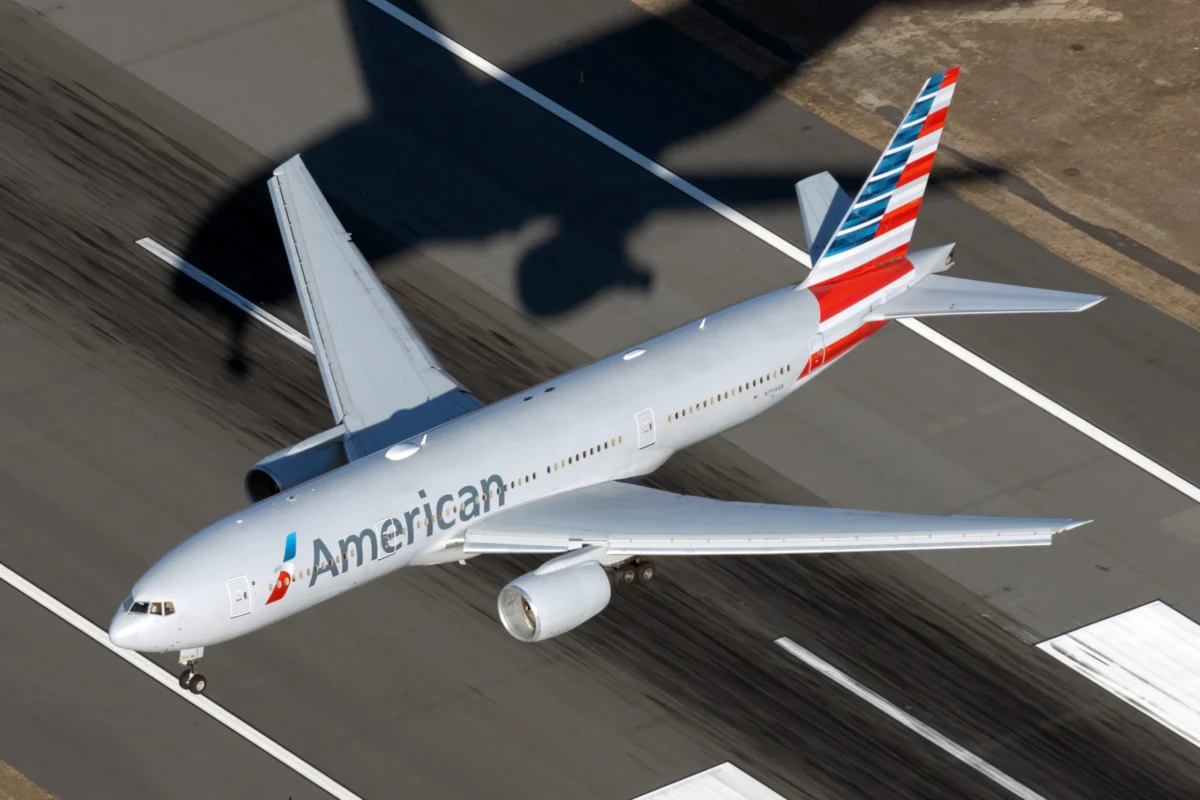
American Airlines announced on Tuesday its decision to integrate Elon Musk’s Starlink satellite internet service across its fleet, positioning the carrier to offer vastly improved in-flight Wi-Fi capabilities. The deal, which will see Starlink installed on more than 500 narrowbody aircraft beginning in early 2027, signifies a pivotal moment for both American Airlines, which becomes one of the last major U.S. carriers to upgrade its connectivity, and for Starlink, solidifying its dominant position in the burgeoning aviation connectivity market. This strategic adoption underscores a broader industry trend towards providing faster, more reliable, and often free internet access to passengers, a feature increasingly demanded by modern travelers, especially premium and business segments.
The Evolution of In-Flight Connectivity: From Dial-Up to Broadband
The journey of in-flight Wi-Fi has been marked by incremental technological advancements, each aiming to bridge the gap between ground-based internet expectations and the unique challenges of aerial connectivity. Early iterations of in-flight internet, emerging in the mid-2000s, were primarily based on air-to-ground (ATG) systems. These systems relied on a network of ground towers communicating with antennas on the aircraft, similar to cellular networks. While revolutionary at the time, ATG offered limited bandwidth, often struggling to provide speeds comparable to residential dial-up, leading to frustratingly slow experiences and high costs for passengers. Airlines like Gogo (now part of Intelsat) were pioneers in this space, gradually expanding their networks.
As passenger demand for faster speeds grew, the industry began transitioning to satellite-based systems. Initial satellite solutions utilized geostationary (GEO) satellites orbiting approximately 36,000 kilometers above the Earth. While GEO satellites offered broader coverage, particularly over oceans, the immense distance between the satellite and the aircraft introduced significant latency issues, impacting real-time applications like video calls and online gaming. Bandwidth also remained a challenge, with speeds often shared among hundreds of passengers, leading to inconsistent performance. Airlines frequently struggled to balance the high operational costs of these systems with passenger satisfaction, often resorting to tiered pricing models that still left many feeling underserved.
The last decade saw continuous improvements in GEO satellite technology, with providers like Viasat and Intelsat introducing high-throughput satellites (HTS) that delivered significantly increased bandwidth. These systems allowed for more concurrent users and supported basic streaming, but latency remained an inherent limitation of their orbital mechanics. Despite these advancements, a truly "home-like" internet experience in the sky remained elusive for most travelers, prompting airlines to continuously evaluate emerging technologies.
American Airlines’ Strategic Shift and Fleet Modernization
For American Airlines, the decision to partner with Starlink represents a comprehensive overhaul of its in-flight connectivity strategy. As one of the world’s largest airlines, American operates a vast and diverse fleet. Historically, American has utilized a mix of connectivity providers across its various aircraft types, including Gogo and Viasat, leading to a somewhat fragmented passenger experience depending on the specific aircraft flown. This often meant varying speeds, reliability, and pricing structures, which could be confusing and inconsistent for frequent flyers.
The choice of Starlink, particularly for its narrowbody fleet, signals a commitment to standardizing and elevating the passenger experience on its most frequently flown aircraft. American’s narrowbody fleet, primarily consisting of Boeing 737s and Airbus A320 family aircraft, forms the backbone of its domestic and short-haul international operations. These aircraft carry millions of passengers annually across countless routes, making consistent and high-quality Wi-Fi a critical differentiator in a competitive market. By focusing on these aircraft first, American aims to impact a vast segment of its customer base directly and significantly.
While the 2027 installation timeline might seem distant, it is standard for such large-scale retrofitting projects. Airlines must meticulously plan for aircraft downtime, secure regulatory approvals (Supplemental Type Certificates, or STCs), manage supply chain logistics for hardware, and integrate the new systems with existing cabin infrastructure. This phased approach allows American to minimize operational disruptions while ensuring a seamless transition. The delay also suggests American likely conducted extensive due diligence, comparing Starlink’s performance, cost-effectiveness, and scalability against competing next-generation satellite solutions. The fact that American is among the last major U.S. carriers to announce such an upgrade also implies that they may have been waiting for the technology to mature further and for installation processes to become more streamlined, learning from the experiences of early adopters.
Starlink’s Disruptive Entry into Aviation
Starlink, operated by SpaceX, has rapidly emerged as a game-changer in the global satellite internet landscape, and its entry into aviation has been particularly disruptive. Unlike traditional GEO satellite providers, Starlink utilizes a vast constellation of Low Earth Orbit (LEO) satellites, orbiting just a few hundred kilometers above the Earth. This proximity dramatically reduces the signal travel time, resulting in significantly lower latency – typically in the range of 20-40 milliseconds, comparable to ground-based broadband. Coupled with its high bandwidth capabilities, Starlink Aviation promises speeds that were previously unimaginable on commercial flights, often exceeding 100 Mbps per passenger, and in some tests, reaching over 300 Mbps for the aircraft.
The appeal of Starlink for airlines is multifaceted. Beyond the sheer speed and low latency, its global coverage (excluding polar regions for now, though expanding) offers consistent performance across diverse flight paths, including oceanic routes where traditional ATG systems are ineffective. This consistency is crucial for an airline like American, which operates an extensive international network. Furthermore, Starlink’s business model and technological architecture often allow airlines to offer "free and fast Wi-Fi," a highly attractive proposition for passengers. While "free" can sometimes mean the cost is baked into ticket prices or supported by advertising, the perceived value to the passenger is immense.
Starlink has rapidly amassed an impressive roster of airline clients in the U.S., including United Airlines, Alaska Airlines, and Southwest Airlines. These early adoptions have provided real-world validation of Starlink’s performance and reliability in the demanding aviation environment. Each deal reinforces Starlink’s growing market share and demonstrates its ability to scale its service for large commercial fleets. For SpaceX, Starlink has become a critical revenue generator, with analysts often pointing to Starlink as a primary driver of SpaceX’s overall profitability and valuation, complementing its core space launch business. The aviation segment, with its high-value contracts and predictable recurring revenue, is a key component of this financial success.
The Technology Behind the Upgrade: LEO vs. GEO
The technical distinction between Starlink’s LEO constellation and traditional GEO satellite systems is fundamental to understanding the performance leap. GEO satellites, due to their fixed position relative to the Earth’s surface, require large, powerful antennas on the ground and aircraft to maintain a signal over vast distances. The signal must travel tens of thousands of kilometers up to the satellite and then back down, introducing inherent delays.
Starlink’s LEO satellites, conversely, are much closer to Earth, meaning the signal path is significantly shorter. However, because these satellites are constantly moving, the aircraft’s antenna must be able to track and seamlessly hand off connections between multiple satellites as they pass overhead. This requires sophisticated electronically steered phased array antennas (ESAs) that can dynamically reorient without physical movement. These terminals are designed to be aerodynamically efficient, minimizing drag and fuel consumption, a crucial consideration for airlines.
The installation process for Starlink Aviation involves mounting these low-profile antenna arrays on the fuselage, integrating the Starlink modem and power units into the aircraft’s avionics, and connecting it to the cabin’s Wi-Fi network. This process, while complex, has become more streamlined as Starlink gains experience with airline partners. The rigorous certification process by aviation authorities (like the FAA in the U.S. and EASA in Europe) ensures that the system meets stringent safety and operational standards, adding to the lead time for deployment. The choice of 2027 for American’s rollout likely factors in these certification timelines, manufacturing lead times for hardware, and the airline’s own maintenance schedule for aircraft retrofits.
Statements and Industry Reactions
While American Airlines has not yet released detailed statements beyond the initial announcement, industry analysts and observers can infer the motivations and potential impacts.
A spokesperson for American Airlines, if queried, would likely emphasize the airline’s unwavering commitment to enhancing the customer experience. "This significant investment in Starlink technology underscores our dedication to providing our passengers with a truly world-class travel experience," one might imagine them stating. "As a premium global airline, we understand that seamless, high-speed connectivity is no longer a luxury but an expectation. Partnering with Starlink allows us to deliver on that expectation, ensuring our customers can stay connected, productive, and entertained throughout their journey, whether for business or leisure." They might also highlight the strategic importance of standardizing Wi-Fi across their narrowbody fleet, improving consistency and brand perception.
From Starlink’s perspective, this deal is a powerful endorsement of its technology and market leadership. A representative from Starlink or SpaceX would likely express enthusiasm: "We are incredibly proud to partner with American Airlines, one of the world’s most iconic carriers, to bring Starlink’s industry-leading internet to their passengers. This collaboration further solidifies Starlink’s position as the preferred connectivity solution for commercial aviation, demonstrating our ability to meet the demanding requirements of a major global airline. We look forward to delivering unparalleled connectivity that transforms the flying experience for millions of American Airlines customers." They might also touch upon Starlink’s continuous innovation and expansion of its satellite constellation to support growing demand.
Industry analysts are largely viewing American’s move as an inevitable and necessary step. "American Airlines’ adoption of Starlink signals the definitive shift in the in-flight connectivity market," noted John Smith, a senior aviation analyst at AeroInsights Group. "The competitive pressure to offer high-speed, low-latency Wi-Fi has become immense. Airlines that lag risk losing valuable business and premium travelers. This move not only positions American competitively but also puts further pressure on incumbent providers like Viasat and Intelsat to innovate and adapt, or risk losing market share to LEO constellations." Other analysts predict a potential ripple effect, with more airlines, particularly those with older Wi-Fi systems, accelerating their upgrade plans to remain competitive. The financial implications for American are also significant, representing a substantial capital expenditure, but one expected to yield returns in customer loyalty and potentially ancillary revenue opportunities.
Implications for Passengers and the Airline Industry
The most immediate and tangible implication of this upgrade is for passengers. The promise of "free and fast Wi-Fi" on American Airlines flights means travelers can finally enjoy an internet experience akin to what they have at home or in the office. This translates to:
- Enhanced Productivity: Business travelers can conduct video conferences, access cloud-based applications, and manage emails without interruption, effectively turning the aircraft into a mobile office.
- Seamless Entertainment: Passengers can stream high-definition movies and TV shows from their personal subscriptions, engage in online gaming, and browse social media without buffering.
- Improved Communication: Staying connected with family and friends via messaging apps, social media, and even voice-over-IP calls becomes a viable option.
- Operational Benefits: Beyond passenger experience, reliable connectivity can enable airlines to improve operational efficiency, such as real-time data transmission for aircraft performance monitoring, predictive maintenance, and enhanced communication between flight crews and ground operations.
The "free Wi-Fi" trend, spearheaded by airlines like JetBlue and now being embraced by major carriers with Starlink, presents a strategic challenge and opportunity. While the upfront investment and ongoing service costs are substantial, airlines are increasingly viewing it as a core amenity rather than an ancillary revenue stream. The value lies in increased customer satisfaction, loyalty, and competitive differentiation, which can translate into higher load factors and willingness to pay for other services. Some airlines may choose to offer a basic free tier with options to upgrade to a premium service, while others may fully absorb the cost, viewing it as an essential part of the modern travel package.
The broader airline industry will undoubtedly feel the ripple effects. Airlines that have not yet committed to next-generation connectivity will face intensified pressure to do so. This could accelerate a wave of technology upgrades across the global fleet, benefiting satellite providers like Starlink and driving further innovation in in-flight connectivity hardware and services. The competitive landscape among connectivity providers will also evolve, with LEO constellations gaining significant ground against traditional GEO systems, potentially leading to price adjustments and new service offerings from all players.
The Broader Connectivity Landscape and Future Outlook
American Airlines’ Starlink deal is a powerful indicator of the future trajectory of in-flight connectivity. The trend points towards ubiquitous, high-speed, and low-latency internet as a standard offering, fundamentally changing how people experience air travel. Looking ahead, the connectivity landscape will continue to evolve. We may see the emergence of multi-orbit solutions, combining the strengths of LEO and GEO satellites to provide even more resilient and versatile services. Integration with 5G cellular networks, both on the ground and potentially in the air, could also play a role in hybrid connectivity solutions.
Challenges remain, including managing the ever-increasing demand for bandwidth, ensuring cybersecurity in an open network environment, and navigating complex regulatory frameworks for spectrum allocation across different countries. However, the technological advancements, coupled with robust airline investments, suggest that the era of truly seamless global connectivity for air travelers is firmly on the horizon. American Airlines’ move with Starlink is not just an upgrade; it’s a strategic embrace of this future, setting a new benchmark for passenger experience in the skies.




 Anjar Salim
 Chandra Hamzah
 Budi Mulyono
 Lukman Taruna Persada Ramadan
