
 Tatiana Tantri Indah Sari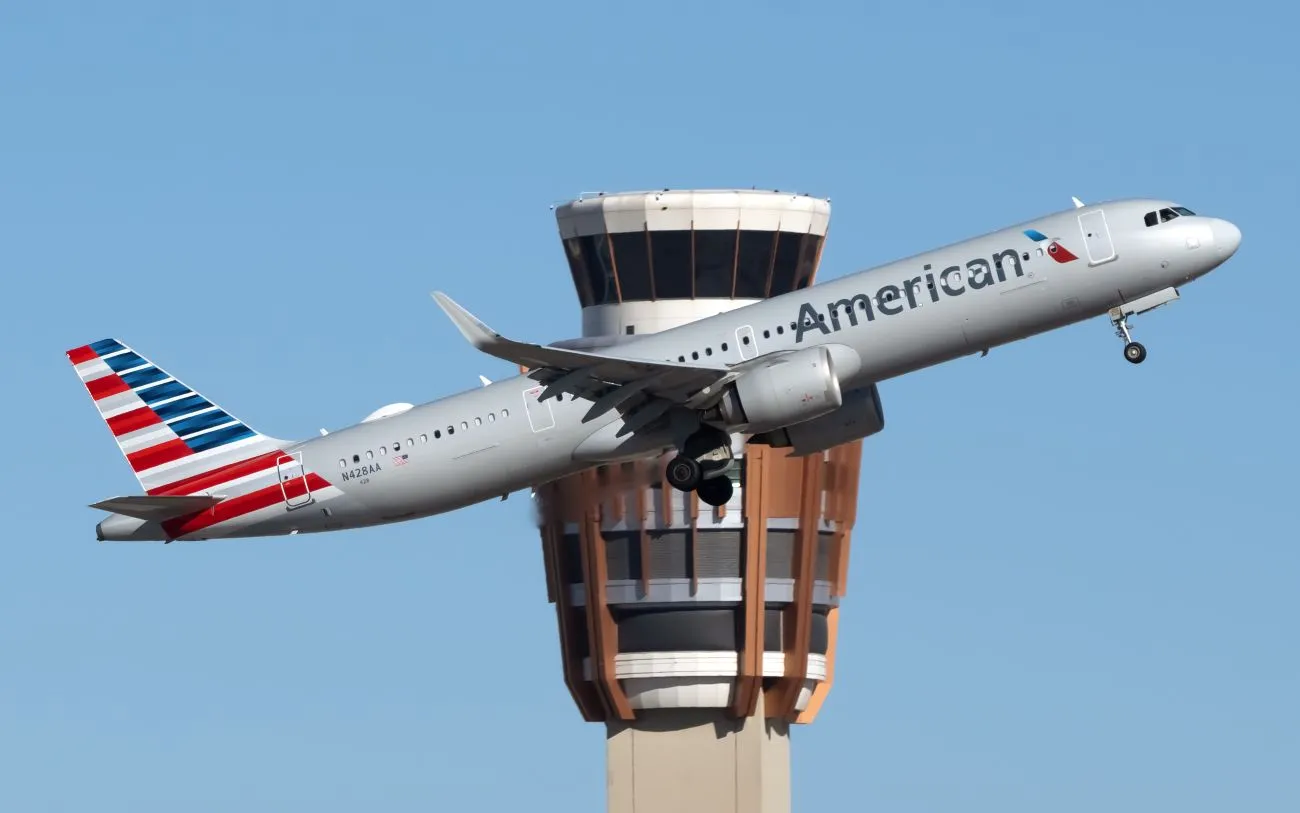
American Airlines has officially announced its plans to inaugurate nonstop service between Chicago O’Hare International Airport (ORD) and Tokyo, Japan, commencing March 27, 2027. This strategic move marks a significant reassertion by the Fort Worth-based carrier into a crucial trans-Pacific market, aiming to reclaim market share lost during the global pandemic and intensify competition with rival airlines, particularly United and Delta, which have strong presences in Asian markets. The new route will be American’s eleventh long-haul international service departing from its Chicago O’Hare hub, underscoring the airline’s commitment to strengthening its presence in one of the United States’ busiest aviation gateways.
The service will be operated using a state-of-the-art Boeing 787-9 Dreamliner aircraft, renowned for its fuel efficiency, extended range, and enhanced passenger comfort features. The configuration of American’s 787-9s for this route will include a premium cabin offering, with 30 lie-flat business class seats and an additional 21 premium economy seats, catering to both business travelers and leisure passengers seeking elevated comfort on the approximately 13-hour flight. This choice of aircraft highlights American’s intent to provide a competitive product in a market where premium cabin demand, particularly for business travel, is historically robust.
"This new service is a testament to our continued commitment to make our hub stronger, broaden choices for customers and keep Chicago competitive on the world stage," stated American Airlines CEO Robert Isom in a public announcement. Isom’s comments reflect a broader corporate strategy focused on re-establishing and expanding American’s international network, especially from its key domestic hubs. The airline has been actively recalibrating its global footprint in the post-pandemic era, prioritizing routes that offer strong revenue potential and strategic advantages against its main competitors.
Strategic Reassertion in the Trans-Pacific Market
The decision to launch Chicago-Tokyo flights is deeply rooted in American Airlines’ strategy to recover and grow its international market share, particularly in the highly competitive trans-Pacific corridor. During the COVID-19 pandemic, international travel, especially to Asia, experienced unprecedented declines due to stringent travel restrictions and reduced demand. American, like other carriers, scaled back many of its long-haul routes, including some to Asia. As global travel restrictions have eased and demand has steadily returned, airlines are now racing to rebuild and optimize their networks.
Prior to the pandemic, American Airlines maintained a significant presence in the trans-Pacific market, though often operating with a more diversified hub strategy than some competitors. The Chicago-Tokyo route specifically targets a segment where United Airlines has historically held a strong position, particularly from its own O’Hare hub, and where Delta Air Lines has also been expanding its reach via hubs like Seattle and Detroit. By introducing this direct service, American aims to capture a share of the substantial business and leisure traffic between the Midwest United States and Japan, offering a direct alternative for travelers who might otherwise connect through other hubs or rival carriers.
This new route is not merely about adding capacity; it’s about strategic positioning. Tokyo, as a global financial center and a major cultural and tourist destination, represents a critical link for American businesses and a significant draw for leisure travelers. The service from Chicago O’Hare positions American to better serve corporate clients with operations in both regions, as well as tapping into the growing outbound tourism market from the U.S. to Japan.
Timeline and Background Context of American’s International Strategy
American Airlines’ path to this announcement has been part of a methodical rebuilding process post-2020. Following the initial severe disruption to international air travel, American, like its peers, focused initially on restoring domestic capacity and short-haul international routes. As vaccination rates increased and travel bubbles began to form, the airline gradually reintroduced long-haul services.
- 2021-2022: American focused on restoring transatlantic routes and select Latin American markets, leveraging its joint ventures with partners like British Airways and Iberia. Trans-Pacific recovery was slower due to persistent Asian travel restrictions.
- 2023: With Japan fully reopening to tourism, American began to evaluate its Asian network. The airline’s partnership with Japan Airlines (JAL) under a joint business agreement became increasingly vital. While the specific Chicago-Tokyo route is American-operated, such partnerships often play a role in network planning, allowing for codesharing and seamless connections beyond the primary gateway.
- Late 2023 – Early 2024: Industry analysts observed American Airlines actively seeking opportunities to deepen its presence in key international markets, especially those showing strong signs of recovery and future growth. Chicago O’Hare, as one of American’s two primary Midwestern hubs (the other being Dallas/Fort Worth), emerged as a natural choice for expanding its long-haul portfolio, particularly for routes that complement its existing network and challenge competitors.
- March 2027: The scheduled launch date provides American Airlines ample time for operational planning, marketing, and securing necessary slot allocations at both O’Hare and Tokyo’s Narita (NRT) or Haneda (HND) airports, although most new trans-Pacific routes often target Haneda for its closer proximity to downtown Tokyo. The official press release did not specify the Tokyo airport, but this detail will be crucial for competitive positioning. Assuming Narita based on typical initial long-haul routes unless Haneda slots become available.
This careful timeline reflects a strategic, long-term outlook rather than a rushed response to market shifts. It allows for the integration of new aircraft deliveries and crew training, ensuring a smooth launch of such a critical route.
The Role of Chicago O’Hare as a Global Hub
Chicago O’Hare International Airport has historically served as a critical gateway between the American Midwest and the rest of the world. Its central geographic location makes it an ideal transfer point for passengers connecting from various smaller U.S. cities to international destinations. For American Airlines, O’Hare is one of its most important hubs, alongside Dallas/Fort Worth (DFW), Miami (MIA), and Charlotte (CLT). The airline operates a vast network of domestic flights into O’Hare, feeding passengers onto its international services.
The addition of Tokyo service enhances O’Hare’s status as a global hub, providing direct connectivity to one of Asia’s most significant economic and cultural centers. This new route is expected to generate substantial connecting traffic from American’s extensive domestic network, particularly from cities across the Midwest, Northeast, and Southeast that may not have direct access to Tokyo. This improved connectivity is a boon not only for American Airlines but also for the city of Chicago and the broader region it serves. The Chicago Department of Aviation (CDA) has consistently championed the expansion of international services, recognizing their critical role in the city’s economic vitality and global standing.
Statements and Reactions from Related Parties
Beyond American Airlines’ CEO, the announcement is likely to elicit positive reactions from various stakeholders:
- Chicago Department of Aviation (CDA): Officials from the CDA are expected to welcome the new service warmly. Increased international flights directly contribute to O’Hare’s passenger volume, revenue streams (through landing fees, concessions, etc.), and its global ranking. A statement from the CDA might emphasize how the new route strengthens Chicago’s position as a world-class city and a vital economic hub, facilitating trade, tourism, and cultural exchange with Japan.
- Chicago Business Community: Business leaders and chambers of commerce in Chicago will likely view the direct Tokyo flight as a significant enabler for international commerce. Easier access to Japan, a major trading partner and investor in the U.S., can foster new business opportunities, streamline supply chains, and facilitate corporate travel, potentially boosting foreign direct investment in the region.
- Tourism Boards: Both Choose Chicago (the city’s tourism organization) and Japanese tourism bodies will see this as a valuable development. Direct flights simplify travel for tourists, making Chicago a more attractive destination for Japanese visitors and vice versa. This can lead to increased tourism revenue, supporting local businesses from hotels and restaurants to attractions.
- Travel Industry Analysts: Aviation experts are likely to analyze the route’s potential impact on the competitive landscape. Many will view it as a direct challenge to United Airlines’ strong trans-Pacific network from O’Hare and a strategic move to diversify American’s international revenue streams. Analysts might also comment on the airline’s long-term network strategy, especially concerning the utilization of its modern fleet like the 787-9.
Economic Impact and Implications
The introduction of a new long-haul international route like Chicago-Tokyo carries significant economic implications for the host city and the airline.
- For Chicago: The route is expected to generate millions of dollars in economic activity annually. This includes direct spending by arriving passengers (lodging, dining, shopping), increased demand for airport services, and the creation of direct and indirect jobs related to aviation, hospitality, and tourism. Enhanced connectivity also makes Chicago a more attractive location for international businesses, potentially leading to increased foreign investment and job growth in various sectors.
- For American Airlines: The route is a critical component of American’s strategy to enhance its revenue and profitability. By expanding its international network, especially on routes with high premium demand, American can capture higher-yield passengers. The Boeing 787-9’s fuel efficiency also contributes to lower operating costs compared to older wide-body aircraft, improving the route’s profitability. Furthermore, a robust international network strengthens American’s overall appeal to frequent flyers and corporate accounts.
- Competitive Landscape: The move intensifies competition, particularly with United Airlines, which has a well-established trans-Pacific network from Chicago. This competition can lead to better service, more competitive pricing, and more choices for consumers. Delta Air Lines, while not having a major hub at O’Hare, also competes for trans-Pacific traffic through its hubs, making the overall market more dynamic. This competitive pressure could drive innovation and improved passenger experience across the board.
The Boeing 787-9 Dreamliner: A Modern Workhorse
American Airlines’ choice of the Boeing 787-9 Dreamliner for the Chicago-Tokyo service is a testament to the aircraft’s capabilities for ultra-long-haul routes. The 787-9 variant is a stretched version of the original 787-8, offering increased passenger capacity and range.
Key features of the 787-9 that make it ideal for this route include:
- Fuel Efficiency: The Dreamliner’s advanced aerodynamics, lightweight composite materials, and efficient engines (typically General Electric GEnx or Rolls-Royce Trent 1000) result in significantly lower fuel burn compared to previous generation aircraft. This translates to reduced operating costs for American Airlines and a smaller carbon footprint, aligning with growing industry sustainability goals.
- Extended Range: With a typical range of over 8,000 nautical miles (approximately 14,800 kilometers), the 787-9 can comfortably cover the Chicago-Tokyo distance, even accounting for potential headwinds, without requiring technical stops.
- Passenger Comfort: The Dreamliner cabin is designed with passenger well-being in mind. Features such as larger windows with electronic dimmers, higher cabin humidity, lower cabin altitude (simulating conditions at 6,000 feet instead of 8,000 feet), and advanced air filtration systems contribute to reduced jet lag and a more pleasant flying experience on long journeys. The quieter cabin environment further enhances comfort.
- Premium Configuration: American’s specific configuration with 30 business class and 21 premium economy seats caters to the high demand for premium travel on trans-Pacific routes. Business class offers lie-flat beds for optimal rest, while premium economy provides more legroom, wider seats, and enhanced service compared to standard economy, appealing to a segment willing to pay more for added comfort.
Future Outlook and Broader Implications
The launch of Chicago-Tokyo service in 2027 by American Airlines is a clear signal of the airline industry’s full-throttle recovery and strategic realignment. It represents not just the addition of a new route but a broader commitment to reclaiming and expanding American’s international network, particularly in the lucrative Asian market.
As the airline industry continues to evolve, driven by geopolitical shifts, technological advancements, and changing passenger demands, American’s proactive stance in strengthening its key hubs and challenging competitors will be crucial. This route could also pave the way for further expansion into other Asian markets from Chicago or other American hubs, depending on its success and market conditions. The partnership dynamics with Japan Airlines, while not explicitly mentioned for this specific route’s operation, could also see increased synergy, offering passengers more choices and flexibility.
Ultimately, this development underscores the enduring importance of direct air connectivity in fostering global trade, tourism, and cultural understanding. For Chicago, it solidifies its position as a vital international gateway, and for American Airlines, it marks a significant step in its journey to reassert its global leadership in aviation.




 Anjar Salim
 Chandra Hamzah
 Budi Mulyono
 Lukman Taruna Persada Ramadan
