
 Chandra Hamzah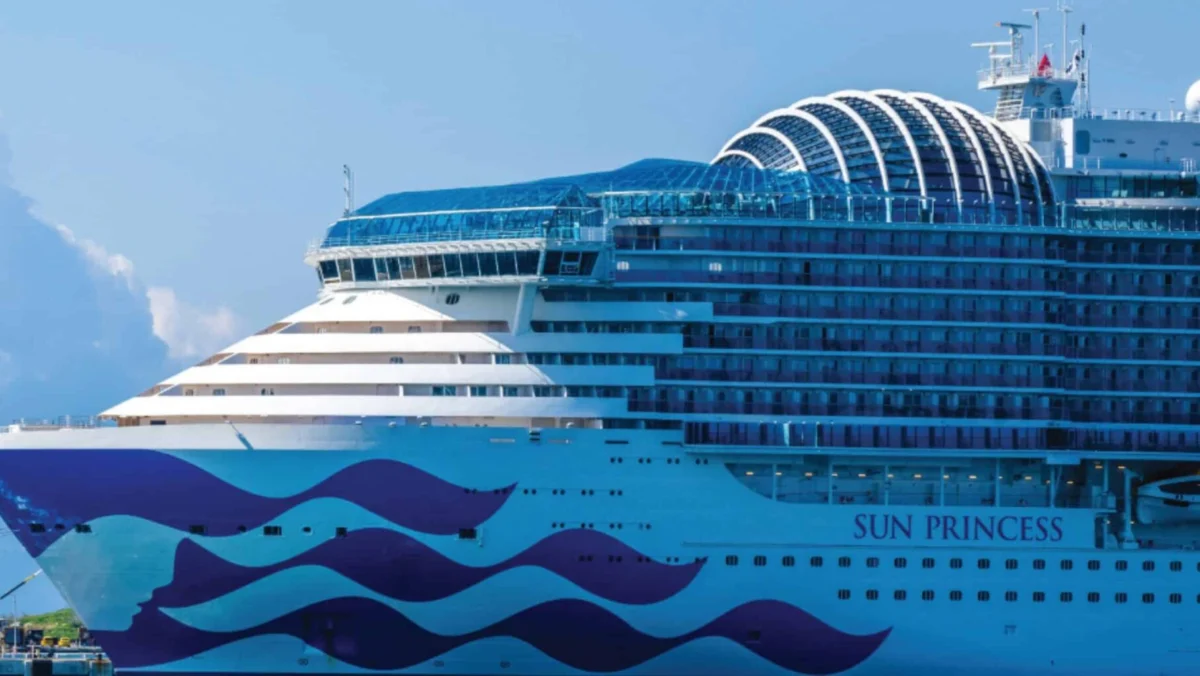
The allure of the Mediterranean aboard the newly christened Sun Princess is proving an irresistible draw for Australian travellers, with a significant contingent choosing to embark on their dream voyages despite escalating global conflicts and the associated travel complexities. Data from a recent sailing from Barcelona to Rome reveals that 550 Australian passengers were among the 4395 guests on board, constituting a notable 12.5% of the total passenger manifest. This figure is particularly striking when considering the substantial distance Australians must travel to reach the Mediterranean, a journey now further complicated by increased flight times, rising costs, and potential insurance risks stemming from geopolitical instability in the Middle East.
Navigating Uncharted Travel Territories
The current geopolitical climate has significantly impacted global travel routes, particularly those transiting the Middle East. A conflict in the region has led to airspace closures and rerouting of flights, forcing travellers to consider longer, more circuitous paths to their destinations. For Australians, accustomed to extensive journeys, this presents an even more daunting proposition. The Sun Princess itinerary, sailing from Barcelona to Rome, typically offers a luxurious escape, but the path to boarding the vessel has become a testament to the determination of its passengers.
On this particular sailing, American guests formed the largest contingent with 2134 passengers, followed by Canadians with 589. However, the presence of 550 Australians underscores a persistent desire for European cruising, even in the face of unprecedented challenges. This dedication is highlighted by the fact that many Australian passengers are extending their Mediterranean experience with pre- or post-cruise land tours, transforming their voyages into comprehensive European holidays.
The Drive to Explore: Motivations Behind the Journey
Several factors are believed to be contributing to this unwavering commitment to Mediterranean cruising. One prevalent theory suggests a strong desire among Australians to escape the colder winter months at home, seeking the warmth and sunshine of the Mediterranean. Another perspective posits a post-pandemic mindset, where travellers, having navigated the restrictions and uncertainties of COVID-19, are less inclined to let external crises dictate their holiday plans. This resilience reflects a broader trend observed in travel behaviour following periods of significant disruption.
However, the most romanticized explanation points to the sheer, unadulterated allure of the Mediterranean lifestyle. The prospect of relaxing with a cocktail, serenaded by Spanish guitar on a breeze carrying the scent of lemon groves, holds a powerful appeal that transcends logistical hurdles. Cruise Passenger spoke with several Australian passengers to understand their motivations and the sacrifices they were willing to make.
Personal Journeys: Stories of Determination
Justin McCracken from Darwin exemplifies this dedication. His family undertook a multi-leg journey from Darwin, via Perth, Singapore, Heathrow, and finally Athens, before embarking on their Mediterranean cruise. This arduous 27-hour travel commitment, compounded by the global fuel crisis, was deemed worthwhile for their much-anticipated holiday. Mr. McCracken further extended his trip with a stay in Athens before his return journey, which included a stopover in Dubai.
Shelley and Steve Baldock from Melbourne also navigated a complex route, flying via Abu Dhabi against advisement. Shelley recounted their decision: "The insurance was like, ‘you know you’re not to fly there,’ and we were like, ‘well, we are, because we’re going on a cruise!’" For the Baldocks, safety concerns were not a deterrent when weighed against the benefits of a Mediterranean cruise. Shelley philosophically stated, "I just think, when your time’s up, your time’s up." This sentiment suggests a prioritization of life experiences over perceived risks.
Both the McCrackens and the Baldocks had booked their cruises over six months in advance, indicating a long-held desire that global events would not derail. Their determination to proceed, even with the added costs and extended travel, speaks volumes about the perceived value of these voyages.
Late Decisions, Unwavering Resolve
The phenomenon is not limited to those with pre-booked itineraries. Andrew McWhinney, from Sydney’s northern beaches, decided to travel at the last minute. Despite the "arduous" 36-hour journey via San Francisco to Barcelona, he found the flights to be more affordable than other options, paying $2800 for an economy return ticket. Crucially, his chosen route allowed him to avoid flying over the Middle East, thereby safeguarding his travel insurance.

Similarly, Cruise Passenger‘s own journalist, Rose Kelly, experienced a 28-hour journey with Turkish Airlines from Sydney, involving two stopovers in Kuala Lumpur and Istanbul before reaching Barcelona. This option, costing $2500 return, was secured just two weeks before her departure, highlighting that even last-minute travellers are finding ways to reach their destinations.
The Enduring Allure of the Mediterranean
When asked about the primary draw of a European cruise, the passengers offered compelling insights. The McCrackens cited the rich culture, history, and architecture, elements they feel are distinctly lacking in their hometown of Darwin. This desire for cultural immersion and historical exploration is a significant motivator for many.
For Shelley Baldock, the motivation was more personal and aspirational. As a Melbourne Bay swimmer, her dream was to swim in the Mediterranean. Despite the water not yet being at summer temperatures, she expressed a preference for the Mediterranean climate over the freezing conditions in Melbourne, highlighting the immediate gratification sought from such a holiday.
A Pattern of Resilience in Travellers
This unwavering commitment to cruising is not an isolated incident. A recent survey conducted by Cruise Passenger revealed that a significant number of readers indicated they would continue with their cruise plans regardless of the Middle East crisis. This reinforces the notion that cruise passengers, as a demographic, exhibit a high degree of resilience and a steadfast dedication to their travel aspirations.
Analysis of Implications and Future Trends
The willingness of Australian travellers to undertake such extensive and potentially costly journeys in the face of geopolitical instability has several implications. Firstly, it underscores the significant economic contribution of this demographic to the cruise industry and the broader tourism sector in Europe. Secondly, it suggests a shift in travel risk assessment, where the perceived benefits of a desired experience may outweigh the potential risks associated with certain travel routes.
The extended flight times and increased costs, while significant, are being absorbed by a determined segment of the market. This could lead to a sustained demand for Mediterranean cruises, even if the logistical challenges persist. Furthermore, the airlines and travel providers that can offer competitive and safe alternative routes are likely to see increased business from this resilient travel segment.
The current situation also highlights the importance of robust travel insurance policies and clear advisement regarding flight routes. Passengers who proactively seek to avoid high-risk areas, like the Middle East, and ensure their insurance remains valid, are better positioned to enjoy their holidays without unforeseen complications.
Looking ahead, this trend may influence how cruise lines and airlines structure their offerings. Greater emphasis on alternative flight paths, flexible booking options, and transparent communication regarding travel advisories will become increasingly crucial. The enduring appeal of iconic destinations like the Mediterranean, coupled with the growing resilience of travellers, suggests that the desire for exploration will continue to drive global tourism, even amidst complex international landscapes.
Cruise Passenger invites its readers to share their perspectives on the current travel climate. The publication is keen to understand how much passengers are willing to spend on flights under the present circumstances in the Middle East, what flight duration would deter them from a European cruise, and whether they would consider flying via the Middle East despite potential insurance implications. Your insights are invaluable in shaping the ongoing dialogue about the future of travel.



 Anjar Salim
 Tatiana Tantri Indah Sari
 Budi Mulyono
 Lukman Taruna Persada Ramadan
