Anjar Salim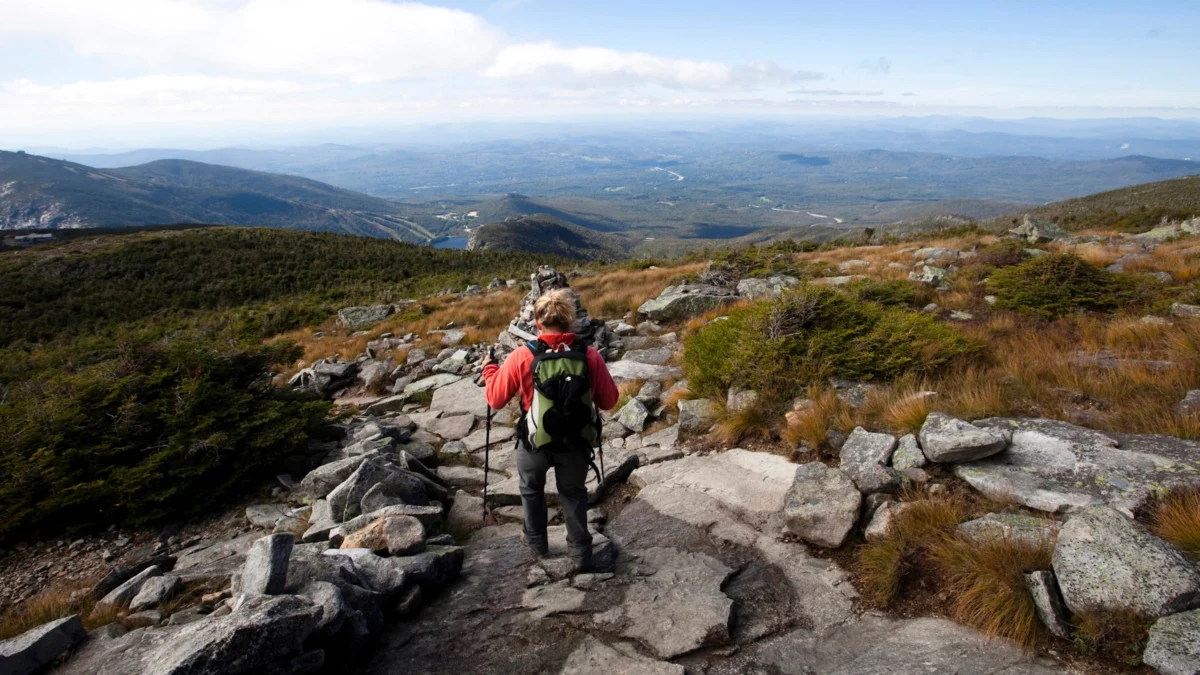
New Hampshire state officials and search-and-rescue personnel are intensifying their public safety appeals following a harrowing week in the White Mountains that saw one fatality and a series of emergency mobilizations. The New Hampshire Fish and Game Department (NHFG) confirmed the death of 61-year-old Kent Wood, a solo hiker from Massachusetts, whose body was recovered on the evening of April 21, 2026. The tragedy has cast a spotlight on the "shoulder season"—a period between winter and summer characterized by volatile, life-threatening weather transitions that often catch even experienced outdoor enthusiasts off guard.
The recovery of Mr. Wood was the culmination of a multi-day search operation in the rugged terrain of Franconia Notch State Park. According to official reports, Wood had traveled to the 6,700-acre park on Friday, April 17, with the intention of spending a weekend solo camping. When he failed to return as scheduled, a search was initiated on April 21. Rescuers eventually located his body approximately five miles from his vehicle, positioned along a steep, rocky trail that ascends toward an alpine ridge—a location known for its exposure to high winds and rapid temperature shifts.
While the specific medical cause of death remains under investigation, NHFG officials noted that Wood appeared to have planned for mild spring conditions. However, the higher elevations of the White Mountains were struck by subfreezing temperatures and several inches of fresh snow during his excursion. Wood’s death is not an isolated incident but rather the most severe outcome of a weekend that saw at least eight different hikers require emergency assistance across the region.
A Chronology of Crisis: A Weekend of Intensive Rescues
The weekend of April 18–21 proved to be one of the busiest for New Hampshire’s search-and-rescue teams in recent years. The timeline of incidents highlights a recurring theme of hikers underestimating the persistence of winter conditions at high altitudes.
On Saturday, April 18, conservation officers and mountain rescue volunteers were dispatched to the summit of Mount Washington, the highest peak in the Northeastern United States. Two teenage hikers had reached the summit but found themselves unable to descend safely due to deteriorating visibility and icy conditions. That same day, a solo female hiker on Mount Chocorua suffered a fractured ankle; rescuers had to coordinate a carry-out operation on technical, slippery terrain to bring her to safety.
The following day, Sunday, April 19, emergency calls continued as three hikers became stranded on a trail within Franconia Notch, the same general area where Wood was camping. On Monday, April 20, as the search for Wood was gaining momentum, another rescue was launched in the White Mountain National Forest to assist a hiker who had become immobilized on a remote trail.
Lieutenant Robert Mancini, a veteran of the NHFG search-and-rescue team since 2011, noted that the sheer volume of calls places an immense strain on state resources. "People doing what they think is a ‘quick spring hike’ can very easily find themselves on a very challenging, winter-condition hike," Mancini stated. He emphasized that the gap between hiker preparation and environmental reality is the primary driver of these emergencies.
The Geography of Risk: Why the White Mountains are Deceptive
The White Mountains encompass roughly a quarter of northern New Hampshire and extend into western Maine, covering over 1,200 miles of trails. The region is home to the Presidential Range, crowned by the 6,288-foot Mount Washington. Despite their relatively modest height compared to the Rockies or the Sierras, the White Mountains are globally recognized for their extreme weather.
The primary danger in April and May is the "lapse rate"—the rate at which temperature decreases with an increase in altitude. On a day when it is 55 degrees Fahrenheit and sunny at the trailhead in the valley, temperatures at the 4,000- or 5,000-foot level can be 20 to 30 degrees lower, often compounded by wind chill.
"The conditions down in the parking lot can differ greatly from the conditions on these summits," Mancini explained. "There can be waist-deep snow in the higher summits, even in April, when the trailhead is bare."
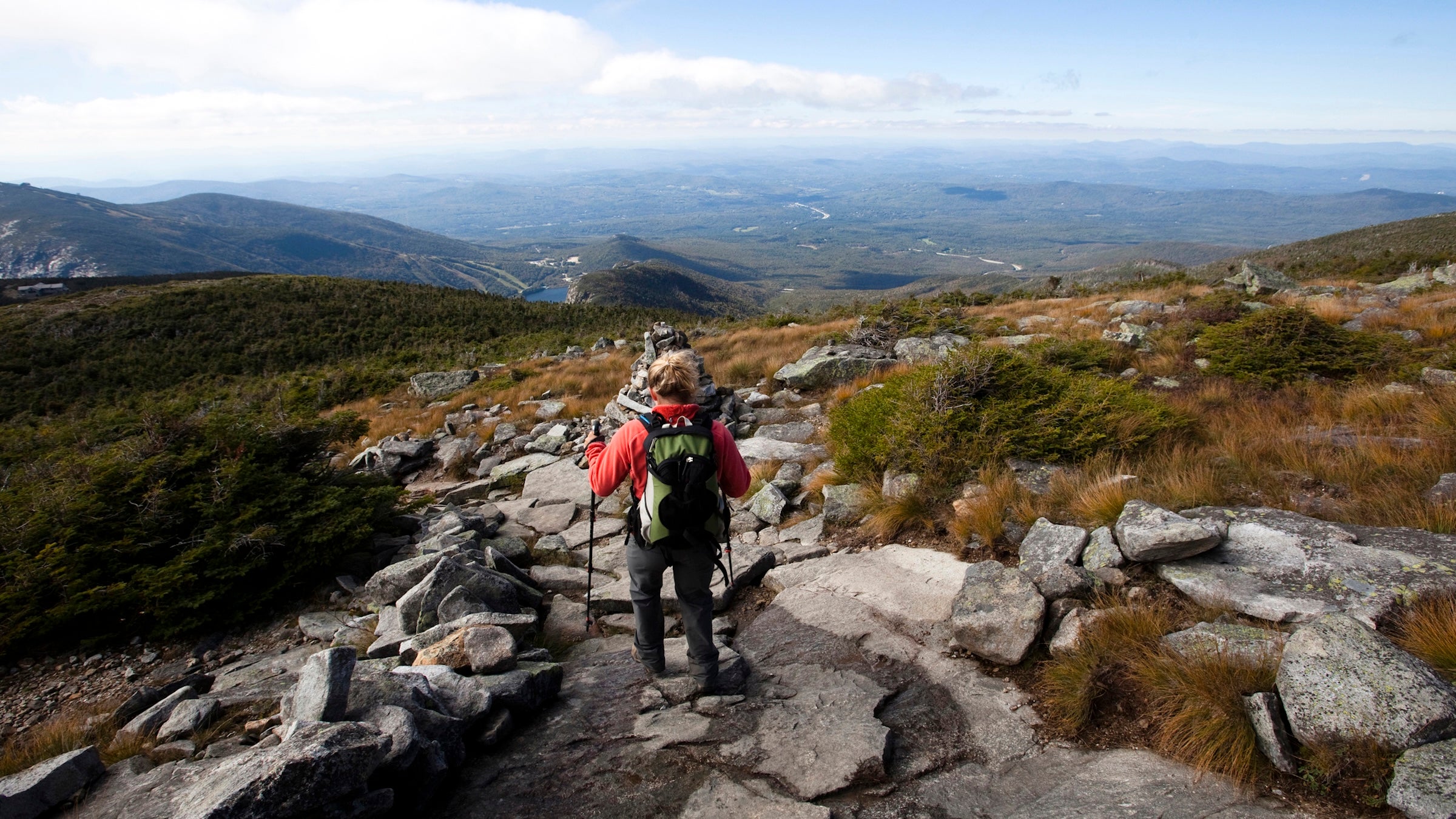
During this "shoulder season," hikers often encounter what is known as "postholing"—a phenomenon where a hiker breaks through the crust of rotting spring snow, sinking up to their waist. This is not only exhausting but can lead to lower-limb injuries or immersion in hidden, frigid meltwater streams flowing beneath the snowpack. Furthermore, trails that appear clear at the bottom often turn into "monorails" of thick, hard-packed ice at higher elevations, requiring specialized traction equipment that many spring hikers fail to carry.
Official Response and Technical Guidance for Backcountry Safety
In the wake of the recent fatality, the New Hampshire Fish and Game Department is reiterating the necessity of the "Ten Essentials," a standardized list of survival gear that should be in every hiker’s pack, regardless of the perceived difficulty of the trek.
- Navigation: A map, compass, and GPS (and the knowledge to use them without cell service).
- Headlamp: With extra batteries, as rescues often extend into the night.
- Sun Protection: Sunglasses and sunscreen to prevent snow blindness.
- First Aid: Including foot care and bandages.
- Knife: Along with a gear repair kit.
- Fire: Matches, lighter, or fire starter in a waterproof container.
- Shelter: A lightweight emergency bivy or tarp.
- Extra Food: Beyond what is planned for the duration of the hike.
- Extra Water: Or the means to purify water from streams.
- Extra Clothes: Specifically moisture-wicking layers and waterproof shells.
Lieutenant Mancini urged hikers to "layer with intention," noting that cotton clothing is a significant liability in the backcountry because it loses all insulating properties when wet. "You need a moisture-wicking base layer, breathable midlayers, a waterproof, windproof shell, and a packable insulation layer for those extended stops," he said.
Beyond gear, officials are highlighting the "HikeSafe" program. For a $25 annual fee, hikers can purchase a HikeSafe card. This card serves as a form of insurance; in the event of a rescue, the cardholder is generally exempt from being billed for the costs of the operation, which can run into the thousands of dollars. However, the state maintains the right to bill hikers for the cost of a rescue if they are found to have acted with "reckless or intentional disregard" for safety, regardless of whether they own a card.
Analysis of Implications: The Psychology of the Trail
The death of Kent Wood and the subsequent rescues raise broader questions about the psychology of outdoor recreation in an era of increasing accessibility. Search-and-rescue experts often point to "summit fever"—the obsessive drive to reach a destination regardless of environmental cues—as a leading cause of accidents.
"The hardest skill to understand for a hiker is knowing when to turn around and go back," Mancini observed. "The goal should be not completing your hike, but getting back to your vehicle safely. Turning around isn’t failure, it’s good judgment."
The data from the NHFG suggests that the shoulder season remains the most dangerous time for hikers precisely because of its ambiguity. In mid-winter, hikers expect the cold and prepare accordingly with heavy parkas and crampons. In mid-summer, the risks are primarily dehydration or thunderstorms. April, however, presents a lethal cocktail of both seasons. The melting snowpack makes trails unstable, while the air temperature remains low enough to induce hypothermia within minutes of a hiker getting wet or stopping to rest.
Looking Ahead: Policy and Public Awareness
The recent events are likely to spark renewed debate within the New Hampshire state legislature regarding the funding of search-and-rescue operations. Currently, NHFG is funded largely through hunting and fishing licenses and off-highway recreational vehicle registrations, yet a significant portion of their rescue work involves hikers who do not contribute to these funds. The HikeSafe card was an attempt to bridge this financial gap, but the high frequency of rescues this spring suggests that public education may need to be augmented by more aggressive trailhead messaging or seasonal closures of high-risk routes.
As the 2026 spring season continues, the message from Concord remains clear: the White Mountains do not follow the calendar. Until the deep snowpack in the ravines and on the ridges fully dissipates—usually not until late June—the region remains a winter environment.
For the family of Kent Wood and the seven other hikers who were rescued last weekend, the lessons of the White Mountains have been learned at a high cost. Authorities are hoping that by sharing the details of these incidents, other adventurers will approach the peaks with the humility and preparation required to survive New Hampshire’s most deceptive season.



 Chandra Hamzah
 Gabriela Annisa
 Tatiana Tantri Indah Sari
 Budi Mulyono