
 Chandra Hamzah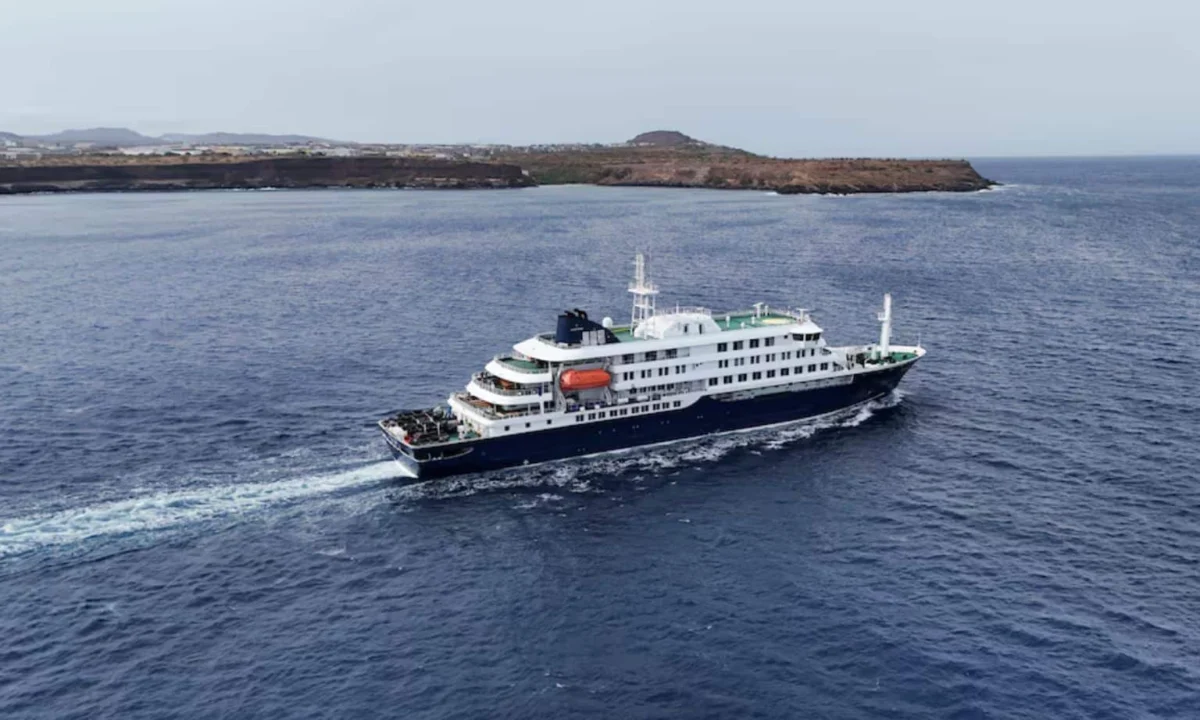
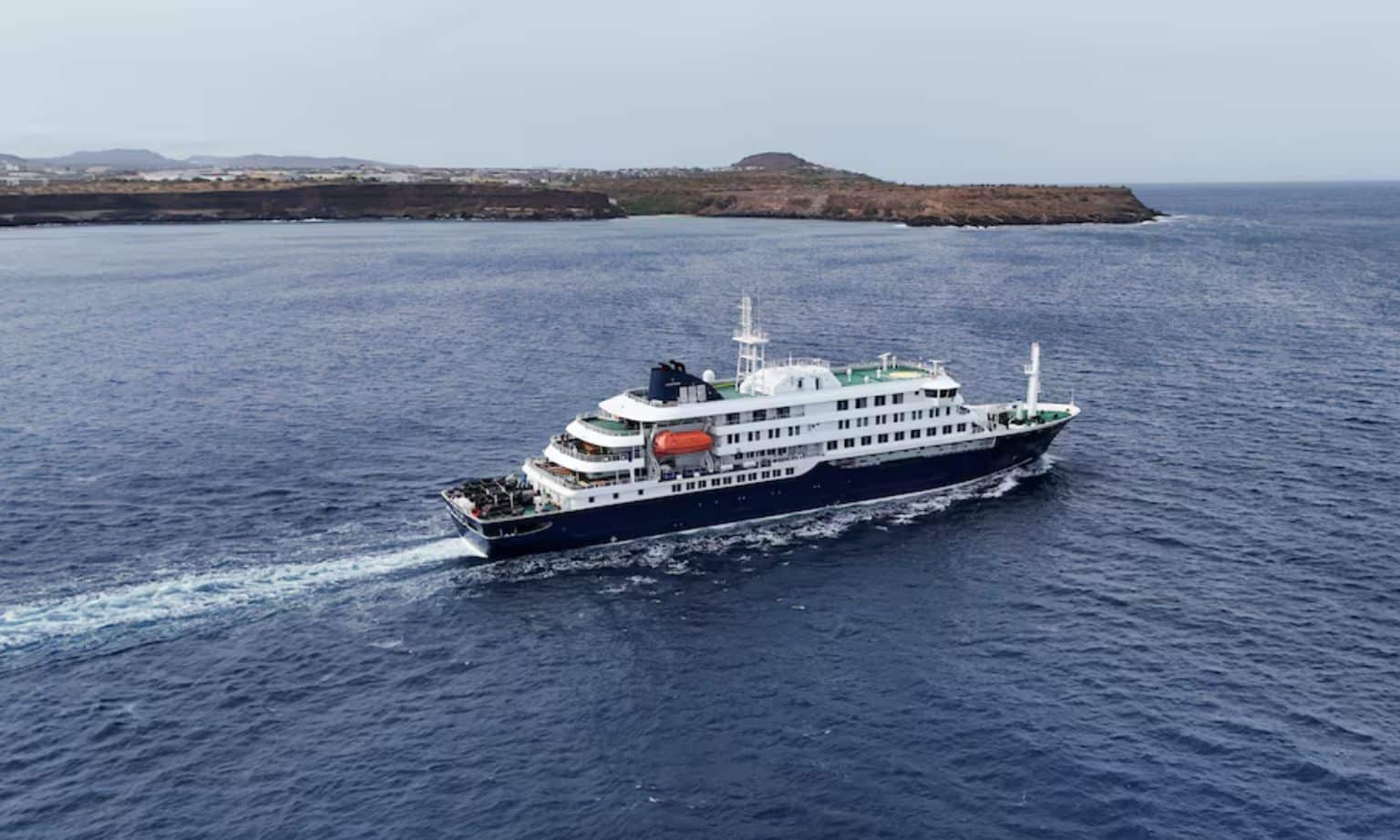
A critical repatriation flight designed to bring four Australian citizens and one permanent resident home from the cruise ship MV Hondius, which has become the centre of global concern due to a deadly hantavirus outbreak, has unexpectedly failed to arrive in Spain, leaving the individuals in limbo in the Netherlands. The prolonged delay has heightened anxieties for the stranded passengers, who were among the last to disembark from the vessel after it docked in Tenerife under stringent biosecurity protocols.
The MV Hondius arrived in Tenerife following a harrowing journey, having been forced to dock due to adverse weather conditions after initially anchoring offshore. Its arrival triggered significant local protests, with residents of the Canary Islands expressing deep concerns about the region’s preparedness to handle a viral outbreak of this nature. The ship’s presence has been managed under the tightest biosecurity operation seen since the early days of the COVID-19 pandemic, underscoring the gravity with which health authorities are treating the situation.
While reports from Tenerife indicated that none of the Australian passengers were exhibiting symptoms of the hantavirus, they were among the final group to leave the ship, with their departure scheduled for no earlier than 5 PM on Monday, local time, pending the arrival of their long-awaited repatriation plane. The initial plan was for these individuals to be flown to Perth on an Australian government-supported charter flight. This flight was intended to include medical personnel and ensure the passengers would be placed in quarantine facilities upon arrival. Quarantine arrangements for the passengers, originating from New South Wales and Queensland, were to be managed by their respective state governments.
The failure of the initial repatriation flight to reach Spain has created an unexpected complication. Instead of proceeding directly to their planned quarantine in Australia, the passengers are now reportedly stuck in the Netherlands. The exact reasons for the flight’s diversion or failure to arrive as scheduled in Spain are yet to be officially clarified, adding to the uncertainty surrounding their journey home.
Chronology of the MV Hondius Hantavirus Outbreak
The hantavirus crisis aboard the MV Hondius began to unfold when initial reports emerged of illness among passengers. The ship, which had been on an expedition cruise, found itself at the centre of a public health emergency. The outbreak gained international attention due to the particularly dangerous nature of the specific hantavirus strain involved.
- Initial Outbreak: The first indications of a health crisis emerged, prompting concern among passengers and authorities.
- Diversion to Tenerife: The MV Hondius was diverted to Tenerife in the Canary Islands, Spain, to manage the unfolding situation. Its arrival was met with significant local apprehension and protests.
- Biosecurity Measures: The ship was placed under strict biosecurity protocols, reflecting the severity of the health threat.
- Passenger Disembarkation: Passengers began disembarking under controlled conditions. American passengers were reportedly flown to Nebraska for quarantine at the National Quarantine Unit.
- Repatriation of Australians: A plan was put in place for the repatriation of four Australian citizens and one permanent resident via a government-supported charter flight, with a stopover planned in Spain.
- Flight Disruption: The repatriation flight intended for Spain failed to arrive, leading to the passengers being stranded in the Netherlands.
- Ongoing Monitoring: Health authorities worldwide are monitoring passengers for at least 42 days post-exposure, a standard protocol for hantavirus.
The Nature of the Hantavirus Threat
Health authorities have confirmed that the passengers aboard the MV Hondius were infected with a rare strain of hantavirus that can spread between humans. This confirmation significantly elevated the level of concern and necessitated the implementation of extreme precautionary measures, including extensive contact tracing operations. While most hantavirus strains are transmitted through rodent droppings, the person-to-person transmission capability of the Andes strain presents a more complex public health challenge.
The precise origin of the outbreak on the ship remains under investigation. However, initial suspicions point towards a Dutch couple who may have contracted the virus during a bird-watching excursion in Argentina. This highlights the potential for travel to become a vector for the spread of infectious diseases, particularly in environments where close contact is unavoidable, such as on a cruise ship.
The World Health Organisation (WHO) has been actively involved in assisting health authorities in Tenerife, providing guidance on safety processes and protocols. Their recommendations include a prolonged monitoring period for departing cruise passengers, extending up to 42 days from their last potential exposure to the virus. This extended surveillance period is crucial for detecting any latent infections and preventing further spread.
As of the latest reports, there have been eight confirmed cases of hantavirus linked to the outbreak, resulting in three fatalities. The Department of Foreign Affairs has remained tight-lipped regarding whether any of the Australians have displayed symptoms, stating only that they are "considering options for the safe repatriation" and that their "priority is the safety of the community."
Further complicating the situation, another Australian who was on the cruise disembarked at an earlier port and has since returned to Australia without incident. In total, 33 passengers had disembarked prior to the ship’s arrival in Tenerife. One of these individuals subsequently tested positive for the virus and is currently hospitalized in Switzerland, underscoring the potential for the virus to spread beyond the ship’s immediate vicinity.
WHO Director-General Addresses Global Concerns
In response to widespread public anxiety, both within Tenerife and internationally, WHO Director-General Dr. Tedros Adhanom Ghebreyesus issued a rare, direct statement. He acknowledged the fear and the resurfacing memories of the COVID-19 pandemic, stating, "I know you are worried. I know that when you hear the word ‘outbreak’ and watch a ship sail toward your shores, memories surface that none of us have fully put to rest. The pain of 2020 is still real, and I do not dismiss it for a single moment."
However, Dr. Ghebreyesus emphatically sought to allay fears, differentiating the current situation from the global COVID-19 crisis. "But I need you to hear me clearly: this is not another COVID. The current public health risk from hantavirus remains low. My colleagues and I have said this unequivocally, and I will say it again to you now," he stated. He reiterated that the virus aboard the MV Hondius is the Andes strain, which is serious, and extended condolences to the families of the three deceased individuals. He emphasized that the WHO’s assessment of low risk to the daily lives of Tenerife residents is made with utmost seriousness.
Dr. Ghebreyesus also confirmed that there were no symptomatic passengers onboard at the time of his statement. He detailed the meticulous disembarkation process that had been prepared, involving transportation from the industrial port of Granadilla, situated away from residential areas. Passengers were to be ferried ashore in sealed, guarded vehicles, traversing a completely cordoned-off corridor, and directly repatriated to their home countries, minimizing any potential contact with the local population.
Implications and Broader Impact
The hantavirus outbreak on the MV Hondius serves as a stark reminder of the ongoing risks associated with infectious diseases, particularly in the context of global travel and confined environments like cruise ships. While the WHO’s reassurances about the low public health risk are encouraging, the incident highlights several critical points:
- Vulnerability of Travel: Cruise ships, while offering unique travel experiences, can become breeding grounds for infectious diseases, especially when encountering rare and transmissible strains. The rapid global connectivity facilitated by air travel means that outbreaks can spread quickly if not contained.
- Biosecurity Preparedness: The stringent biosecurity measures implemented in Tenerife underscore the critical need for robust public health infrastructure and emergency response plans at ports of entry worldwide. The protests in Tenerife indicate a lingering public concern about preparedness, even in well-established tourist destinations.
- International Cooperation: The involvement of the WHO and the coordinated efforts to repatriate passengers from multiple countries demonstrate the importance of international cooperation in managing global health crises.
- Public Perception and Information Dissemination: The WHO’s direct communication strategy was crucial in managing public perception and preventing panic, especially in light of the lingering trauma from the COVID-19 pandemic. Clear, factual, and timely information is paramount in such situations.
- Long-Term Health Monitoring: The recommended 42-day monitoring period for passengers emphasizes the importance of ongoing vigilance and the potential for diseases to have incubation periods that extend beyond immediate disembarkation.
The delay in the Australian repatriation flight, while seemingly a logistical hiccup, adds another layer of stress for the passengers involved and highlights the complexities of managing such sensitive international operations. The focus remains on ensuring their safe return and proper quarantine, underscoring the commitment of governments to the well-being of their citizens abroad. The incident also prompts a broader examination of the safety protocols and risk assessments inherent in modern cruising and international travel.




 Anjar Salim
 Tatiana Tantri Indah Sari
 Budi Mulyono
 Lukman Taruna Persada Ramadan
