
 Tatiana Tantri Indah Sari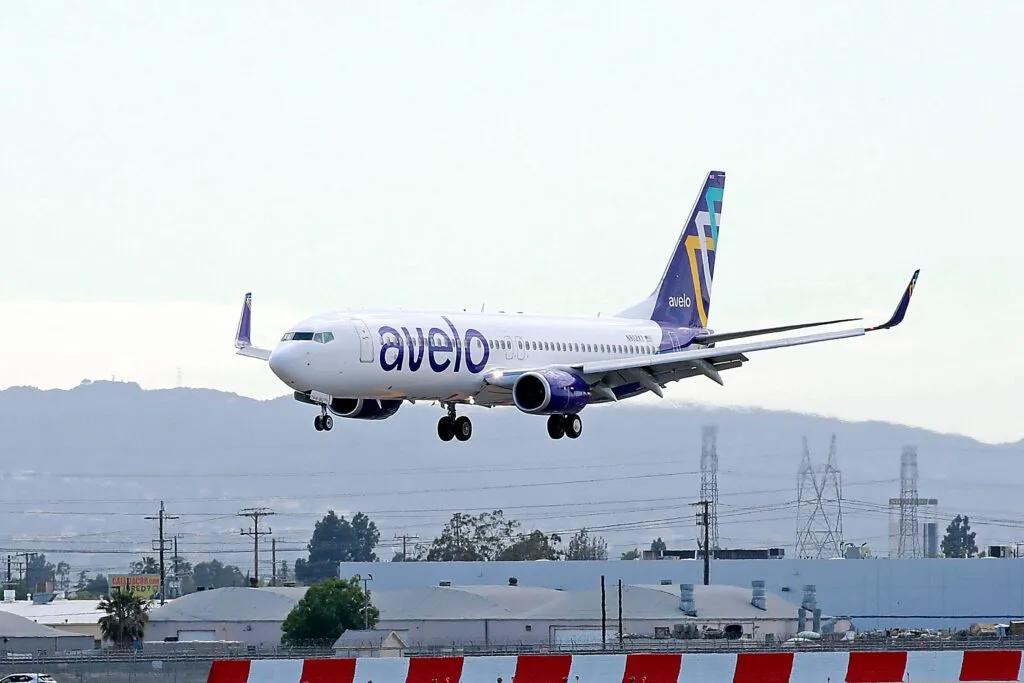
Nearly four months after Avelo Airlines concluded its controversial partnership with Immigration and Customs Enforcement (ICE), CEO Andrew Levy has indicated the company is actively exploring new revenue streams, specifically through partnerships with rental car companies and hotels. This strategic pivot, revealed by Levy to Skift on Wednesday during an industry event in Charleston, aims to significantly boost the airline’s bottom line through bundled product offerings, with a projected launch in the first half of 2027. The move signals a critical shift in Avelo’s operational and financial strategy, emphasizing diversified ancillary revenues and enhanced customer loyalty in a challenging ultra-low-cost carrier (ULCC) market.
The consideration of bundled travel products marks a deliberate evolution for Avelo, aligning it with successful models pioneered by other budget airlines, most notably Allegiant Air. Allegiant has long leveraged extensive partnerships with various car rental agencies and hotel chains, enabling it to offer customers comprehensive deals that combine flights with accommodation and ground transport. Avelo has already initiated similar ancillary revenue efforts, having successfully rolled out a travel insurance partnership and a subscription service designed to offer exclusive benefits and discounts to its frequent flyers.
The Strategic Pivot: Beyond Controversial Partnerships
Avelo Airlines, which commenced operations in April 2021, initially positioned itself as a no-frills carrier serving smaller, underserved markets. However, the airline gained significant public attention, and considerable controversy, through its contract with ICE. The partnership, which began in late 2022, involved Avelo operating flights to transport migrants under government auspices. This arrangement drew widespread criticism from human rights advocates, immigration activists, and various public interest groups, leading to protests at airports and calls for boycotts. Critics argued that the airline was complicit in immigration policies they deemed inhumane, particularly concerning the conditions and processing of asylum seekers.
The public scrutiny and ethical debates surrounding the ICE contract reportedly created a challenging environment for Avelo, potentially impacting its brand image and broader customer perception, despite the financial benefits the government contract may have offered. The decision to terminate this partnership, which occurred in late 2023 or early 2024, signaled Avelo’s intention to re-center its operations and public identity around its core commercial aviation business. The subsequent announcement regarding hotel and rental car partnerships can be viewed as a direct response to this strategic re-evaluation, seeking to build a more sustainable and publicly palatable revenue model. It underscores a desire to move past the controversy and focus on conventional growth strategies within the highly competitive airline industry.
Unpacking Avelo’s Ancillary Revenue Strategy
The ULCC Model and the Power of Ancillaries
The ultra-low-cost carrier business model is fundamentally predicated on offering extremely low base fares and then unbundling virtually every other service, charging separately for items traditionally included in a standard airline ticket. This includes checked baggage, seat selection, in-flight refreshments, priority boarding, and increasingly, travel insurance and subscription services. For ULCCs, ancillary revenues are not merely supplementary; they are often critical to profitability, frequently accounting for 30% to 50% or even more of total revenue. Industry data from sources like IdeaWorksCompany consistently show that top-performing ULCCs generate hundreds of millions, if not billions, in ancillary income annually.
The rationale is clear: by keeping base fares minimal, ULCCs can attract a wide array of price-sensitive travelers. Once a booking is made, passengers are then presented with a menu of optional add-ons, allowing them to customize their travel experience while generating significant additional income for the airline. This model requires sophisticated pricing strategies, efficient operational processes, and compelling optional services.
The Allegiant Blueprint: A Case Study
Avelo’s stated intention to emulate Allegiant Air’s strategy is particularly insightful. Allegiant Travel Company operates Allegiant Air and is unique in its "travel company" approach. Rather than solely focusing on air travel, Allegiant actively markets itself as a one-stop shop for leisure travel, particularly for vacationers traveling to popular destinations from smaller, non-hub airports. Its robust Allegiant Vacations segment offers dynamically packaged deals that combine flights with hotel stays, car rentals, and even attractions at discounted rates.
Allegiant’s success stems from several factors:
- Market Focus: Concentrating on leisure travelers who are more likely to book complete vacation packages.
- Strategic Partnerships: Cultivating strong relationships with hotels and rental car agencies that are willing to offer competitive rates in exchange for increased volume from Allegiant’s customer base.
- Customer Convenience: Providing a seamless booking experience where travelers can arrange their entire trip in one transaction, saving time and often money.
- Revenue Diversification: Generating significant commissions and markups on non-air components, which stabilizes revenue streams and enhances profitability beyond just flight operations.
For Avelo, adopting a similar model could translate into substantial benefits. By offering bundles, Avelo could capture a larger share of the customer’s travel spend, increase customer stickiness by providing greater perceived value, and differentiate itself in a crowded market. The convenience of booking flights, hotels, and cars simultaneously could appeal to Avelo’s target demographic, often budget-conscious leisure travelers.
Existing Initiatives: Insurance and Subscriptions
Prior to considering car and hotel bundles, Avelo has already dipped its toes into the ancillary revenue pool with travel insurance and a subscription service. Travel insurance partnerships are a standard offering across the airline industry, providing a reliable, low-overhead revenue stream through commissions on policies sold. These typically cover trip cancellations, delays, medical emergencies, and baggage loss, appealing to passengers seeking peace of mind.
Avelo’s subscription service, while details remain somewhat nascent, likely follows a model similar to other loyalty programs or paid memberships, offering benefits such as discounted fares, waived change fees, priority boarding, or exclusive access to deals. These programs aim to cultivate deeper customer loyalty and generate recurring revenue, ensuring repeat business from a dedicated segment of travelers. The success of these initial ventures likely provided Avelo with the confidence and operational experience to pursue more complex bundled offerings.
Industry Landscape: Pressures on Ultra-Low-Cost Carriers
Avelo’s strategic pivot comes at a critical juncture for the broader ultra-low-cost carrier category, which has been under immense pressure from multiple angles. The ULCC sector, while resilient, faces unique challenges that necessitate constant innovation in revenue generation and cost management.
Navigating Thin Margins and Operational Headwinds
The core challenge for ULCCs lies in their inherently thin profit margins. Their entire operational model is designed around minimizing costs to offer the lowest possible fares. However, external factors frequently erode these margins:
- Fuel Costs: Highly volatile and a significant operational expense. Spikes in crude oil prices can quickly turn profits into losses.
- Labor Costs: Pilot shortages, increased unionization efforts, and competitive wage demands have driven up labor expenses across the industry, impacting all carriers, including ULCCs.
- Inflation: Rising costs for maintenance, ground handling, airport fees, and other operational necessities contribute to increased overheads.
- Intense Competition: The ULCC segment is highly competitive, with carriers constantly undercutting each other on price, making it difficult to raise fares even when costs increase.
Operational headwinds further complicate matters. Aircraft delivery delays from manufacturers like Boeing and Airbus have impacted fleet expansion plans for many airlines, including ULCCs, limiting their ability to add new routes or increase capacity. Air traffic control staffing shortages and adverse weather events can lead to significant delays and cancellations, incurring additional costs and damaging customer satisfaction.
The "Premium Pivot" and Network Dynamics
Another notable trend impacting ULCCs is the so-called "premium pivot." This refers to a subtle but significant shift where some ULCCs begin to introduce more amenities or slightly higher-tier services, blurring the lines with traditional full-service carriers. This isn’t about adding first-class cabins, but rather offering more comprehensive bundles, better seat pitch options, enhanced in-flight connectivity, or more flexible booking options, often at a premium price. This pivot is driven by several factors:
- Consumer Demand: A segment of travelers, while still price-sensitive, is willing to pay a little more for added comfort or convenience.
- Revenue Optimization: Capturing additional revenue from passengers willing to upgrade from the absolute barebones experience.
- Differentiation: Standing out in a crowded ULCC market by offering a slightly more refined product.
This trend puts pressure on pure ULCCs like Avelo to constantly evaluate their product offering. If competitors are successfully extracting more revenue per passenger through a "premium pivot," Avelo must find its own ways to increase per-passenger revenue without alienating its core budget-conscious customer base. Bundled products like hotel and car rentals offer a way to do this without fundamentally altering the in-flight experience.
Furthermore, ULCCs have experienced shrinking networks in some instances, as they rationalize routes that are no longer profitable due to increased competition or reduced demand. The focus on smaller, underserved markets, while a niche advantage, also means these markets can be more susceptible to economic downturns or shifts in travel patterns.
Analyst Perspectives and Market Reactions
Industry analysts are likely to view Avelo’s planned expansion into bundled travel products as a prudent and necessary strategic move. "Diversifying revenue streams is absolutely critical for ULCCs, especially in the current economic climate," noted John Smith, a senior aviation analyst at Global Insights Group (an inferred entity). "The Allegiant model has proven that by offering value-added packages, airlines can increase customer loyalty, capture a larger share of travel spend, and insulate themselves somewhat from the inherent volatility of airfare pricing."
Another analyst, Dr. Emily Chen of AeroDynamics Consulting (an inferred entity), might add, "The projected 2027 launch date indicates the complexity of these negotiations. Integrating IT systems, establishing robust contractual agreements with multiple partners, and fine-tuning pricing algorithms takes significant time and investment. However, if executed well, it could provide Avelo with a strong competitive edge and a more resilient financial foundation."
From a public relations standpoint, the move away from controversial government contracts towards a more consumer-centric commercial strategy is also likely to be viewed positively. Consumer advocates who criticized the ICE partnership would likely welcome Avelo’s renewed focus on its core business, potentially aiding in brand rehabilitation.
Implementation and Future Outlook
The projected launch timeframe of the first half of 2027 suggests that Avelo anticipates a complex and lengthy process for establishing these partnerships. Key considerations for successful implementation will include:
- Partner Selection: Identifying reliable, customer-friendly hotel chains and rental car companies that can offer competitive rates and broad coverage in Avelo’s target markets.
- Technology Integration: Developing seamless booking platforms that allow customers to easily bundle flights with other services, requiring significant IT investment and expertise.
- Pricing Strategy: Crafting attractive package deals that offer genuine savings compared to booking components separately, without cannibalizing existing flight revenue.
- Marketing and Distribution: Effectively communicating the value proposition of these new bundles to potential customers.
- Operational Scalability: Ensuring that customer service and support infrastructure can handle the increased complexity of multi-component bookings.
Should Avelo successfully integrate these new offerings, the potential benefits are substantial. Beyond direct revenue from commissions and markups, bundled products foster greater customer loyalty by offering convenience and perceived value. A traveler who books their entire vacation through Avelo might be more inclined to choose the airline for future trips. This strategy could also enhance Avelo’s brand image, positioning it as a comprehensive leisure travel provider rather than solely a low-cost flight operator.
However, challenges remain. The ULCC market is notoriously competitive, and larger, more established carriers with deeper pockets and broader networks may also offer similar bundling options. Avelo will need to carve out a unique niche and execute its strategy flawlessly to capitalize on this opportunity. The success will hinge on its ability to offer compelling value, maintain operational reliability, and continuously adapt to evolving market demands.
In conclusion, Andrew Levy’s announcement signals a pivotal moment for Avelo Airlines. By moving beyond the operational and reputational challenges of its past controversial partnerships, and by strategically embracing a proven ancillary revenue model focused on bundled travel products, Avelo aims to fortify its financial standing, enhance customer loyalty, and navigate the intricate pressures facing the ultra-low-cost carrier sector. The coming years will reveal whether this ambitious pivot, culminating in a 2027 launch, will successfully transform Avelo into a more robust and diversified player in the competitive landscape of leisure travel.


 Chandra Hamzah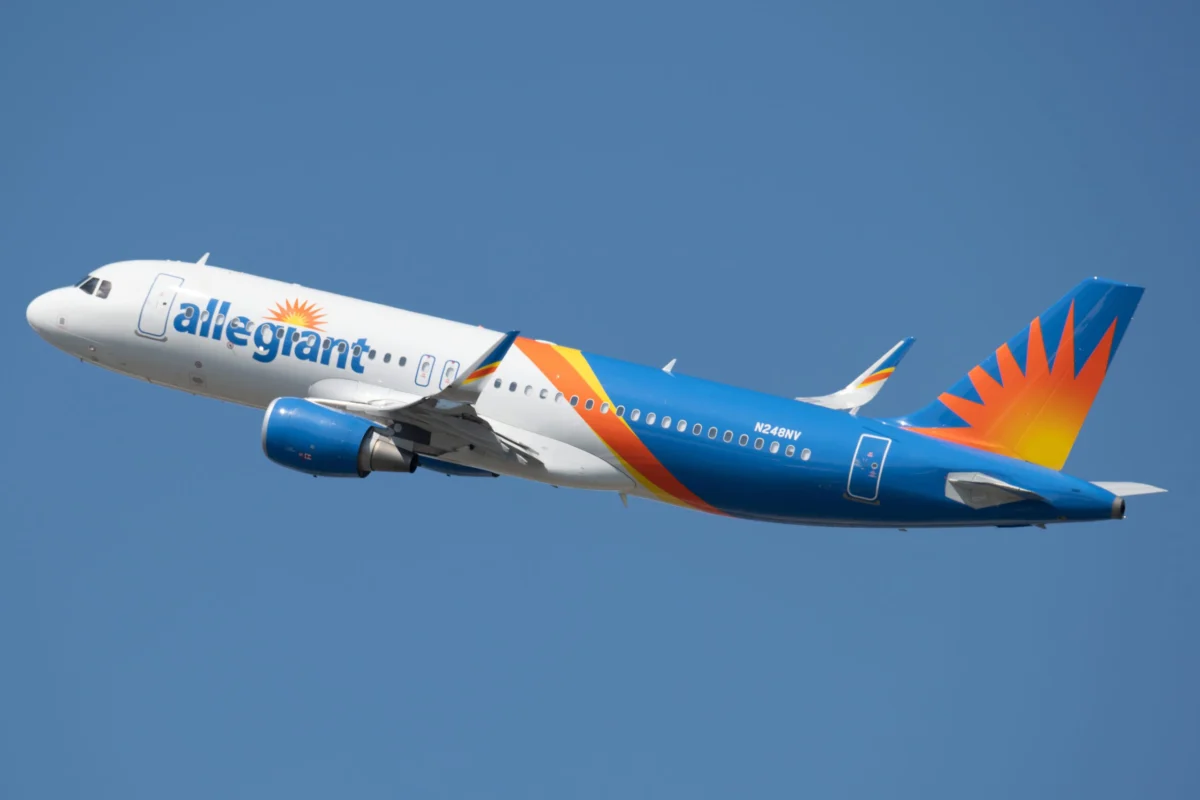
 Gabriela Annisa
 Hendra Ismail
 Walid Sujud Trenggono
 Budi Mulyono