
 Chandra Hamzah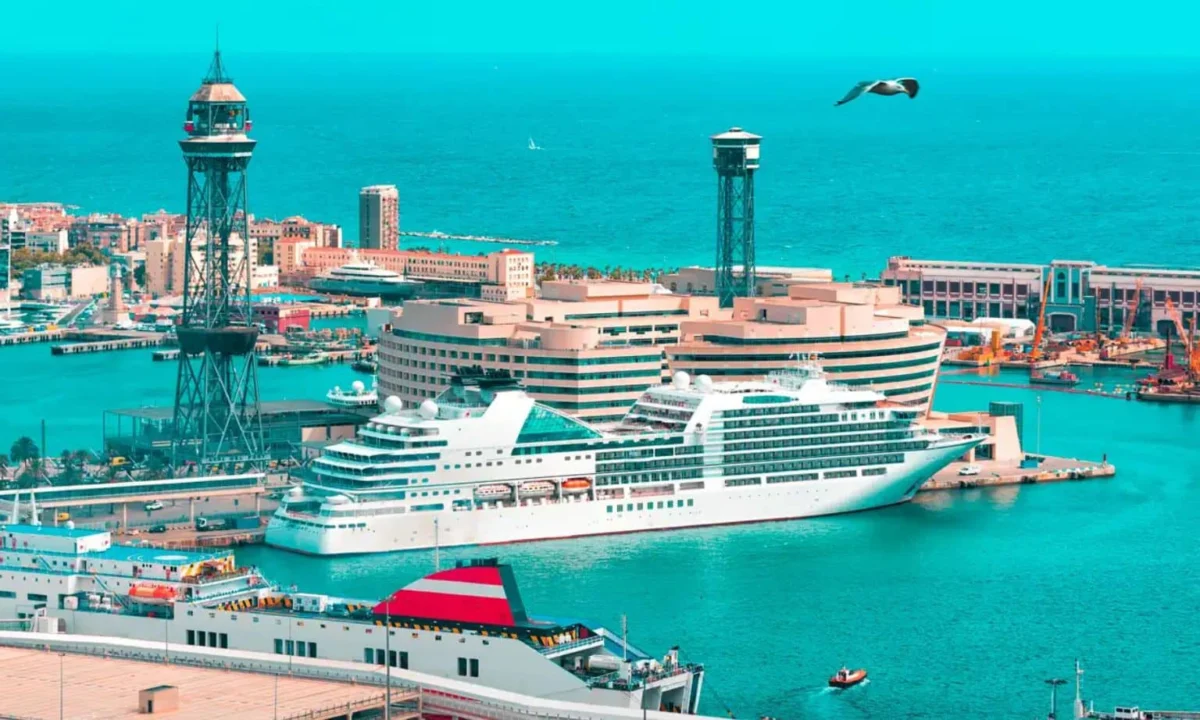
Barcelona’s local government has decisively moved to implement a substantial increase in taxes levied on cruise ship passengers, a bold move signaling a strategic shift in the city’s approach to managing tourism and its impact on local life. The current levy of 11 euros per passenger will skyrocket to 30 euros, representing a dramatic surge of 19 euros per individual, or approximately AUD$49 compared to the current AUD$18. This significant financial adjustment is poised to reshape the economics of cruise calls to the Catalan capital, particularly for vessels that do not originate or end their voyages in Barcelona.
This substantial tax increase, approved by the local government, is expected to officially become law later this year, marking a pivotal moment in Barcelona’s ongoing battle against overtourism. Previously, there were plans for a more gradual tax increment, and the cruise and travel industry had actively lobbied for a reconsideration of any substantial hikes. However, the city’s administration has opted for a more assertive stance, underscoring a growing determination to curb the influx of large tourist groups.
The new taxation policy will specifically target cruise ships that make short stopovers, spending less than 12 hours in port. This distinction means that ships with Barcelona as their home port, where passengers embark and disembark, will be exempt from this particular tax increase. This strategic exclusion suggests a desire to support the economic benefits derived from homeported cruises, such as hotel stays and local spending by passengers before and after their voyages, while primarily addressing the impact of transient visitors.
Beyond the per-passenger tax, the approved measures also introduce a stringent cap on the total number of cruise passengers allowed in the city annually. Barcelona currently welcomes approximately four million cruise passengers each year. The new policy will impose a limit of 3.5 million passengers annually, effectively necessitating the cancellation of hundreds of cruise itineraries that would otherwise contribute to exceeding this threshold. Furthermore, the city intends to reduce the number of operational cruise terminals from seven to five, a move aimed at consolidating port activity and potentially streamlining operations while also limiting capacity.
City officials have articulated these measures as essential tools for mitigating the pervasive issue of overtourism. Barcelona has long grappled with the challenges posed by its immense popularity, having recorded a staggering 26 million visitors in 2026, a figure that highlights the strain on local infrastructure and the quality of life for residents. While a reduction of 500,000 cruise passengers per season might represent only a modest two percent decrease in overall visitor numbers, it is viewed by the city as a crucial initial "dissuasive" step. The administration’s long-term objective is to further reduce the volume of cruise passenger traffic in the future, signaling a clear intention to prioritize sustainable tourism models.
This initiative is part of a broader strategy to manage tourism across various sectors. The city has already implemented increased tourist taxes on hotels and short-term rental accommodations. Moreover, Barcelona is planning a significant regulatory overhaul by revoking the licenses of all 10,000 existing short-term rental properties by 2028, a move that will fundamentally alter the landscape of tourist lodging.
Historical Context and Precedent
Barcelona’s struggle with overtourism is not a recent phenomenon. The city has been a premier tourist destination for decades, attracting millions of visitors annually due to its rich cultural heritage, vibrant nightlife, architectural marvels, and Mediterranean charm. However, the rapid escalation of visitor numbers, particularly in the last decade, has led to significant social and environmental pressures.
The cruise industry, in particular, has been a focal point of this debate. Cruise ships, while bringing significant economic activity to the port and city, also concentrate a large number of visitors into short periods, often overwhelming public transport, streets, and popular attractions. This has led to increased congestion, noise pollution, and a strain on local resources.
The idea of taxing tourists to fund local infrastructure and services is not new to Barcelona. The city first introduced a tourist tax in 2012, which has since been gradually increased and expanded to various accommodation types. However, the focus has increasingly shifted towards addressing the specific impact of cruise tourism.
Previous discussions and proposals regarding cruise passenger taxes in Barcelona have often been met with resistance from industry stakeholders. The Cruise Lines International Association (CLIA) and other industry bodies have historically argued that cruise passengers already contribute significantly to the local economy through onboard spending, shore excursions, and pre- or post-cruise hotel stays. They have also raised concerns about the potential for discriminatory taxation against a specific segment of the travel market.
The decision to implement such a substantial increase now suggests a tipping point has been reached, where the perceived negative impacts of unchecked cruise tourism have outweighed the arguments for industry accommodation. The timing of this decision also aligns with a broader global trend of cities re-evaluating their tourism strategies in the post-pandemic era, with a greater emphasis on sustainability and resident well-being.
Economic Implications of the Tax Hike
The financial implications of the new tax for cruise lines are substantial. A single cruise ship carrying 4,000 passengers, for instance, would now face an additional cost of approximately $124,000 (approximately €114,000) per stop in Barcelona, bringing the total passenger tax for such a vessel to around $196,000 (approximately €180,000). If a ship were to make 15 such stops during a summer season, the cumulative impact of this specific passenger tax alone could amount to an estimated $3 million (approximately €2.7 million).
This increased operational cost could lead to several outcomes for cruise operators. Some may choose to absorb the tax increase, which would ultimately be passed on to passengers in the form of higher cruise fares. Others might opt to reduce the number of calls to Barcelona, seeking alternative destinations that offer more favorable economic conditions. This could lead to a diversification of itineraries and potentially benefit other Mediterranean ports.
The reduction in the number of cruise terminals from seven to five is also a significant strategic move. This consolidation could lead to operational efficiencies for the port authority and potentially reduce the environmental impact associated with managing multiple terminal facilities. However, it could also create bottlenecks if passenger numbers remain high, necessitating careful management of embarkation and disembarkation processes.
Broader Context: The Global Overtourism Debate
Barcelona’s actions are emblematic of a growing global movement by cities to regain control over their tourism sectors. Destinations worldwide are grappling with the consequences of their own success, facing issues such as overcrowded public spaces, rising housing costs due to short-term rentals, environmental degradation, and the erosion of local culture.
Examples of similar measures in other destinations include:
- Venice, Italy: Has implemented various measures to control visitor numbers, including entry fees for day-trippers and restrictions on large cruise ships entering its historic lagoon.
- Amsterdam, Netherlands: Has taken steps to limit the number of tourists, including bans on new hotels in the city center and stricter regulations on short-term rentals.
- Dubrovnik, Croatia: Has introduced measures to limit the number of cruise ship passengers allowed ashore each day, aiming to preserve the historic Old Town from overwhelming crowds.
- Palma de Mallorca, Spain: Has also been vocal about its concerns regarding overtourism and has explored various strategies to manage visitor numbers, including potential tourist taxes and restrictions on tourist accommodations.
These diverse approaches highlight a shared understanding among urban policymakers that unchecked tourism growth can be detrimental. The focus is shifting from simply maximizing visitor numbers to fostering sustainable tourism that benefits both the local economy and the well-being of residents.
Official Statements and Anticipated Reactions
While specific official statements from the Barcelona City Council following the approval of the tax hike were not detailed in the initial information, the rationale behind the decision has been clearly articulated as a response to citizen demands and a commitment to tackling overtourism. The administration’s framing of the tax as a "dissuasive" measure underscores a strategic intent to influence traveler behavior and reduce the overall volume of cruise tourism.
The cruise industry is expected to react with a mixture of concern and continued dialogue. While some cruise lines may reluctantly adjust their itineraries, others might engage in further negotiations or seek to challenge the new regulations through legal or political channels. The industry’s primary concern will likely be the economic viability of calling on Barcelona and the potential precedent this sets for other European ports.
Local residents, who have long advocated for measures to curb overtourism, are likely to view this decision as a positive step forward. For years, neighborhood associations and civic groups have voiced their frustrations over the impact of mass tourism on their daily lives, pushing for policies that prioritize local needs and a more balanced approach to tourism development.
Future Outlook and Potential Challenges
The implementation of these new measures is a significant undertaking that will undoubtedly have far-reaching consequences. The success of Barcelona’s strategy will depend on several factors:
- Effectiveness of the Tax: The 30-euro tax needs to be sufficiently deterrent to influence cruise line decisions without rendering Barcelona an unviable destination altogether. The balance between revenue generation and economic impact will be crucial.
- Enforcement of Caps: Effectively managing and enforcing the 3.5 million passenger cap will require robust data collection and collaboration between the city, port authorities, and cruise lines.
- Alternative Destinations: As Barcelona becomes more expensive for cruise calls, other ports in the region may see an increase in cruise ship visits. This could lead to a redistribution of tourism rather than a reduction.
- Impact on Local Economy: While the aim is to reduce negative impacts, a significant reduction in cruise passengers could also lead to a decrease in direct economic benefits for businesses that rely on this segment of tourism.
- Broader Tourism Strategy: The success of these cruise-specific measures will be amplified if they are part of a comprehensive and integrated tourism strategy that addresses all facets of visitor management and sustainable development.
Barcelona’s bold move to significantly increase cruise passenger taxes and implement strict caps signals a clear commitment to reshaping its tourism landscape. The city is demonstrating a willingness to prioritize the quality of life for its residents and the long-term sustainability of its environment over the unchecked pursuit of mass tourism. The coming years will reveal the true impact of these measures and whether they serve as a blueprint for other cities facing similar challenges.




 Tatiana Tantri Indah Sari
 Budi Mulyono
 Anjar Salim
