
 Chandra Hamzah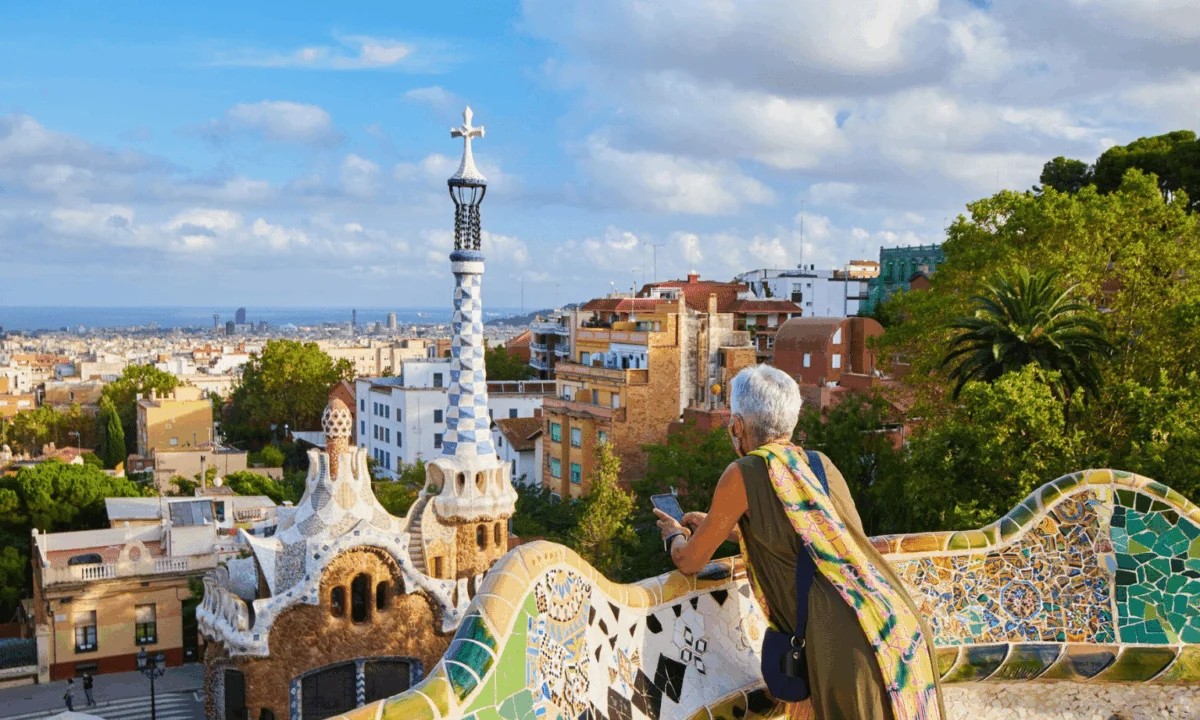
Barcelona, a jewel of the Mediterranean and a perennial favorite for global travelers, is poised to significantly alter its approach to cruise tourism. As the vibrant European summer season gears up, Mayor Jaume Collboni has unveiled a bold proposal to immediately double the tourist tax levied on cruise passengers making brief stops in the city. This decisive move signals a clear intent to curb overtourism and rebalance the relationship between tourism and the city’s residents, prioritizing quality over sheer volume.
The proposed increase will see the tax for passengers docking overnight surge by 100 percent. Currently set at €4 ($6.54) per night, the tax would rise to €8 ($13.07). This financial adjustment is not merely a revenue-generating measure; it is a strategic tool aimed at discouraging the influx of short-stay cruise visitors, who, despite representing a relatively small percentage of overall tourism (estimated between 4 to 5 percent), exert a highly visible impact on the city’s infrastructure and public spaces.
This latest announcement represents an acceleration of plans previously approved in July 2025. At that time, the city council had sanctioned a gradual increase in the tourist tax over a four-year period. However, Mayor Collboni’s administration now seeks to expedite this process, bringing the higher tax rates into effect within months rather than years. "In the coming months, we will raise the tourist tax… so that it comes into force in the next few months and not in four years as we had agreed," Collboni stated, as reported by Fox News.
The mayor’s rhetoric underscores a profound shift in policy. "I want to discourage the arrival of cruise passengers," he explicitly declared. Furthermore, his ambition extends beyond merely moderating numbers; he aims to reposition Barcelona’s role within the cruise industry. The objective is to phase out the city as a mere stopover destination for cruise ships, transforming it instead into a port of embarkation and disembarkation, where passengers typically spend more extended periods and contribute more significantly to the local economy in a way that aligns with the city’s long-term vision.
Barcelona is not an isolated voice in this growing chorus of concern regarding the impact of mass cruise tourism. Alongside other prominent European cities like Amsterdam in the Netherlands and Venice in Italy, Barcelona has been at the forefront of advocating for more sustainable tourism practices. The underlying philosophy driving these initiatives is articulated by Collboni: "Tourism must serve the city, not the other way around." This sentiment reflects a broader sentiment among urban centers grappling with the challenges of accommodating large numbers of transient visitors.
The mayor’s vision for Barcelona’s tourism future is one characterized by "quality tourism" and a deliberate move away from "mass tourism." This includes ambitious plans to eliminate tourist apartments by 2028, a measure designed to reclaim residential areas and address housing affordability issues exacerbated by short-term rental proliferation. The focus, according to Collboni, is shifting towards attracting "business visitors," a demographic perceived as contributing more consistently and meaningfully to the city’s economic fabric.
This proactive stance on cruise tourism is not entirely new for Barcelona. In 2024, the city council had already taken steps to scale back its cruise infrastructure. This involved a reduction in the number of cruise terminals from seven to five, a deliberate strategy aimed at limiting the sheer volume of passengers that could disembark at any given time. These measures, coupled with the proposed tax hike, paint a consistent picture of a city actively seeking to manage and redefine its relationship with the cruise industry.
The tension between the economic benefits of tourism and the social and environmental costs is a complex issue that has manifested in visible public discontent. In 2024, residents of Barcelona took to the streets in protest, their frustration culminating in demonstrations that highlighted a growing sentiment among locals. Images of tourists being "unfairly squirted" with water pistols on the iconic Las Ramblas, as reported by Cruisepassenger.com.au, became a stark symbol of this friction. While such actions may be seen as extreme, they underscore the deep-seated concerns about the impact of tourism on daily life.
Marches through popular tourist hubs like Las Ramblas saw demonstrators chanting "Tourists go home" and displaying signs with slogans such as "Barcelona is not for sale." These protests were not isolated incidents but part of a wider wave of anti-tourism sentiment that has swept across Spain. Similar events had previously occurred on the Canary Islands and Palma de Mallorca, where approximately 10,000 residents took to the streets to voice their opposition to cruise tourism. These widespread demonstrations indicate a significant public mandate for change and a desire for policies that prioritize the well-being of local communities.
The Economic Landscape of Cruise Tourism in Barcelona
Cruise tourism, while a segment of the broader tourism industry, often generates concentrated impacts. In Barcelona, it is estimated to account for 4 to 5 percent of total tourist figures. However, the sheer volume of passengers arriving on large cruise ships can overwhelm local infrastructure, particularly in popular areas. A single large cruise ship can carry thousands of passengers, and multiple ships docking on the same day can lead to significant congestion, strain on public transport, and increased pressure on amenities.
The revenue generated by cruise passengers, both directly through taxes and indirectly through spending in shops, restaurants, and attractions, is a significant economic factor. However, critics argue that the economic benefits are not always evenly distributed and that the environmental footprint, including emissions from ships and waste generation, can be substantial. The proposed tax increase aims to rebalance this equation, ensuring that the economic contributions of cruise passengers are more aligned with the costs they impose on the city.
A Timeline of Evolving Cruise Policy
The current proposal to double the tourist tax is the latest development in a series of policy shifts regarding cruise tourism in Barcelona. Understanding the chronology provides context for the mayor’s assertive stance:
- July 2025 (Approved): Barcelona’s city council approves a plan to gradually increase the tourist tax on cruise passengers over a four-year period. This initial plan aimed for a phased approach to allow for industry adaptation.
- 2024: The city council approves scaling back cruise infrastructure by reducing the number of cruise terminals from seven to five. This was a concrete step towards limiting passenger volumes.
- 2024 (Ongoing): Widespread public protests and demonstrations against mass tourism, including cruise tourism, gain momentum across Barcelona and other popular Spanish destinations like the Canary Islands and Palma de Mallorca.
- Present Day: Mayor Jaume Collboni announces an immediate and significant doubling of the cruise passenger tax for overnight stays, bypassing the previously agreed-upon gradual implementation. The stated goal is to discourage stopover visits and reposition Barcelona as a port of embarkation/disembarkation.
- 2028 (Planned): Barcelona aims to eliminate tourist apartments, further signaling a commitment to curbing mass tourism and reclaiming urban spaces for residents.
This timeline illustrates a progressive tightening of cruise tourism policies, moving from gradual adjustments to more direct and immediate measures aimed at fundamentally altering the city’s engagement with this sector.
Data and Economic Considerations
While specific data on the exact economic contribution of cruise stopover passengers versus those embarking/disembarking is often proprietary to cruise lines and port authorities, general trends provide insight. Cruise passengers on stopover visits typically spend less time and money in a port city compared to independent travelers or those starting or ending their voyages there. They often rely on organized excursions or have pre-arranged itineraries, limiting their engagement with local businesses beyond immediate port areas.
Conversely, passengers embarking or disembarking in a city tend to stay longer, utilize local accommodation, transportation, and dining services, and engage more broadly with the city’s cultural offerings. The €4 to €8 tax increase, while seemingly small on a per-night basis, can represent a significant portion of a cruise passenger’s daily discretionary spending, especially for those on budget-conscious itineraries. For cruise lines, this increased cost could influence route planning and the attractiveness of Barcelona as a stopover destination.
The projected revenue increase from doubling the tax, while not explicitly stated by the mayor, would depend on the number of cruise passenger nights spent in the city. Assuming the current tax generates a certain amount, doubling it would theoretically double that revenue stream. This additional income could then be reinvested in public services, cultural preservation, or sustainable tourism initiatives. However, the primary objective, as stated by the mayor, is not revenue generation but behavioral change.
Broader Implications and Future Outlook
The implications of Barcelona’s intensified stance on cruise tourism extend beyond its immediate shores. As a leading cruise destination, its decisions often influence other ports and cruise lines. If Barcelona successfully shifts its focus away from stopover passengers, cruise lines may need to re-evaluate their itineraries, potentially impacting passenger numbers and revenue for the industry.
This move also reflects a growing global trend of cities prioritizing resident well-being and environmental sustainability over unchecked tourism growth. The success of Barcelona’s strategy could serve as a model for other destinations grappling with similar challenges. However, it also raises questions about the economic viability of the cruise industry in its current form and the potential need for greater adaptation and innovation within the sector.
The emphasis on "quality tourism" and attracting business visitors suggests a long-term strategy for Barcelona’s economic development. By diversifying its tourism base and focusing on higher-spending, longer-staying visitors, the city aims to create a more sustainable and resilient tourism model. This approach, while potentially leading to fewer overall tourist numbers, could result in a more positive and impactful contribution to the city’s economy and its residents’ quality of life. The coming months will be crucial in observing how these ambitious plans translate into tangible changes for Barcelona and its relationship with the global tourism landscape.



 Anjar Salim
 Tatiana Tantri Indah Sari
 Budi Mulyono
 Lukman Taruna Persada Ramadan
