
 Tatiana Tantri Indah Sari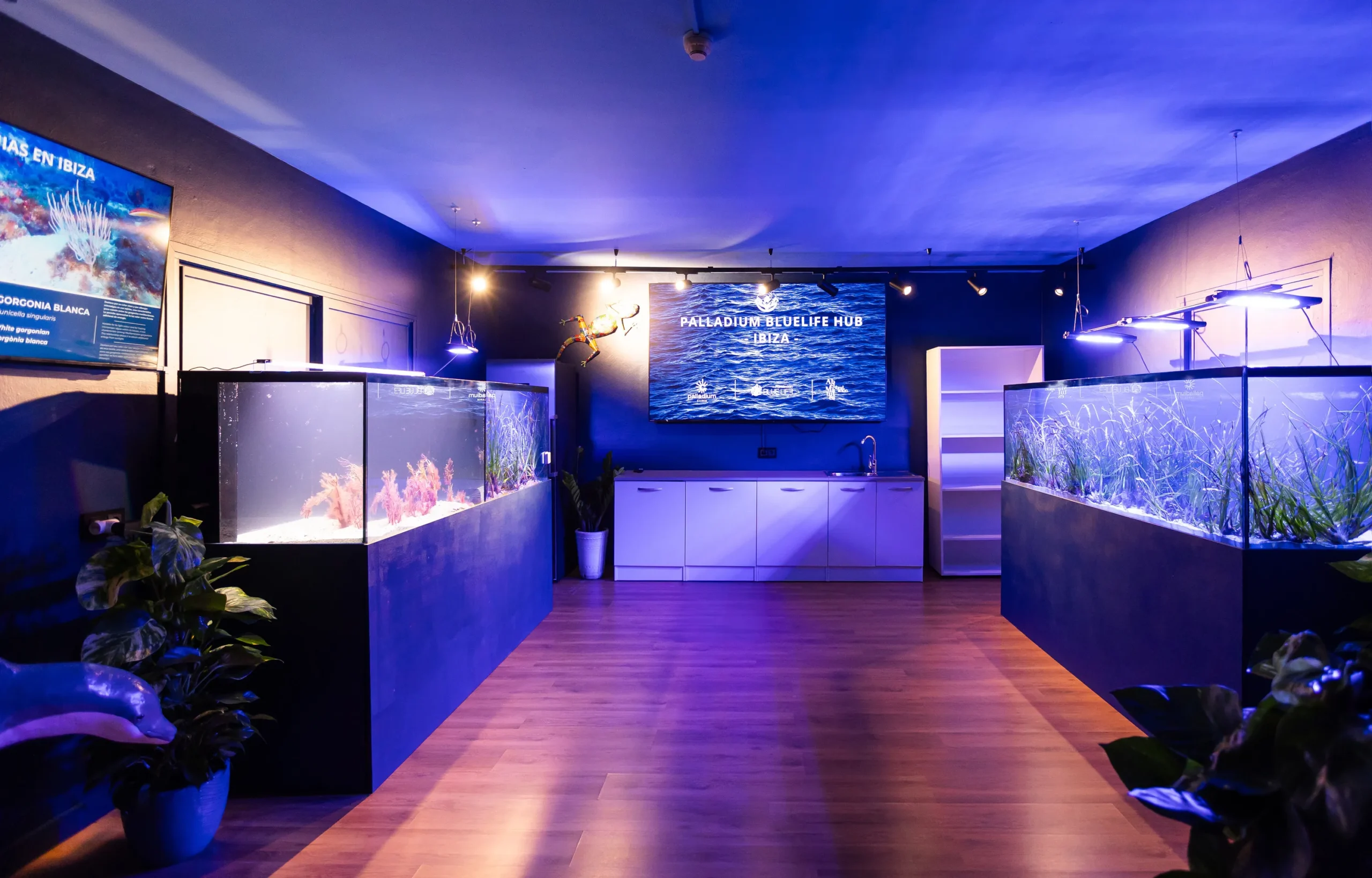
While coral restoration projects have long dominated the marine conservation landscape within the global hospitality industry, leading hotel groups are beginning to recognize the urgent need to protect an equally vital, yet historically overlooked, coastal ecosystem: seagrass. In a notable shift from conventional resort sustainability initiatives, Palladium Hotel Group has officially inaugurated an advanced marine conservation laboratory at the Grand Palladium Select Palace Ibiza. This strategic environmental launch introduces an onsite seagrass nursery designed to rehabilitate local marine habitats while actively engaging resort guests through specialized educational dives and interactive conservation tours. The primary objective of this multifaceted initiative is to elevate public and tourist awareness regarding the ecological significance of the Mediterranean’s fragile marine ecosystems, moving beyond traditional beach tourism to foster active environmental stewardship.
The Inauguration of the Ibiza Marine Conservation Lab
The newly established marine conservation facility represents a significant milestone in corporate environmental responsibility within the Balearic Islands. Situated directly on the property of the Grand Palladium Select Palace Ibiza, the lab functions as both a scientific research hub and an educational platform. Guests staying at the resort are no longer passive observers of the island’s natural beauty; instead, they are granted unprecedented access to active marine biology through guided excursions to the resort’s dedicated seagrass nursery.
Marine biologists stationed at the facility spearhead efforts to cultivate, monitor, and eventually transplant native seagrass species back into the coastal waters surrounding Ibiza. By inviting travelers to participate in supervised dives and educational workshops, Palladium Hotel Group aims to demystify the complexities of marine conservation. Visitors witness firsthand the meticulous processes required to restore damaged sea floors, transforming a standard luxury vacation into an immersive, ecologically educational experience. This initiative bridges the gap between commercial hospitality and environmental science, proving that large-scale resorts can serve as active participants in ecological preservation rather than merely benefiting from natural surroundings.
Chronology of Coastal Resort Conservation
The evolution of environmentalism within the hospitality sector has undergone a profound transformation over the past several decades. Understanding the timeline of this shift provides essential context for the current measures being implemented in Ibiza.
During the late 20th century, hotel sustainability was largely confined to superficial green practices, such as towel reuse programs, basic energy conservation, and localized beach cleanups. These measures were primarily designed to reduce operational costs and appeal to an emerging demographic of eco-conscious consumers without requiring significant structural investments in local ecosystems.
As the impacts of global climate change became increasingly visible in coastal regions during the 2000s, luxury and mid-scale resorts shifted their focus toward coral reef restoration. Hotels across the Caribbean, the Indian Ocean, and Southeast Asia partnered with marine institutes to establish coral nurseries, recognizing that vibrant reefs were essential for coastal protection and aesthetic appeal. However, these programs frequently overlooked other critical marine habitats that shared the same coastal zones.
By the 2010s, marine scientists began issuing urgent warnings regarding the rapid degradation of Mediterranean seagrass meadows, particularly Posidonia oceanica, an endemic species native to the Mediterranean Sea. Despite its ecological dominance, seagrass failed to capture the public imagination in the same way colorful coral reefs did.
The launch of the Palladium Hotel Group conservation lab in the mid-2020s marks a new era in hospitality-driven environmentalism. By pivoting toward seagrass restoration, the hospitality sector is beginning to address the comprehensive needs of coastal biomes, acknowledging that protecting sandy beaches requires preserving the complex biological engines operating just beneath the surface.
The Ecological Imperative: Why Seagrass Matters
For generations, destination marketing organizations (DMOs) have successfully enticed travelers to coastal paradises by advertising pristine white-sand beaches and crystal-clear turquoise waters. However, the origin of these idyllic landscapes is frequently misunderstood by the general public. The iconic white sand found in many tropical and Mediterranean destinations is, in fact, biological debris—primarily calcium carbonate generated by the breakdown of coral skeletons and calcareous algae.
Beneath the water’s surface, seagrass plays a critical role in maintaining the clarity and composition of these coastal environments. Unlike coral reefs, which function primarily as physical barriers and complex habitats, seagrass acts as a natural filtration system. The dense root networks and blade structures of seagrass meadows trap suspended sediment and particulate matter, preventing them from clouding the water and preserving the visibility that travelers associate with pristine destinations.
Furthermore, seagrass ecosystems are nutrient-rich powerhouses that support an astonishing array of marine life. They serve as essential nurseries for juvenile fish, crustaceans, and mollusks, providing both shelter and abundant food sources for species that sustain local commercial fisheries and marine biodiversity.
Beyond local biodiversity, seagrass meadows provide a global environmental service as exceptionally efficient carbon sinks. Scientific research indicates that while seagrass covers less than 0.2 percent of the ocean floor, these underwater meadows are responsible for sequestering up to 18 percent of the ocean’s total carbon storage capacity. Pound for pound, seagrass can capture carbon up to 35 times faster than tropical rainforests, locking it away safely in marine sediments for millennia.
The Growing Threats of Climate Change and Anthropogenic Pressures
Despite their immense ecological and economic value, seagrass ecosystems are facing unprecedented threats driven by anthropogenic climate change and human activity along coastal zones. Rising ocean temperatures represent one of the most immediate perils to marine flora. Prolonged marine heatwaves stress seagrass plants, reducing their photosynthetic efficiency and triggering widespread die-offs across the Mediterranean and other global waters.
In addition to warming seas, coastal development, anchoring by recreational watercraft, and nutrient runoff from agricultural and urban sources severely degrade seagrass meadows. Physical damage from boat anchors can tear through decades-old root systems in seconds, creating scars in the sea floor that take decades to recover naturally. Meanwhile, nutrient pollution causes algal blooms that block vital sunlight, suffocating the seagrass plants beneath.
In Ibiza, where tourism forms the bedrock of the local economy, the pressure on coastal waters is exceptionally high during peak summer months. Thousands of recreational boats anchor indiscriminately over shallow marine habitats, while municipal infrastructure struggles to cope with the massive influx of seasonal visitors. Without proactive intervention, the degradation of local seagrass meadows threatens not only the marine environment but the very foundation of Ibiza’s tourism-dependent economy.
Official Responses and Industry Perspectives
The initiative undertaken by Palladium Hotel Group has drawn favorable commentary from environmental scientists, hospitality analysts, and regional tourism authorities, who view the project as a potential blueprint for sustainable tourism development.
Marine conservationists have long advocated for broader corporate engagement in habitat preservation. Dr. Elena Vance, a marine ecologist specializing in Mediterranean benthic habitats, noted that corporate participation is crucial for scaling up restoration efforts. "Scientific institutions possess the knowledge and methodology required to restore damaged marine ecosystems, but they frequently lack the financial resources and public platform necessary to implement these solutions at scale," Dr. Vance explained. "When major hospitality groups integrate conservation facilities directly into their resorts, they provide the funding, logistical support, and public visibility that can transform local research into widespread ecological recovery."
Representatives from Palladium Hotel Group emphasize that the conservation lab aligns with a broader corporate strategy focused on long-term sustainability and community integration. In corporate sustainability disclosures, executives have stressed that luxury tourism must evolve to respect and protect the natural assets upon which its business model relies. By educating guests on the delicate balance of the marine environment, the hotel group hopes to instill responsible travel habits that extend far beyond the duration of a guest’s stay.
Local tourism boards in the Balearic Islands have also welcomed the initiative, viewing it as a positive step toward mitigating the environmental pressures associated with overtourism. As regional governments increasingly implement regulations to protect natural resources, private sector partnerships that actively contribute to environmental restoration are becoming an expectation rather than a luxury.
Broader Economic and Environmental Implications
The establishment of a marine conservation lab within a commercial resort carries significant implications for both the hospitality industry and global environmental conservation efforts.
From an economic perspective, this initiative demonstrates that sustainability and profitability are not mutually exclusive. Modern consumers, particularly younger demographics such as Millennials and Generation Z, increasingly base their travel decisions on the environmental credentials of hospitality providers. By offering authentic, science-based conservation activities, resorts can differentiate themselves in a crowded market, commanding guest loyalty and justifying premium pricing through tangible ecological value.
From an environmental standpoint, the success of the seagrass nursery at the Grand Palladium Select Palace Ibiza could catalyze similar projects across the Mediterranean and beyond. If major hotel chains recognize the viability and marketing appeal of seagrass restoration, widespread adoption could follow, mirroring the trajectory of coral reef conservation initiatives over the past two decades.
Ultimately, the future of coastal tourism is inextricably linked to the health of the marine ecosystems that surround resort destinations. Without proactive measures to protect and restore critical habitats like seagrass meadows, the natural beauty that attracts millions of travelers each year faces severe degradation. Through pioneering efforts in Ibiza, Palladium Hotel Group has illustrated that the hospitality industry possesses both the capacity and the responsibility to lead the charge in comprehensive marine conservation, ensuring that the shores of tomorrow remain as vibrant and resilient as those of the past.



 Anjar Salim
 Chandra Hamzah
 Budi Mulyono
 Lukman Taruna Persada Ramadan
